Reach Out Today
Please provide your email address so that we can stay in touch and answer any questions you have! We will be reaching back out shortly.

Hear from Our Customers
You stop scrubbing that orange ring in your toilet every week. The rotten egg smell disappears when you turn on the tap. Your water heater lasts years longer because it’s not clogged with rust and sediment.
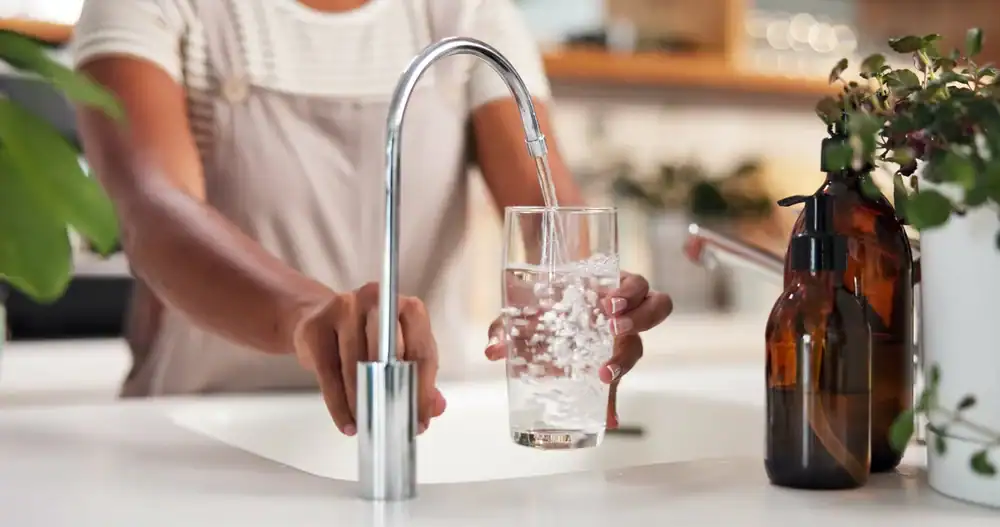
Your appliances stop breaking down early. Your laundry comes out clean instead of dingy. You can offer guests a glass of water without hesitation.
Most importantly, you stop worrying about what’s in the water your kids are drinking. Lake Dot sits on top of Florida’s limestone aquifer, which means your well pulls from groundwater loaded with iron, sulfur, and bacteria. That’s not your fault. It’s geology. But a whole house water filtration system designed for these exact conditions changes everything.
We have an A+ rating with the Better Business Bureau and a 5-star customer rating with zero complaints. We’re members of the National Water Quality Association, which means we follow industry standards that actually matter.
We don’t do plumbing. We don’t replace water heaters. We design, install, and service water treatment systems for Central Florida wells, and we’ve been doing it for over five decades.
Lake Dot homeowners deal with the same water problems we see across Lake County: iron bacteria, hydrogen sulfide, manganese buildup, and seasonal contamination after heavy rains. Your well isn’t regulated by anyone. The Florida Department of Health recommends testing it once a year, but most people don’t until something goes wrong. We help you fix it right the first time.
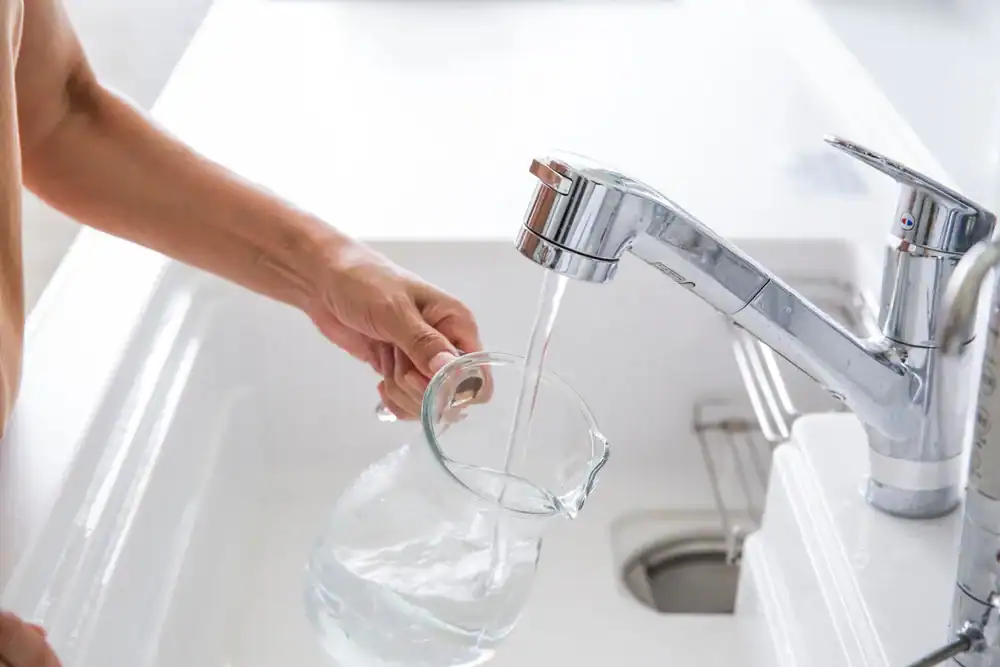
First, we test your water. Not a basic hardness test. A full analysis that tells us exactly what’s in your well: iron levels, sulfur content, bacteria presence, pH, and anything else affecting your water quality.
Then we design a system based on your results and your household’s water usage. If you have iron and sulfur, you might need a combination of air injection oxidation and hydrogen peroxide injection. If bacteria is the issue, we add a disinfection stage. Every system is custom because every well in Lake Dot is different.
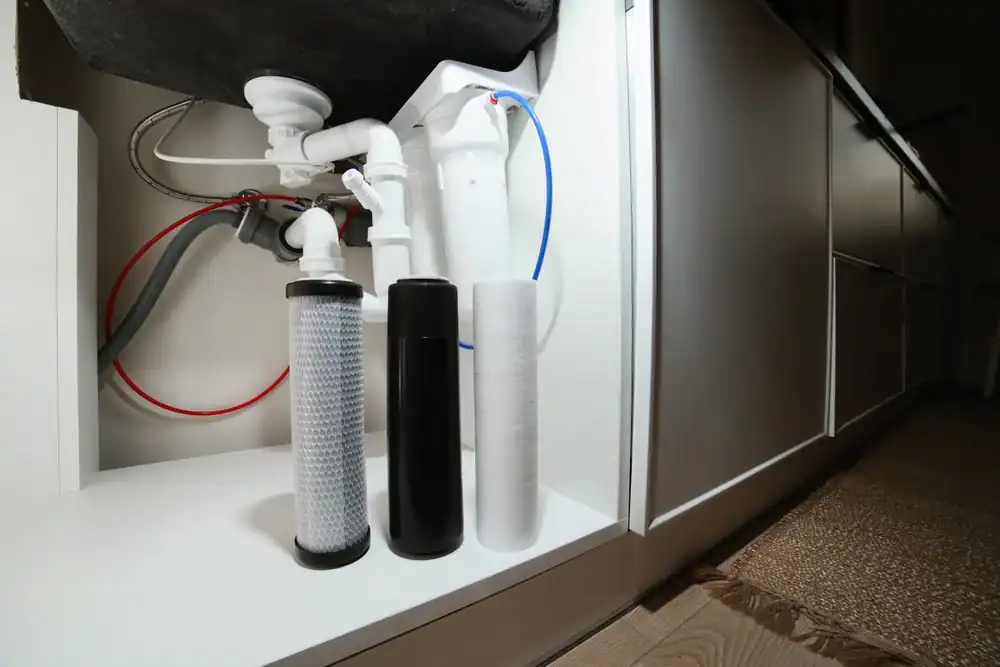
We install the system at the point where water enters your home, so every faucet, shower, and appliance gets treated water. Installation typically takes a day. After that, we walk you through maintenance and set up a service schedule. We service all major brands, not just the systems we sell, so if you have an older Culligan or Kinetico system that’s failing, we can help with that too.
Ready to get started?
A whole house well water filtration system treats water before it reaches any part of your home. That means every tap, every shower, every appliance gets clean water.
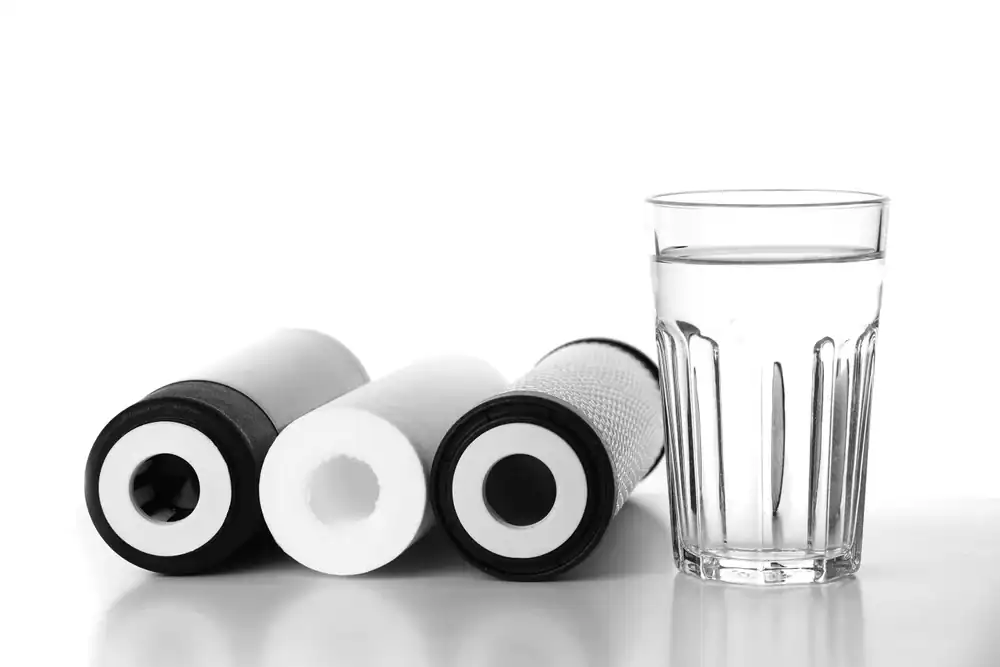
For Lake Dot wells with high iron content, we typically use iron removal systems that combine oxidation and filtration. Iron bacteria doesn’t just stain your fixtures. It builds up inside your pipes and creates a breeding ground for more harmful bacteria. Hydrogen sulfide treatment handles the sulfur smell by removing the gas before it reaches your taps. Some wells need hydrogen peroxide injection to oxidize contaminants, while others do better with air injection oxidation (AIO), which uses oxygen to convert dissolved iron and sulfur into particles that can be filtered out.
If your well tested positive for bacteria, we add a disinfection stage using UV light or chlorination. The system we build depends entirely on what’s in your water and how much water your household uses daily. We don’t sell you more than you need, and we don’t cut corners on the parts that matter. You get a system designed for Central Florida groundwater, installed by people who’ve seen every version of this problem.

If you see orange or brown stains in your sinks, toilets, or bathtub, that’s iron. If your water smells like rotten eggs, that’s hydrogen sulfide. If your water tastes metallic or leaves spots on your dishes, you likely have mineral buildup.
But some problems don’t have visible signs. Bacteria contamination has no smell or taste, which is why the Florida Department of Health recommends annual testing for private wells. Lake Dot wells pull from the same limestone aquifer that supplies most of Central Florida, and that groundwater is rich in iron, sulfur, manganese, and calcium.
The only way to know exactly what’s in your water is to test it. We can run a full analysis that measures iron levels, sulfur content, pH, hardness, and bacteria presence. Once we know what you’re dealing with, we can tell you whether you need a basic filtration system or a multi-stage treatment setup.
A water softener removes hardness, which is caused by calcium and magnesium. It helps with soap scum, scale buildup, and spotty dishes. But it doesn’t remove iron, sulfur, or bacteria.
If your Lake Dot well has iron or hydrogen sulfide, a softener won’t fix it. In fact, running water with high iron content through a softener can damage the resin and make the problem worse. You need an iron removal system or a hydrogen sulfide treatment system first, and then a softener if hardness is also an issue.
Most Central Florida wells need both. The filtration system handles contaminants like iron, sulfur, and bacteria. The softener handles hardness. A whole house well water filtration system treats everything in stages, so each problem gets addressed with the right technology. That’s why testing matters. You can’t guess your way through this.
It depends on what’s in your water and how much water your household uses. A basic iron removal system starts around a few thousand dollars. A multi-stage system that handles iron, sulfur, bacteria, and hardness costs more.
But here’s what matters: replacing a water heater costs $1,500 to $2,500. Replacing a washing machine costs $800 to $1,200. Repiping your house because iron bacteria corroded your pipes costs tens of thousands. A proper filtration system prevents all of that.
We don’t sell you the most expensive option. We sell you the system that solves your specific water problems based on your lab results and your household size. We also offer a $500 discount for military members and first responders. Once you have pricing, you can compare it to the cost of doing nothing, which always ends up being higher.
It depends on the type of system and how much iron or sulfur is in your water. Most systems need a filter change every 6 to 12 months. If you have a hydrogen peroxide injection system, you’ll need to refill the peroxide tank periodically.
Iron removal systems with oxidation tanks may need the media replaced every few years, depending on your water quality and usage. UV disinfection systems need an annual bulb replacement. We set up a maintenance schedule based on your specific system and send reminders when service is due.
Regular maintenance keeps your system running efficiently and extends its lifespan. Skipping it means your water quality declines and parts wear out faster. We service all major brands, so even if you didn’t buy your system from us, we can maintain it. Most of our customers stay on a service plan because it’s easier than remembering to do it themselves.
Yes, but only if the system is designed to treat hydrogen sulfide. That rotten egg smell comes from sulfur bacteria that thrive in Florida’s warm, oxygen-poor wells. A standard carbon filter or water softener won’t remove it.
You need a system that oxidizes the hydrogen sulfide gas and then filters it out. Air injection oxidation (AIO) works by injecting oxygen into the water, which converts the gas into sulfur particles that get trapped in a filter. Hydrogen peroxide injection does the same thing using a chemical oxidizer.
Some wells have low levels of sulfur that can be handled with a single treatment stage. Others have high concentrations that need a more aggressive approach. The bacteria that produce hydrogen sulfide will keep growing back unless you install a system that removes both the gas and the bacteria feeding on sulfur compounds in your water. That’s why we test first and design the system around your results.
Please provide your email address so that we can stay in touch and answer any questions you have! We will be reaching back out shortly.
"*" indicates required fields