Reach Out Today
Please provide your email address so that we can stay in touch and answer any questions you have! We will be reaching back out shortly.

Hear from Our Customers
You turn on the tap and there’s no rotten egg smell. No orange stains creeping into your grout or on your clothes. Your shower doesn’t leave a film on your skin, and you’re not second-guessing whether it’s safe for your kids to drink.
That’s what properly treated well water feels like. And in Jacksonville, getting there means dealing with what’s actually in your groundwater—not just masking it with a basic filter that can’t keep up.
Florida’s limestone aquifer creates the perfect environment for iron, sulfur, and bacteria to thrive. The water that feeds your well picks up hydrogen sulfide as it moves through oxygen-depleted layers underground. That’s the rotten egg smell. It also dissolves iron and manganese, which is why your fixtures turn orange and your laundry comes out discolored.
A whole-house well water filtration system removes these contaminants at the source. You get clean water at every faucet, your plumbing stops corroding, and your appliances last longer because they’re not constantly battling mineral buildup.
We’ve been solving well water problems across the state since 1974. We’re not a national franchise that showed up last year—we’re a local company that understands how Jacksonville’s geology affects your water quality.
We’re A-rated by the Better Business Bureau with a 5-star rating and zero complaints. We’re also members of the National Water Quality Association, which means we follow industry standards that actually matter.
If you’re in Mandarin, Arlington, the Northside, or anywhere else in the Jacksonville area dealing with iron staining or sulfur smell, we’ve likely worked on wells in your neighborhood. We test your water first, design a system based on what’s actually in it, and install equipment that’s built to handle Florida’s heat, humidity, and bacterial activity.
We start with a water test. Not a generic kit—a full analysis that tells us exactly what’s in your well. Iron levels, sulfur content, bacteria, pH, hardness, and anything else that’s affecting your water quality.
Once we know what we’re dealing with, we design a filtration system for your home. If you’ve got high iron, we’ll likely recommend an iron removal system that uses air injection oxidation to convert dissolved iron into particles that can be filtered out. If hydrogen sulfide is the issue, we might use a hydrogen peroxide injection system that neutralizes the gas before it reaches your taps.
For bacteria like E. coli or iron bacteria, we add a disinfection stage that kills pathogens without adding a chlorine taste to your water. Everything gets installed at your main water line so every drop that enters your home is treated.
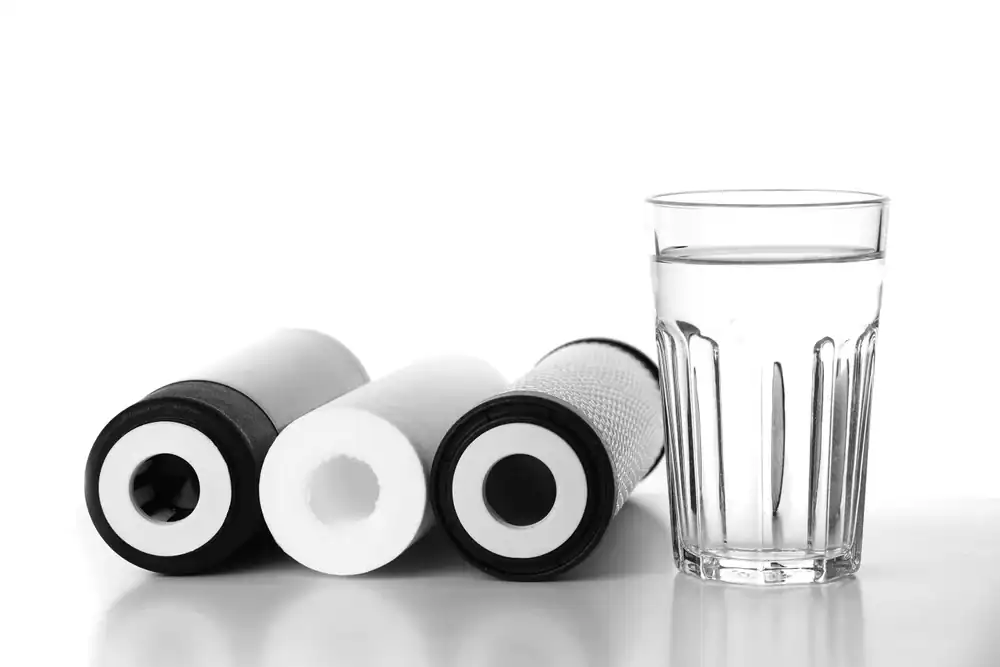
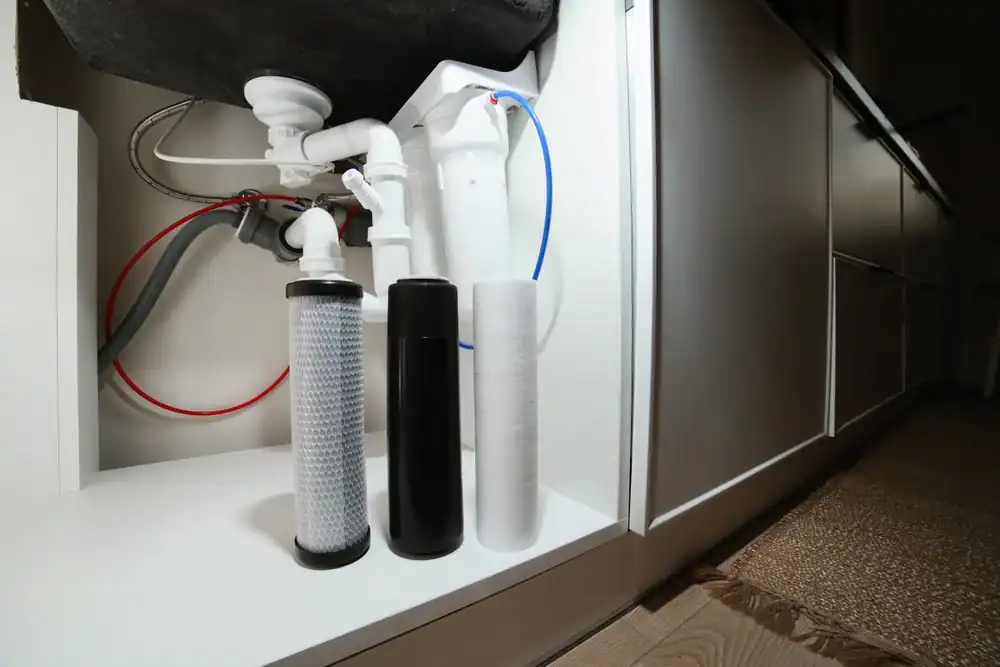
After installation, we walk you through how the system works and what basic maintenance looks like. Most systems need a filter change once or twice a year. We handle that if you want, or we can show you how to do it yourself.
Ready to get started?
Jacksonville sits on top of Florida’s limestone aquifer system. That geology is why you have abundant groundwater—and why that water comes with iron, sulfur, and bacteria issues that a basic carbon filter can’t touch.
During Jacksonville’s drier winter months, shallow aquifers recharge more slowly. That concentrates minerals like iron and manganese, which makes staining worse. It also intensifies the hydrogen sulfide smell because there’s less water diluting the sulfur compounds that bacteria produce underground.
The St. Johns River area and neighborhoods like Mandarin and the Northside see particularly high iron levels. If you’ve noticed orange or brown staining on your bathtub, sinks, or laundry, that’s dissolved iron oxidizing when it hits the air. Left untreated, it doesn’t just stain—it corrodes your plumbing and shortens the life of your water heater.
Hydrogen sulfide is corrosive too. It eats away at copper and brass fixtures, causes black or green stains, and accelerates the breakdown of your water heater’s anode rod. A whole-house filtration system stops that damage before it starts and saves you from expensive plumbing repairs down the line.

If you smell rotten eggs when you turn on the tap, see orange or brown stains on your fixtures, or notice your water has a metallic taste, your well needs treatment. Those are signs of hydrogen sulfide, iron, or manganese in your groundwater.
But not all contaminants are obvious. Bacteria like E. coli or Giardia don’t have a smell or taste, which is why testing is important even if your water seems fine. The EPA doesn’t regulate private wells, so it’s your responsibility as a homeowner to make sure your water is safe.
We recommend testing at least once a year, or sooner if you notice any changes in taste, smell, or appearance. A full water analysis tells you exactly what’s in your well and what kind of treatment system you need to fix it.
Iron removal systems target dissolved iron that causes orange or brown staining. Most use air injection oxidation, which forces oxygen into your water to convert dissolved iron into solid particles. Those particles get trapped in a filter media and flushed out during a backwash cycle.
Sulfur treatment systems address hydrogen sulfide gas, which is what causes the rotten egg smell. One common method is hydrogen peroxide injection, which oxidizes the sulfur and neutralizes the odor before water enters your home. Another option is an air injection oxidation system that can handle both iron and sulfur at the same time.
If your well has both problems—which is common in Jacksonville—we’ll design a system that addresses everything in one setup. That’s more efficient than trying to patch together separate filters that weren’t designed to work together.
Cost depends on what’s in your water and how much treatment your home needs. A basic iron removal system might start around $2,000 to $3,000. If you need sulfur treatment, bacteria disinfection, and water softening, you’re looking at a more comprehensive system that could run $5,000 to $8,000 or more.
That might sound like a lot upfront, but compare it to what you’re already spending. Replacing a corroded water heater costs $1,200 to $1,800. Fixing plumbing damaged by hydrogen sulfide can run thousands. Constantly replacing stained towels, clothes, and linens adds up fast.
A properly designed filtration system pays for itself by protecting your plumbing, extending the life of your appliances, and eliminating the ongoing costs of dealing with bad water. We’ll give you an exact quote after we test your water and know what you’re working with.
Not by itself. A water softener removes hardness minerals like calcium and magnesium, which cause scale buildup. That’s useful, but it doesn’t address iron, sulfur, or bacteria—the most common problems in Jacksonville well water.
If you run water with high iron through a standard softener, the iron will foul the resin bed and reduce the system’s effectiveness. You’ll end up with a softener that doesn’t work and water that still stains everything.
The right approach is to remove iron, sulfur, and bacteria first with a dedicated filtration system, then add a softener if hardness is also an issue. That way each piece of equipment does what it’s designed to do, and you get water that’s actually clean and soft—not just partially treated.
Most systems need a filter change once or twice a year, depending on your water quality and how much water your household uses. Some systems have a backwash cycle that automatically cleans the filter media, which reduces hands-on maintenance.
If your system includes a hydrogen peroxide injection setup for sulfur treatment, you’ll need to refill the peroxide tank every few months. That’s a simple process—basically like refilling a reservoir—but it’s something to stay on top of so the system keeps working properly.
We offer maintenance plans if you’d rather have us handle everything. Or we can show you how to do basic upkeep yourself. Either way, a well-maintained system will last 10 to 15 years or more, which makes it a solid long-term investment in your home’s water quality.
Please provide your email address so that we can stay in touch and answer any questions you have! We will be reaching back out shortly.
"*" indicates required fields