Reach Out Today
Please provide your email address so that we can stay in touch and answer any questions you have! We will be reaching back out shortly.

Hear from Our Customers
You turn on the tap and there’s no smell. No hesitation before you fill a glass. No embarrassment when someone uses your bathroom.
The orange stains stop showing up on your sinks and toilets. Your laundry comes out clean instead of rust-tinted. Your water heater isn’t corroding from the inside out because hydrogen sulfide is eating away at the copper and brass.
That’s what happens when you treat the actual problem instead of masking it. Iron removal systems pull out the dissolved iron before it oxidizes and stains everything. Hydrogen sulfide treatment eliminates the sulfur-reducing bacteria that create that rotten egg smell, especially in your hot water. And if you’ve got iron bacteria building up that slimy rust-colored film in your toilet tank, well water bacteria disinfection handles that before it takes over your entire plumbing system.
You’re not just filtering water. You’re protecting every appliance, fixture, and pipe in your home from damage that costs a lot more to fix later.
We have an A-rating with the Better Business Bureau and a 5-star rating with zero complaints. We’re members of the National Water Quality Association, and we’ve been treating well water across Central Florida for over five decades.
Highlands County sits on Florida’s limestone aquifer system, which means your well water is dealing with the same issues most of your neighbors face: high iron content, hydrogen sulfide from sulfur-reducing bacteria, and occasional bacterial contamination. We know this because we’ve tested and treated thousands of wells in this area.
We don’t sell plumbing services or water heaters. We specialize in whole-house water purification, and that focus means we’re not trying to upsell you on things you don’t need. We test your water, design a system that addresses what’s actually in it, and install equipment that lasts.
First, we test your water. Not a generic test—a full analysis that tells us exactly what contaminants you’re dealing with and at what levels. Iron, sulfur, bacteria, pH, hardness, all of it.
Then we design a system based on those results and your household’s water usage. If you’ve got clear water iron, an air injection oxidation system might be the right fit—it forces oxygen into the water to oxidize the iron before it ever reaches your fixtures. If hydrogen sulfide is the issue, we might use hydrogen peroxide injection to neutralize it. For bacterial contamination, UV disinfection with a Purelight system kills organisms without adding chemicals to your water.
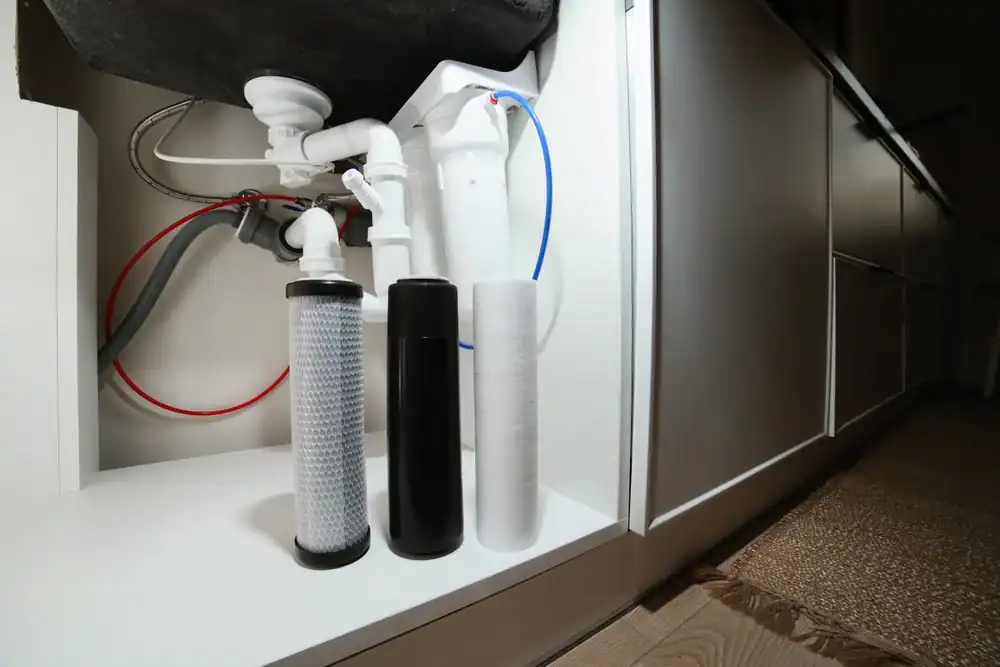
Once the system is designed, we install it at your main water line so every drop of water in your home is treated. You’re not dealing with point-of-use filters that only cover one faucet. This is whole-house filtration.
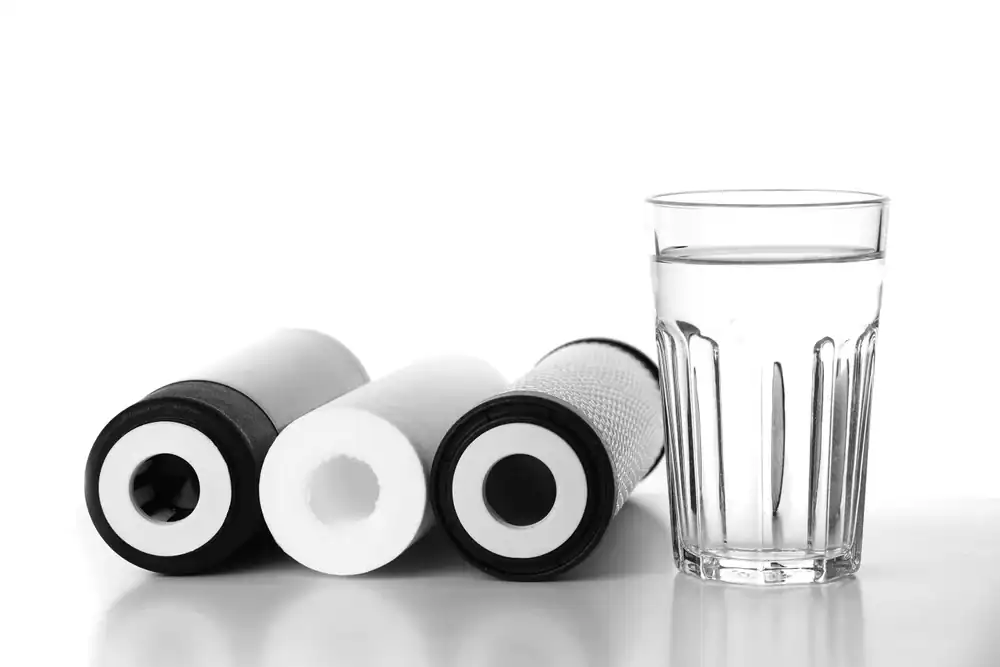
After installation, the system runs automatically. Depending on what equipment you have, you might need to replace a filter cartridge once or twice a year, or add hydrogen peroxide to a tank every few months. We service everything we install, and we can service other brands too if you’ve got an existing system that’s not working right.
Ready to get started?
Your system is built around what your water test shows. That might mean an iron removal system if you’re dealing with rust stains and metallic taste. It could include hydrogen sulfide treatment if the sulfur smell is making your water undrinkable. If bacteria showed up in your test, we’ll add well water bacteria disinfection—usually a UV system or chlorination setup.
In Highlands County, we see a lot of wells with high iron content because of the limestone geology. Iron bacteria is common here too, and it’s a pain to deal with once it’s established in your plumbing. The longer you wait, the harder it is to get rid of. A properly designed filtration system stops it from ever becoming a problem.
We also install salt-free water conditioners if you want to reduce scale buildup without adding sodium to your water. These systems don’t waste water, don’t need electricity, and don’t require you to haul bags of salt every month.
Everything we install is designed to last. We’re not interested in selling you something that breaks down in two years and leaves you stranded. And because we’re local and we service what we sell, you’re not dealing with a national company that disappears after the installation check clears.

That rotten egg smell comes from hydrogen sulfide gas, and it’s produced by sulfur-reducing bacteria living in your well or water heater. The smell gets worse when the water sits unused for a while—like after you’ve been gone for a few days—or after heavy rain when surface water seeps into the aquifer.
It’s usually more noticeable in hot water because heat releases the gas faster. If your cold water smells fine but your hot water reeks, the bacteria are likely growing inside your water heater tank.
The smell isn’t just unpleasant. Hydrogen sulfide is corrosive. It eats away at copper and brass plumbing fixtures and accelerates the breakdown of your water heater. Treating it early saves you money on repairs and replacements down the road. A hydrogen peroxide injection system or an air injection oxidation setup can eliminate the problem at the source.
Clear water iron is dissolved in your water when it comes out of the tap. It looks clear at first, but when it’s exposed to air, it oxidizes and turns orange or brown. That’s what causes the rust stains on your sinks, toilets, and laundry.
Red water iron is already oxidized when it comes out of the well. Your water looks rusty or cloudy right away. It’s easier to see, but it’s also easier to filter because the iron particles are already solid.
Both types damage your plumbing and appliances over time. Iron creates buildup inside pipes, clogs fixtures, and shortens the life of your washing machine and water heater. An air injection oxidation system works well for clear water iron because it forces the oxidation process to happen before the water enters your home. Then a filter catches the particles before they reach your faucets.
Iron bacteria create a slimy, rust-colored buildup that looks like an oil slick on the surface of your toilet tank water. You might also see reddish or orange slime in your tank, around the fill valve, or inside the bowl where water sits.
It’s not harmful to drink, but it’s extremely difficult to remove once it’s established in your plumbing system. It clogs pipes, fouls water softeners, and creates a biofilm that regular cleaning won’t get rid of.
If you’ve got iron bacteria, you’ll need a disinfection system to kill it and prevent it from coming back. Chlorination or UV disinfection are the most effective treatments. The key is catching it early. Once it spreads through your entire plumbing system, you’re looking at a much bigger and more expensive problem. A water test will confirm whether bacteria are present and at what levels.
No. A water softener is designed to remove hardness minerals like calcium and magnesium. It’s not built to handle iron or hydrogen sulfide, and trying to use it for that will just foul the resin bed and wreck the system.
If you’ve got more than trace amounts of iron—anything over 0.3 parts per million—you need an iron removal system before the softener. Same goes for sulfur. Hydrogen sulfide will damage a softener’s resin and create that rotten egg smell throughout your home.
The right setup treats iron and sulfur first, then softens the water if hardness is also an issue. That’s why testing your water matters. You need to know what you’re dealing with so the system is designed in the right order. Skipping steps or using the wrong equipment just means you’ll be replacing things sooner and spending more money in the long run.
It depends on what type of system you have and what it’s filtering. Most whole-house systems need a filter cartridge replaced once or twice a year. If you’ve got a hydrogen peroxide injection system, you’ll need to refill the peroxide tank every few months depending on your water usage.
UV disinfection systems need a new bulb once a year, and the quartz sleeve that protects the bulb should be cleaned every six months to keep it effective. Air injection oxidation systems have a media tank that might need servicing every few years, but it’s not frequent.
The key is working with a company that actually services what they sell. A lot of national companies install systems and then disappear when something needs attention. We service everything we install, and we can work on other brands too if your current provider isn’t responding. Regular maintenance keeps your system running efficiently and prevents bigger problems from sneaking up on you.
Please provide your email address so that we can stay in touch and answer any questions you have! We will be reaching back out shortly.
"*" indicates required fields