Reach Out Today
Please provide your email address so that we can stay in touch and answer any questions you have! We will be reaching back out shortly.

Hear from Our Customers
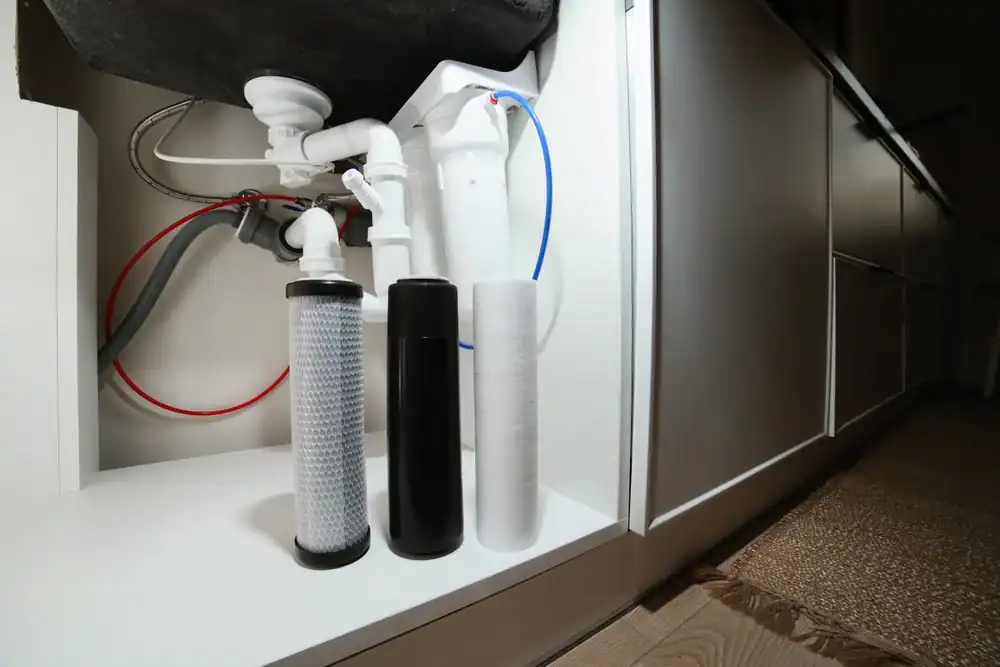
The rotten egg smell disappears. Your fixtures stop turning orange. Your water heater lasts years longer instead of failing early from sediment buildup.
That’s what proper well water filtration does. It removes the iron, hydrogen sulfide, and bacteria at the source—so every faucet, every shower, every load of laundry uses clean water. No more buying bottled water. No more explaining the smell to guests. No more replacing appliances that shouldn’t have failed yet.
Lake County sits on top of Florida’s limestone aquifer, which means your well water is pulling from formations loaded with sulfur compounds and dissolved iron. A standard softener won’t touch it. You need a system designed for the specific contaminants in your water—hydrogen peroxide injection for sulfur, air injection oxidation for iron, UV disinfection for bacteria. The right combination depends on what’s actually in your water, not what works in someone else’s house three counties over.
We’ve been installing well water filtration systems across Central Florida since the 1970s. We’re A-rated by the Better Business Bureau with a five-star rating and zero complaints. We’re members of the National Water Quality Association, which means we follow industry standards that matter—not just sales tactics that sound good.
We don’t sell plumbing services or water heaters. We do one thing: design and install water treatment systems that actually work for Florida wells. Every system starts with a free water analysis at your home, because we can’t recommend a solution until we know what’s in your water. Greenland homeowners deal with iron bacteria, sulfur gas, and mineral buildup that varies from well to well. A cookie-cutter system won’t cut it.
We also offer a five-hundred-dollar discount for military members and first responders, and we support the Tunnels to Towers Foundation. If you’ve been dealing with bad water long enough to know the difference between a real solution and a temporary fix, that’s who we built this company for.
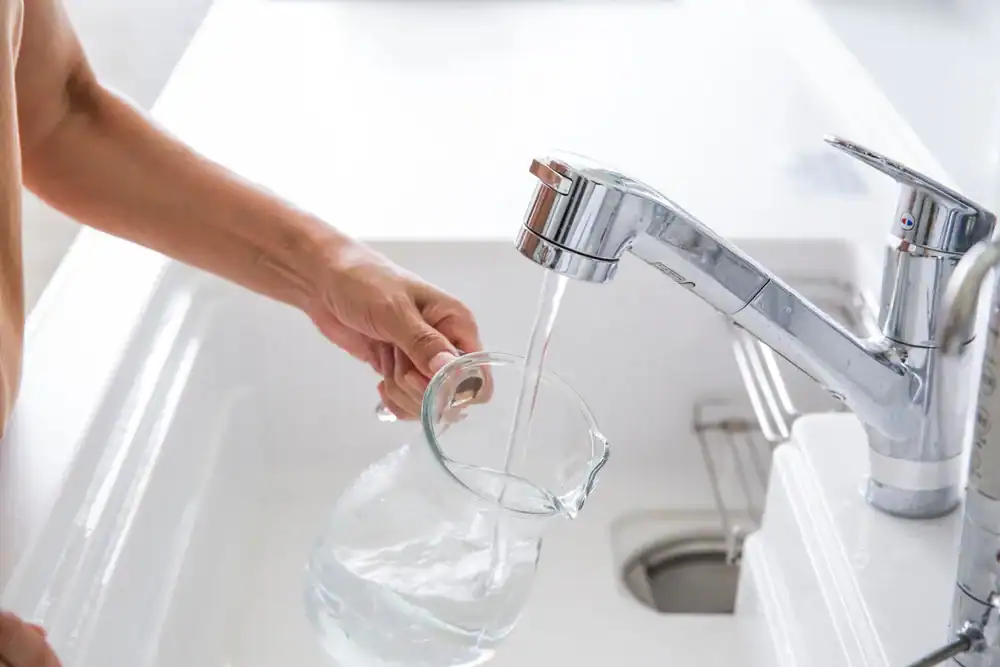
First, we test your water. Not with a basic hardness test—with a full analysis that identifies iron levels, sulfur content, bacteria presence, pH, and total dissolved solids. That tells us what treatment methods will actually work.
Then we design a system based on your results and your household’s water usage. If you’ve got hydrogen sulfide, we’ll likely recommend hydrogen peroxide injection, which oxidizes the sulfur gas so it can be filtered out. For iron, air injection oxidation works by introducing oxygen to convert dissolved iron into particles that get trapped in a filter tank. If bacteria showed up in your test, we add a UV purification system that kills organisms without chemicals.
Installation takes a day in most cases. We connect the system to your main water line so it treats all the water entering your home—not just one faucet. After that, we walk you through basic maintenance, which is minimal if the system’s designed right. You’re not adding chemicals every week or changing filters every month. The equipment does the work.
Ready to get started?
Every system we install is custom-designed, but most include a combination of treatment stages depending on what your water test reveals. Iron removal systems use oxidation and filtration to pull out dissolved and particulate iron before it stains anything. Hydrogen sulfide treatment typically involves peroxide injection or aeration to neutralize the sulfur smell at the source.
For bacteria, we install UV disinfection units that kill E. coli, coliform, and other organisms without adding chlorine or chemicals to your water. These systems are especially important in Greenland and surrounding areas, where Florida’s warm climate and iron-rich groundwater create conditions where bacteria thrive in older wells.
You also get professional installation, which matters more than most people realize. A system that’s undersized, incorrectly plumbed, or missing a necessary component won’t perform the way it should—even if the equipment itself is solid. We size everything based on your peak water usage, your specific contaminants, and your home’s plumbing setup. And if something needs service down the road, we handle it. We don’t sell systems and disappear.

Hydrogen peroxide injection is the most effective method for removing hydrogen sulfide from well water. It works by oxidizing the sulfur gas into particles that can be filtered out, and it doesn’t leave behind the chemical taste or ongoing maintenance that chlorine systems require.
The system injects a small amount of peroxide into your water line, then runs it through a retention tank where the reaction happens. After that, a filter pulls out the oxidized sulfur. The result is water that doesn’t smell, doesn’t taste off, and doesn’t require you to handle chemicals or adjust dosing every few weeks.
Some companies will try to sell you an aeration system or a carbon filter, and those can work in mild cases. But if your sulfur smell is strong enough that guests notice it, peroxide injection is the solution that actually handles the problem long-term. We test your water first to confirm sulfur levels, then size the system to match your household’s usage.
Iron settles as sediment inside your water heater, which reduces efficiency and causes the tank to fail two to three years earlier than it should. It also clogs aerators, stains fixtures, and leaves residue in your washing machine that transfers onto clothes.
The bigger issue is iron bacteria, which feeds on dissolved iron and forms a slimy biofilm inside pipes and tanks. Once it’s established, it’s tough to get rid of—and it accelerates corrosion. You’ll see it as reddish-brown slime in your toilet tank or a metallic film on standing water.
An iron removal system stops this before it starts. Air injection oxidation converts dissolved iron into solid particles, which then get trapped in a filter before the water reaches your appliances. That means no buildup, no staining, and no premature equipment failure. If you’ve already replaced a water heater or had to scrub orange stains off everything, you know how much that adds up. Treating the water costs less than replacing what it damages.
Depends on what’s in your water. A softener removes hardness minerals like calcium and magnesium, which cause scale buildup. But it won’t remove iron, sulfur, or bacteria—those require separate treatment.
Most Greenland homeowners with well water need both. The filtration system handles contaminants like iron and hydrogen sulfide, and the softener addresses hardness so you don’t get scale on fixtures or in your water heater. If your water test shows high iron and high hardness, trying to run everything through just a softener will foul the resin bed and kill the system’s effectiveness.
We design the setup so the filtration happens first, then the softener. That way, the softener only has to deal with hardness—not iron or sulfur that’ll clog it up. It’s a more efficient approach, and it means both systems last longer. After we test your water, we’ll tell you exactly what you need and why. No upselling equipment that won’t help your specific situation.
Most systems need a filter change once or twice a year, depending on your iron levels and water usage. UV bulbs should be replaced annually to maintain disinfection effectiveness. Beyond that, maintenance is minimal if the system’s sized and installed correctly.
Hydrogen peroxide injection systems require refilling the peroxide tank every few months, but that’s a simple process—you’re just pouring solution into a reservoir. Air injection oxidation systems regenerate automatically, so there’s no manual intervention. The control valve handles backwashing and cleaning cycles on a timer.
We include a maintenance walkthrough after installation so you know what to expect. And if something does need service—a valve sticks, a timer fails, a tank needs adjustment—we handle it. A lot of national companies install systems and then refer you to a third party for service, which is frustrating when something goes wrong. We service what we sell, and we’ve been doing it in Florida for fifty years. You’re not calling a 1-800 number and waiting on hold.
Yes, but you need UV disinfection to do it reliably. A UV system uses ultraviolet light to kill bacteria, viruses, and other microorganisms as water flows through a chamber. It’s chemical-free, doesn’t change the taste of your water, and works on contact—no retention time needed.
This is especially important if your well tested positive for coliform or E. coli, which can happen after heavy rain, flooding, or if your well cap isn’t sealed properly. Florida’s warm climate also makes bacterial growth more common than in other states. Even if your water looks clear, bacteria can still be present.
The UV system installs after your filtration stages, so the water entering the chamber is already free of sediment and iron that could block the light. The bulb lasts about a year, and there’s an indicator that tells you when it’s time to replace it. It’s one of the most effective ways to make sure your water is safe to drink, and it doesn’t add anything to the water—just kills what shouldn’t be there.
Please provide your email address so that we can stay in touch and answer any questions you have! We will be reaching back out shortly.
"*" indicates required fields