Reach Out Today
Please provide your email address so that we can stay in touch and answer any questions you have! We will be reaching back out shortly.

Hear from Our Customers
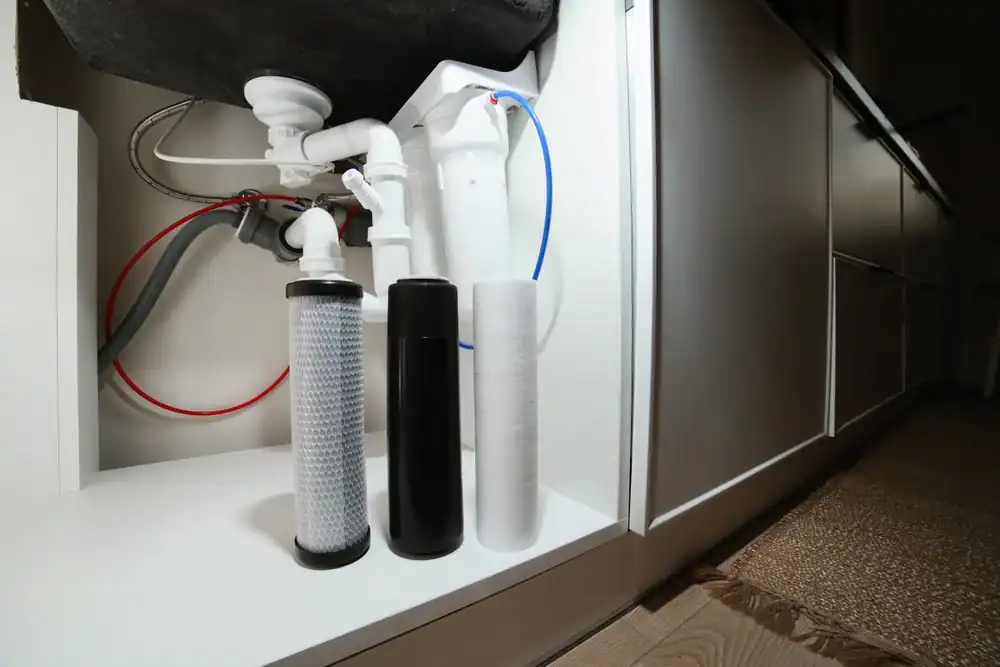
You stop scrubbing orange stains off your toilets and sinks every week. The rotten egg smell disappears completely. Your water heater lasts years longer instead of corroding from the inside out.
Your appliances stop breaking down from mineral buildup. You’re not replacing dishwashers and washing machines on a three-year cycle anymore. The water coming out of every faucet is clear, odorless, and safe for your family to drink.
You’re not embarrassed when guests use your bathroom. You’re not buying bottled water by the case. Your home’s value isn’t tanked by obvious water quality issues that buyers can smell and see the moment they walk through the door.
We hold an A+ Better Business Bureau rating with a perfect 5-star record and zero complaints. We’re members of the National Water Quality Association, which means we follow industry standards that most local companies don’t even know exist.
We specialize in whole-house water purification for Goodbys Creek and Jacksonville area homes dealing with Florida’s specific geology. The limestone bedrock and iron-rich soil layers here create water problems you won’t find in other states. We’ve been solving them for years.
We offer a $500 discount for military members and first responders, and we’re proud supporters of the Tunnels to Towers Foundation. Our reputation matters more than quick sales, which is why we don’t sell systems we won’t service.
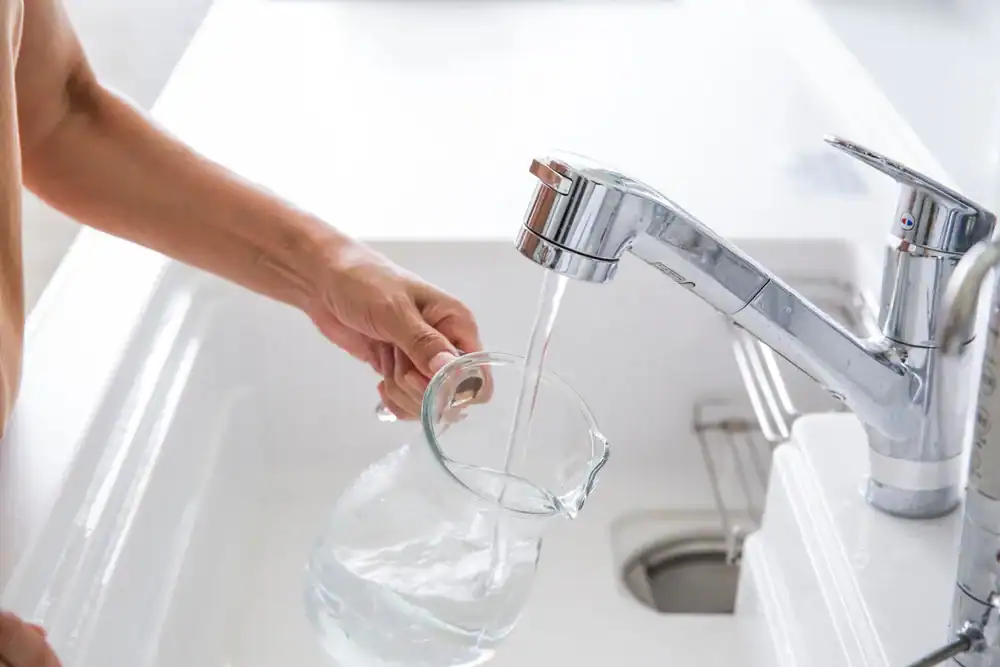
We start with water testing to identify exactly what’s in your well water. Iron, sulfur, bacteria, pH levels, hardness—we need the full picture before recommending any system. Guessing costs you money.
Based on your results, we design a treatment approach. For iron removal, that might mean an air injection oxidation system that uses oxygen instead of chemicals. For hydrogen sulfide, we might use hydrogen peroxide injection or a specialized sulfur filter. For bacteria, UV disinfection or chlorine injection depending on contamination levels.
We install the system at your main water line so every faucet, shower, toilet, and appliance gets treated water. Most installations take a day. You’ll see the difference immediately—no more sulfur smell, no more rust stains forming, and water that’s actually safe to drink.
We don’t disappear after installation. The system needs occasional maintenance, and we handle it. Filter changes, media replacement, system checks—it’s part of keeping your water clean long-term.
Ready to get started?
Iron removal systems use either air injection oxidation or chemical oxidation with hydrogen peroxide. Both convert dissolved iron into solid particles that get filtered out before reaching your fixtures. Air injection is chemical-free. Hydrogen peroxide handles higher iron concentrations and also kills bacteria.
Hydrogen sulfide treatment targets that rotten egg smell. Depending on sulfur levels, we use oxidation systems, catalytic carbon filters, or aeration. The goal is complete elimination, not masking the odor.
Well water bacteria disinfection uses UV light or chlorination. UV systems kill bacteria and viruses as water passes through without adding anything to your water. Chlorine injection works for wells with persistent contamination, followed by carbon filtration to remove the chlorine taste.
Every system is sized for your home’s water usage and designed to handle Florida’s specific contaminants. Goodbys Creek sits on geology that loads well water with sulfur compounds and iron. Your system needs to account for that, or it won’t keep up.

You need a lab test, not a basic home kit. Iron, sulfur, and hardness are obvious—you can smell and see them. Bacteria contamination has no smell, no taste, and no color, but it can make people sick.
We test for coliform bacteria, E. coli, iron levels, sulfur compounds, pH, hardness, and other contaminants common in Florida well water. The test results tell us exactly what treatment approach will work. Skipping this step means guessing, and guessing leads to systems that don’t solve your actual problem.
Most Goodbys Creek wells have some combination of iron, hydrogen sulfide, and elevated pH from the limestone geology. Some have bacterial contamination from shallow water tables or surface water intrusion. You won’t know until you test.
Air injection oxidation uses oxygen to convert dissolved iron into solid particles. It’s chemical-free, which some homeowners prefer. It works well for moderate iron levels and doesn’t require ongoing chemical purchases.
Hydrogen peroxide injection handles higher iron concentrations and also disinfects your water by killing bacteria. It requires periodic peroxide refills, but it’s more aggressive at oxidation. If you have both iron and bacteria issues, peroxide does double duty.
The choice depends on your water test results and what else is in your water. Air injection is simpler and cheaper to maintain. Hydrogen peroxide is more powerful and handles multiple contaminants at once. We recommend based on what your specific well water needs, not what’s easier to sell.
Yes, if the system is designed correctly for your iron levels. Iron removal systems eliminate dissolved iron before it reaches your fixtures. No iron in the water means no oxidation, which means no orange and red staining.
You’ll still need to clean existing stains—the system prevents new ones from forming. Most homeowners see a complete stop to new staining within days of installation. Your toilets, sinks, and tubs stay white instead of turning orange every few days.
The same system protects your appliances. Iron buildup inside water heaters, dishwashers, and washing machines is what causes premature failure. Removing it at the source extends the life of everything that uses water in your home.
It depends on the type of system and your water quality. Air injection systems need media replacement every few years and occasional tank cleaning. Hydrogen peroxide systems need peroxide refills every few months depending on water usage.
Carbon filters need replacement based on how much sulfur or chlorine they’re removing. UV bulbs lose effectiveness after about a year and need annual replacement to maintain disinfection. Sediment pre-filters might need changing every few months if your well water is high in particulates.
We set up a maintenance schedule based on your specific system. Most homeowners spend a few hundred dollars a year on maintenance, which is far less than the cost of replacing appliances damaged by untreated water or dealing with ongoing staining and odor problems.
Yes. Hydrogen sulfide is what causes the rotten egg smell, and it’s removable with the right treatment. The method depends on how much sulfur is in your water.
Low to moderate levels respond well to catalytic carbon filtration or oxidation followed by filtration. Higher concentrations need aeration or chemical oxidation with hydrogen peroxide or chlorine. The sulfur gets converted to solid sulfur particles or gas that’s vented out, leaving your water odorless.
Florida’s limestone geology creates perfect conditions for sulfur bacteria that produce hydrogen sulfide gas. Goodbys Creek wells are particularly prone to this. A properly sized sulfur treatment system eliminates the smell completely—not just masks it. You’ll notice the difference the first time you turn on a faucet after installation.
Please provide your email address so that we can stay in touch and answer any questions you have! We will be reaching back out shortly.
"*" indicates required fields