Reach Out Today
Please provide your email address so that we can stay in touch and answer any questions you have! We will be reaching back out shortly.

Hear from Our Customers
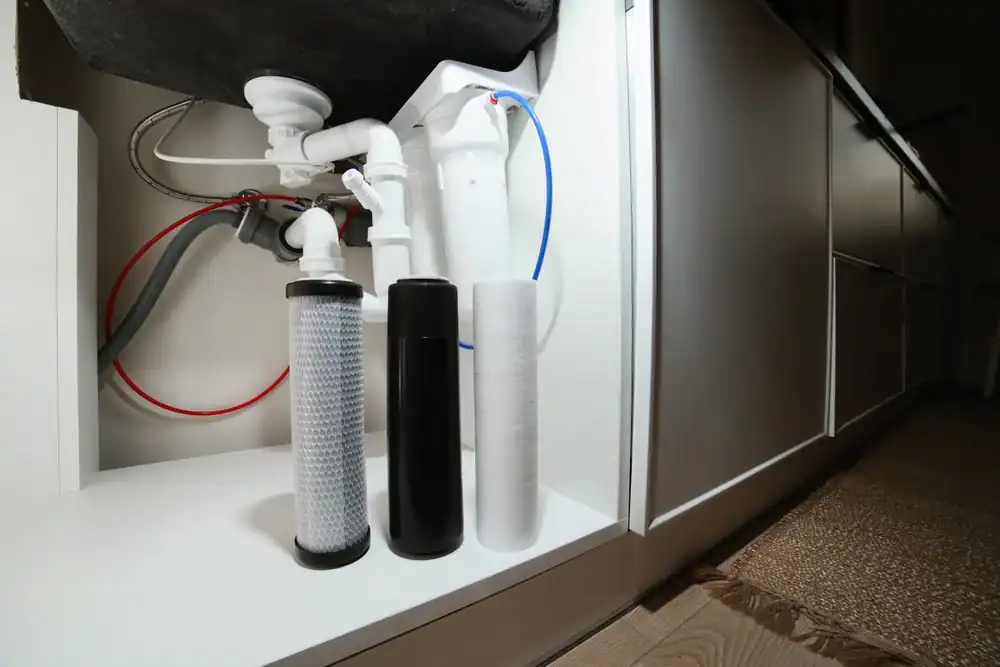
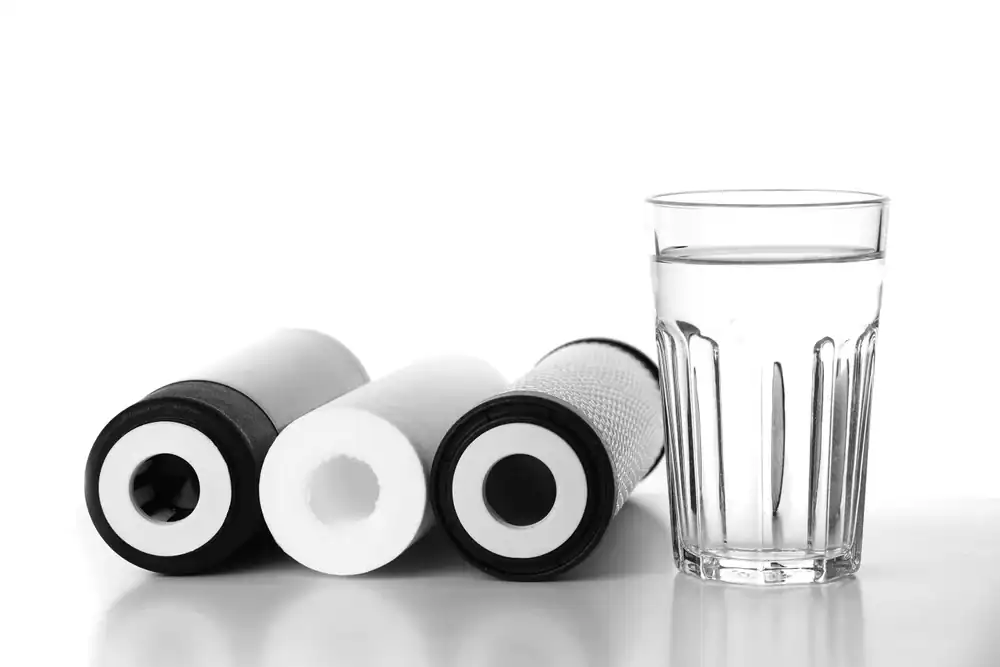
You shouldn’t have to explain the rotten egg smell to guests. You shouldn’t be replacing water heaters years early because of iron buildup. And you definitely shouldn’t be buying bottled water by the case just to avoid what’s coming out of your own tap.
Fort Caroline sits on the same aquifer system that causes headaches for well owners across Central Florida. High iron content. Hydrogen sulfide from sulfur-reducing bacteria breaking down sulfates in limestone geology. Seasonal bacteria spikes during Florida’s rainy months when the shallow water table gets even more vulnerable.
The right well water filtration system eliminates all of it. No orange stains on fixtures. No sulfur odor in your shower. No sediment clogging up your appliances. Just clean, safe water that protects your home and gives you actual peace of mind.
We have an A-rating with the Better Business Bureau and zero complaints. We’re members of the National Water Quality Association. We’ve been treating Florida well water for over five decades, which means we’ve seen every combination of iron, sulfur, and bacteria this state can throw at a homeowner.
Fort Caroline residents deal with the same geology and water table challenges as the rest of Duval County. JEA operates more than 139 wells across the area, but if you’re on a private well, the responsibility for water quality falls on you. We test first, recommend second, and install systems that actually match what’s in your water.
We don’t do plumbing. We don’t sell water heaters. We treat water, and we do it right the first time.
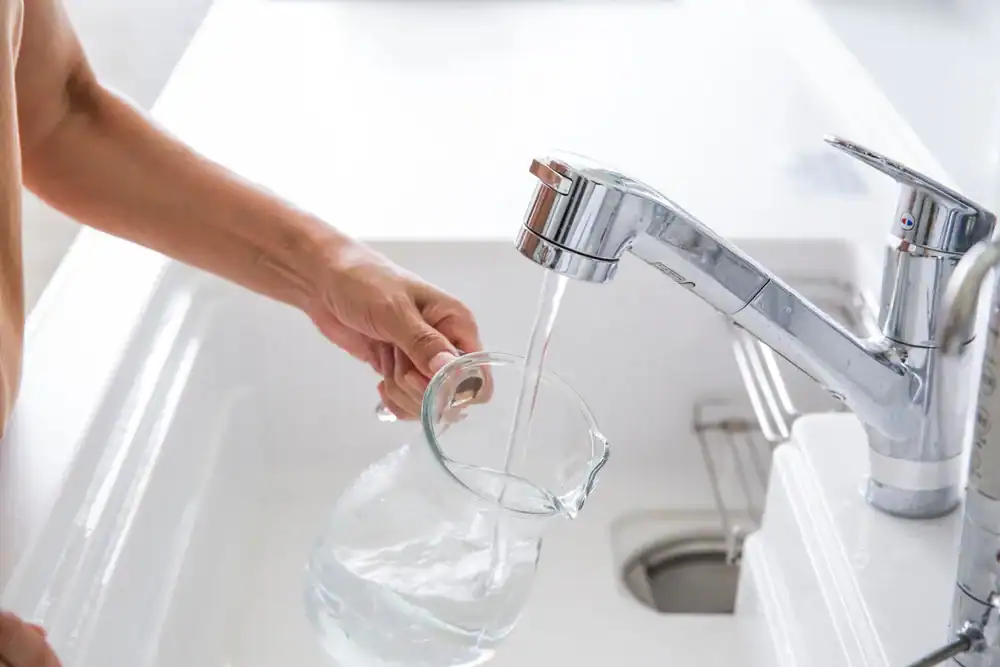
We start with professional water testing because guessing doesn’t work. You need to know exactly what’s in your water and how much of it before you can pick the right treatment. Iron levels, hydrogen sulfide concentration, bacteria presence, hardness, pH—all of it matters.
Once we know what we’re dealing with, we recommend a system. For most Fort Caroline wells with iron and sulfur issues, that means a multi-stage approach. Air injection oxidation systems inject oxygen into your water, turning dissolved iron into solid rust particles that get filtered out. They’re chemical-free and highly effective for Florida’s iron-heavy groundwater.
If you’ve got hydrogen sulfide, we might use hydrogen peroxide injection combined with catalytic carbon filtration. The peroxide oxidizes the sulfur compounds, and the carbon removes them along with any taste or odor. For bacteria, we add disinfection into the treatment chain—usually UV or another oxidation stage depending on what testing shows.
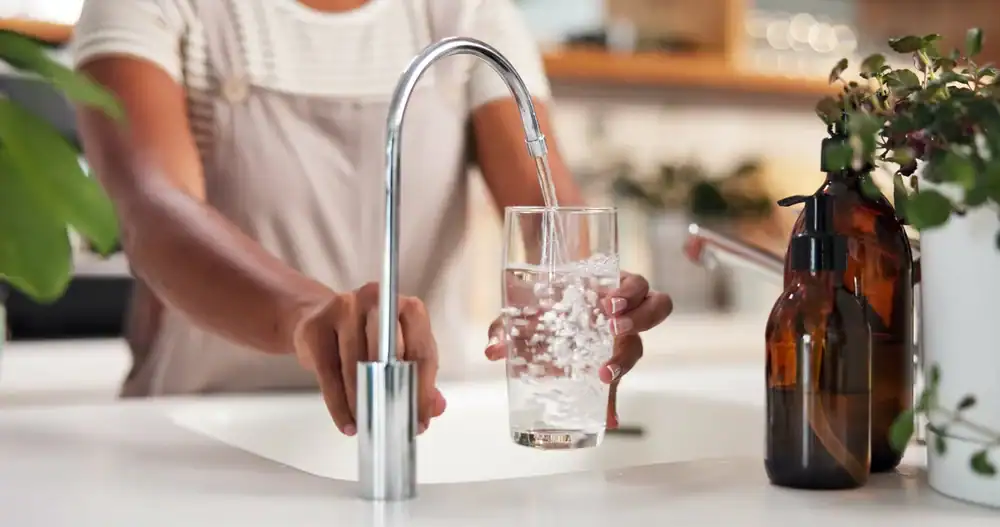
Installation takes a day or two depending on your setup. After that, you’ve got clean water from every faucet, shower, and appliance in your house. We handle the whole thing, and we service what we install.
Ready to get started?
A whole-house well water filtration system treats water at the point it enters your home. That means every tap, every toilet, every appliance gets filtered water. You’re not just fixing the drinking water—you’re protecting your water heater, washing machine, dishwasher, and all your plumbing from the damage that iron and sulfur cause over time.
Iron removal systems in Fort Caroline typically combine oxidation with filtration. The oxidation step converts dissolved iron into particles. The filtration step removes those particles before they can stain anything or build up in your pipes. Most systems we install use either air injection or hydrogen peroxide injection depending on what else is in your water.
Hydrogen sulfide treatment works the same way—oxidize it, then filter it out. The rotten egg smell disappears completely. For well water bacteria disinfection, we add a stage that kills bacteria without adding chemicals to your drinking water. UV disinfection is common, but the exact approach depends on your water chemistry and bacterial load.
Florida wells need Florida solutions. Our systems account for the higher temperatures, the specific mineral content, and the bacterial activity that’s unique to this region’s groundwater. You’re not getting a generic setup—you’re getting a system engineered for the water that actually comes out of your well.

If you’re seeing orange or brown stains on sinks, toilets, or laundry, that’s iron. If your water smells like rotten eggs, that’s hydrogen sulfide. If you’ve got slimy buildup in your toilet tank or notice a metallic taste, you likely have iron bacteria.
Professional testing is the only way to know for sure what’s in your water and at what levels. DIY test kits can give you a general idea, but they don’t provide the detail you need to choose the right treatment system. We test for iron, manganese, sulfur compounds, bacteria, hardness, pH, and anything else that affects treatment decisions.
Most Fort Caroline wells have at least one of these issues. Florida’s geology makes iron and sulfur extremely common, and the shallow water table increases the risk of bacterial contamination, especially during heavy rain seasons.
Both methods oxidize contaminants so they can be filtered out, but they work a little differently. Air injection systems are chemical-free. They inject oxygen into your water, which oxidizes dissolved iron and some sulfur compounds. The oxidized particles then get trapped in a filter media and backwashed out of the system.
Hydrogen peroxide injection adds a small amount of peroxide to the water, which is a stronger oxidizer. It handles higher levels of iron and sulfur, and it’s more effective against certain types of bacteria. The peroxide breaks down into water and oxygen, so there’s no chemical residue.
Which one you need depends on your water test results. If you’ve got moderate iron and low sulfur, air injection usually does the job. If you’re dealing with high hydrogen sulfide levels or iron bacteria, hydrogen peroxide injection gives you better results. We recommend based on what’s actually in your water, not what’s easiest to install.
Yes. Iron sediment is one of the biggest causes of premature water heater failure. It settles at the bottom of the tank, reduces efficiency, and accelerates corrosion. Water heaters exposed to high iron levels typically fail two to three years earlier than they should.
Washing machines, dishwashers, and ice makers also take a beating from untreated well water. Iron clogs valves and stains everything. Sulfur corrodes metal components. Bacteria creates biofilm that gums up moving parts.
A whole-house filtration system removes all of that before it reaches your appliances. You’ll extend the life of your equipment, reduce maintenance costs, and avoid the constant frustration of dealing with stains and buildup. The system pays for itself over time just in appliance protection alone—never mind the other benefits.
It depends on the type of system and what’s in your water, but most systems need basic maintenance once or twice a year. That usually means checking the filter media, cleaning or replacing pre-filters, and making sure the oxidation and backwash cycles are running correctly.
Air injection systems are low-maintenance. The air pump might need attention every few years, and the filter media eventually needs replacement, but that’s typically a 5-7 year interval. Hydrogen peroxide systems require peroxide refills—how often depends on your water usage and contamination levels, but most homeowners refill every few months.
We service everything we install, and we can also service systems installed by other companies. Regular maintenance keeps your system running efficiently and prevents small issues from turning into expensive repairs. Most of our Fort Caroline customers opt for an annual service visit to keep everything dialed in.
Technically, yes—but it’s not a great idea unless you really know what you’re doing. These systems require proper sizing, correct media selection, accurate plumbing, electrical connections for pumps and controllers, and precise calibration of oxidation and backwash cycles.
If any part of that gets done wrong, the system won’t work correctly. You’ll either under-treat the water and still have problems, or you’ll over-treat and waste money on media, chemicals, and water during backwash cycles. Worse, an improperly installed system can cause pressure issues or even damage your plumbing.
Professional installation ensures everything is sized right for your home’s water usage, your well’s flow rate, and the specific contaminants in your water. We also handle permits if needed, test the system after installation, and make sure you understand how to operate and maintain it. The upfront cost difference between DIY and professional installation is small compared to the cost of fixing a system that was never set up correctly in the first place.
Please provide your email address so that we can stay in touch and answer any questions you have! We will be reaching back out shortly.
"*" indicates required fields