Reach Out Today
Please provide your email address so that we can stay in touch and answer any questions you have! We will be reaching back out shortly.

Hear from Our Customers
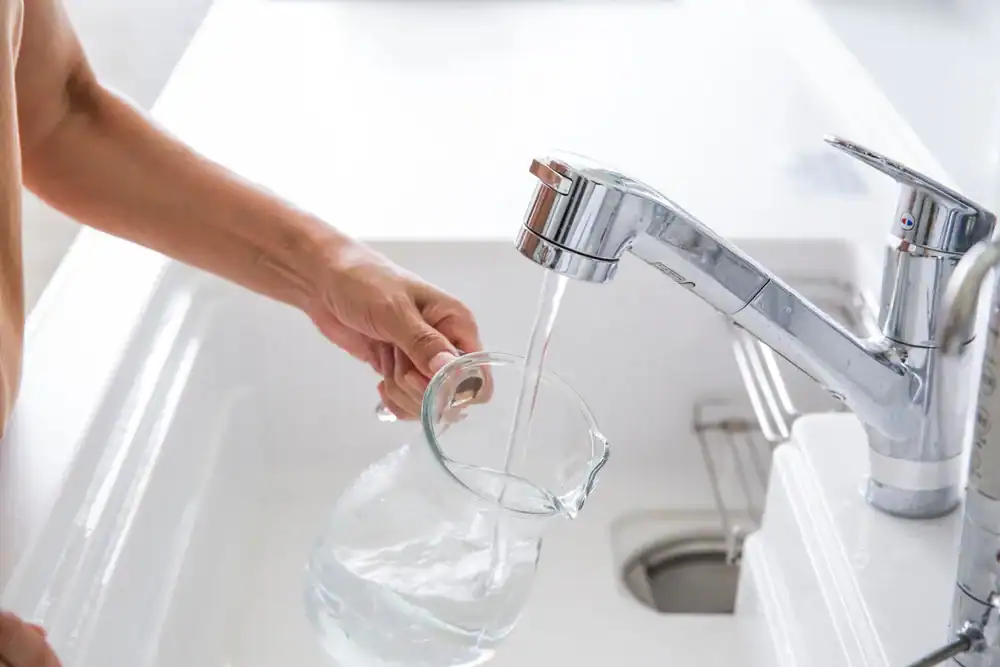
Your water should be clear when it comes out of the tap. It shouldn’t leave rust stains on your sinks or toilets. It definitely shouldn’t smell like sulfur when you turn on the shower.
If you’re dealing with any of these problems in Fairfield, it’s not just annoying—it’s costing you money. Iron destroys appliances. Sulfur bacteria create buildup that corrodes pipes. And if you’ve got iron bacteria, that slimy rust-colored film in your toilet tank, you’re looking at a problem that gets worse the longer you wait.
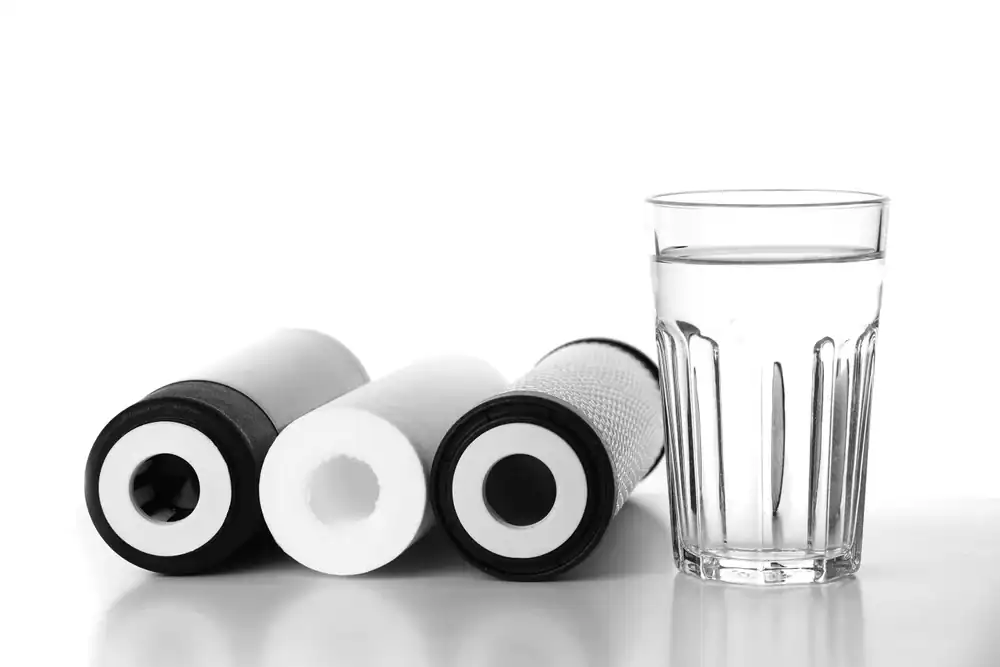
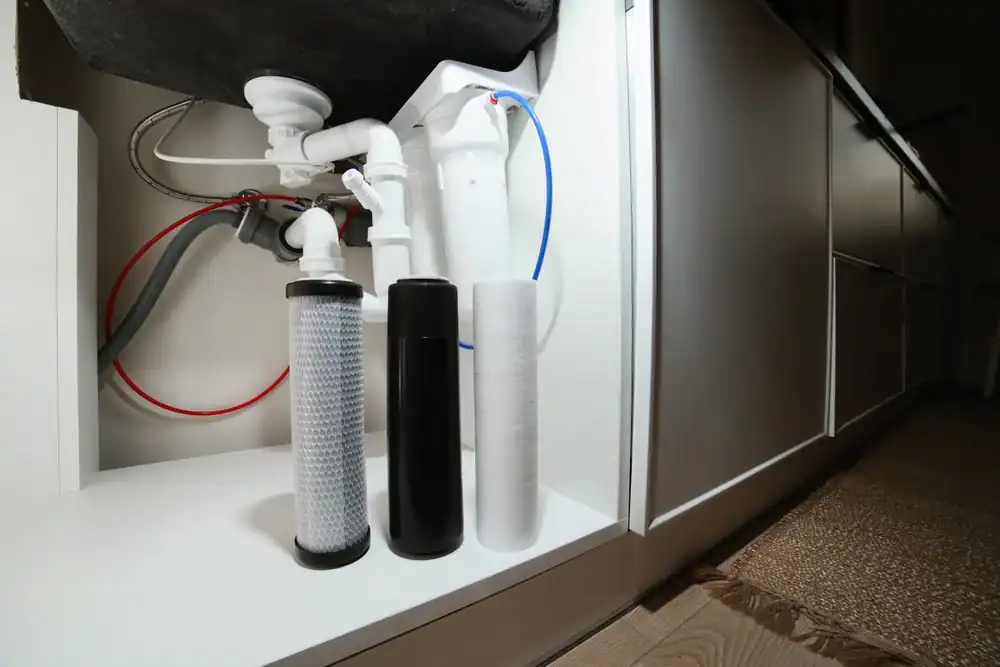
The right well water filtration system removes iron, sulfur, and bacteria before they reach your faucets. That means no more staining, no more odors, and no more wondering if your water is safe. Your appliances last longer. Your plumbing stays clear. And you stop wasting money on bottled water or replacing water heaters years before you should have to.
We have an A+ Better Business Bureau rating and a 5-star customer rating with zero complaints. That’s not common in this industry. We’re members of the National Water Quality Association, and our team has over 50 years of combined experience treating Florida well water.
We focus exclusively on water treatment—no plumbing, no water heaters, just filtration and purification systems. That specialization matters when you’re dealing with Lake County’s limestone geology and the sulfur, iron, and bacteria problems that come with it. We’ve seen every variation of Florida well water issues, and we know which systems actually work long-term versus which ones just move the problem around.
We start with a free water analysis at your Fairfield home. This isn’t a basic test—we’re checking for iron levels, sulfur content, bacteria presence, pH, hardness, and anything else that affects which system will actually solve your problem.
Once we know what’s in your water, we recommend a specific system. If you’ve got high iron and sulfur, that’s usually a hydrogen peroxide injection system with automatic backwashing. If it’s primarily iron with some hardness, an air injection oxidation system might be the better fit. For bacteria, we need a disinfection component that kills the bacteria, not just filters out the iron.
Installation typically takes a day. We install the system on your main water line so it treats all the water coming into your house. After installation, we test the water again to confirm everything’s working correctly. You’ll see the difference immediately—clear water, no smell, no staining.
Ready to get started?
Your whole house well water filtration system includes everything needed to remove iron, sulfur, and bacteria from your Fairfield water supply. The main components are the oxidation system (either hydrogen peroxide injection or air injection), the filter tank with automatic backwashing, and the control valve that manages the cleaning cycles.
Hydrogen peroxide systems work better for Lake County water because they handle high iron levels and kill sulfur bacteria at the same time. The peroxide oxidizes the iron so it can be filtered out, and it disinfects as it goes. These systems are more powerful than basic air injection when you’re dealing with multiple contaminants.
Air injection oxidation systems are simpler and work well if your main issue is iron without significant bacteria. They use oxygen to convert dissolved iron into particles that get trapped in the filter media. The system backwashes automatically to clean itself, usually every few days depending on your water usage and iron levels.
Both systems include bypass valves, pressure gauges, and everything needed for proper operation. We also set up the backwash cycle based on your specific water conditions—not a generic factory setting that might not match what your water actually needs.

That smell is hydrogen sulfide gas, and it’s extremely common in Lake County because of our limestone geology. Sulfur-reducing bacteria live in oxygen-poor environments like groundwater aquifers. They break down sulfur compounds in the limestone and produce hydrogen sulfide as a byproduct.
The gas dissolves in your well water and stays there until you turn on a faucet. When the water hits the air, you smell it. It’s worse in hot water because heat releases more of the gas, which is why your shower smells stronger than your cold tap.
The bacteria thrive in Florida’s warm groundwater, and they’re not going anywhere on their own. You need a well water treatment system that either oxidizes the hydrogen sulfide so it can be filtered out, or removes it through aeration. Hydrogen peroxide injection systems handle this well because the peroxide reacts with the sulfide and neutralizes it while also killing the bacteria producing it.
Not reliably, and it might make things worse. Water softeners can handle tiny amounts of dissolved iron—maybe 0.3 parts per million. Most Fairfield well water has much more than that. When you run high-iron water through a softener, the iron fouls the resin bed and reduces the softener’s effectiveness.
If you have iron bacteria on top of regular iron, a softener creates a perfect environment for the bacteria to multiply. The resin bed gives them a surface to attach to, and they’ll form that slimy biofilm inside your softener tank. Now you’ve got an expensive bacteria incubator instead of a functioning water softener.
You need to remove the iron before it reaches the softener. That means installing an iron removal system—either hydrogen peroxide injection or air injection oxidation—upstream from your softener. The iron removal system takes out the iron and bacteria. Then, if you need softening for hardness, the softener can do its job without getting destroyed by iron.
Check your toilet tank. If you see a rust-colored slime or a rainbow-colored sheen on the water surface, that’s iron bacteria. It looks different from regular iron staining—it’s slimy and sometimes has an oily appearance. You might also notice it in your well casing or on the inside of your pipes if you’ve had plumbing work done recently.
Iron bacteria aren’t harmful to drink, but they create conditions for other harmful bacteria to grow. They form a biofilm that protects more dangerous bacteria from chlorine and other disinfectants. The biofilm also corrodes pipes, restricts water flow, and causes that distinctive musty or swampy smell that’s different from sulfur’s rotten egg odor.
If you catch iron bacteria early, shock chlorination every six months might keep it under control. But if it’s established in your system, you need a more aggressive approach. Hydrogen peroxide injection systems work because peroxide is a stronger oxidizer than chlorine. It breaks down the biofilm and kills the bacteria continuously, not just during occasional shock treatments.
Hydrogen peroxide injection is more powerful and handles multiple problems at once. The system injects a diluted peroxide solution into your water line before it reaches the filter tank. Peroxide oxidizes iron and manganese, neutralizes hydrogen sulfide, and kills bacteria. If you’ve got high iron levels plus sulfur and bacteria—which is common in Lake County—peroxide systems are usually the right choice.
Air injection oxidation is simpler and works well for iron removal when bacteria isn’t a major issue. The system injects compressed air into the water, and the oxygen converts dissolved iron into solid particles. Those particles get trapped in the filter media during backwashing. Air injection systems cost less to operate because you’re not buying peroxide, but they don’t disinfect and they’re less effective against sulfur.
The decision comes down to what’s actually in your water. If your free water analysis shows iron bacteria or high sulfur content along with iron, you need the peroxide system. If it’s primarily an iron problem with minimal bacteria and sulfur, air injection might be sufficient. That’s why testing matters—you don’t want to install a system that only solves half your problem.
The system backwashes itself automatically—usually every three to seven days depending on your water usage and iron levels. You don’t do anything for that. It happens on its own, typically at night when you’re not using water. The backwash cycle reverses the water flow through the filter tank to flush out the accumulated iron and clean the filter media.
For hydrogen peroxide systems, you’ll need to refill the peroxide solution tank every few months. How often depends on your water usage and how much iron you’re removing. Most homeowners refill it two to four times per year. The system has a gauge that shows you when it’s getting low.
Beyond that, you should have the system inspected annually. We check the control valve settings, test your water to make sure the system’s still performing correctly, and inspect the tank and connections. If you have a pre-filter, that might need replacement every year or two. The main filter media typically lasts five to seven years before it needs to be replaced, depending on your water conditions and how well the system’s maintained.
Please provide your email address so that we can stay in touch and answer any questions you have! We will be reaching back out shortly.
"*" indicates required fields