Reach Out Today
Please provide your email address so that we can stay in touch and answer any questions you have! We will be reaching back out shortly.

Hear from Our Customers
The rotten egg smell disappears. Your toilets and sinks stop turning orange. Laundry comes out clean instead of stained.
Your water heater lasts longer because it’s not fighting corrosion from hydrogen sulfide. Your plumbing stops breaking down at the joints. You’re not replacing fixtures every few years or scrubbing rust stains off everything.
Guests don’t smell sulfur when they walk in. You’re not embarrassed to offer someone a glass of water. Your home feels like what you paid for it to be.
That’s what happens when you treat the actual problem instead of masking it with bottled water and bleach. The whole house runs on clean water, and you stop thinking about it every time you turn on a faucet.
We focus on one thing: whole-house water treatment for homes in Lake County and surrounding areas. No plumbing side jobs. No water heaters. Just filtration, purification, and softening systems designed for Florida’s unique groundwater challenges.
We’re A-rated with the Better Business Bureau, hold a 5-star rating with zero complaints, and we’re members of the National Water Quality Association. That’s not marketing talk—it’s a track record you can verify.
Elkton sits on top of Florida’s limestone aquifer system, which means your well water is pulling from the same geological formations that create sulfur bacteria, iron contamination, and seasonal bacterial issues across the region. We’ve been treating these exact problems for homeowners in your area long enough to know what works and what’s a waste of money.
We start with water testing. Not a generic test—a Florida-specific analysis that identifies iron levels, hydrogen sulfide concentration, bacterial contamination, hardness, and pH. You need to know what’s actually in your water before you can treat it correctly.
Once we know what we’re dealing with, we recommend a system that matches your specific contamination profile. That might mean hydrogen peroxide injection for sulfur bacteria, air injection oxidation for iron removal, or a combination approach for homes dealing with multiple issues. We don’t sell you more than you need, and we don’t cut corners on what you do.
Installation connects the treatment system to your main water line so every faucet, shower, and appliance gets filtered water. We handle the setup, test the system under load, and walk you through basic maintenance. Then we stay available for service calls, filter changes, and any adjustments down the road.
You’re not stuck with a system nobody services. We installed it, we maintain it, and we’ll be here when you need us.
Ready to get started?
Every well water filtration system we install is engineered for Florida’s climate and geology. Higher temperatures accelerate bacterial growth. Limestone aquifers dissolve sulfur compounds and minerals. Seasonal rains raise the water table and increase contamination risk. Your system has to account for all of that, or it won’t hold up.
We use air injection oxidation and hydrogen peroxide injection methods depending on what your water test reveals. These approaches eliminate iron bacteria and sulfur bacteria at the source instead of just filtering out the byproducts. That means you’re treating the cause, not chasing symptoms with constant filter replacements.
Whole-house coverage protects your appliances, plumbing, and fixtures from the corrosive effects of hydrogen sulfide and iron. Your water heater’s anode rod doesn’t corrode prematurely. Your washing machine doesn’t clog with rust-colored sludge. Your pipes don’t develop pinhole leaks at the joints.
Lake County homeowners deal with some of the most aggressive well water issues in Florida. The same aquifer that gives you abundant groundwater also creates perfect conditions for bacterial contamination and mineral buildup. A system designed for city water or northern climates won’t cut it here. You need something built for this specific problem.

You’ll notice the signs before you see a test result. Rotten egg smell when you run the tap. Orange or brown staining on your sinks, toilets, and laundry. A metallic taste in your drinking water. Black or green stains on copper fixtures.
Those are the obvious indicators of hydrogen sulfide, iron bacteria, and sulfur bacteria—the most common contaminants in Elkton’s well water. But some problems don’t announce themselves with smells or stains. Coliform bacteria and other health hazards can be present without any noticeable change to your water’s appearance or odor.
That’s why we recommend annual water testing for every well owner in Lake County. Florida’s Department of Health specifically calls out bacterial contamination as a serious concern in this region, especially during rainy season when the shallow water table makes wells more vulnerable. A professional test tells you exactly what’s in your water and whether you’re dealing with a nuisance issue or a health risk.
Iron and sulfur bacteria are different organisms that require different treatment approaches, even though they often show up together in Florida wells. Iron bacteria feed on iron and manganese, creating rust-colored slime that clogs pipes and stains everything it touches. Sulfur bacteria produce hydrogen sulfide gas, which is what causes that rotten egg smell.
Air injection oxidation works well for iron removal. It introduces oxygen into your water, which oxidizes dissolved iron and allows it to be filtered out before it reaches your faucets. For hydrogen sulfide treatment, we typically use hydrogen peroxide injection, which eliminates sulfur bacteria and neutralizes the gas that creates the odor.
Some wells have both problems, which means you need a system that addresses iron and sulfur bacteria simultaneously. That’s where professional water testing becomes critical—you can’t guess at the right treatment method. A system designed for iron won’t necessarily handle sulfur, and vice versa. We test first, then build a solution that matches what’s actually contaminating your water.
Yes, and that’s one of the biggest financial benefits of treating your well water correctly. Hydrogen sulfide is corrosive—it eats through copper and brass plumbing, accelerates the breakdown of your water heater’s anode rod, and creates pinhole leaks at pipe joints. Iron bacteria form acidic zones inside your plumbing that cause localized corrosion, especially in areas where water sits stagnant.
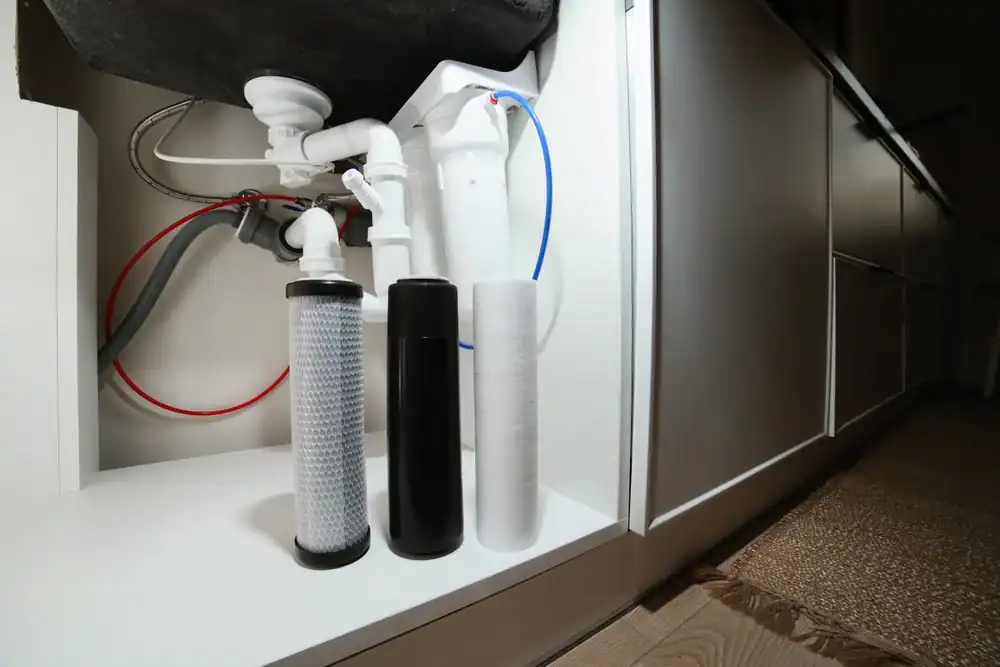
A whole house water filter treats the water before it enters your plumbing system, which means your pipes, water heater, washing machine, and dishwasher all run on clean water. That extends the life of every component and prevents the kind of expensive damage that sneaks up on you over years of exposure.
Replacing a water heater costs significantly more than installing a proper filtration system. Same goes for re-piping a house or replacing a washing machine that’s clogged with iron sludge. The longer you wait to address contaminated well water, the more damage accumulates in places you can’t see until something fails. Treatment is cheaper than replacement, and it’s a lot less disruptive than emergency repairs.
That depends on your contamination levels and the type of system you have installed. Most whole-house systems need a filter change every six to twelve months, but heavily contaminated wells might require more frequent service. We’ll give you a maintenance schedule based on your specific water test results and system design.
Hydrogen peroxide injection systems need periodic refills of the peroxide solution, usually every few months depending on your water usage. Air injection oxidation systems require less frequent maintenance, but the media bed eventually needs replacement after several years of use.
The key difference between our approach and what you’ll get from national companies is that we actually show up for service calls. We installed your system, we know how it’s configured, and we’re local enough to respond when you need us. You’re not calling a 1-800 number and waiting weeks for someone to drive in from another region. We’re here in Lake County, and we service what we sell. That’s not a small thing when your water system needs attention.
You need someone who knows what they’re doing, and here’s why: Florida’s well water problems aren’t one-size-fits-all. Two homes on the same street can have completely different contamination profiles depending on well depth, local geology, and seasonal water table changes. A system that works for your neighbor might not address what’s in your water.
Professional installation also ensures the system is properly sized for your household’s water usage and correctly integrated with your existing plumbing. Undersized systems can’t keep up with demand during peak usage times. Incorrectly installed systems create pressure issues, bypass contaminated water, or fail prematurely because they’re fighting conditions they weren’t designed to handle.
We’re members of the National Water Quality Association specifically because proper training and certification matter in this industry. Water treatment isn’t just about connecting pipes—it’s about understanding chemistry, flow rates, bacterial growth patterns, and regional contamination trends. A DIY approach might save money upfront, but it usually costs more in the long run when the system doesn’t solve the problem or breaks down because it was never configured correctly for Florida’s unique challenges.
Please provide your email address so that we can stay in touch and answer any questions you have! We will be reaching back out shortly.
"*" indicates required fields