Reach Out Today
Please provide your email address so that we can stay in touch and answer any questions you have! We will be reaching back out shortly.

Hear from Our Customers
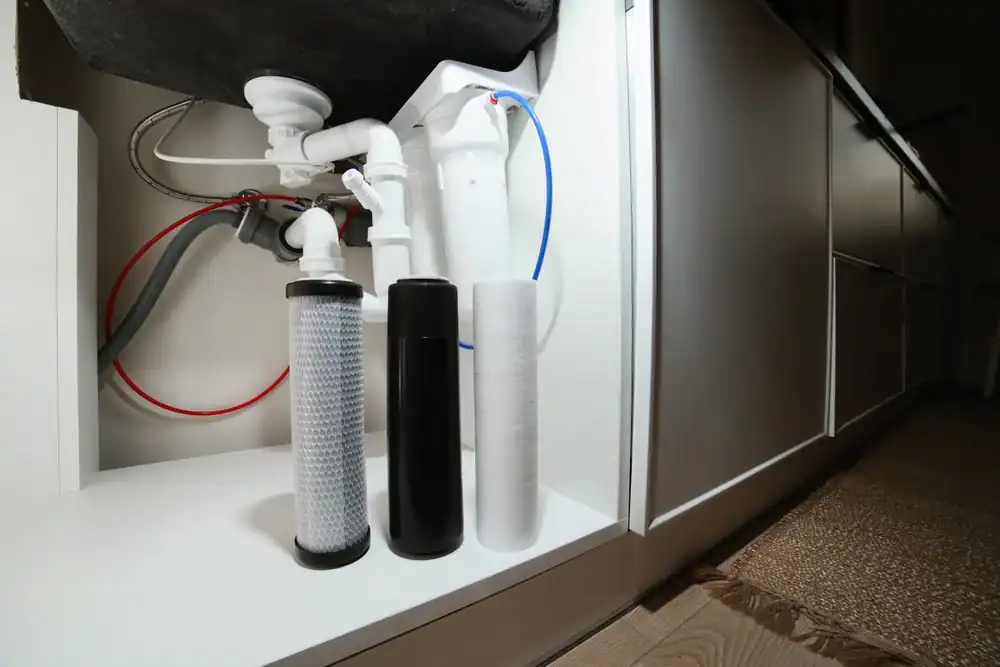
No more orange rings around your toilet. No more embarrassing sulfur smell when someone turns on the faucet. No more wondering if that rusty buildup is slowly destroying your water heater.
When your well water filtration system actually works, you notice it everywhere. Your whites stay white in the wash. Your coffee tastes like coffee, not minerals. Your shower doesn’t leave that film on the glass doors.
The difference isn’t subtle. You’ll see it in your fixtures, taste it in your drinking water, and smell it the moment you walk through the door. Or rather, you won’t smell anything at all.
Most homeowners in Edgewood deal with iron, sulfur, or bacteria in their well water because of the limestone aquifer underneath Central Florida. The same geological formation that gives us abundant groundwater also dissolves minerals and creates perfect conditions for iron bacteria to thrive. That’s not going away. But the problems it causes can.
We have an A-rating with the Better Business Bureau, five stars, and zero complaints. We’re members of the National Water Quality Association, and we’ve spent over 50 years solving the exact water problems you’re dealing with right now in Edgewood.
We don’t do plumbing. We don’t install water heaters. We focus entirely on water purification, softening, and filtration because that’s where we can deliver the most value.
Every system we install starts with a free water analysis at your home. We test your water, look at your current setup, and design a solution based on what’s actually in your water and how much your household uses. One size doesn’t fit all, especially not with well water in Central Florida.
We also offer a $500 discount for military members and first responders, because some things matter more than profit margins.
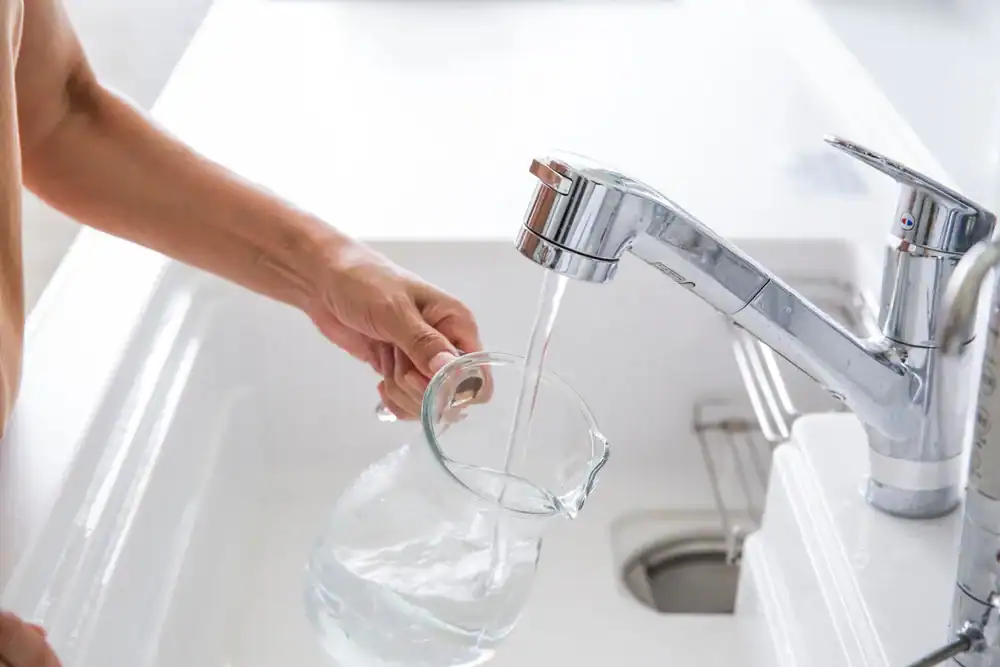
First, we test your water. Not with strips or guesses, but with a real analysis that tells us exactly what’s in there and at what levels. Iron, sulfur, bacteria, manganese, pH, hardness—all of it matters when we’re designing your system.
Once we know what we’re dealing with, we design a filtration system specifically for your home. If you’ve got iron bacteria creating that rusty slime, we might use hydrogen peroxide injection combined with filtration. Hydrogen peroxide attacks the iron and bacteria fast, then breaks down into just water and oxygen. No leftover chemicals, no weird aftertaste.
For sulfur issues—that rotten egg smell—air injection oxidation works extremely well. It pulls oxygen into the water, converts the hydrogen sulfide gas into solid particles, then filters them out. The smell disappears completely.
If bacteria is the main concern, we install UV disinfection systems that kill waterborne organisms as water flows through. It’s the same technology hospitals use, just scaled for residential applications.
After installation, the system runs automatically. You’re not adding chemicals or adjusting settings every week. And if something ever needs attention, we service everything we install. We also service systems from other companies, because we know not everyone does that.

Ready to get started?
A complete well water filtration system handles everything before water reaches your fixtures, appliances, or taps. That means every shower, every load of laundry, every glass of water benefits from treatment.
Depending on what’s in your water, your system might include iron removal through oxidation and filtration, sulfur elimination using air injection, bacteria disinfection with UV light, or a combination of all three. We also offer salt-free water conditioning that prevents scale buildup without adding sodium to your water.
In Edgewood and the surrounding Lake County area, iron bacteria is one of the most common issues we see. It’s not just the orange stains—it’s the slimy buildup that clogs pipes, corrodes fittings, and can make a well system useless in just a few months if conditions are right. Iron bacteria oxidizes dissolved iron and creates rust-colored sludge that accumulates in your well casing, pipes, and appliances.
The longer you wait to address it, the more damage piles up. Replacing a water heater or washing machine costs significantly more than installing a filtration system that prevents the problem in the first place.
Most systems we install fall between $800 and $3,000 depending on your home’s needs and the level of filtration required. We don’t push the most expensive option. We recommend what actually solves your problem.

That’s hydrogen sulfide gas, and it’s one of the most common complaints from well owners in Lake County. The smell is unmistakable and embarrassing, especially when you have guests over.
Hydrogen sulfide forms when sulfur bacteria break down organic material in groundwater or when sulfur from limestone deposits dissolves into your water. Central Florida sits on top of a limestone aquifer system, which is why sulfur issues are so prevalent here.
The good news is that it’s fixable. Air injection oxidation systems are extremely effective at eliminating sulfur odors. The system injects air into your water, which converts the hydrogen sulfide gas into solid sulfur particles. Those particles get filtered out, and the smell disappears completely. You won’t smell it in your water, on your skin after a shower, or anywhere else in your home.
You’ll see it. Iron bacteria creates a rusty, slimy buildup in your toilet tanks, on fixtures, and sometimes in the well itself. It looks like rust-colored snot, and it has a distinctive swampy or musty odor.
If you see orange or reddish-brown staining that keeps coming back even after you clean it, that’s usually iron or iron bacteria. The bacteria oxidizes dissolved iron in your water and turns it into that sludge. Over time, it builds up in pipes, clogs systems, and can corrode plumbing—especially at joints where water sits.
Iron bacteria grows fast when conditions are favorable. It can clog an entire well system in just a few months. The bacteria also creates micro-zones of high acidity inside your plumbing, which accelerates corrosion in areas that hold stagnant water.
Testing your water tells us exactly what we’re dealing with. From there, we can design a treatment system that eliminates both the iron and the bacteria—usually with hydrogen peroxide injection combined with filtration.
Not effectively. Water softeners are designed to remove hardness minerals like calcium and magnesium through ion exchange. They’re not built to handle iron, sulfur, or bacteria.
Some softeners claim they can handle small amounts of dissolved iron, but if you’ve got iron bacteria or hydrogen sulfide in your water, a softener won’t solve it. In fact, iron can foul the resin in a softener and reduce its effectiveness over time.
You need a dedicated filtration system designed specifically for iron removal or sulfur treatment. Air injection oxidation works well for both iron and sulfur. Hydrogen peroxide injection is one of the best methods for eliminating iron bacteria because it attacks the bacteria and oxidizes the iron rapidly, then breaks down into just water and oxygen.
If you also have hard water, we can combine a filtration system with a softener or use a salt-free conditioner that prevents scale without adding sodium. But the filtration has to come first.
It depends on the type of system and what’s in your water, but most systems need minimal maintenance once they’re installed and running properly.
If you have a hydrogen peroxide injection system, you’ll need to refill the peroxide tank periodically—usually every few months depending on your water usage. It’s a simple process, and we show you how to do it.
UV disinfection systems need a bulb replacement about once a year. The bulb loses effectiveness over time even if it still looks like it’s working, so annual replacement ensures you’re getting full bacteria protection.
Filters need to be changed based on your water quality and usage. Some need replacement every six months, others last longer. We give you a maintenance schedule when we install your system so you know exactly what to expect.
We also offer service plans if you’d rather have us handle everything. And if something ever goes wrong, we service all the systems we install—plus systems from other companies.
Yes. Well water can contain bacteria like E. coli, coliform bacteria, and other pathogens that cause illness. Unlike city water, private wells aren’t regulated or tested regularly, so you’re responsible for making sure your water is safe.
Iron bacteria itself isn’t harmful to drink, but it creates conditions where other harmful bacteria can thrive. And if you’re seeing signs of iron bacteria—the slime, the staining, the smell—there’s a good chance other contaminants are present too.
About 15 percent of Americans get their water from private wells. That’s more than 43 million people who don’t benefit from the treatment and testing that city water receives. In Florida, about 20 percent of residents rely on well water, and many don’t test it regularly.
UV disinfection systems kill bacteria, viruses, and other waterborne organisms as water flows through. It’s the same technology used in hospitals and municipal water plants. Combined with proper filtration for iron and sulfur, it gives you comprehensive protection for your entire home.
If you haven’t had your well water tested recently, that’s the first step. We offer free water analysis, and it tells us exactly what treatment your water needs.
Please provide your email address so that we can stay in touch and answer any questions you have! We will be reaching back out shortly.
"*" indicates required fields