Reach Out Today
Please provide your email address so that we can stay in touch and answer any questions you have! We will be reaching back out shortly.

Hear from Our Customers
The orange rings around your toilet disappear. The rotten egg smell that hits you in the shower stops showing up. Your white laundry comes out white, not rust-stained.
That’s what happens when you treat the source of the problem instead of masking it. Iron removal systems pull out the minerals causing the stains. Hydrogen sulfide treatment eliminates the sulfur bacteria creating that smell. Well water bacteria disinfection kills the microorganisms you don’t want in your drinking water.
You stop buying bottled water by the case. Your water heater lasts longer because it’s not corroding from the inside. Your fixtures stay clean without constant scrubbing. And you actually trust what’s coming out of your tap.
We have an A+ Better Business Bureau rating with zero complaints. We’re members of the National Water Quality Association. And we’ve been solving well water problems across Florida since before most of our competitors existed.
Durbin homeowners deal with specific challenges—high iron content from the aquifer, sulfur bacteria thriving in Florida’s warm groundwater, and limestone geology that makes contamination more likely. We’ve seen it all, tested it all, and fixed it all.
We’re not a national franchise that sells systems and disappears. We’re local, we service what we install, and we actually answer the phone when something needs attention.
First, we test your water. Not a basic test—a real analysis that tells us what’s actually in there and at what levels. Iron, sulfur, bacteria, hardness, pH. You can’t fix what you don’t measure.
Then we design a system based on your results and your household’s water usage. Some homes need air injection oxidation to remove iron. Others need hydrogen peroxide injection for bacteria disinfection. Many need both, plus sulfur treatment. One size doesn’t fit all, and we don’t pretend it does.
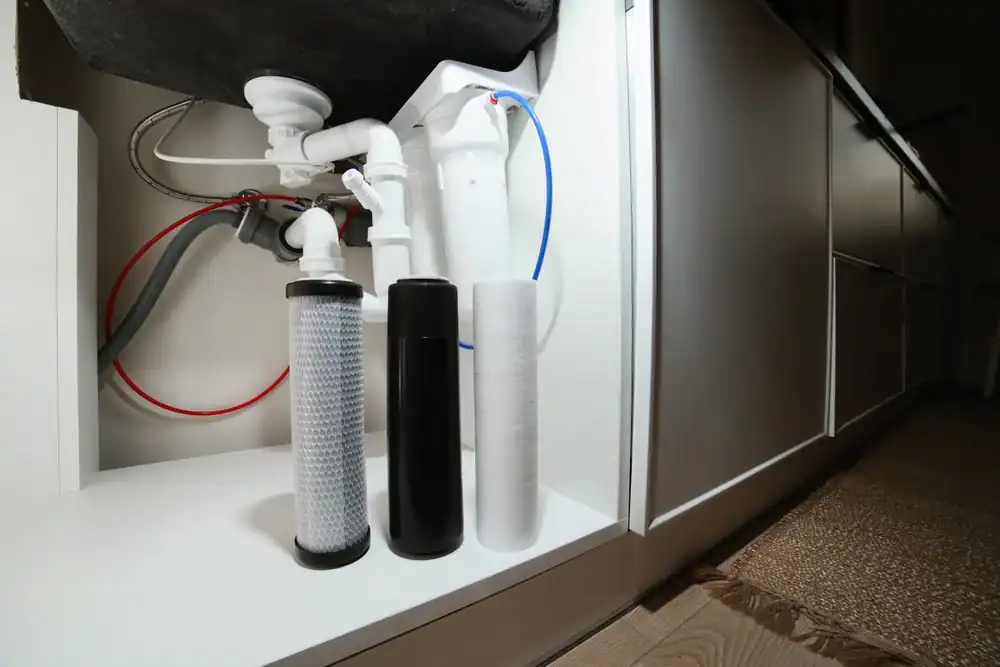
Installation happens at your main water line, so every faucet, shower, and appliance gets treated water. We’re talking whole-house protection, not just a filter under one sink. The system works automatically—you don’t have to think about it.
After installation, we walk you through basic maintenance and stay available if anything comes up. We service all brands, not just what we sell.
Ready to get started?
You get a custom-designed filtration system based on your water test results. If you have iron bacteria building rust-colored sludge in your pipes, we install iron removal systems that oxidize and filter it out before it reaches your fixtures. If hydrogen sulfide is creating that rotten egg smell, we use air injection oxidation or hydrogen peroxide injection to eliminate the sulfur bacteria at the source.
In Durbin, FL, most well water issues come from the same geological factors—porous limestone, high water tables, and sulfur-rich aquifers. Florida’s warm groundwater creates ideal conditions for bacteria growth. Our systems are designed specifically for these conditions, not generic problems.
You also get free water analysis before we recommend anything. We’re members of the National Water Quality Association, which means we follow industry standards for testing and treatment. And if you’re military or a first responder, you get $500 off—because that matters to us.
The goal isn’t just clean water. It’s protecting your appliances from corrosion, your plumbing from bacterial buildup, and your family from contaminants you can’t see or smell.

Hydrogen sulfide gas creates that rotten egg smell, and it forms when sulfur-reducing bacteria break down sulfates in your groundwater. Florida’s limestone geology provides abundant sulfur compounds, and the warm, oxygen-poor environment in your well is perfect for these bacteria to thrive.
The smell isn’t just unpleasant—it’s a sign that sulfur bacteria are actively growing in your water system. Hydrogen sulfide is also corrosive. It eats away at copper and brass fixtures, stains sinks and tubs, and accelerates the breakdown of your water heater and plumbing.
Chlorine or other temporary treatments might mask the smell for a while, but the bacteria keep growing back. Real treatment means either air injection oxidation, which introduces oxygen to kill the bacteria, or hydrogen peroxide injection, which disinfects the water and eliminates the sulfur at the source. Both methods treat the whole house at the point where water enters your home.
Iron removal systems use oxidation to convert dissolved iron in your water into solid particles that can be filtered out. The most common method is air injection oxidation—air gets mixed with your water, which oxidizes the iron and causes it to precipitate. Then a filter catches those particles before water reaches your faucets and appliances.
Some systems use hydrogen peroxide injection instead of air, especially when you’re also dealing with bacteria. Peroxide oxidizes iron and disinfects at the same time. Either way, the goal is to remove iron before it stains your toilets, sinks, laundry, and dishes.
Iron bacteria is a separate issue. It’s not harmful to drink, but it builds rust-colored sludge in your well casing, pipes, and appliances. It also creates conditions for more harmful bacteria to grow. If your water test shows iron bacteria, you need a system that both oxidizes the iron and disinfects the water—not just a basic filter.
Yes, if it’s designed to remove what’s actually damaging your appliances. Iron causes rust buildup in water heaters, dishwashers, and washing machines. Hydrogen sulfide corrodes metal components and shortens the life of your entire plumbing system. Hard water creates scale that clogs pipes and reduces efficiency.
A whole house filtration system treats water at the point of entry, before it reaches any fixture or appliance. That means your water heater isn’t constantly fighting corrosion. Your dishwasher isn’t leaving orange spots on glasses. Your washing machine isn’t staining clothes.
The key is getting the right system for your specific water problems. If you have high iron and sulfur, you need oxidation and filtration. If you have bacteria, you need disinfection. If you have hardness, you might need a softener in addition to filtration. A water test tells you exactly what you’re dealing with, and the system gets designed around those results—not around what’s easiest to sell.
It depends on the type of system and your water quality, but most systems need basic maintenance every six to twelve months. Air injection systems require occasional filter changes and tank cleaning. Hydrogen peroxide systems need peroxide refills. Any system with a filter media will eventually need that media replaced.
The good news is that maintenance is straightforward. You’re not dealing with complicated repairs or constant service calls. Most of it involves checking pressure, replacing filters, and making sure the system is regenerating properly. We walk you through what to watch for during installation.
The bigger issue is choosing a company that actually services what they sell. Some national companies install systems and then make it nearly impossible to get help when something needs attention. We service all brands of water treatment equipment—not just what we install. If you call, we answer. If something stops working right, we come out and fix it. That’s the difference between working with a local company and a franchise that moves on to the next sale.
You can shock your well with chlorine to temporarily kill bacteria, but it’s not a long-term solution for ongoing water quality problems. Chlorine kills bacteria on contact, but it doesn’t remove iron, sulfur, or the conditions that let bacteria grow back. Within weeks or months, you’re dealing with the same smells and stains.
Chlorine also doesn’t address iron bacteria, which builds biofilm inside your pipes and well casing. That biofilm protects bacteria from chlorine, so even shock treatments don’t fully eliminate it. You end up in a cycle of treating, waiting for the problem to return, and treating again.
A well water filtration system treats water continuously as it enters your home. Air injection oxidation or hydrogen peroxide injection kills bacteria and removes iron and sulfur at the same time. You’re not adding chemicals to your drinking water—you’re using oxidation and filtration to clean it. The result is water you can trust every day, not just for a few weeks after treatment.
Please provide your email address so that we can stay in touch and answer any questions you have! We will be reaching back out shortly.
"*" indicates required fields