Reach Out Today
Please provide your email address so that we can stay in touch and answer any questions you have! We will be reaching back out shortly.

Hear from Our Customers
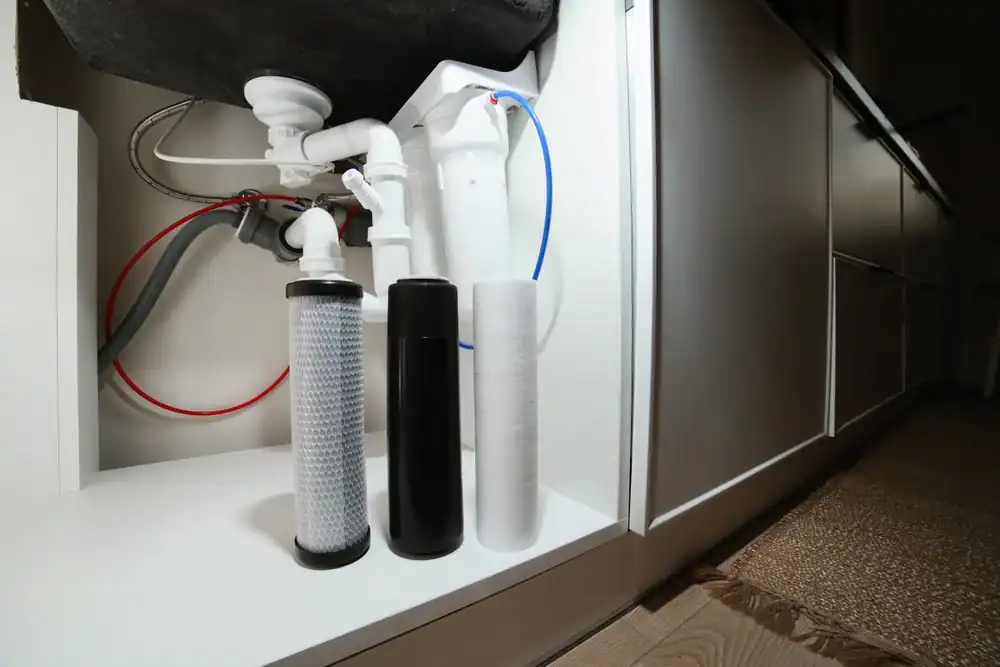
Your water should come out clear. It shouldn’t leave orange streaks on your toilets or make your bathroom smell like rotten eggs when guests come over. Your appliances shouldn’t be dying early because of mineral buildup, and you shouldn’t be second-guessing whether it’s safe for your kids to drink.
That’s what proper well water filtration gets you. No more scrubbing stains that reappear the next day. No more embarrassment when someone uses your guest bathroom. No more replacing water heaters years before you should have to.
Florida’s geology loads our groundwater with iron, sulfur, and bacteria. Roughly 68% of wells in nearby counties test above safe iron levels. Hydrogen sulfide is even more common—formed when sulfur-reducing bacteria break down the sulfates in our limestone. If your water smells, stains, or leaves a metallic taste, you’re dealing with contamination that a basic softener won’t touch. You need a system designed around what’s actually wrong with your water, not a one-size-fits-all box from a big retailer.
Quality Safe Water of Florida focuses exclusively on whole-house water purification, softening, and filtration. We don’t do plumbing. We don’t install water heaters. We design, install, and service water treatment systems—and that’s it.
We’re A-rated by the Better Business Bureau with a 5-star rating and zero complaints. We’re members of the National Water Quality Association, which means our work meets national standards for water treatment. We’ve built our reputation in Central Florida by doing what we say we’ll do and staying available after the install.
Colonialtown South sits right in the heart of Orlando, where well water issues are common but often misdiagnosed. Homeowners here deal with the same iron, sulfur, and bacteria problems found throughout the region—but they also expect responsive service and systems that actually work long-term. That’s where we come in. We test first, design second, and install systems that match your water and your household, not some national average.
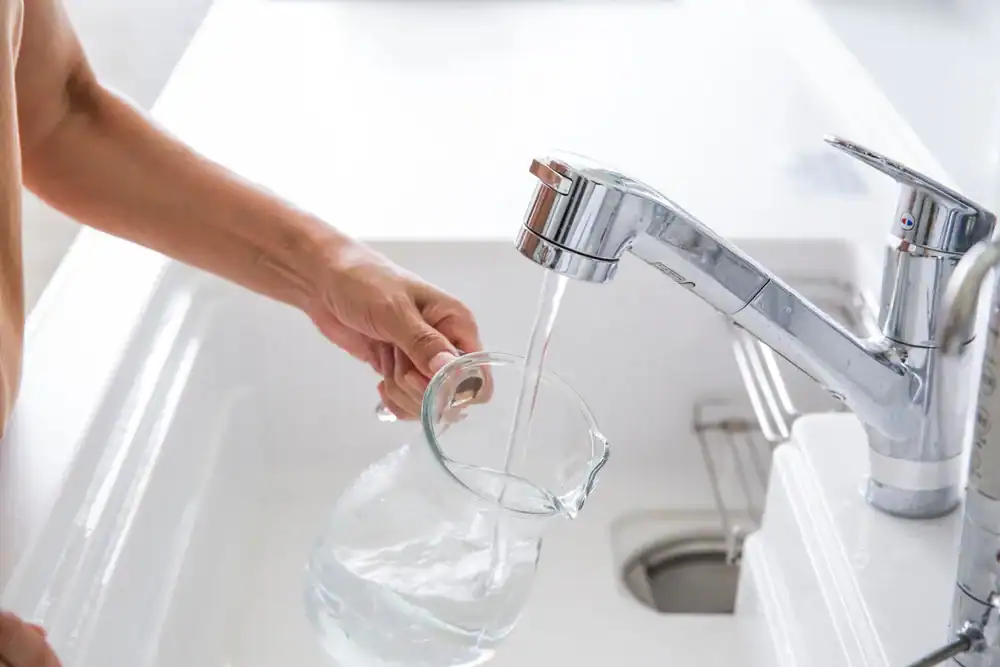
We start with a free in-home water analysis. Not a basic hardness test—a real analysis that tells us what’s in your water and how much of it. Iron, sulfur, bacteria, pH, hardness, total dissolved solids. You can’t design the right system without knowing what you’re solving for.
Once we know what’s contaminating your water, we design a custom treatment system. If you’ve got iron, we might use an air injection oxidation system that converts dissolved iron into particles, then filters them out—no chemicals, very little maintenance. If hydrogen sulfide is the issue, we may recommend hydrogen peroxide injection or a similar oxidizing treatment to neutralize the gas before it ever reaches your faucets. Bacteria gets handled with disinfection methods that kill it at the source and keep it from colonizing your plumbing.
Then we install the system at your point of entry—before water reaches any fixture, appliance, or tap in your home. Whole-house protection means every shower, every load of laundry, every glass of water benefits from treatment. After install, we walk you through how the system works, what maintenance looks like, and how to reach us if anything comes up. We service what we sell, and we’re local—so if you need us, we’re here.
Ready to get started?
Every system we install is designed around your water test results and your household’s daily usage. That means the sizing, filtration stages, and treatment methods are chosen specifically for your situation—not pulled off a shelf.
Most of our Colonialtown South clients dealing with well water need multi-stage treatment. Iron removal systems typically use air injection oxidation, which injects oxygen into the water to convert dissolved iron into solid particles that get filtered out. It’s chemical-free and nearly maintenance-free. For hydrogen sulfide, we often use hydrogen peroxide injection or catalytic carbon filtration, depending on concentration levels. Both methods neutralize the sulfur gas so your water stops smelling like rotten eggs.
If bacteria is present—especially iron bacteria, which creates that rusty slime in your toilet tanks—we add a disinfection stage using UV light or chlorination, depending on your water chemistry. Some systems need all three stages. Some need two. It depends entirely on what your water test shows.
Florida’s shallow water table and limestone geology make contamination more common here than in other states. During rainy season, bacterial contamination risk goes up. Iron and sulfur are year-round issues. The longer you wait to treat it, the more damage piles up in your appliances and plumbing. A water heater replacement costs more than a properly designed filtration system—and the filtration system prevents the replacement in the first place.

If your water smells like rotten eggs, leaves orange or brown stains, tastes metallic, or creates slimy buildup in your toilet tank, you’ve got contamination that needs treatment. Those are the most obvious signs.
But some contamination doesn’t announce itself that clearly. Bacteria can be present without a smell. High iron levels might not stain immediately but will shorten the life of your water heater and dishwasher. If you’re on well water in Central Florida and you’ve never tested it, that’s reason enough to get it analyzed.
We offer free in-home water testing because guessing doesn’t work. You need to know what’s in your water—and how much of it—before you can choose the right treatment. A softener won’t remove iron. A basic carbon filter won’t touch hydrogen sulfide. The system has to match the problem, and the problem has to be identified first.
A water softener removes hardness—calcium and magnesium—that causes scale buildup. It’s great for preventing crusty faucets and extending appliance life, but it doesn’t remove iron, sulfur, or bacteria.
A filtration system treats contamination. If your water smells, stains, or has a bad taste, you need filtration or oxidation treatment, not just softening. In many cases, you need both—a softener to handle hardness and a filtration system to handle everything else.
Florida well water is often both hard and contaminated. That’s why we design systems with multiple stages. We test your water, identify what’s causing the problems, and build a treatment plan that addresses all of it. Sometimes that’s a combination softener and iron filter. Sometimes it’s a multi-stage system with oxidation, filtration, and disinfection. It depends on your water, not ours.
Yes—if it’s designed to treat hydrogen sulfide. The rotten egg smell comes from hydrogen sulfide gas, which forms when sulfur-reducing bacteria break down sulfates in groundwater. Florida’s limestone geology is loaded with sulfur compounds, so this is one of the most common complaints we hear.
To remove it, we use oxidation methods like hydrogen peroxide injection or air injection, depending on concentration levels. These treatments convert the gas into a form that can be filtered out or neutralized before it reaches your taps. Some systems also use catalytic carbon filters, which are effective for lower sulfur levels.
The key is treating it at the point of entry—before water enters your home. That way, every faucet, shower, and appliance gets treated water. A basic carbon filter on your kitchen sink won’t solve a whole-house sulfur problem. You need a system that handles the contamination at the source, and that starts with knowing how much hydrogen sulfide is actually in your water.
It depends entirely on what’s in your water and what kind of system you need to treat it. A basic iron removal system costs less than a multi-stage setup that handles iron, sulfur, and bacteria. Sizing matters too—a household using 300 gallons a day needs a bigger system than one using 100.
We don’t give ballpark estimates without testing your water first, because the wrong system is a waste of money. If you install an undersized filter or one that doesn’t match your contamination type, it won’t work—and you’ll end up replacing it or adding to it later. That costs more in the long run than doing it right the first time.
What we can tell you is that a properly designed system pays for itself by protecting your appliances. Water heaters, dishwashers, and washing machines all fail faster when they’re processing contaminated or hard water. Scale buildup and iron accumulation reduce efficiency and shorten lifespan. Replacing a water heater costs more than installing a treatment system that prevents the damage in the first place. We also offer a $500 discount for military members and first responders.
Most of the systems we install are low-maintenance by design. Air injection oxidation systems, for example, are nearly maintenance-free—they use oxygen to treat iron, so there are no chemicals to refill. Hydrogen peroxide systems need occasional peroxide refills, but that’s typically once or twice a year depending on usage.
Filter cartridges need replacement on a schedule that depends on your water quality and household size. We’ll walk you through that during installation. Some systems have backwashing filters that clean themselves automatically, which cuts down on manual maintenance.
The most important thing is getting your water tested annually, especially if you’re on a well. Water chemistry can change—seasonal shifts, heavy rain, or changes in the aquifer can all affect contamination levels. If something changes and your system isn’t keeping up, we’ll catch it during a test and adjust the treatment. We service what we sell, and we’re local, so if you need us, you’re not waiting on a national call center to route a technician from two counties over.
Please provide your email address so that we can stay in touch and answer any questions you have! We will be reaching back out shortly.
"*" indicates required fields