Reach Out Today
Please provide your email address so that we can stay in touch and answer any questions you have! We will be reaching back out shortly.

Hear from Our Customers
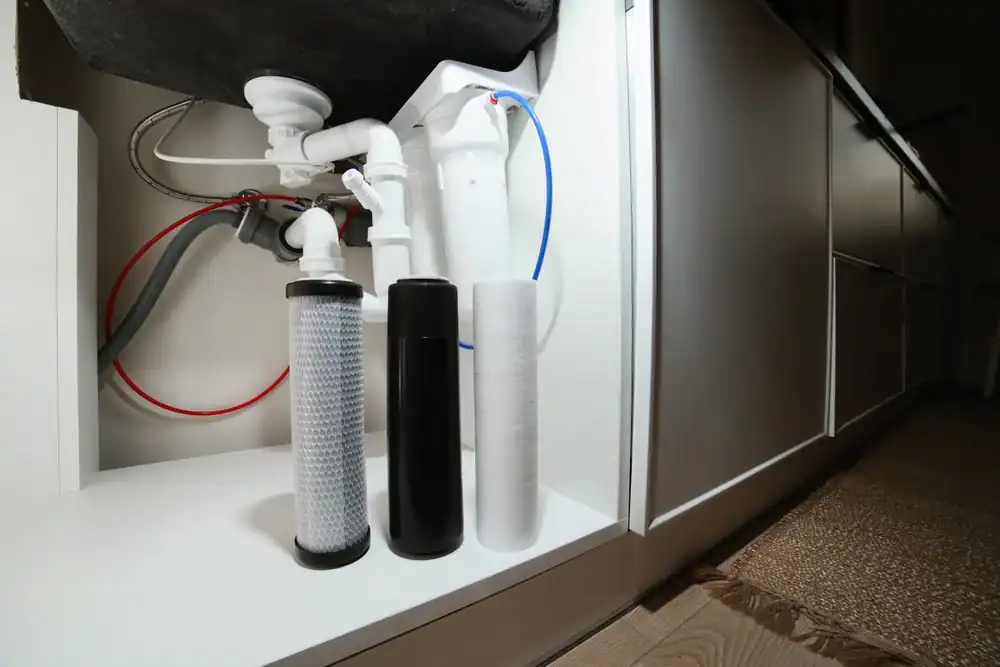
The orange ring around your toilet disappears. The rotten egg smell stops hitting you when guests come over. Your water heater lasts years longer instead of dying early from iron buildup.
That’s what proper well water filtration does. It removes the iron, hydrogen sulfide, and bacteria that Central Florida’s limestone geology loads into your water supply. Not with a one-size-fits-all filter you bought online, but with multi-stage treatment designed around what’s actually in your well.
Your appliances run cleaner. Your fixtures stay clear. You stop replacing things that shouldn’t have failed yet. And you’re not embarrassed when someone asks for a glass of water.
We’ve been treating well water in Central Florida since the 1970s. We’re A-rated with the Better Business Bureau, hold a 5-star rating with zero complaints, and we’re members of the National Water Quality Association.
We don’t do plumbing. We don’t install water heaters. We focus entirely on water treatment—testing it, understanding what’s wrong with it, and fixing it with systems that actually match the problem.
Chatmire sits in an area where well water commonly carries elevated iron, sulfur compounds from limestone deposits, and seasonal bacteria growth that gets worse in Florida’s heat. We’ve seen it hundreds of times. We know how to treat it.
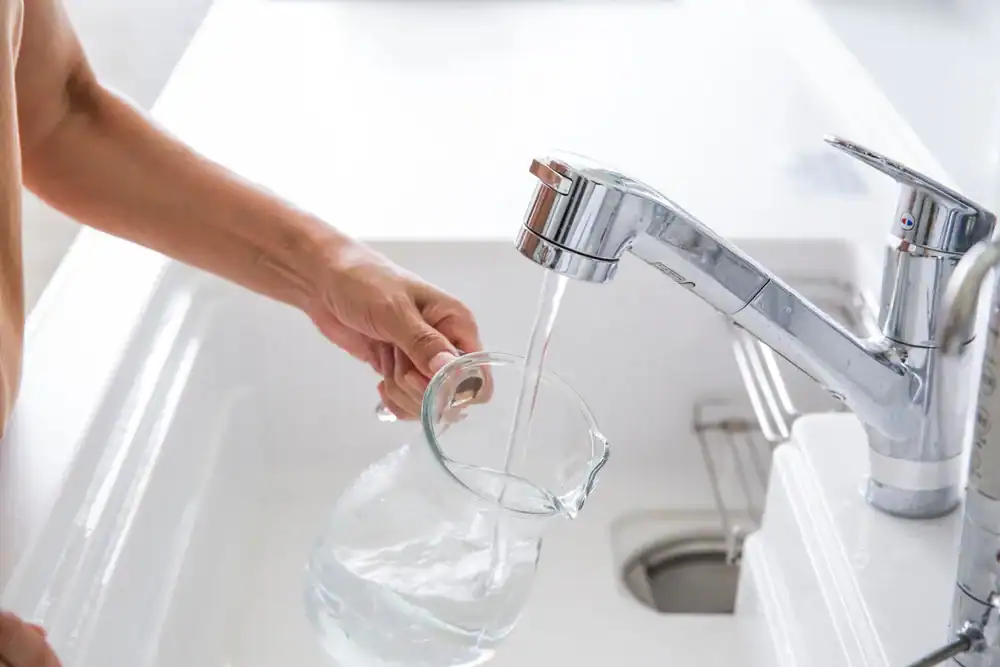
You can’t fix water problems without knowing what’s in the water. That’s why testing comes first—not a sales pitch, not a generic system recommendation.
We test for iron levels, hydrogen sulfide, bacteria, pH, hardness, and other contaminants common to wells in Chatmire and surrounding areas. Once we know what you’re dealing with, we design a treatment plan. For most well water issues in this area, that means a multi-stage approach.
Iron removal systems often use air injection oxidation—a chemical-free process that injects oxygen into your water to convert dissolved iron into particles, then filters those particles out. Hydrogen sulfide treatment works similarly, using oxidation through hydrogen peroxide injection or aeration to eliminate that sulfur smell. If bacteria is present, we add disinfection into the system.
After installation, the system runs automatically. You’re not adding chemicals or babysitting equipment. It just works.
Ready to get started?
A properly designed whole-house well water filtration system treats every drop of water entering your home. That means cleaner water at every faucet, shower, toilet, and appliance.
In Chatmire, where approximately 68% of wells contain iron above EPA secondary standards, iron removal systems are often the foundation. Air injection oxidation systems are popular here because they’re chemical-free and effective for moderate to high iron levels. For hydrogen sulfide, we use either hydrogen peroxide injection or aeration depending on concentration levels and your water chemistry.
Bacteria disinfection gets added when testing shows contamination—common in Florida’s warm climate where bacterial growth accelerates. These systems can include UV sterilization or chlorination with proper contact time and filtration.
You’ll also get a custom design based on your household’s water usage. A family of four uses water differently than a couple, and your system size needs to match that reality. We don’t sell you more than you need, and we don’t undersize equipment to save a few bucks and leave you with pressure problems.

For well water with iron, sulfur, and bacteria—the most common issues in this area—expect to spend between $3,000 and $6,000 for a properly designed multi-stage system. That’s not overpriced. It reflects what it actually takes to treat complex water problems correctly.
A single-stage filter won’t handle multiple contaminants. You need oxidation for iron and sulfur, filtration to remove the particles, and often disinfection for bacteria. Each stage has equipment costs, installation labor, and ongoing maintenance requirements.
Cheaper systems fail because they’re undersized, use lower-grade components, or try to do too much with too little. Then you’re replacing equipment early or still dealing with staining and odors. We offer financing with no money down if the upfront cost is a concern, and we provide a free trial period so you can see the results before fully committing.
Both methods oxidize dissolved iron so it can be filtered out, but they work differently. Air injection oxidation is chemical-free—it injects oxygen into your water, which converts dissolved iron into solid particles that get trapped in a filter media. It’s effective for iron levels up to about 10-15 ppm and works well when you also have hydrogen sulfide.
Hydrogen peroxide injection uses a small pump to add peroxide to your water. It oxidizes iron and sulfur faster than air alone, making it better for higher contamination levels or more complex water chemistry. You’ll need to refill a peroxide tank periodically, but it’s still low-maintenance.
Which one you need depends on your test results. If your iron is moderate and you want zero chemicals, air injection works great. If levels are high or you have stubborn sulfur bacteria, peroxide gives you stronger oxidation. We recommend based on what’s actually in your water, not what’s easier to sell.
You can’t always tell by looking or smelling, which is why testing matters. Some bacteria create obvious signs—slime in your toilet tank, a musty smell, or black staining from iron bacteria. But coliform bacteria and other harmful types don’t announce themselves.
Florida’s warm climate accelerates bacterial growth in well systems, especially during summer months. If your well has cracks, poor sealing, or sits in an area with surface water runoff, contamination risk goes up. New construction and agricultural activity in developing areas around Chatmire can also affect groundwater quality.
A proper bacteria test checks for total coliform and E. coli. If either shows up, you need disinfection as part of your treatment system. We can also test for iron bacteria if you’re seeing the telltale slime or reddish buildup. Don’t guess on this one—bacteria in drinking water has caused thousands of illnesses annually according to CDC data. Test it, then treat it if needed.
No. A water softener removes hardness minerals like calcium and magnesium through ion exchange. It’s not designed to remove iron, and it definitely won’t eliminate hydrogen sulfide or bacteria.
Some softeners claim they can handle small amounts of iron—usually under 0.3 ppm—but even that will foul the resin bed over time and reduce the softener’s effectiveness. If you have the iron levels common to wells in this area (often 1-5 ppm or higher), running that through a softener will wreck it.
You need oxidation and filtration before softening. That means an iron removal system using air injection or hydrogen peroxide to convert dissolved iron into particles, a filter to catch those particles, and then—if you also have hard water—a softener after that. Trying to skip steps or combine functions with the wrong equipment just means you’ll be replacing things sooner and still dealing with staining.
It depends on the system type and your water quality, but most well water treatment systems need attention once or twice a year. Air injection systems require periodic backwashing—which many models do automatically—and occasional media replacement every few years depending on iron levels.
If you have a hydrogen peroxide injection system, you’ll refill the peroxide tank every few months based on water usage. Sediment filters need changing every 3-6 months typically. UV systems, if you have bacteria disinfection, need annual bulb replacement.
We provide service for all water treatment brands, not just what we install. If something stops working correctly or you’re seeing staining come back, that’s usually a sign that media is exhausted or a component needs adjustment. Regular maintenance catches these things before they become bigger problems. We can set you up on a service schedule, or you can call when you notice changes. Either way, don’t ignore it—the longer you wait, the more damage accumulates in your plumbing and appliances.
Please provide your email address so that we can stay in touch and answer any questions you have! We will be reaching back out shortly.
"*" indicates required fields