Reach Out Today
Please provide your email address so that we can stay in touch and answer any questions you have! We will be reaching back out shortly.

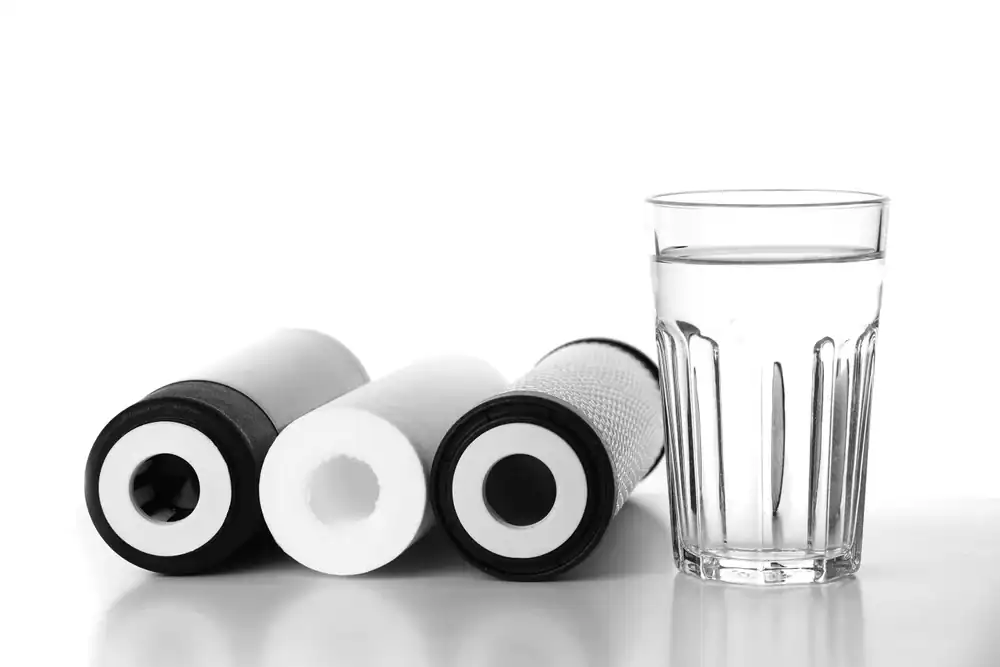
Hear from Our Customers
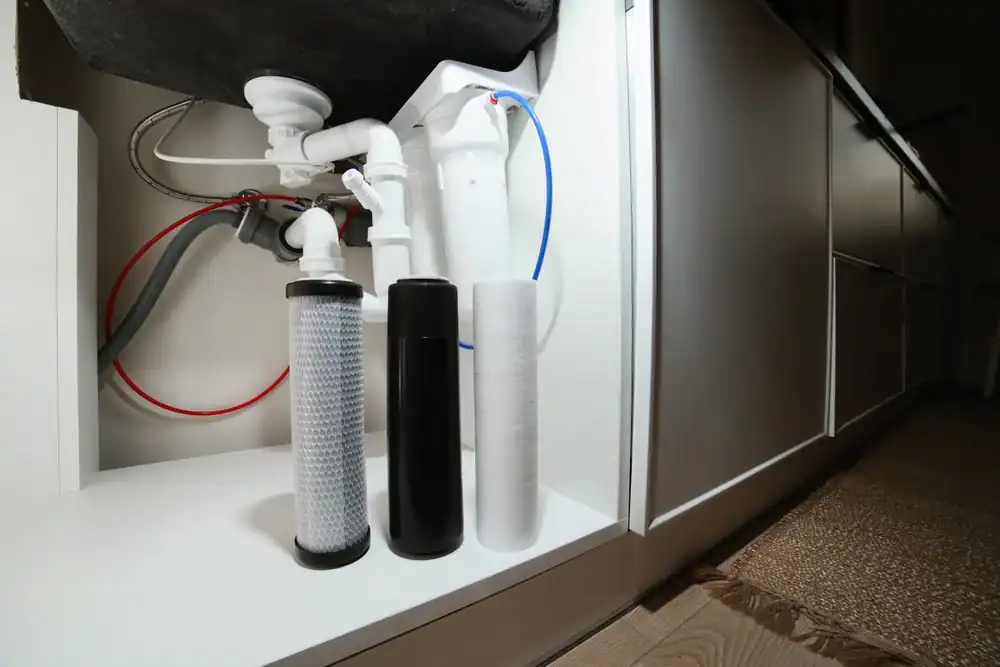
Your dishes come out of the dishwasher without orange streaks. Your toilets and sinks stay white instead of turning rust-colored after a few days. The rotten egg smell disappears completely when you turn on the tap.
That’s what happens when your well water gets treated at the point it enters your home. Every shower, every load of laundry, every glass of water—filtered before it reaches you.
Your appliances last longer because they’re not fighting mineral buildup. Your water heater doesn’t corrode from hydrogen sulfide. Your plumbing fixtures keep their finish. And when guests visit, there’s no embarrassing odor to explain away.
The water in Carver Shores comes from Florida’s aquifer system, which means it picks up iron, sulfur, and sometimes bacteria on its way to your well. You can’t see most of these contaminants until they’ve already stained your home or damaged your appliances. A whole-house system catches them before they become your problem.
We have an A rating with the Better Business Bureau and five stars with zero complaints. We’re members of the National Water Quality Association, which means we follow industry standards that most companies skip.
We don’t do plumbing. We don’t install water heaters. We specialize in whole-house water purification for Florida homeowners who need their well water fixed.
Carver Shores sits in an area where well water commonly tests high for iron and sulfur. The aquifer here has a thin soil layer and a high water table, which makes contamination more likely than in other parts of the state. Since 2005, Florida’s Well Surveillance Program has found over 4,400 wells with chemical concentrations above federal drinking water standards. If your well hasn’t been tested in the past year, you’re guessing about what’s in your water.
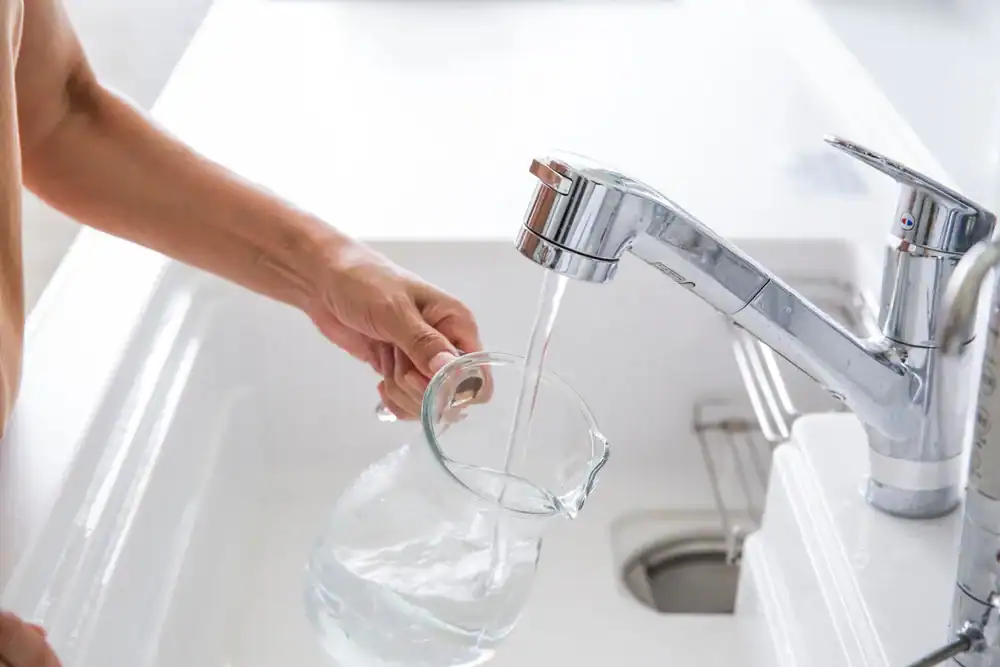
First, we test your water. Not a basic test—a comprehensive analysis that shows exactly what contaminants are present and at what levels. Iron, sulfur, bacteria, manganese, pH—we measure it all.
Then we design a system based on what your water actually needs. If you have high iron and sulfur, we typically use either hydrogen peroxide injection or air injection oxidation. Both methods convert dissolved contaminants into solid particles that get filtered out before the water reaches your home.
For bacteria and viruses, we add UV disinfection. The UV light neutralizes microorganisms without adding chemicals to your water. If you have hardness issues on top of everything else, we can integrate a softening stage into the same system.
Installation takes a day in most cases. We connect the system at your main water line so every drop of water gets treated. Once it’s running, the system operates automatically. You’re not adding chemicals or adjusting settings every week.
Maintenance is minimal. UV bulbs need replacing once a year. Filters get changed based on your water usage and contamination levels—usually every six to twelve months. We handle all of that if you want us to.
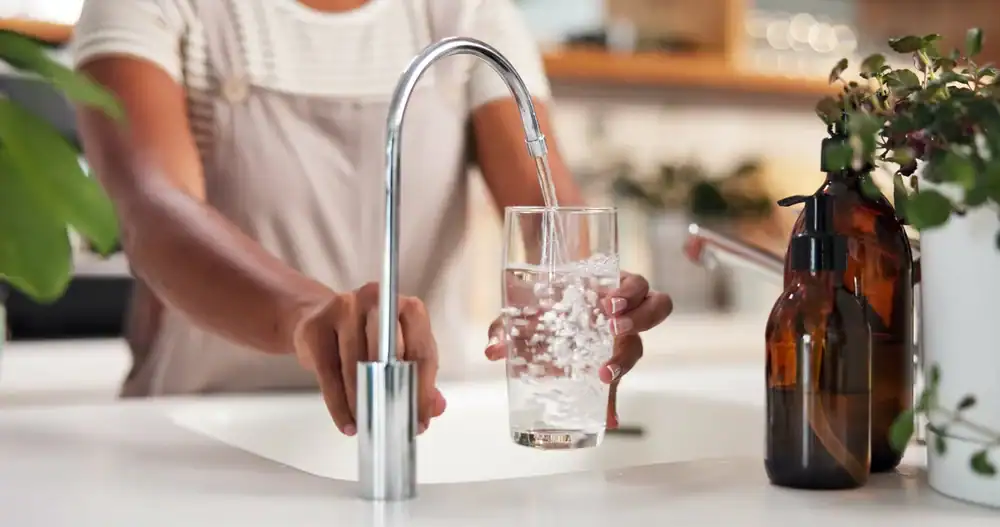
Ready to get started?
A complete well water filtration system treats every contaminant in your water, not just one or two. Most Carver Shores homes need iron removal, hydrogen sulfide treatment, and bacteria disinfection at minimum.
Iron removal systems use oxidation to convert dissolved iron into rust particles, then filter those particles out. We use either hydrogen peroxide injection or air injection oxidation depending on your iron levels and whether you also have sulfur. Hydrogen peroxide is more aggressive and handles high concentrations of both contaminants. Air injection works well for moderate iron without adding any chemicals.
Hydrogen sulfide—the rotten egg smell—requires oxidation too. Hydrogen peroxide reacts immediately with hydrogen sulfide and converts it to elemental sulfur that gets trapped in the filter. It also kills sulfur-reducing bacteria, which stops them from producing more hydrogen sulfide in your well.
For bacteria, we install UV disinfection. The UV light destroys bacteria and viruses as water passes through the chamber. It’s chemical-free and works on microorganisms that other methods miss.
In Carver Shores, many wells also have hardness problems. Hard water doesn’t stain like iron does, but it leaves scale buildup on fixtures and inside appliances. If your water is hard, we add a softening stage using catalytic carbon or a salt-based softener depending on what else is in your water.

If you see orange or brown stains on your sinks, toilets, or laundry, that’s iron. If your water smells like rotten eggs, that’s hydrogen sulfide. If you notice black slime in your toilet tank, that’s likely iron bacteria.
But some contaminants don’t announce themselves. Bacteria, nitrates, and certain chemicals have no taste, smell, or color. The Florida Department of Health recommends testing your well water at least once a year for bacteria and nitrates, and more often if you’re near agricultural areas or old gas stations.
Testing is the only way to know what’s actually in your water. We run a full analysis that measures iron, sulfur, bacteria, pH, hardness, manganese, and other common Florida well contaminants. Once we see the results, we know exactly what treatment your water needs.
Both methods oxidize dissolved contaminants so they can be filtered out, but they work differently. Hydrogen peroxide injection adds a small amount of hydrogen peroxide to your water before it enters the filter tank. The peroxide reacts with iron, sulfur, and manganese, converting them into solid particles. It’s aggressive, chemical-free after the reaction completes, and handles high contamination levels.
Air injection oxidation doesn’t use any chemicals. It injects air into the water, and the oxygen in that air oxidizes the contaminants. An air pocket sits at the top of the filter tank, and water passes through it before moving through the filter media. It works well for moderate iron levels and requires almost no maintenance.
We use hydrogen peroxide injection when you have high iron and sulfur together, or when bacteria is also present. We use air injection for straightforward iron problems without sulfur. Your water test results tell us which method fits your situation.
A filtration system alone won’t reliably remove bacteria. You need disinfection, and the most effective method for well water is UV light. A UV system installs after your filters and exposes the water to ultraviolet light that destroys bacteria, viruses, and other microorganisms.
UV disinfection is chemical-free and works instantly as water flows through the chamber. It doesn’t change the taste or smell of your water, and it doesn’t leave any residue. The UV bulb needs replacing once a year to maintain effectiveness.
If your well has tested positive for coliform bacteria or E. coli, UV disinfection is non-negotiable. Even if your water hasn’t tested positive, UV is smart insurance. Private wells aren’t regulated like public water systems, and contamination can happen anytime from surface runoff, a cracked well casing, or changes in the aquifer.
A whole-house well water filtration system typically runs between $3,000 and $8,000 depending on what contaminants need removing and how much water your household uses. If you only need iron removal, you’re on the lower end. If you need iron, sulfur, bacteria disinfection, and softening, you’re closer to the higher end.
That’s a one-time installation cost. After that, you’re looking at annual maintenance—UV bulb replacement, filter media changes, and occasional system checks. Most homeowners spend $200 to $400 per year on maintenance depending on their water quality and usage.
Compare that to the cost of replacing a water heater early because hydrogen sulfide corroded it, or replacing stained fixtures, or dealing with appliance breakdowns from mineral buildup. The system pays for itself over time through avoided repairs and longer appliance life. We also offer a $500 discount for military members and first responders.
It depends on what’s in your water and how much water you use. Filter media in an iron removal system typically lasts five to seven years before needing replacement. The media doesn’t clog like a cartridge filter—it’s catalytic, meaning it causes a chemical reaction that converts contaminants into particles that get flushed out during backwash cycles.
UV bulbs lose effectiveness after about a year of continuous use, even if they still look like they’re working. We replace those annually. If your system includes sediment pre-filters or carbon post-filters, those get changed every six to twelve months depending on your water quality.
We set up a maintenance schedule based on your specific system and water test results. Some customers prefer to handle filter changes themselves. Others want us to come out and take care of everything. Either way works—we just make sure it gets done on time so your system keeps performing.
Please provide your email address so that we can stay in touch and answer any questions you have! We will be reaching back out shortly.
"*" indicates required fields