Reach Out Today
Please provide your email address so that we can stay in touch and answer any questions you have! We will be reaching back out shortly.

Hear from Our Customers
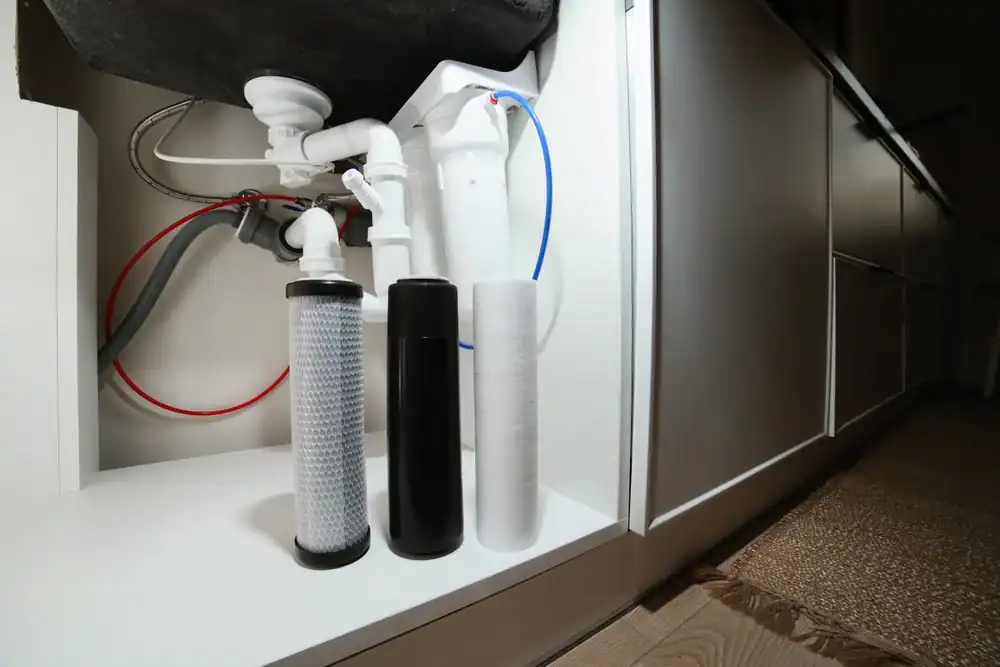
No more orange stains creeping across your sinks and toilets. No rotten egg smell hitting you when you turn on the shower. No wondering whether the water your family drinks and cooks with is actually safe.
That’s what happens when your well water filtration system is designed for the specific problems Brentwood homeowners face. Iron, sulfur, and bacteria aren’t just annoying—they’re damaging your plumbing, shortening the life of your water heater, and creating conditions where harmful bacteria can thrive.
A whole house water filter handles every drop before it reaches your taps. Your appliances last longer. Your water tastes clean. Your guests don’t smell anything when they walk in. And you stop second-guessing whether your water is safe enough for your kids to drink.
We have an A+ rating with the Better Business Bureau and zero complaints. That doesn’t happen by accident. It happens because we show up, install systems that actually work, and service what we sell.
We’re members of the National Water Quality Association, and we’ve been solving well water problems across Central Florida since the 1970s. Brentwood sits on the same limestone aquifer system that creates iron, sulfur, and bacteria issues throughout Lake County. We know this water. We know what works and what doesn’t.
We don’t do plumbing or water heaters. We do water treatment—whole house purification systems custom-designed based on your water test results and your family’s needs. That’s it.
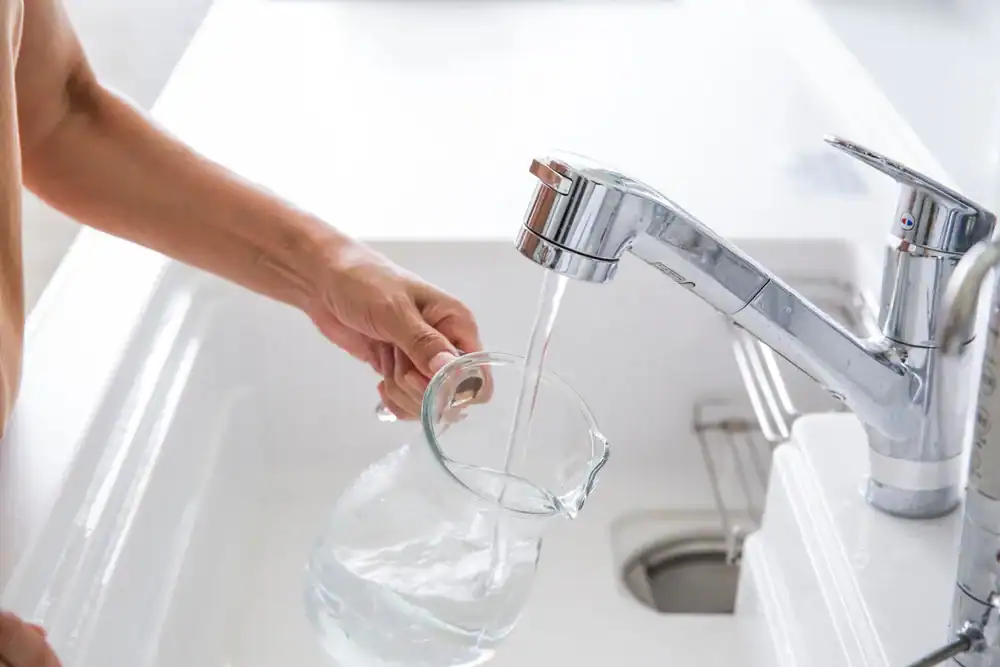
First, we test your water. Not a basic hardness test—a full analysis that tells us exactly what’s in your well. Iron levels, sulfur content, bacteria presence, pH balance, and anything else that matters.
Then we design a system based on those results. If you’ve got iron bacteria creating that rust-colored slime, we’re likely recommending an air injection oxidation system or hydrogen peroxide injection to oxidize the iron before it reaches your fixtures. If hydrogen sulfide is the issue, we’ll address the sulfur treatment with a system that removes the gas before it stinks up your house.
For bacteria disinfection, ultraviolet light kills waterborne organisms without adding chemicals. Everything gets installed at your point of entry, so every faucet, shower, and appliance gets filtered water.
After installation, we test again to confirm everything’s working. And when you need service down the road, we’re the ones who answer the phone. We don’t install and disappear.
Ready to get started?
Your well water filtration system is built around what your water test shows. Most Brentwood homes need iron removal systems to handle the rust staining that’s common in this area. That usually means oxidation—either through air injection or hydrogen peroxide—that converts dissolved iron into particles your filter can catch.
Sulfur treatment handles the hydrogen sulfide gas that causes that rotten egg smell. Left untreated, hydrogen sulfide corrodes copper and brass fixtures and eats away at your water heater’s anode rod. The right filtration system removes it before it damages anything.
If your test shows bacteria, we add UV disinfection. Ultraviolet light kills E. coli, coliform bacteria, and the iron bacteria that create sludge in your pipes. It’s chemical-free and highly effective.
Everything’s sized for your household’s water usage. We’re not selling you an oversized system you don’t need or an undersized one that can’t keep up. And if you’re military or a first responder, we offer a $500 discount.

If you’re seeing orange or red stains in your sinks, toilets, or tubs, that’s iron. If your water smells like rotten eggs, that’s hydrogen sulfide. If there’s a slimy buildup in your toilet tank or you’ve noticed reduced water pressure, that’s likely iron bacteria.
These aren’t cosmetic problems. Iron bacteria corrode pipes and create an environment where more harmful bacteria can grow. Hydrogen sulfide damages your plumbing fixtures and water heater. And if you’re on a private well in Brentwood, your water isn’t regulated—so you’re responsible for making sure it’s safe.
The only way to know for sure what’s in your water is to test it. We do a full analysis that identifies iron levels, sulfur content, bacteria, pH, and other contaminants. Once we know what you’re dealing with, we can recommend the right treatment.
Both methods oxidize dissolved iron so your filter can remove it, but they work differently. Air injection oxidation uses oxygen to convert iron into rust particles. It’s effective for moderate iron levels and doesn’t require chemicals or ongoing maintenance beyond standard filter changes.
Hydrogen peroxide injection is stronger. It handles higher iron concentrations and also kills iron bacteria, which air injection alone won’t do. If your water test shows bacterial iron or severe staining, hydrogen peroxide is usually the better choice.
The right system depends on your specific water chemistry. That’s why we test first—so we’re not guessing. Some homes need one, some need the other, and some need a combination approach depending on what else is in the water.
No. Water softeners are designed to remove hardness minerals like calcium and magnesium. They’re not built to handle iron, sulfur, or bacteria. If you try to use a softener for iron removal, you’ll clog the resin bed and damage the system.
Iron needs to be oxidized and filtered out before it reaches a softener. Sulfur needs to be treated with a system designed for hydrogen sulfide removal. Bacteria requires UV disinfection or chemical treatment. These are separate problems that require separate solutions.
In many cases, you’ll need both—a whole house filtration system to remove contaminants, followed by a softener if you also have hard water. The filtration happens first to protect the softener and give you clean, soft water throughout your home.
It depends on the type of system and your water conditions. Most systems need a filter change once or twice a year. If you have a hydrogen peroxide injection system, you’ll need to refill the peroxide tank every few months depending on your water usage.
UV bulbs lose effectiveness over time, so they should be replaced annually even if they’re still glowing. The quartz sleeve that protects the bulb needs cleaning periodically to make sure the UV light can penetrate the water.
We recommend annual water testing to make sure your system is still handling everything it should. Water chemistry can change, especially after heavy rains or if there’s been work done on your well. Regular testing catches problems before they become expensive.
There’s no one-size-fits-all answer because every system is custom-designed. A basic iron filter costs less than a multi-stage system that handles iron, sulfur, and bacteria. The size of your household matters too—a system for a family of two uses different equipment than one for a family of six.
What we can tell you is that the cost of not treating your water adds up fast. Replacing a water heater every five years instead of every twelve costs more than a filtration system. Same with replacing corroded fixtures, repairing clogged pipes, and buying bottled water because your tap water isn’t drinkable.
We provide a detailed quote after we test your water and understand your needs. No surprises, no pressure. And if you’re military or a first responder, we take $500 off. The investment protects your home, your health, and your appliances.
Please provide your email address so that we can stay in touch and answer any questions you have! We will be reaching back out shortly.
"*" indicates required fields