Reach Out Today
Please provide your email address so that we can stay in touch and answer any questions you have! We will be reaching back out shortly.

Hear from Our Customers
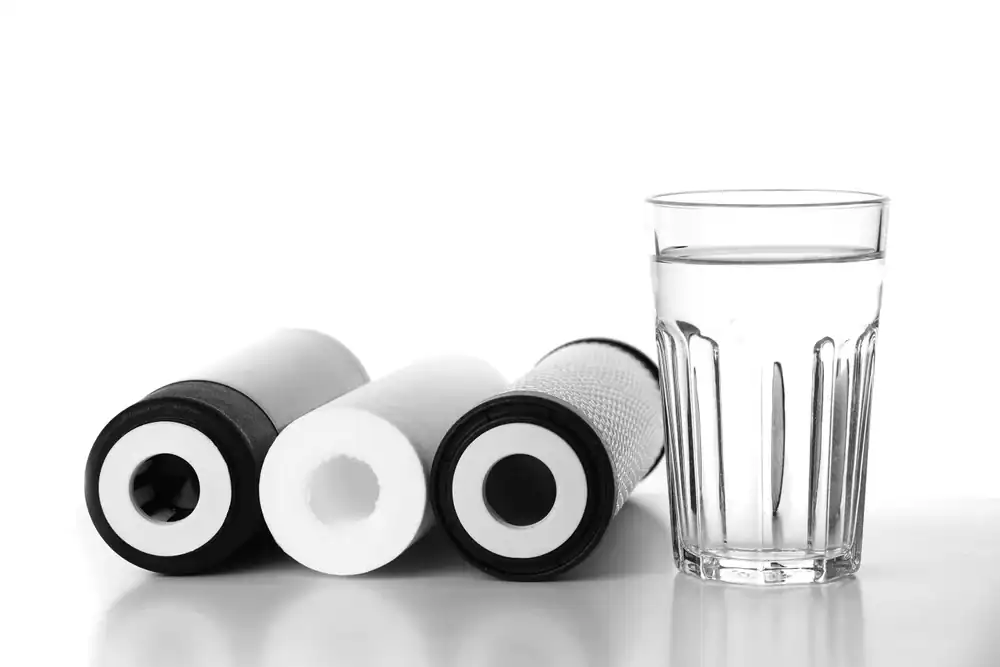
Your water stops smelling like rotten eggs. The orange stains on your sinks and toilets disappear. Your coffee tastes normal again, and you’re not embarrassed when someone asks for a glass of water.
You’re also protecting the appliances you’ve already paid for. Hard water and iron destroy water heaters, dishwashers, and washing machines from the inside out. A whole-house filtration system stops that damage before it starts, which means fewer repair calls and longer equipment life.
And if you’ve been buying bottled water for years because you don’t trust what’s in your well, that expense ends. You’ll have clean water at every faucet, and you won’t think twice about filling a glass from the tap. That’s what a properly installed system does—it removes the worry and the workarounds.
We specialize in whole-house water purification for private well owners in Baymeadows, FL and surrounding areas. We’re members of the National Water Quality Association, and we hold an A+ Better Business Bureau rating with a five-star review average and zero complaints.
That matters because this industry has plenty of companies that sell systems and disappear when something goes wrong. We’re not one of them. We install systems we stand behind, and we service what we sell.
We also support the people who serve our community. If you’re military or a first responder, you’ll get $500 off your system. And we’re active supporters of the Tunnels to Towers Foundation, because we believe in giving back locally.
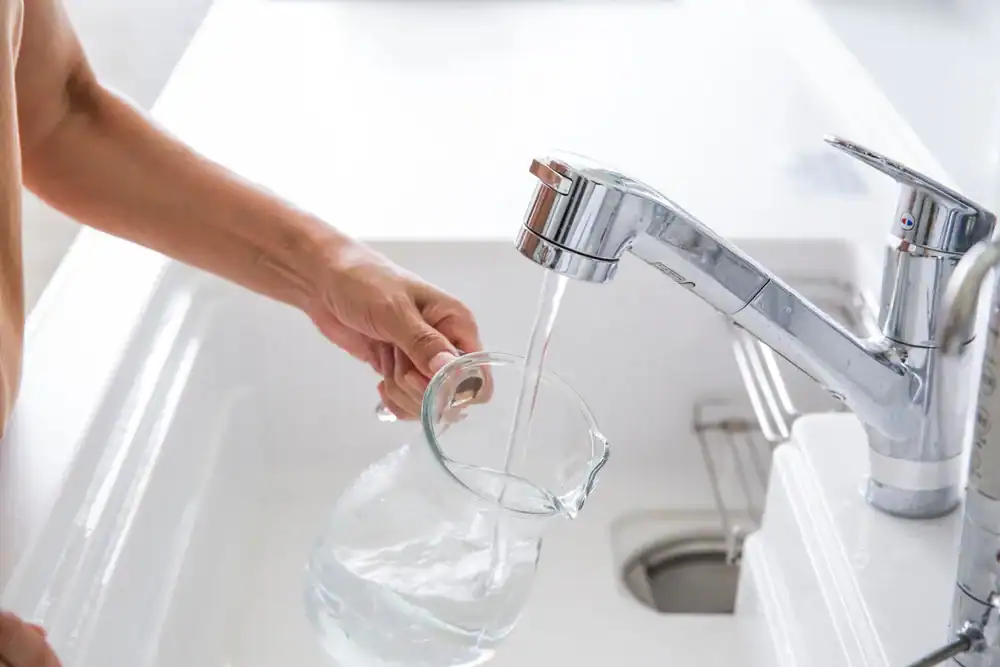
First, we test your water. The Florida Department of Health recommends private well owners test for bacteria and nitrate at least once a year, but most people don’t know what else might be in there. We run a full analysis so we know exactly what we’re dealing with—iron, sulfur, hardness, pH, bacteria, nitrates, and anything else that shows up.
Then we design a system based on your results. If you’ve got hydrogen sulfide causing that sulfur smell, we’ll use hydrogen peroxide injection or air injection oxidation to eliminate it. If iron is staining everything, we’ll install an iron removal system that handles it at the source. If bacteria is present, we’ll add well water bacteria disinfection to make sure your water is safe to drink.
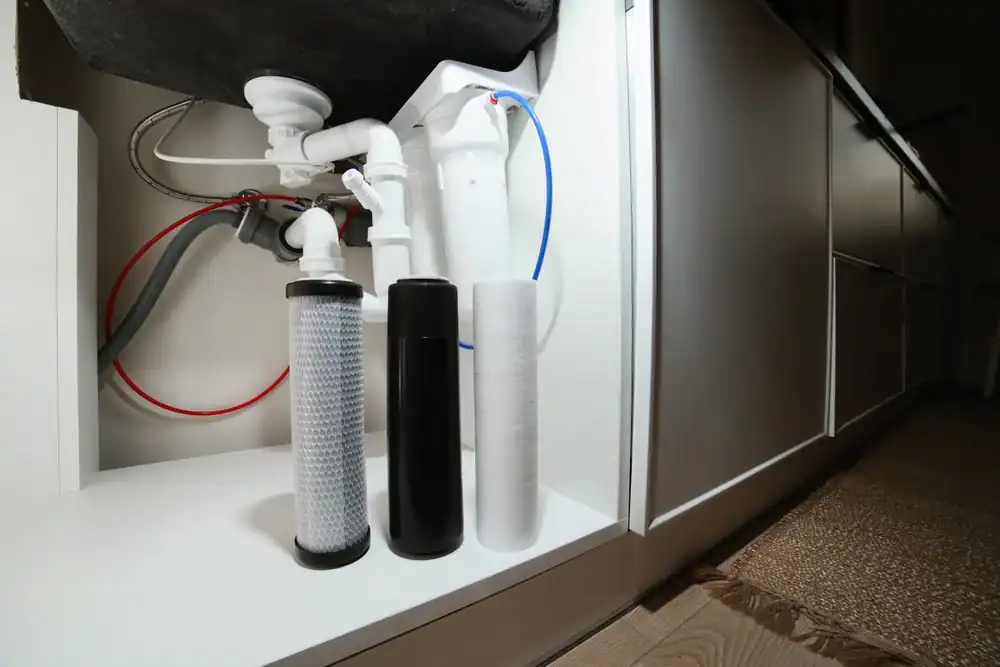
Installation happens in one day for most homes. We tie into your main water line so every drop that enters your house gets filtered—kitchen, bathrooms, laundry, everything. After it’s in, we walk you through how it works and what maintenance looks like. Then you’re done. You’ve got clean water, and you don’t have to think about it again.
Ready to get started?
A whole-house well water filtration system treats everything before it reaches your faucets. That means sediment removal, iron and sulfur elimination, bacteria disinfection, and hardness reduction if needed. You’re not just filtering drinking water—you’re protecting every pipe, fixture, and appliance in your home.
In Baymeadows, FL, the most common well water issues we see are iron staining, hydrogen sulfide odor, and hard water damage. Florida’s aquifers can also carry bacteria and nitrates from septic systems, fertilizer runoff, and agricultural areas. A complete system addresses all of it with chemical-free filtration methods that don’t add anything harmful back into your water.
You’ll also get a system designed for your household size and water usage. We don’t install one-size-fits-all equipment. If you’ve got a family of five and you’re running laundry and showers all day, your system needs to keep up. We size everything correctly so you never run out of clean water, even during peak use.

If your water smells like sulfur, leaves orange or brown stains, tastes metallic, or looks cloudy, you’ve got contamination that needs treatment. But some of the most dangerous contaminants—bacteria, nitrates, and certain chemicals—don’t have any smell or taste at all.
That’s why testing is the only way to know for sure. The Florida Department of Health recommends testing private wells at least once a year for bacteria and nitrate, but a full water analysis will also catch iron, hardness, pH imbalances, and hydrogen sulfide. We run that test before recommending any equipment, because there’s no point installing a system that doesn’t match what’s actually in your water.
If you’ve never tested your well, or if it’s been more than a year, that’s where you start. Once you know what’s in there, you can make an informed decision about what kind of filtration you actually need.
Both methods remove iron and hydrogen sulfide from well water, but they work differently. Hydrogen peroxide injection adds a small amount of peroxide to your water, which oxidizes the iron and sulfur so they can be filtered out. It’s effective for higher contamination levels and works fast.
Air injection oxidation uses compressed air instead of chemicals. It forces oxygen into the water, which causes the same oxidation reaction. It’s a chemical-free option that works well for moderate iron and sulfur levels, and it doesn’t require you to refill any tanks or buy peroxide.
Which one you need depends on your water test results. If your iron or sulfur levels are high, hydrogen peroxide injection usually handles it better. If they’re moderate and you want a system that doesn’t use any additives, air injection oxidation is a solid choice. We’ll recommend the right method based on what your water actually contains.
Yes, but only if the system includes well water bacteria disinfection. A standard sediment or iron filter won’t kill bacteria—you need a disinfection stage like UV light or chlorination to handle that.
UV disinfection is the most common method for private wells. It uses ultraviolet light to destroy bacteria, viruses, and other microorganisms as water passes through. It’s chemical-free, it doesn’t change the taste of your water, and it works instantly. The downside is that UV only works if your water is already clear—if you’ve got heavy sediment or iron, those need to be filtered out first or the UV light can’t penetrate.
Chlorination is another option. It injects a small amount of chlorine into the water to kill bacteria, then filters the chlorine back out before it reaches your faucets. It’s effective even in cloudy water, and it also helps with iron and sulfur removal. We’ll recommend the right disinfection method based on your water quality and what else your system needs to address.
It depends on what’s in your water and how much treatment you need. A basic sediment and carbon filter might run a few thousand dollars. A complete system with iron removal, sulfur treatment, bacteria disinfection, and water softening can cost significantly more.
The reason for the range is that every well is different. If you’ve only got minor sediment and hardness, your system will be simpler and less expensive. If you’re dealing with high iron, hydrogen sulfide, bacteria, and low pH, you’ll need multiple treatment stages, and that costs more to install and maintain.
We don’t give quotes over the phone because we’d be guessing. We test your water first, then design a system that actually solves your specific problems. That way you’re not paying for equipment you don’t need, and you’re not under-treating issues that will come back later. If you’re military or a first responder, you’ll also get $500 off, which helps offset the cost.
Most systems need attention once or twice a year, depending on what kind of equipment you have and how contaminated your water is. Sediment filters need to be changed every few months if you’ve got heavy sediment. Carbon filters last longer—usually six months to a year. Iron filters need periodic backwashing and occasional media replacement.
If your system includes a water softener, you’ll need to keep the salt tank filled. If you’ve got UV disinfection, the bulb needs to be replaced once a year to stay effective. These aren’t complicated tasks, but they’re not optional either. A system that doesn’t get maintained will stop working the way it should.
We offer maintenance plans that cover the annual service, filter changes, and any adjustments your system needs. Or you can handle it yourself if you’re comfortable doing that. Either way, the key is staying on top of it. A well-maintained system will last 10 to 15 years or more. One that gets ignored will fail early and cost you more in the long run.
Please provide your email address so that we can stay in touch and answer any questions you have! We will be reaching back out shortly.
"*" indicates required fields