Reach Out Today
Please provide your email address so that we can stay in touch and answer any questions you have! We will be reaching back out shortly.

Hear from Our Customers
No more orange stains on your toilets, sinks, or laundry. No sulfur smell when you turn on the tap. No mineral buildup destroying your water heater or dishwasher.
That’s what happens when your filtration system actually handles the problems in your water. Not just some of them. All of them, in the right order.
You stop buying bottled water. Your appliances last longer. Your fixtures stay clean. And when guests use your bathroom, you’re not embarrassed by what’s coming out of the faucet.
Most whole-house systems pay for themselves within a few years just from what you save on appliance repairs and replacement costs. Add in what you’re spending on bottled water and cleaning products trying to fight the stains, and the math gets even clearer.
We’re not plumbers who also sell filters. We’re water treatment specialists who understand Florida’s limestone aquifer and what it does to your well water.
That focus matters because Argyle Forest sits right on top of geology that creates specific problems. High iron content. Sulfur bacteria that thrive in warm groundwater. Hardness that comes from dissolved limestone.
We hold an A+ Better Business Bureau rating with zero complaints and a perfect 5-star customer rating. We’re members of the National Water Quality Association, which means we follow standards that actually matter. And we’re still here after the installation to service what we sell, which apparently makes us different from some of the national companies working this area.
First, we test your water. Not a sales pitch disguised as testing—actual analysis that tells us what’s in there and at what levels. Iron, sulfur, bacteria, hardness, pH. We need to know what we’re dealing with.
Then we design a system for your specific water. If you’ve got iron and sulfur, we might use air injection oxidation to convert them into particles that can be filtered out. If you’ve got bacteria, we’ll likely use hydrogen peroxide injection for disinfection. If your water’s hard, a softener goes in after the other treatment stages.
Order matters. You can’t soften water that still has iron in it, or you’ll ruin the softener resin. You can’t filter out sulfur bacteria without oxidizing the hydrogen sulfide first. We’ve seen plenty of systems installed wrong by companies that didn’t understand the chemistry.
After installation, we test again to confirm everything’s working. Then we set up a maintenance schedule because these systems need occasional service to keep performing.
Ready to get started?
You’re getting a system designed for your water test results, not a one-size-fits-all package. That usually means multiple treatment stages working together.
For most Argyle Forest wells, that includes iron removal systems using either air injection oxidation or hydrogen peroxide injection, depending on what else is in your water. Sulfur treatment that eliminates the smell at the source. Bacteria disinfection if your test shows contamination. And a water softener to handle the hardness that comes from our limestone aquifer.
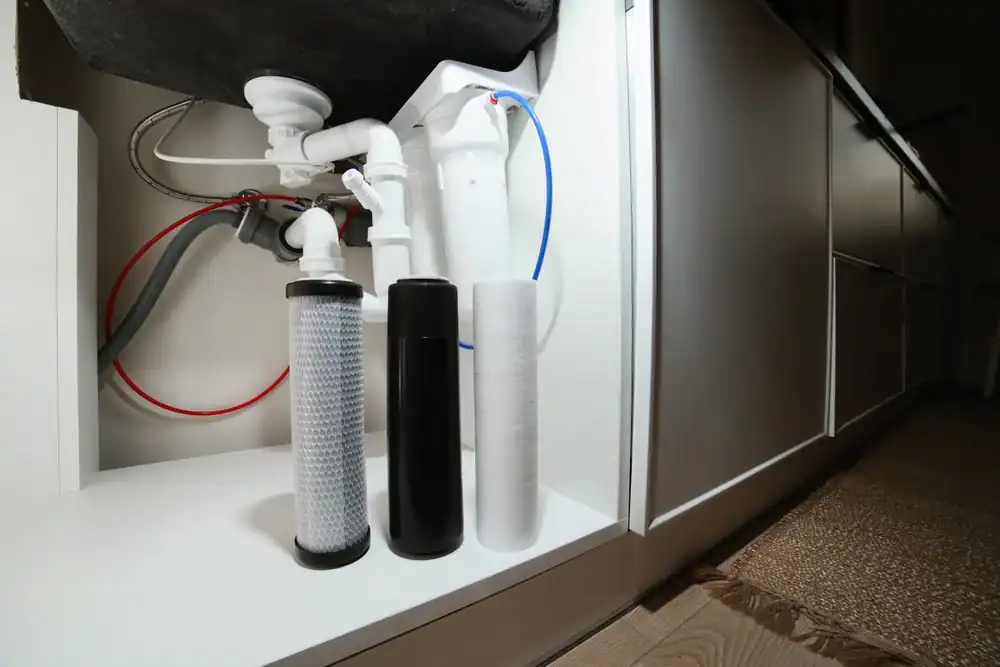
Everything gets installed at your main water line so every faucet, shower, toilet, and appliance gets treated water. We’re not talking about a filter under your kitchen sink. We’re talking about protecting your whole house.
You also get ongoing support. Annual testing to make sure your system’s still performing. Filter changes and maintenance when needed. And someone who answers the phone when you call, which shouldn’t be remarkable but apparently is in this industry.
Florida’s Department of Health recommends testing well water annually for bacteria and nitrates, plus lead testing every three years. We can handle that testing and adjust your system if anything changes.

If you’re seeing orange or brown stains on your fixtures, that’s iron. If your water smells like rotten eggs, that’s hydrogen sulfide from sulfur bacteria. If you’ve got white buildup on faucets or your soap doesn’t lather well, that’s hardness.
Those are the obvious signs. The less obvious ones include appliances failing earlier than they should, laundry coming out dingy even after washing, or a metallic taste in your drinking water.
But the only way to know exactly what’s in your water is to test it. Florida’s limestone aquifer creates consistent problems across this area, but the specific levels vary from well to well. You might have high iron and moderate hardness, or high sulfur with bacteria present. The treatment approach changes based on what the test shows.
Both methods oxidize contaminants like iron and sulfur so they can be filtered out, but they work differently and suit different water conditions.
Air injection oxidation uses oxygen. It’s effective for iron and manganese, works well when you don’t have bacteria problems, and doesn’t add anything to your water except air. It’s a straightforward, reliable approach for straightforward iron issues.
Hydrogen peroxide injection is stronger. It handles iron and sulfur, but it also disinfects bacteria, which makes it the better choice when your water test shows bacterial contamination along with other problems. It’s what we use when we need to solve multiple issues with one treatment stage.
Which one you need depends on your test results. If you’ve just got iron, air injection usually does the job. If you’ve got iron plus bacteria or particularly stubborn sulfur bacteria, hydrogen peroxide makes more sense.
That depends entirely on what’s wrong with your water and what it takes to fix it. A system that handles moderate iron and hardness costs less than a system that needs to address iron, sulfur, bacteria, and hardness.
Most whole-house systems for typical Argyle Forest water problems run between $3,000 and $8,000 installed. That’s not a small investment, but it’s protecting everything in your house that touches water.
Here’s how it pays back: You stop replacing appliances early. A water heater that should last 10-12 years but fails at 6 because of mineral buildup costs $1,200-$1,500 to replace. Your dishwasher lasts longer. Your washing machine lasts longer. You’re not buying bottled water anymore or replacing stained towels and clothes. Add it up over five years and a proper system more than pays for itself.
We offer a $500 discount for military members and first responders, which helps. And we give you honest pricing upfront after we test your water, not surprise charges after installation.
Yes, but only if the system includes a disinfection stage designed for bacteria. Not all filtration systems do.
The most effective approach for well water bacteria disinfection is hydrogen peroxide injection. It kills bacteria throughout your water system, and unlike chlorine, it doesn’t leave a chemical taste or require a holding tank. The hydrogen peroxide breaks down into water and oxygen, so nothing harmful stays in your water.
Some bacteria problems come from iron bacteria or sulfur bacteria, which create slime and odors but aren’t necessarily dangerous. Other bacteria are coliform or E. coli, which are health hazards. Your water test tells us which you’re dealing with.
If your test shows any bacterial contamination, we won’t install a system without disinfection. There’s no point in making your water look and smell better if it’s still unsafe to drink. The disinfection stage goes in first, before any other treatment, so you’re killing bacteria before they can build up in your other equipment.
Most systems need attention once or twice a year, depending on your water quality and how much water you use. That’s not complicated maintenance—mostly filter changes and occasional cleaning of the treatment tanks.
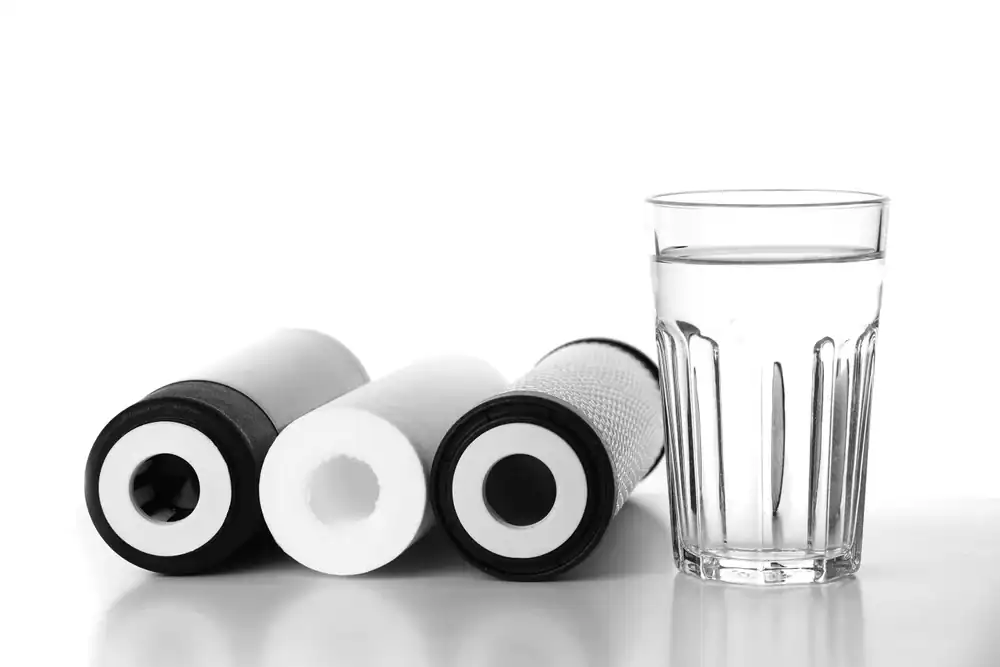
If you’ve got a sediment pre-filter, that might need changing every few months. Carbon filters typically last six months to a year. The media inside oxidation tanks lasts several years before needing replacement. Water softener resin lasts even longer, though you’ll need to keep salt in the brine tank.
We set up a maintenance schedule based on your specific system. Some people prefer to handle the simple stuff themselves, like changing pre-filters. Others want us to handle everything. Either way works.
The bigger maintenance item is annual water testing. Your well water can change over time—bacteria can show up, iron levels can increase, pH can shift. Testing once a year catches those changes before they become problems. If something’s changed, we adjust your system accordingly.
Please provide your email address so that we can stay in touch and answer any questions you have! We will be reaching back out shortly.
"*" indicates required fields