Reach Out Today
Please provide your email address so that we can stay in touch and answer any questions you have! We will be reaching back out shortly.


Hear from Our Customers

Your whites stop turning orange in the wash. The rotten egg smell disappears when you turn on the tap. Your water heater lasts years longer instead of failing early from mineral buildup.
That’s what happens when you address Florida’s water problems at the source. Windy Hill sits on the same porous limestone aquifer system that makes Central Florida’s water notorious for iron, sulfur, and hardness. Rain filters through sandy soil, picks up minerals from the limestone, and delivers it straight to your well or municipal line.
A properly designed water filtration system removes what’s causing the damage before it reaches your fixtures, appliances, and laundry. You stop scrubbing rust stains. You stop replacing water heaters every five years. You stop spending money on bottled water because your tap finally tastes clean.
We’ve been installing water filtration systems in Central Florida for over 50 years. We’re A-rated by the Better Business Bureau with a 5-star rating and zero complaints on record.
That matters because you’re comparing us to national companies with service reputations that don’t match their marketing budgets. We’re local, we answer the phone, and we service what we install. Every system gets custom-designed based on actual water testing from your property—not a sales pitch based on assumptions.
We’re members of the National Water Quality Association. We offer a $500 discount for military members and first responders. And we support the Tunnels to Towers Foundation because we believe in taking care of the people who’ve taken care of us.
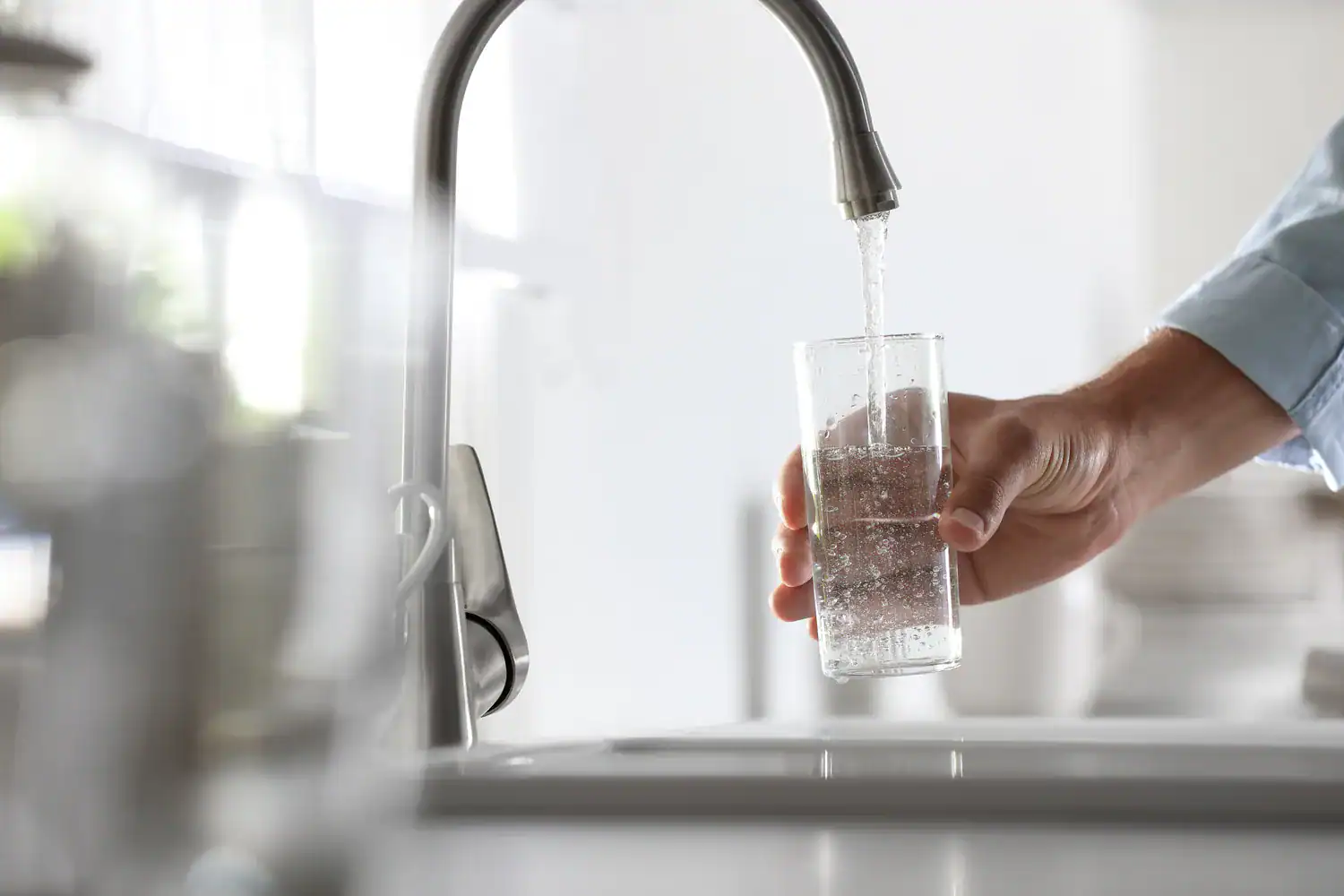
First, we test your water. Not a generic test—a full analysis that identifies exactly what minerals you’re dealing with and at what concentrations. Iron, sulfur, hardness, pH, bacteria. That data determines what type of filtration you need and what size system will handle your household’s water usage.
Then we design the system. If you’ve got high iron and sulfur, you might need an oxidation filter combined with activated carbon filtration. If it’s hardness destroying your appliances, we’ll discuss traditional softening or salt-free options depending on your preferences. Some homes need reverse osmosis systems for drinking water in addition to whole house filtration.
Installation happens at your main water line—the point where water enters your home. Our licensed team handles the plumbing work, tests the system, and walks you through how it operates. You’ll know when to change filters, what maintenance looks like, and how to reach us if something needs attention.

Ready to get started?
Your system gets built around your water test results. If iron is the main problem—and it usually is in Windy Hill—you’re looking at an iron removal system that uses oxidation to convert dissolved iron into particles that get filtered out. That stops the orange stains on everything water touches.
Sulfur gets handled with activated carbon filtration or oxidation, depending on concentration levels. The rotten egg smell comes from hydrogen sulfide gas, and it’s not just unpleasant—it’s corrosive to your plumbing over time. Removing it protects your pipes and eliminates the embarrassment when guests visit.
Hard water needs a different approach. Traditional water softeners use salt to remove calcium and magnesium through ion exchange. Salt-free systems don’t remove the minerals—they change the structure so scale doesn’t form in your pipes and appliances. Both work, but the right choice depends on your water chemistry and whether you’re on a septic system.
For drinking water quality, under-sink filter installation or a dedicated reverse osmosis system gives you purified water at the tap without the ongoing cost of bottled water. UV water purification gets added when bacteria is a concern, especially for well water systems.
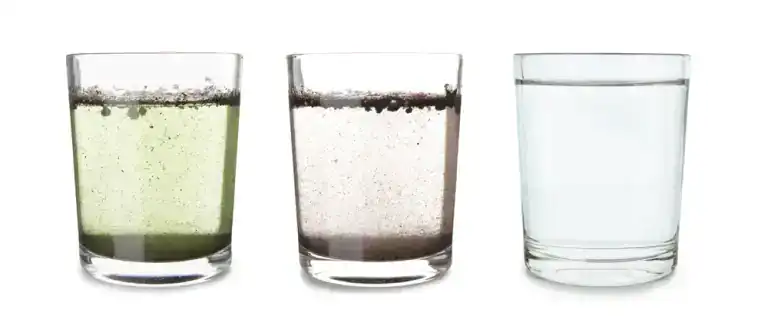
You need a water test before anyone can give you an honest answer. The minerals in your water, their concentration levels, and your household water usage determine what system will actually work.
If you’re seeing orange stains, you’ve got iron. If it smells like rotten eggs, that’s hydrogen sulfide. If your soap doesn’t lather and you’ve got white buildup on fixtures, that’s hardness. But guessing at concentrations leads to undersized systems that don’t solve the problem or oversized systems that waste your money.
We test your water first, then design the system around the results. That’s how you end up with a water filtration system that actually handles your specific water chemistry instead of a one-size-fits-all setup that underperforms.
A water softener specifically removes hardness—the calcium and magnesium that causes scale buildup in your pipes and appliances. It uses salt and a process called ion exchange to swap out hard minerals for sodium.
A whole house water filter is a broader term that can include softening, but usually refers to systems that remove iron, sulfur, sediment, chlorine, or other contaminants. Many Florida homes need both—a filter to remove iron and sulfur, plus a softener to handle hardness.
The confusion happens because some companies use the terms interchangeably or try to sell you one when you actually need the other. That’s why water testing matters. Your water chemistry tells you what equipment belongs in your system, and a properly designed setup might include multiple stages of filtration depending on what problems you’re solving.
A properly sized system won’t cause noticeable pressure loss. Pressure problems happen when the system is undersized for your home’s water flow rate or when filters get clogged and don’t get changed on schedule.
That’s why we calculate your household’s peak water usage during the design phase. If you’ve got four bathrooms and you’re running showers, dishwasher, and washing machine at the same time, your system needs to handle that flow rate without restriction.
Filter maintenance matters too. Cartridge filters need changing based on your water quality and usage—usually every six to twelve months. If you ignore maintenance, any filtration system will eventually restrict flow as the media gets loaded with contaminants. We set you up with a maintenance schedule so you know what to expect.
Depends entirely on what your water test shows and what size system your home needs. A basic sediment and carbon filter for a small home might run a few thousand dollars. A comprehensive system handling iron, sulfur, hardness, and bacteria for a larger home costs more.
Here’s what drives the price: the type of filtration media, the size of the tanks, how many stages of treatment you need, and whether you’re adding reverse osmosis for drinking water or UV purification for bacteria. A home with 15 PPM of iron needs different equipment than a home with 2 PPM.
We don’t quote prices before testing your water because we’d be guessing. Once we know what we’re removing and what flow rate your home requires, we can give you an accurate number. And if you’re military or a first responder, we take $500 off whole house systems.
Depends on the type of system and your water quality, but plan on filter changes every six to twelve months for most whole house systems. Water softeners need salt refills every few months depending on your hardness level and water usage.
Iron filters and carbon filters have media that eventually gets exhausted and needs replacing. Reverse osmosis systems have multiple filter stages that get changed on different schedules—sediment and carbon filters more frequently, the RO membrane every few years.
We set you up with a maintenance plan so you’re not guessing when service is due. Most homeowners either handle basic filter changes themselves or schedule annual service visits where we handle everything. Skipping maintenance doesn’t just reduce performance—it can damage the system and void warranties. Regular upkeep keeps your water clean and your equipment running correctly.
Please provide your email address so that we can stay in touch and answer any questions you have! We will be reaching back out shortly.
"*" indicates required fields