Reach Out Today
Please provide your email address so that we can stay in touch and answer any questions you have! We will be reaching back out shortly.


Hear from Our Customers

Your appliances stop dying early. The white buildup on faucets disappears. Your water heater isn’t fighting calcium deposits anymore, and your clothes come out of the wash actually clean.
That’s what happens when you treat the water before it enters your home, not after it’s already damaged your plumbing. A whole-house water filtration system handles everything—sediment, chlorine, heavy metals, and the dissolved minerals that make Florida water so hard on everything it touches.
You’re not just filtering drinking water. You’re protecting every pipe, fixture, and appliance in your house. And if you’ve got kids or anyone with sensitive skin, you’ll notice the difference in the shower within days. No more chlorine smell. No more dry, irritated skin. Just clean water from every tap.
We don’t do plumbing. We don’t install water heaters. We focus entirely on water treatment, and that focus shows in the results.
We’re A-rated by the Better Business Bureau with a 5-star rating and zero complaints. We’re members of the National Water Quality Association, which means we’re held to actual industry standards, not just making claims. And if you’re military or a first responder, we offer a $500 discount—because that matters here in North Florida.
We’ve been serving homeowners throughout the region who are tired of dealing with hard water, sediment, and contamination issues that come with Florida’s aquifer-based water supply. Starkes Ferry sits in an area where aging septic systems and porous limestone make water quality a real concern, and we design every system around your specific water test results—not a one-size-fits-all box from a big-box store.
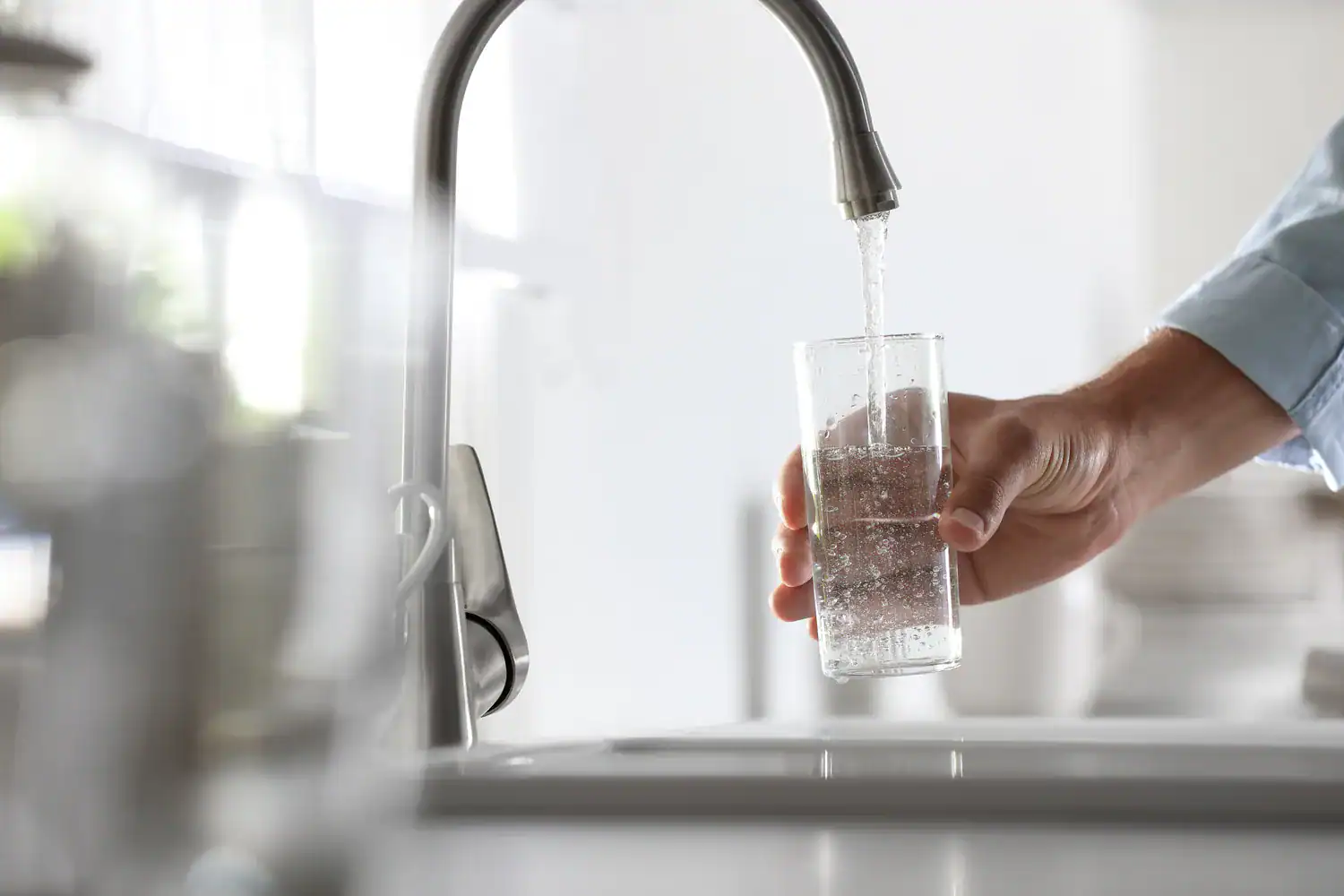
First, we test your water. Not a guess, not a generic recommendation—a real analysis of what’s in your water supply. That tells us what you’re dealing with: hardness levels, chlorine, sediment, iron, sulfur, or contaminants like PFAS that most treatment facilities don’t remove.
Then we design a system based on those results and how much water your household actually uses. That might mean a combination of reverse osmosis systems for drinking water, activated carbon filtration for chlorine and chemical removal, or UV water purification if bacteria is a concern. If you’ve got hard water—and in Florida, you probably do—we’ll talk about softening options that keep your pipes and appliances from scaling up.
Installation happens at the point where water enters your home, so everything gets treated. We handle the whole setup, test the system, and walk you through how it works. After that, we’re available for filter changes, maintenance, and any questions. You’re not getting a system and then getting ghosted—we actually service what we sell, which isn’t something you can say about every company around here.
Ready to get started?
Every system starts with free in-home water quality testing. We’re looking at hardness, pH, chlorine, iron, sulfur, sediment, and any contaminants that show up in Florida’s water supply. Nearly 1 in 4 Florida waterways are contaminated with nitrogen, phosphorus, or hazardous chemicals, and 90% of our drinking water comes from aquifers that are easily compromised. Testing tells us what we’re up against.
From there, you get a system designed for your home. That could mean under-sink filter installation for your kitchen, a whole-house carbon filter to remove chlorine and chemicals, or a reverse osmosis system that handles dissolved solids and heavy metals. If your water is hard—which it likely is in this area—we’ll address the calcium and magnesium that destroy water heaters and leave buildup on everything.
You also get professional installation and ongoing support. We don’t sell you a system and disappear. Filters need changing, components need maintenance, and we handle that. You’ll know when it’s time, and we’ll take care of it. That’s the difference between buying equipment and actually solving the problem.
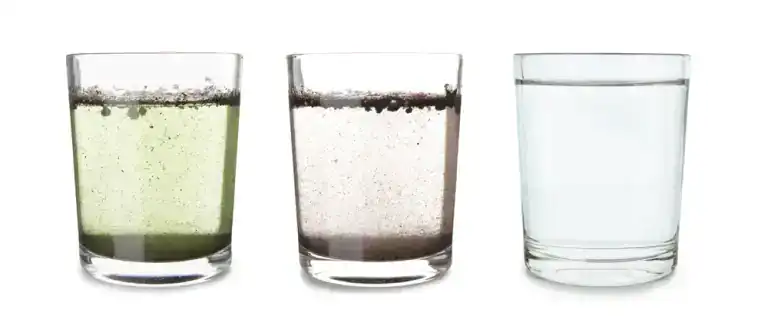
If you’ve got hard water stains, your appliances aren’t lasting as long as they should, or your water smells like chlorine or sulfur, you need filtration. But the bigger issue in Starkes Ferry and North Florida is what you can’t see—contaminants from aging septic systems, agricultural runoff, and aquifer contamination that standard municipal treatment doesn’t fully address.
The best way to know is to test your water. We do that for free, and it shows exactly what’s in your supply: hardness levels, chlorine, heavy metals, bacteria, and chemicals like PFAS that most wastewater facilities remove less than 10% of. Once you see the results, the decision gets a lot easier.
A whole-house system treats everything before it enters your plumbing, which means you’re protecting your water heater, your washing machine, your fixtures, and your family. It’s not just about taste—it’s about preventing damage and avoiding long-term exposure to stuff that shouldn’t be in your water.
A regular filter—like an activated carbon filter—removes chlorine, sediment, and some chemicals. It’s great for improving taste and smell, and it handles a lot of the surface-level issues. But it doesn’t remove dissolved solids like heavy metals, fluoride, or salts.
Reverse osmosis systems push water through a membrane that filters out nearly everything, including lead, arsenic, nitrates, and the dissolved minerals that make water hard. That’s why reverse osmosis is the go-to for drinking water—it’s the most thorough option available for homeowners. You’ll often see it installed under the sink for kitchen use, while a whole-house carbon filter handles the rest of the home.
If your water test shows high levels of dissolved solids or specific contaminants like lead or PFAS, reverse osmosis is the right move. If you’re mainly dealing with chlorine, sediment, or taste issues, carbon filtration might be enough. We recommend based on what’s actually in your water, not what’s easiest to sell.
It depends on what your water needs and the size of your home. An under-sink reverse osmosis system for drinking water typically runs a few hundred dollars. A whole-house system that treats everything—filtration, softening, and conditioning—can range from a couple thousand to several thousand, depending on the equipment and installation complexity.
That sounds like a lot compared to buying bottled water, but here’s the math: if you’re drinking the recommended amount of water per day, you’re spending around $1,400 a year on bottles. A filtration system pays for itself in a few years, and it’s protecting your appliances and plumbing the entire time. Water heaters alone can lose years of life to hard water buildup.
We also offer financing, because we know the upfront cost can be tough to cover all at once. And if you’re military or a first responder, we take $500 off. The goal is to make it possible to get the system you actually need, not the one you settle for because of budget.
Yes, but it depends on the type of system. Sulfur—that rotten egg smell—comes from hydrogen sulfide gas or sulfur bacteria in your water supply, and it’s common in Florida because of our aquifer conditions and organic material in the groundwater.
An activated carbon filter can handle low levels of hydrogen sulfide and improve the smell significantly. If the sulfur content is higher, you might need an oxidizing filter or an air injection system that converts the gas into a solid form that can be filtered out. In some cases, chlorination or UV water purification is part of the solution if bacteria is involved.
We test for sulfur during the initial water analysis, and that tells us how much is there and what type of treatment will actually work. The good news is it’s fixable—you don’t have to live with water that smells like that. Once the system is in, the smell is gone, and your water is safe and clean throughout the house.
It depends on the type of filter and how much water your household uses. Sediment filters usually need changing every 3 to 6 months because they’re catching dirt, rust, and particles before they reach the rest of the system. Carbon filters typically last 6 to 12 months, depending on chlorine levels and water volume.
Reverse osmosis membranes can last 2 to 3 years if the pre-filters are changed on schedule. If you skip the sediment and carbon filter changes, the membrane clogs faster and you’ll end up replacing it sooner—which costs more.
We set up a maintenance schedule based on your system and send reminders when it’s time. You can handle filter changes yourself if you want, or we’ll come out and take care of it. Either way, staying on top of it keeps the system running efficiently and your water quality consistent. Skipping maintenance defeats the purpose of having the system in the first place.
Please provide your email address so that we can stay in touch and answer any questions you have! We will be reaching back out shortly.
"*" indicates required fields