Reach Out Today
Please provide your email address so that we can stay in touch and answer any questions you have! We will be reaching back out shortly.

Hear from Our Customers
Hard water in Sawgrass isn’t just annoying. It’s costing you money every month in wasted soap, damaged appliances, and equipment that fails years before it should.
When you install the right water filtration system, your dishwasher stops leaving spots. Your water heater lasts five to ten years longer. You use half the detergent you’re using now because soft water actually lets soap do its job.
Your hair and skin stop feeling dry after every shower. That’s the chlorine—Florida uses a lot of it, and in our warm climate, it evaporates faster in hot water, making the smell and effects worse. A whole house water filter handles that before it ever reaches your showerhead.
You’re not just filtering water. You’re protecting everything that water touches, from your plumbing to your coffee maker to your family’s health. And if you’re on well water, which about 90% of Florida’s drinking water comes from, you’re responsible for testing and treating it yourself. The county isn’t doing that for you.
We have an A rating with the Better Business Bureau and five stars with zero complaints. We’re members of the National Water Quality Association, and we’ve been serving North and Central Florida for over half a century.
We’re not a national chain that sells you a system and disappears. We service what we install, and we service other brands too—because we know how frustrating it is when a company refuses to help unless you buy something new.
Sawgrass homeowners deal with the same hard water issues affecting the rest of Central Florida. Limestone and calcium are in the aquifer, and no amount of municipal treatment removes them. We test your water for free, design a system based on what’s actually in it, and install equipment that handles your specific problems. If you’re military or a first responder, we take $500 off—because that’s the right thing to do.
First, we test your water. Not a guess, not a visual inspection—a real analysis that tells us what’s in there. Hardness levels, chlorine content, iron, sulfur, bacteria if you’re on a well. That dictates everything else.
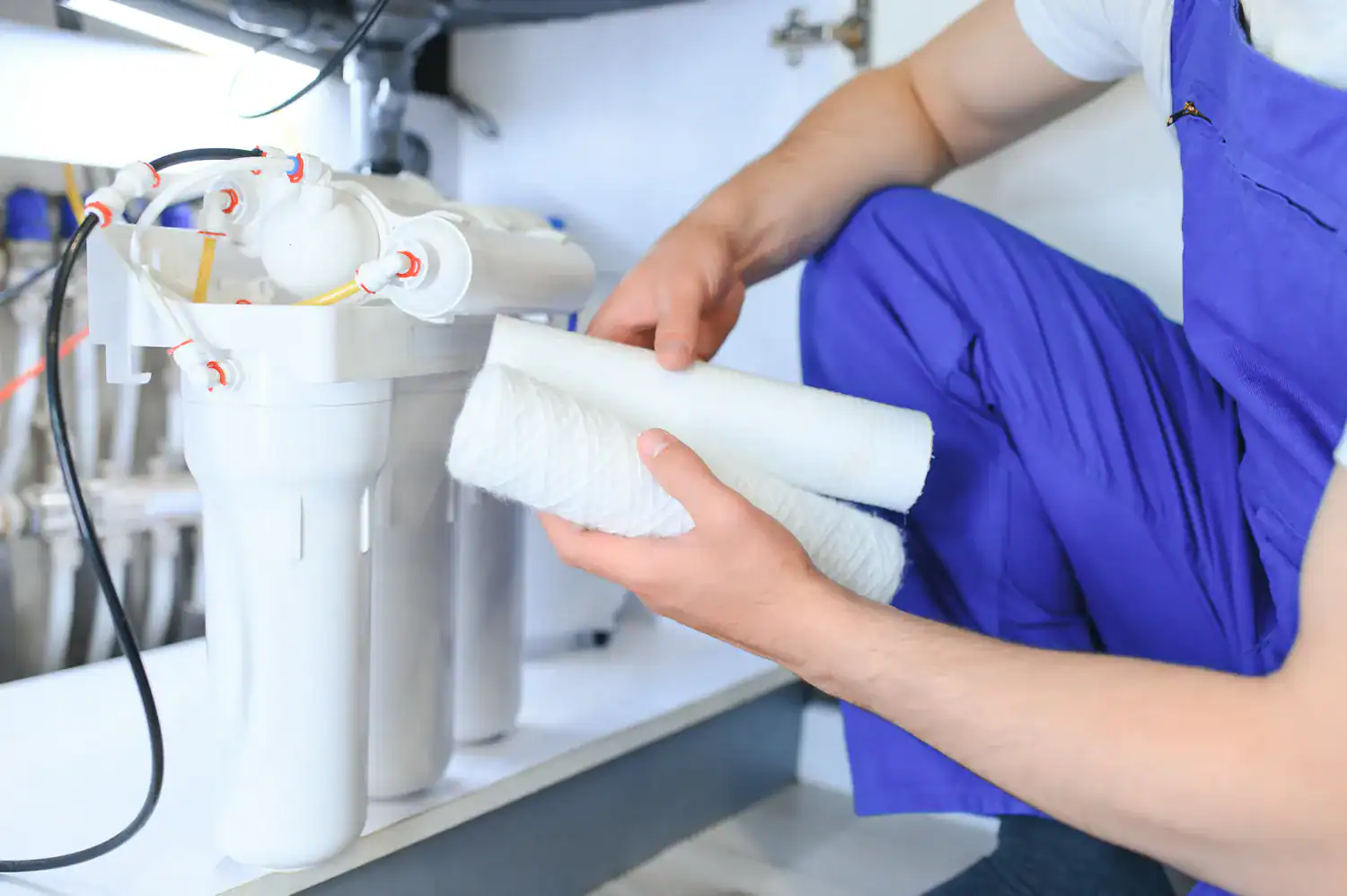
Then we design a system for your home. If you’ve got high iron, we’re looking at an Iron Clear filter that removes rust and kills bacteria like E. coli. Sulfur problem? Sulfur Clear handles that rotten egg smell. Most homes need a combination: a softener for hardness, activated carbon filtration for chlorine and taste, and often a reverse osmosis system under the sink for drinking water.
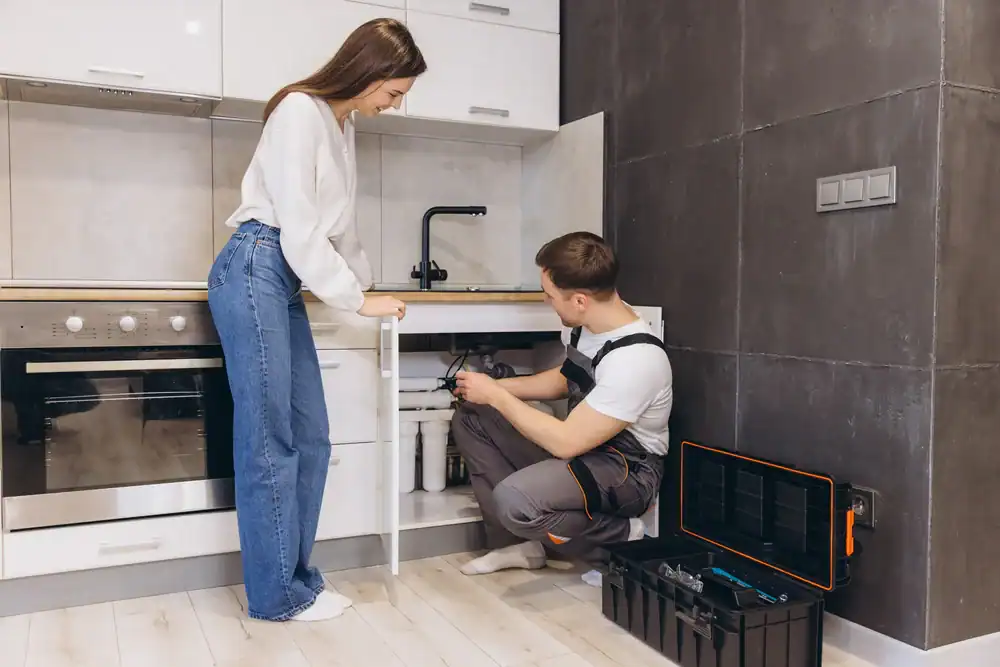
We install it where it makes sense—usually where your main water line enters the house for whole-home systems, and under your kitchen sink for reverse osmosis. If you’re dealing with bacteria in well water, we add UV water purification, which uses ultraviolet light to kill organisms without chemicals.
After installation, the system runs on its own. Most don’t need electricity or create wastewater, depending on the type. We show you how to maintain it, and we come back if anything needs service. You’re not figuring this out yourself.
Ready to get started?
A whole house water filter treats every drop before it reaches your faucets, showers, and appliances. That means softer water for bathing, cleaner dishes, and longer-lasting equipment throughout your home.
For drinking water quality testing and treatment, most homeowners add an under-sink filter installation with a reverse osmosis system. That removes contaminants that softeners don’t touch—things like lead, microplastics, and the “forever chemicals” that are becoming a bigger concern across Florida.
If your water smells like rotten eggs or leaves rust stains, you’re dealing with sulfur or iron. Those need specific filtration before they ruin your fixtures and laundry. And if you’re on a well, UV water purification is the most reliable way to kill bacteria without adding chemicals to your water.
Sawgrass sits in an area where hard water is a given. The aquifer that supplies this region is full of calcium and magnesium. You’ll see it on your glassware, feel it in your shower, and pay for it when your water heater fails early. Treating it isn’t optional if you want your home systems to last.
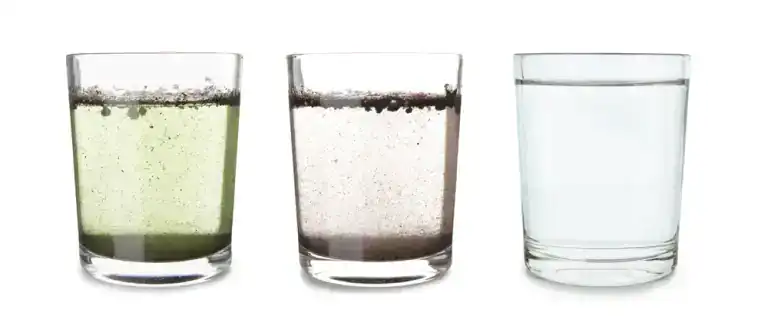
If you’re in Sawgrass, you have hard water. That’s not a maybe—it’s the reality of living in Central Florida where limestone saturates the groundwater.
You’ll see the signs: white buildup on faucets and showerheads, spots on dishes even after they’re washed, soap that doesn’t lather well, and dry skin or hair after showering. Those are all caused by calcium and magnesium in your water, and they won’t go away on their own.
If you’re on well water, you also need to think about bacteria, nitrates, and iron. The Florida Department of Health recommends testing well water every year because you’re responsible for its safety—not the county. A free water test will tell you exactly what you’re dealing with, and from there, you’ll know whether you need a softener, a filter, or both.
A water softener removes hardness—the calcium and magnesium that cause scale buildup and make soap less effective. It doesn’t filter out chlorine, bacteria, or other contaminants. It just stops the minerals that damage your pipes and appliances.
A filtration system removes different things depending on the type. Activated carbon filtration takes out chlorine, improves taste and odor, and removes some chemicals. Reverse osmosis systems go further, filtering out lead, fluoride, microplastics, and other dissolved solids. UV purification kills bacteria and viruses.
Most homes need both. You soften the water to protect your equipment and improve daily use, then you filter it to make it safe and pleasant to drink. They work together, not in place of each other. We test your water first and recommend what actually makes sense for what’s in it.
It depends on what your water needs and the size of your home. A basic softener might run a few thousand dollars. Add a whole house carbon filter, and you’re looking at more. Include a reverse osmosis system for drinking water and UV purification if you’re on a well, and the price goes up from there.
But here’s the math that matters: the average family spends around $12,000 on bottled water over ten years. A filtration system typically pays for itself in two to four years when you factor in the money you save on soap, bottled water, appliance repairs, and early replacements.
Your water heater alone lasts five to ten years longer with soft water. That’s $1,500 to $2,000 you’re not spending on a premature replacement. Same with your dishwasher, washing machine, and plumbing fixtures. We offer free water testing and a free trial with no money down, so you can see the difference before you commit.
City water meets federal safety standards, but that doesn’t mean it’s ideal for your home or your health. Treatment plants add chlorine to kill bacteria, and they don’t remove the hardness that damages your appliances and plumbing.
In Sawgrass and the rest of Central Florida, municipal water is hard—sometimes very hard. That means scale buildup, reduced appliance efficiency, and all the issues that come with mineral-heavy water. The city isn’t treating that because it’s not a health risk. It’s your problem to solve.
Chlorine levels in Florida are often higher than in other states, and our warm climate makes the smell and taste more noticeable. Many homeowners choose to filter it out even though it’s technically safe. If you care about how your water tastes, how your skin feels, and how long your appliances last, filtering city water makes sense.
It depends on the system. Most water softeners regenerate automatically and just need salt added every few weeks or months, depending on your water usage and hardness level.
Carbon filters need to be replaced every six to twelve months, depending on how much water you use and what’s being filtered out. Reverse osmosis systems have multiple filters—some last six months, others last a year or two. The RO membrane itself typically lasts three to five years.
UV systems need a new bulb about once a year, and that’s a quick swap. We handle all of that if you want us to, or we show you how to do it yourself. The key is staying on schedule. A filter that’s past its lifespan isn’t doing its job anymore, and you won’t notice until your water starts tasting off or your softener stops working right.
Please provide your email address so that we can stay in touch and answer any questions you have! We will be reaching back out shortly.
"*" indicates required fields