Reach Out Today
Please provide your email address so that we can stay in touch and answer any questions you have! We will be reaching back out shortly.

Hear from Our Customers
You stop buying bottled water by the case. Your coffee tastes better. Your skin doesn’t feel tight after a shower.
The bigger changes happen where you can’t see them. Scale stops building up inside your water heater. Your dishwasher runs cleaner. Soap actually rinses off your dishes instead of leaving that cloudy film.
San Pablo pulls water from the Floridan Aquifer, over 1,000 feet down. It’s treated before it reaches your home, but treatment doesn’t remove everything. Chlorine, hardness minerals, and trace contaminants still make it through. A reverse osmosis system or whole-home filtration setup handles what the municipal system doesn’t.
If you’ve been dealing with hard water stains, chlorine smell, or that metallic taste in your drinking water, you already know something’s off. Filtration fixes it at the source instead of masking it.
We’ve been installing water treatment systems across the state since the 1970s. We’re members of the National Water Quality Association and hold an A+ rating with the Better Business Bureau with zero complaints.
We don’t do plumbing or water heaters. We do water treatment. That focus means we know how to size a system correctly, install it so it works long-term, and service it when you need us.
San Pablo homeowners deal with the same water issues as the rest of Northeast Florida: hardness, chlorine, and occasional bacteria concerns from aging infrastructure. We’ve installed hundreds of systems in this area. We know what works here.
We start with water quality testing. You can’t fix what you don’t measure, and San Pablo’s water varies depending on where you are and what’s in your pipes.
Once we know what’s in your water, we recommend a system that matches the problem. That might be a reverse osmosis system under your kitchen sink for drinking water. It could be a whole-home setup with activated carbon filtration and UV purification if you want every faucet covered.
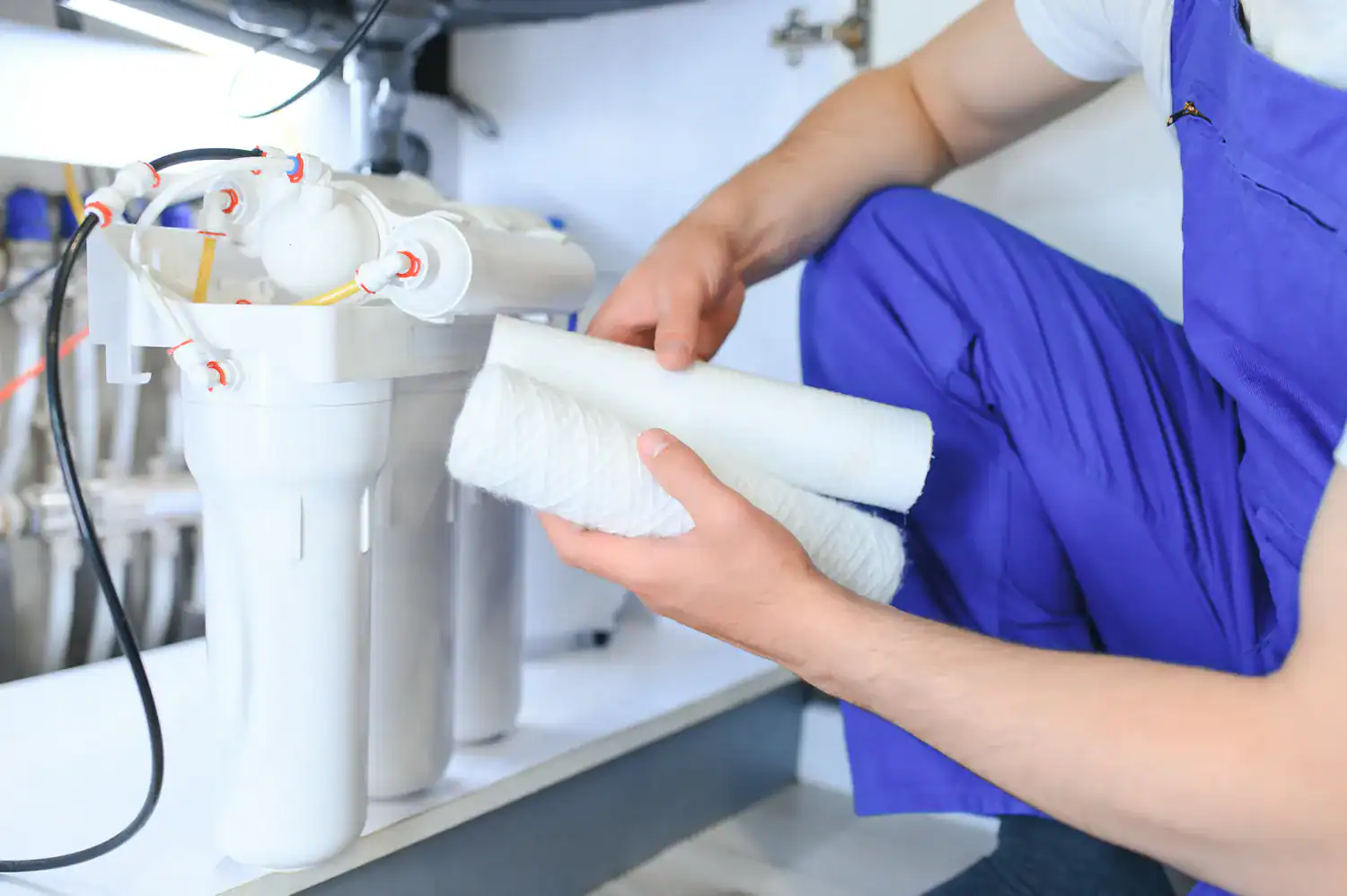
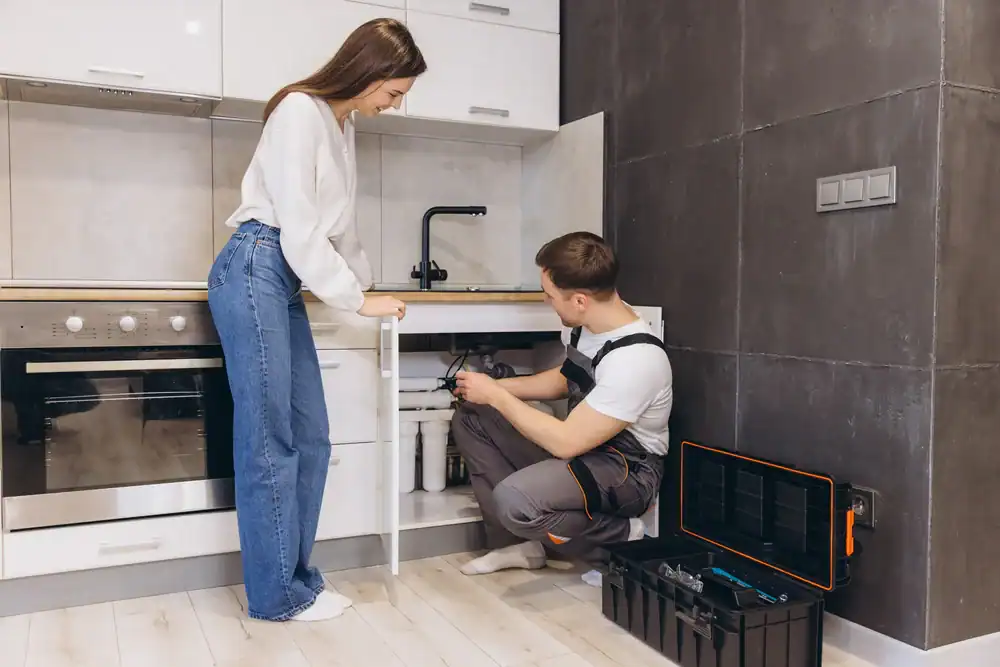
Installation usually takes a few hours. We connect the system where your water line enters the home or at the point of use, depending on what you chose. We test for leaks, check pressure, and make sure everything runs correctly before we leave.
After that, you’re looking at filter changes every six to twelve months, depending on your system and water usage. We handle service calls, and we stock parts for the systems we install. If something stops working right, we come back and fix it.
Ready to get started?
Under-sink reverse osmosis systems remove up to 99% of contaminants, including chlorine, lead, PFAS, and hardness minerals. You get clean drinking water from one dedicated faucet. It’s the most common setup for families who want better water for cooking and drinking without filtering the whole house.
Whole-home systems treat every drop of water that enters your house. That means filtered water in your shower, washing machine, and outdoor hose. These systems typically combine activated carbon filtration to remove chlorine and organic compounds with a water softener to handle hardness. Some setups add UV purification to kill bacteria.
Florida’s water is hard. San Pablo sits in a coastal area where calcium and magnesium levels run high. You’ll see it in the white buildup around faucets and inside your water heater. A softener or whole-home reverse osmosis system stops that damage and extends the life of your appliances.
If you’re concerned about PFAS—those “forever chemicals” that don’t break down—reverse osmosis is one of the few residential filtration methods proven to remove them. Testing near Jacksonville has detected PFAS in groundwater, especially near former military sites. An RO system addresses that.
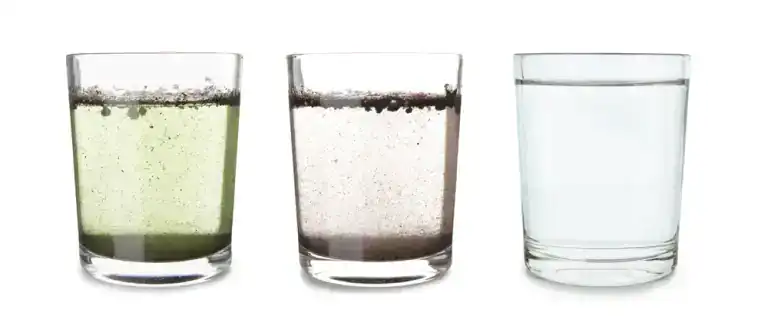
Start with what you’re noticing. If your water smells like chlorine, tastes metallic, or leaves white residue on your fixtures, those are signs your water could use treatment.
Hard water is common across San Pablo and the Jacksonville area. It won’t make you sick, but it wears out appliances, clogs pipes, and makes soap less effective. If you’re scrubbing scale off your showerhead or your water heater isn’t lasting as long as it should, hardness is likely the issue.
For health concerns—bacteria, lead, or PFAS—you need a water test. We can test your water and show you exactly what’s in it. From there, you’ll know whether you need a basic carbon filter, a reverse osmosis system, or a whole-home treatment setup.
Reverse osmosis systems install under your sink and filter water at one faucet. They push water through a semi-permeable membrane that removes contaminants down to 0.0001 microns. That catches nearly everything: chlorine, fluoride, lead, nitrates, PFAS, and hardness minerals. You get ultra-clean drinking water, but the rest of your house still gets untreated water.
Whole-home filters treat all the water entering your house. These systems usually combine a sediment filter, activated carbon filter, and sometimes a UV light or water softener. They remove chlorine, improve taste and odor, reduce scale buildup, and kill bacteria. You get filtered water from every tap, but the filtration isn’t as thorough as reverse osmosis.
If you want the cleanest drinking water possible, go with RO. If you want better water throughout your entire home—showers, laundry, appliances—a whole-home system makes more sense. Some homeowners install both.
It depends on the system and how much water you use. Most under-sink reverse osmosis systems need new filters every six to twelve months. The RO membrane itself lasts two to three years if you keep up with the pre-filters.
Whole-home systems typically need filter changes once or twice a year. Sediment filters clog faster if your water has a lot of particulates. Carbon filters last longer but lose effectiveness over time as they absorb chlorine and organic compounds.
We set up a maintenance schedule when we install your system. You’ll know when filters are due, and we can handle the replacements if you don’t want to do it yourself. Skipping filter changes means your system works harder, removes less, and wears out sooner. Staying on schedule keeps your water clean and your system running efficiently.
Yes. Chlorine is one of the easiest contaminants to remove, and most filtration systems handle it without issue.
Activated carbon filters absorb chlorine as water passes through. You’ll notice the difference immediately—no more chemical smell or taste. Reverse osmosis systems also remove chlorine, along with just about everything else.
San Pablo’s water is treated by JEA, which uses chlorine to disinfect the water supply. That’s normal and safe, but it doesn’t taste great. If chlorine is your main complaint, even a basic carbon filter will solve it. If you want more comprehensive treatment, an RO system or whole-home filter gives you cleaner water across the board.
Reverse osmosis systems are the most effective residential option for removing PFAS. These “forever chemicals” don’t break down naturally, and standard carbon filters don’t catch them. RO membranes are fine enough to block PFAS molecules, removing up to 99% of them from your drinking water.
PFAS contamination has been detected in groundwater near Jacksonville, particularly around former military sites like Cecil Field. If you live in San Pablo and you’re concerned about PFAS exposure, testing your water is the first step. If PFAS shows up, a reverse osmosis system is the solution.
Whole-home PFAS filtration is possible but expensive. Most families install an under-sink RO system for drinking and cooking water, which covers the most direct exposure routes. That’s a practical middle ground between doing nothing and filtering your entire house.
Please provide your email address so that we can stay in touch and answer any questions you have! We will be reaching back out shortly.
"*" indicates required fields