Reach Out Today
Please provide your email address so that we can stay in touch and answer any questions you have! We will be reaching back out shortly.

Hear from Our Customers

If you’ve lived in Pine Hills for any amount of time, you’ve probably noticed it — the faint chlorine smell when you turn on the shower, the white crust building up around your faucets, the dishes that never quite look clean no matter how many times you run them. That’s not a perception problem. That’s what Floridan Aquifer water does when it moves through older pipes in a home that was built in the 1950s or 1960s and has been accumulating mineral deposits ever since.
A whole-house water filtration system doesn’t just make your drinking water taste better. It stops the slow damage that hard, chlorinated water does to your plumbing, your appliances, and your water heater — damage that adds up quietly over years until something fails ahead of schedule. For homeowners in Robinswood, Pine Ridge Estates, and the surrounding neighborhoods throughout Pine Hills, that protection matters. These are homes worth keeping. Hard water doesn’t care about that.
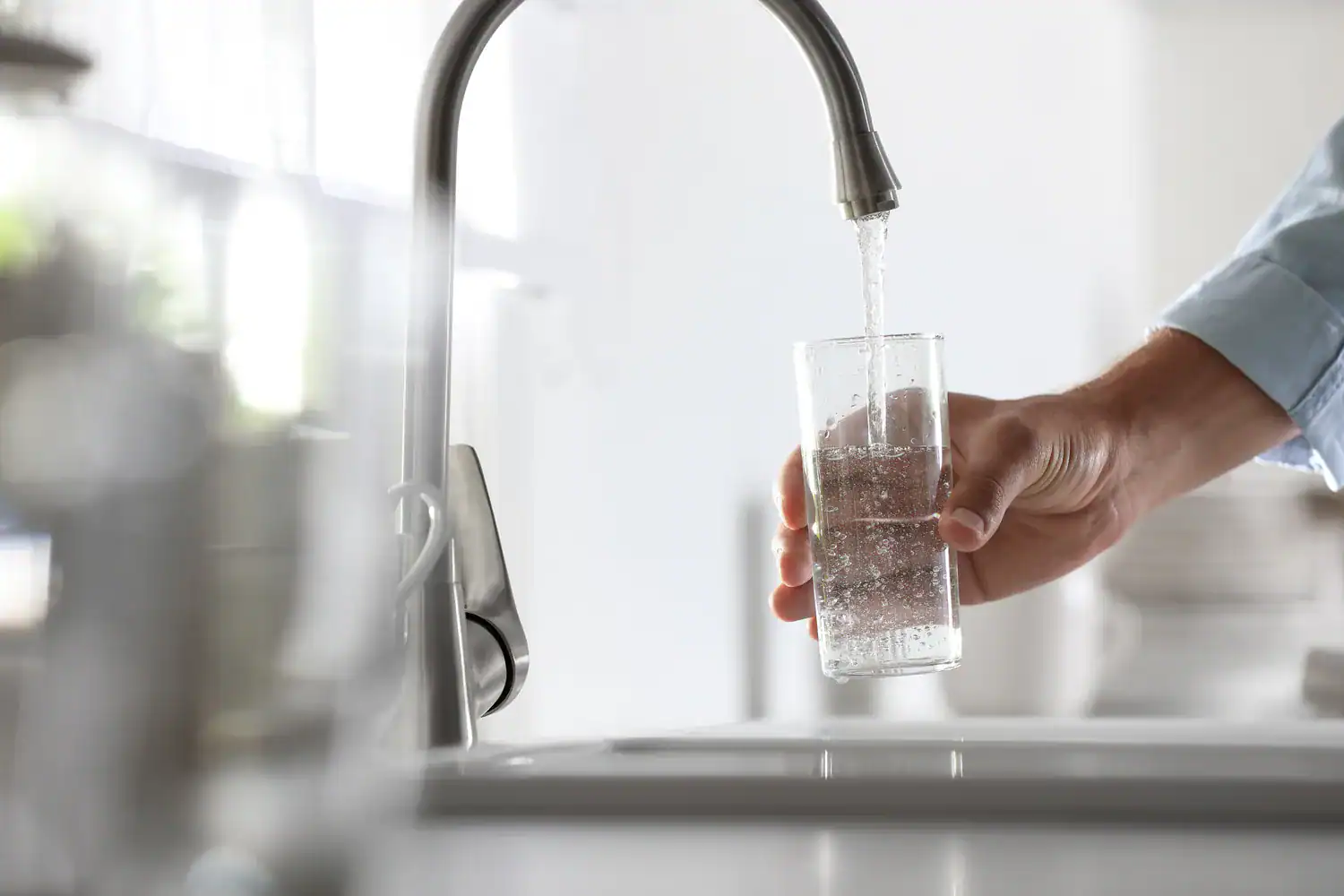
When the water coming out of every tap has been properly filtered, the difference is immediate and it compounds over time. Softer skin after a shower. Clothes that hold their color longer. A water heater that doesn’t have to fight through scale buildup to do its job. No more cases of bottled water stacked in the corner because you don’t trust what’s coming out of the tap.
We’ve been installing and servicing water treatment systems across Central Florida for more than 50 years, which means we’ve been working with Orange County Utilities water — the same Floridan Aquifer supply that feeds homes along Silver Star Road, West Colonial Drive, and every neighborhood in Pine Hills — long before most of our competitors were in business.
We hold an A-rating with the Better Business Bureau, a 5-star record, and zero complaints on file. In an industry the Florida Attorney General has had to prosecute for deceptive sales practices, that track record is not a small thing. We’re also a member of the National Water Quality Association, which requires passing a comprehensive exam and holding to a real code of ethics — not just paying a membership fee.
We service every system we install. We also service systems installed by other companies. If you bought a system from someone else and they stopped returning your calls, we’ll come out. That’s not a marketing line — it’s just how we operate.
It starts with a free water analysis — a real one. Not the theatrical chemical-drop demonstration some companies use to make every glass of water look like a biohazard. We test your specific water for hardness, chlorine, total dissolved solids, pH, iron, and other factors relevant to what Orange County Utilities is delivering to your Pine Hills home. The results drive the recommendation. If your water doesn’t need a specific treatment, we’ll tell you that.
Once the analysis is complete, you’ll get a clear explanation of what was found and what type of system would actually address it. For most Pine Hills homes — particularly those built in the original development era with aging pipes and decades of mineral accumulation — a whole-house purification system is the most comprehensive answer. It treats the water at the point it enters your home, so every tap, every appliance, and every shower gets the same clean water. Supporting that with a reverse osmosis drinking water system at the kitchen tap takes the quality even further for what your family actually consumes.
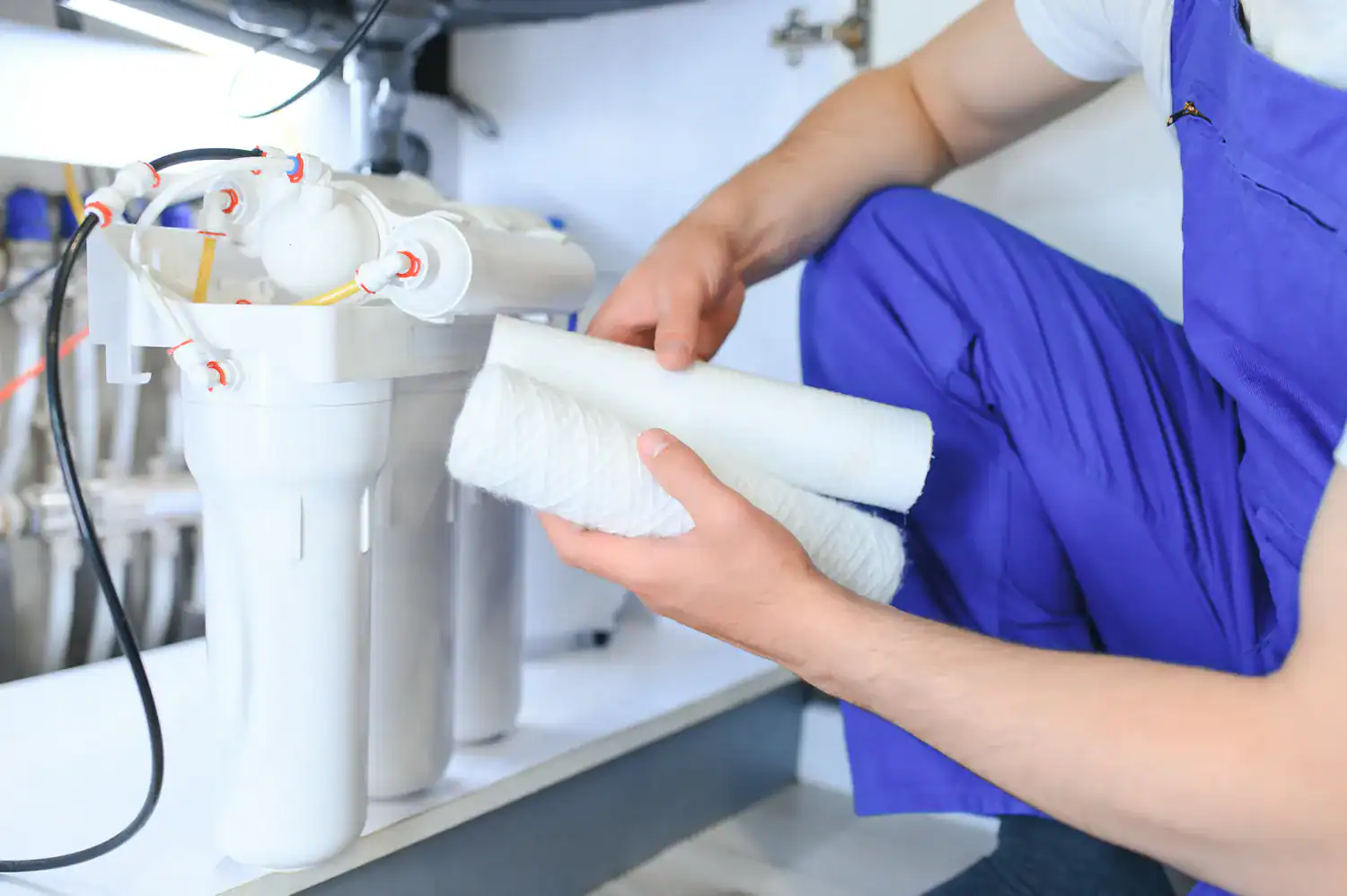
Installation is handled by our own team. Orange County has cross-connection control requirements for systems that connect to the main supply line, and professional installation ensures everything is done to code. After the system is in, we don’t disappear — ongoing service and maintenance are part of what we do, for our installs and for other brands too.
Ready to get started?
The water coming into your Pine Hills home has a specific profile. Orange County Utilities draws from the Floridan Aquifer, aerates it, and chlorinates it before it reaches your tap. The result is water that carries a natural mineral load — hard enough to cause scale buildup on fixtures and inside appliances — plus chlorine and the disinfection byproducts that form when chlorine reacts with organic matter in the water. The EWG Tap Water Database specifically identifies haloacetic acids, including dichloroacetic acid, as a contaminant of concern in the Orange County Utilities West system that serves Pine Hills. These aren’t visible or easy to smell. They’re just there.
Our whole-house systems are built around what your water actually contains. Activated carbon filtration addresses chlorine, taste, odor, and disinfection byproducts. Water softening through ion exchange handles the hardness that’s been building scale in your pipes and shortening the life of your appliances. For homes where drinking water quality is the primary concern, a reverse osmosis system at the kitchen tap removes up to 99% of dissolved solids — including PFAS compounds that have been documented in Florida water supplies statewide. UV disinfection is available for homes with any bacterial concerns, including the small number of Pine Hills properties still on private wells in the Little Wekiva Watershed area.
Every system is sized and configured based on your actual water test results and your household’s usage. Military members and first responders receive a $500 discount — a real number, applied at the time of purchase.
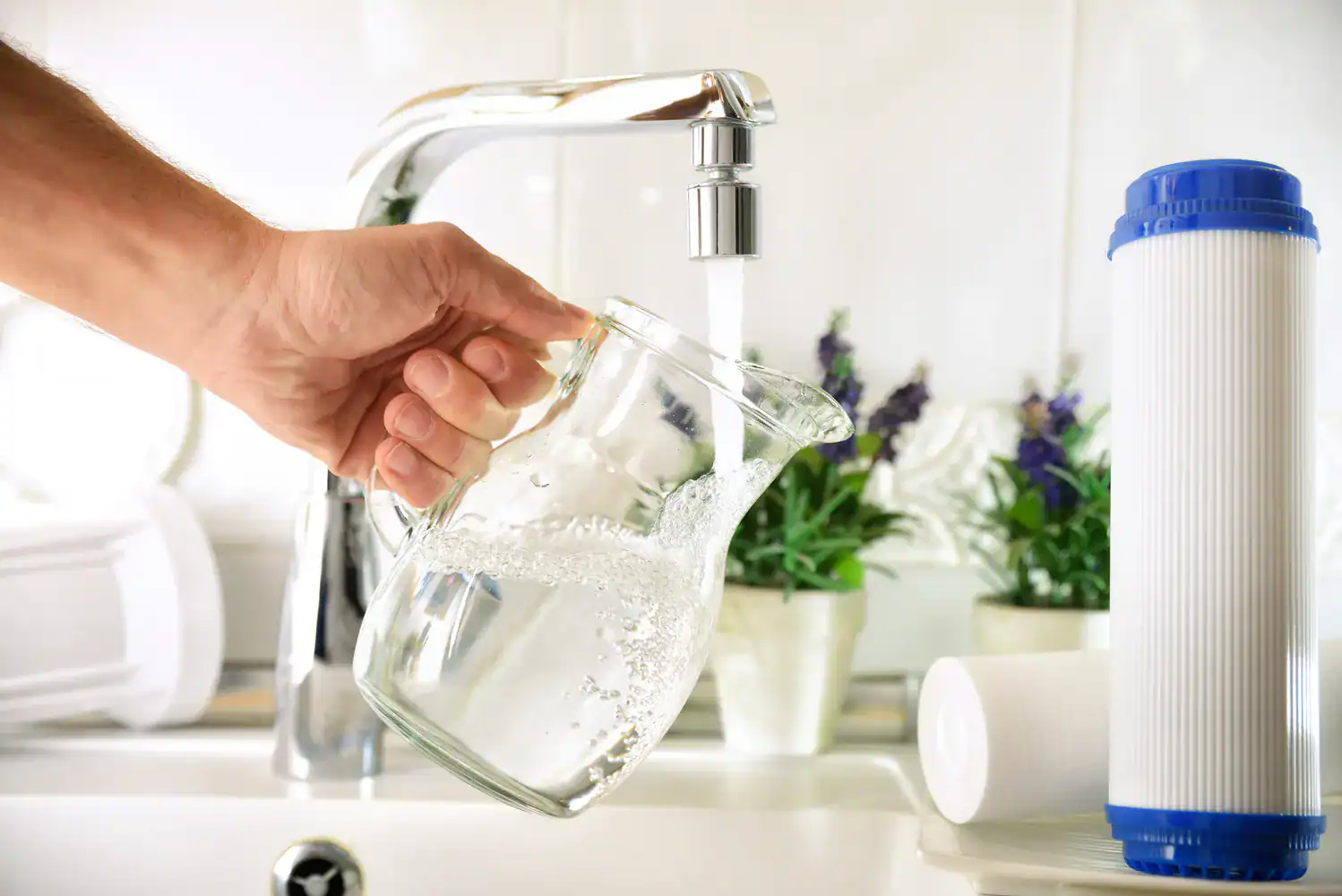
Orange County Utilities draws Pine Hills’ water supply from the Floridan Aquifer and treats it through aeration and chlorination before it reaches your home. The water is considered safe by federal regulatory standards, but “safe” and “clean” aren’t the same thing. The EWG Tap Water Database for the Orange County Utilities West system — the utility serving Pine Hills — identifies haloacetic acids as a contaminant of concern. These are chemical compounds that form when chlorine reacts with natural organic matter during the disinfection process. Dichloroacetic acid is one of the specific compounds identified in this system’s data.
Beyond disinfection byproducts, the Floridan Aquifer delivers naturally mineral-rich water that runs hard throughout Central Florida. Hard water doesn’t pose an acute health risk, but it causes real, cumulative damage to pipes, fixtures, and appliances over time — something homeowners in Pine Hills’ older housing stock know firsthand. A free water analysis will give you the actual numbers for your specific home, not a generic estimate.
Yes — Orange County water is hard, and for homes in Pine Hills, the effects are compounded by the age of the housing stock. The Floridan Aquifer carries a natural mineral load that results in water hardness levels that typically run well into the “hard” to “very hard” range across Central Florida. When that water moves through pipes in a home built in the 1950s or 1960s — which describes a significant portion of Pine Hills’ residential inventory in neighborhoods like Robinswood and Pine Ridge Estates — it has had decades to deposit scale inside the plumbing, the water heater, and every appliance connected to the supply line.
The visible signs are the white crust around faucets and showerheads, the residue on dishes, and the film that never quite washes off glass surfaces. The less visible damage is inside your water heater and pipes, where scale buildup reduces efficiency and accelerates wear. A water softener or whole-house filtration system with a softening component stops that process from continuing and protects the investment you’ve made in your Pine Hills home.
A water softener specifically targets hardness minerals — calcium and magnesium — using a process called ion exchange. It’s effective at eliminating scale buildup and the skin and hair issues that come with hard water, but it doesn’t address chlorine, disinfection byproducts, sediment, or other contaminants. A whole-house water filtration system is a broader solution. Depending on how it’s configured, it can handle hardness, chlorine, activated carbon filtration for chemical byproducts, sediment removal, and more — all at the point where water enters your home.
For most Pine Hills homeowners dealing with Orange County Utilities water, the most complete answer is a whole-house purification system that addresses multiple issues simultaneously. Your water has both hardness and disinfection byproduct concerns, and treating only one of them leaves the other unaddressed. The right system for your home depends on what a real water analysis actually shows — not on what a salesperson thinks you need before they’ve tested anything.
The honest answer is that it depends on what your water actually needs — which is why a real water analysis comes first. A basic whole-house carbon filtration system for a Pine Hills home addressing chlorine and taste concerns typically starts in the $1,000–$2,500 range. A more comprehensive whole-house purification system that handles hardness, disinfection byproducts, sediment, and chlorine for a larger home can run $3,000–$6,000 or more depending on the configuration and the home’s size and water usage.
What’s worth factoring into that number is what you’re currently spending on bottled water — a family of four can easily spend $400–$600 per year on bottled water alone — plus the long-term cost of appliance wear from hard water. A water heater that fails five years early because of scale buildup costs more than the system that would have prevented it. Military members and first responders receive a $500 discount off their system, which is a meaningful reduction at any price point. We’ll walk you through the numbers after your water analysis, with no pressure and no obligation.
For most Pine Hills households, yes — especially if your family has been defaulting to bottled water because you don’t trust what comes out of the tap. A reverse osmosis system installed at the kitchen tap removes up to 99% of dissolved solids, including chlorine, disinfection byproducts, heavy metals, nitrates, and PFAS compounds. Florida has documented PFAS contamination in water supplies statewide, affecting nearly 9 million residents according to utility testing reports, and while levels vary by utility, the concern is real and documented.
The ongoing cost of maintaining a residential RO system runs approximately $80–$150 per year in filter replacements — a fraction of what most families spend on bottled water annually. The water quality is comparable to or better than most bottled water brands, and it comes directly from your kitchen tap. For Pine Hills families with children in the home, the health argument is straightforward: you’re removing the compounds that form as a direct byproduct of the disinfection process, and you’re doing it at the point of consumption.
Please provide your email address so that we can stay in touch and answer any questions you have! We will be reaching back out shortly.
"*" indicates required fields