Reach Out Today
Please provide your email address so that we can stay in touch and answer any questions you have! We will be reaching back out shortly.


Hear from Our Customers
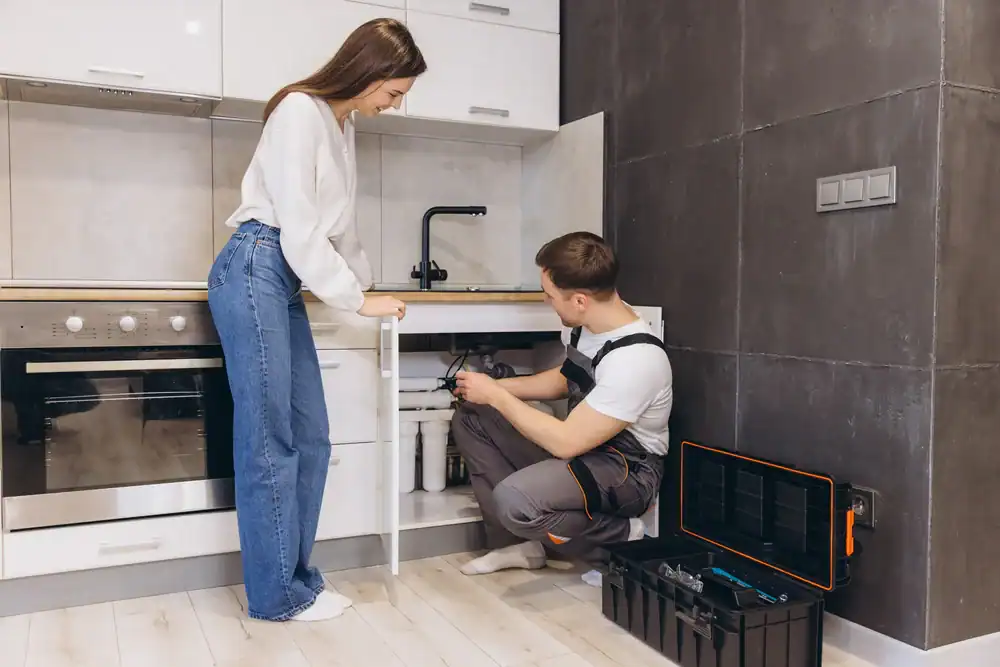
Your appliances last longer because they’re not fighting mineral buildup every day. Your skin doesn’t feel tight and dry after every shower. Your dishes come out of the dishwasher without spots, and your coffee doesn’t taste like chlorine.
That’s what happens when you install a water filtration system designed for Central Florida’s water problems. Ocoee’s water measures 17.2 grains per gallon of hardness—that’s classified as “extremely hard.” It also contains contaminants above EPA guidelines, even though it technically meets federal limits.
You’re not imagining the issues. The white buildup around your faucets, the soap that won’t lather, the appliances that wear out faster than they should—those are real problems caused by what’s flowing through your pipes. A whole-house water filtration system removes the minerals, chemicals, and contaminants before they reach your taps, your water heater, or your family.
We hold an A+ Better Business Bureau rating with a 5-star review score and zero complaints. That’s not common in this industry, especially when national companies are known for selling systems and disappearing when you need service.
We’re members of the National Water Quality Association, which matters because 92% of buyers prefer independently certified filters and are willing to pay more for that assurance. We live and work in Central Florida, so we understand what Ocoee homeowners deal with—limestone-rich soil, high water tables, and seasonal water quality shifts that affect taste and safety.
We also support the people who serve our community. Military members and first responders receive a $500 discount, and we’re proud partners with the Tunnels to Towers Foundation.
First, we test your water. Not a guess, not a visual inspection—actual laboratory analysis that tells you what’s in your water and at what levels. That’s how we know whether you need a reverse osmosis system, activated carbon filtration, UV water purification, or a combination.
Once we know what you’re dealing with, we recommend a system that addresses your specific problems. If you have extremely hard water, we’re looking at whole-house softening and filtration. If chlorine taste is your main concern, activated carbon handles that. If you’re on well water with bacteria risks, UV purification is part of the conversation.
Installation happens at your main water line for whole-house systems, or under your sink for drinking water-specific filtration. We walk you through how the system works, what maintenance looks like, and what to expect in terms of water quality improvement. You’ll notice the difference immediately—no chlorine smell, no mineral film, no metallic taste.
Ready to get started?
Whole-house filtration systems treat all the water entering your home, protecting appliances, plumbing, and every faucet. These systems typically combine sediment filters, activated carbon filtration, and water softening to handle Florida’s unique blend of hardness, chlorine, and organic matter.
Reverse osmosis systems install under your kitchen sink and provide purified drinking water by forcing water through a semi-permeable membrane that removes contaminants down to 0.0001 microns. That includes lead, nitrates, PFAS, and the trihalomethanes that form when chlorine reacts with organic material. Ocoee’s water contains detectable levels of these compounds, and reverse osmosis is one of the few methods proven to remove them.
UV water purification uses ultraviolet light to kill bacteria, viruses, and other microorganisms without adding chemicals. This matters for well water users or anyone concerned about biological contaminants. Florida’s high water table and porous limestone make groundwater contamination a real risk, and UV systems provide an extra layer of protection.
Under-sink filter installation gives you point-of-use treatment for drinking and cooking water. If you’re not ready for a whole-house system, this is a practical starting point that still delivers cleaner, safer water where you need it most.
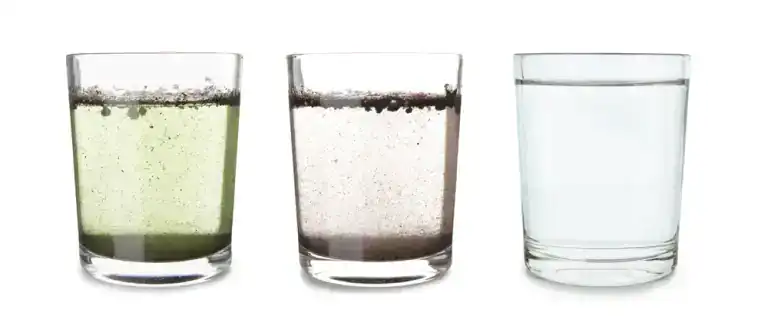
Cost depends on what you’re treating and how much water your household uses. A basic whole-house system with sediment and carbon filtration typically starts around $2,000 to $3,000 installed. Add water softening for Ocoee’s hard water, and you’re looking at $3,500 to $5,500. Reverse osmosis systems for drinking water run $400 to $1,200 depending on capacity and features.
Here’s the trade-off: the average American spends $1,400 per year on bottled water just to drink the recommended eight glasses a day. A whole-house system pays for itself in appliance protection alone—water heaters, dishwashers, and washing machines last significantly longer when they’re not fighting mineral deposits. You’re also avoiding the hidden costs of hard water: more soap and detergent needed, more frequent plumbing repairs, and constant scrubbing of mineral buildup.
We provide free water testing and a detailed quote based on what’s actually in your water, not a one-size-fits-all price. That way, you know exactly what you’re paying for and why.
It depends on the type of system, which is why testing matters. Activated carbon filtration removes chlorine, chloramines, volatile organic compounds, and chemicals that affect taste and odor. It’s highly effective for municipal water treatment byproducts, which are common in Ocoee’s water supply.
Reverse osmosis removes dissolved solids like lead, nitrates, fluoride, arsenic, and PFAS—the “forever chemicals” that standard filters miss. Ocoee’s water contains nitrates from agricultural runoff and trace amounts of lead from aging infrastructure. Reverse osmosis addresses both.
Water softeners remove calcium and magnesium, the minerals responsible for hardness. UV purification kills bacteria, viruses, and parasites without chemicals. Sediment filters catch rust, dirt, and particulates before they reach your fixtures or other filtration stages.
Most homes in Ocoee benefit from a combination approach: whole-house sediment and carbon filtration for general treatment, softening for hardness, and reverse osmosis at the kitchen sink for drinking water. That covers the full range of concerns—taste, safety, and appliance protection.
Sediment pre-filters typically need replacement every three to six months, depending on your water quality and usage. If you’re on well water or have high sediment levels, you’ll be on the shorter end of that range.
Activated carbon filters last six months to a year in most residential systems. You’ll know it’s time when you start noticing chlorine taste or odor returning. Some systems have indicator lights or timers to remind you.
Reverse osmosis membranes last two to three years with proper maintenance. The pre-filters and post-filters in an RO system need more frequent changes—every six to twelve months—but the membrane itself is the expensive part, and it lasts significantly longer.
Water softener resin beds can last ten to fifteen years if you’re using the right salt and regenerating the system properly. UV bulbs need annual replacement because their effectiveness diminishes over time, even if they still appear to be working.
We provide maintenance plans that take the guesswork out of filter changes. You get reminders when it’s time, and we handle the replacement so your system keeps working at full capacity.
A properly sized and installed system won’t cause noticeable pressure loss. Whole-house filters are designed to handle your home’s flow rate—typically 10 to 15 gallons per minute for residential use. If the system is undersized or the filters are clogged, then yes, you’ll see pressure drop.
That’s why we size systems based on your home’s plumbing, number of bathrooms, and peak usage times. We’re not installing a system designed for a two-bedroom condo in a four-bedroom house with teenagers who all shower at the same time.
Sediment and carbon filters do create some resistance, but it’s minimal when the system is maintained. Clogged filters are the main cause of pressure issues, which is another reason regular filter changes matter. Water softeners actually improve flow in homes with severe hardness because they prevent the mineral buildup that narrows pipes over time.
Under-sink reverse osmosis systems use a storage tank, so you don’t notice any pressure difference at the faucet. The system filters water slowly and stores it, then delivers it at normal pressure when you turn on the tap.
City water meets federal safety standards, but that doesn’t mean it’s problem-free. Ocoee’s municipal water contains chlorine and chloramines for disinfection, which affect taste and smell. It also has hardness levels that damage appliances and create cleaning headaches.
More concerning: Ocoee’s water has two contaminants above EPA health guidelines, even though it’s within legal limits. Legal limits and health guidelines aren’t the same thing. The EPA sets Maximum Contaminant Level Goals (MCLGs) based on health impacts, especially for vulnerable populations like children and pregnant women. Legal limits are often higher because they factor in treatment costs and feasibility.
Chlorine byproducts like trihalomethanes form when chlorine reacts with organic matter in the water. These are linked to long-term health risks, and they’re present in treated water throughout Central Florida. A quality filtration system removes them.
You’re also dealing with aging infrastructure. Lead can leach from old pipes and fixtures, especially in older Ocoee neighborhoods. Nitrates from fertilizer runoff are common in Florida’s groundwater and can contaminate municipal supplies during heavy rains. City treatment doesn’t remove everything, and what comes out of your tap isn’t always what left the treatment plant.
Please provide your email address so that we can stay in touch and answer any questions you have! We will be reaching back out shortly.
"*" indicates required fields