Reach Out Today
Please provide your email address so that we can stay in touch and answer any questions you have! We will be reaching back out shortly.


Hear from Our Customers

Your soap lathers properly in the shower. Coffee tastes the way it should without that chlorine bite or metallic aftertaste. The reddish-brown stains stop appearing on your toilets and sinks every week.
Your washing machine isn’t fighting mineral buildup every cycle. Your water heater isn’t constantly battling scale that drives up energy bills and shortens its lifespan. Appliances last longer because hard water isn’t destroying them from the inside.
You stop buying bottled water because what comes from your tap actually tastes good. Your family drinks more water. You’re not wondering what’s actually in the water your kids are bathing in or your pets are drinking.
The embarrassing sulfur smell disappears when guests come over. Your plumbing stays clear instead of slowly clogging with mineral deposits. You have documentation showing exactly what was in your water and what’s been removed.
We hold an A-rating with the Better Business Bureau with a 5-star rating and zero complaints. We’re members of the National Water Quality Association, which means we follow industry standards that actually matter.
We’re not the national companies that show up, install a system, and disappear when you need service. We built our reputation in Florida by understanding exactly what Moultrie Junction homeowners deal with when it comes to water quality.
The limestone aquifers throughout this area create hard water issues in nearly every home. Well water often carries iron, manganese, and sulfur. Municipal supplies contain chlorine and sometimes PFAS. We test for all of it, then install systems designed specifically for what your water actually needs.
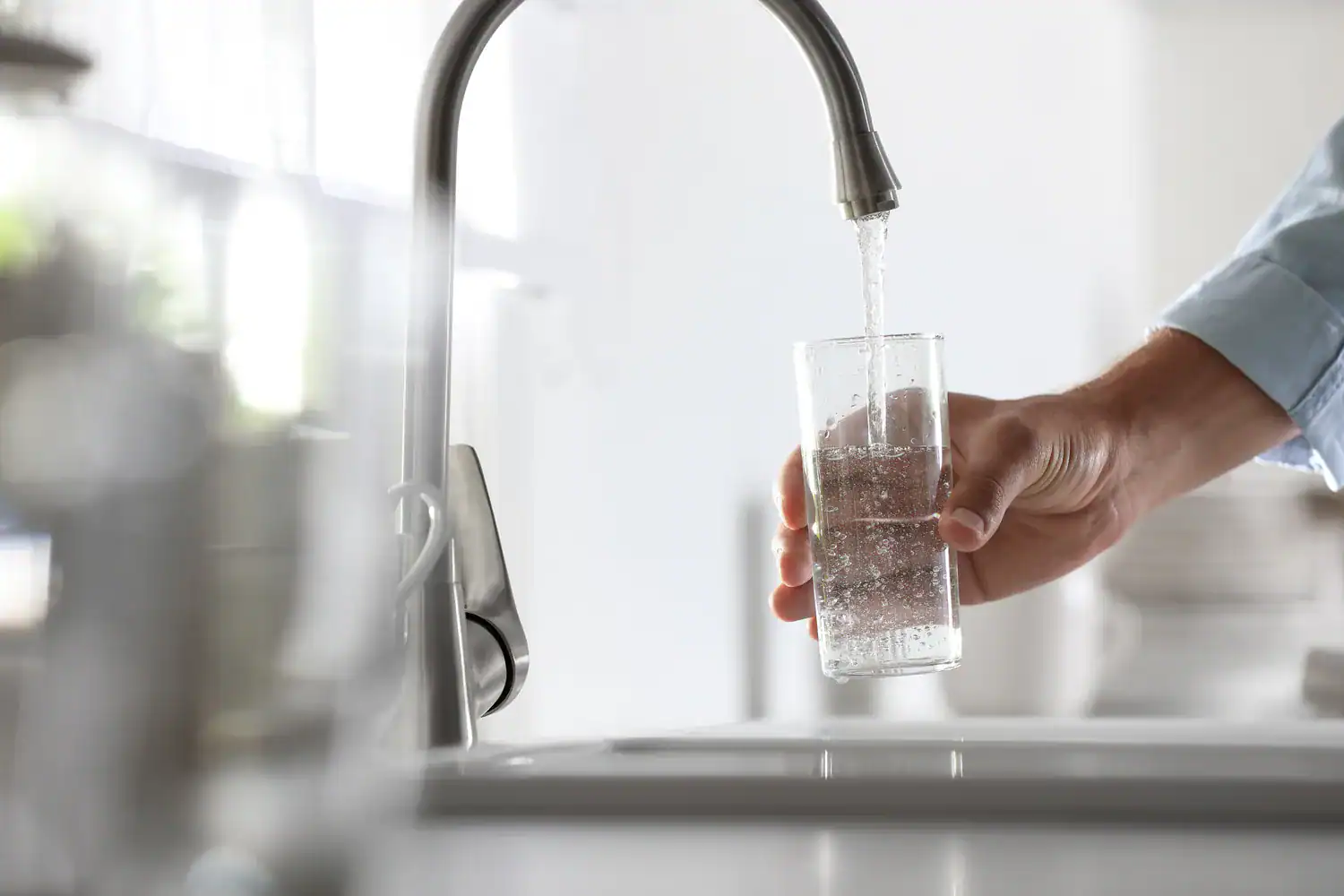
We start with laboratory-grade water testing. Not a sales pitch disguised as a free test, but actual analysis to see what contaminants you’re dealing with. Iron, manganese, sulfur, hardness levels, bacteria, nitrates, PFAS—whatever’s in your water shows up in the results.
Once we know what’s in your water, we recommend the right combination of filtration technologies. Reverse osmosis systems remove dissolved solids and contaminants down to 0.0001 microns. Activated carbon filtration handles chlorine, chemicals, and taste issues. UV water purification kills bacteria and viruses without adding chemicals.
For whole house systems, we install the equipment where your water line enters your home, treating every drop before it reaches any faucet or appliance. For under-sink filter installation, we set up a dedicated system at your kitchen tap for drinking and cooking water.
You receive detailed documentation about your system—what it removes, maintenance schedules, warranty information, and our contact information for ongoing support. We’re still here when you need us, whether that’s routine maintenance or questions about your system.
Ready to get started?
Most Moultrie Junction homes need a combination approach. Hard water is the most common issue in Florida, with high concentrations of calcium and magnesium from limestone aquifers. A water softener handles that, protecting your appliances and plumbing while making soap and shampoo work properly.
Iron and manganese are common in well water throughout this area. They cause those reddish-brown or black stains on fixtures and laundry, plus a metallic taste. Iron removal systems use oxidation and filtration to pull these minerals out before they reach your home.
Sulfur produces that rotten egg smell in water. It’s not necessarily harmful, but it’s unpleasant and embarrassing. Activated carbon filtration combined with proper oxidation removes sulfur effectively.
Reverse osmosis systems handle the contaminants that don’t affect taste or appearance but impact health—nitrates from agricultural runoff, PFAS from industrial sources, bacteria, and dissolved solids. These systems are particularly important for families with children, elderly household members, or anyone with compromised immune systems.
UV water purification adds a final layer of protection against bacteria and viruses without adding chlorine or other chemicals to your water. The UV light destroys microorganisms as water passes through, providing protection especially important for well water users.
We offer a $500 discount for military personnel and first responders. It’s our way of supporting the people who serve this community.
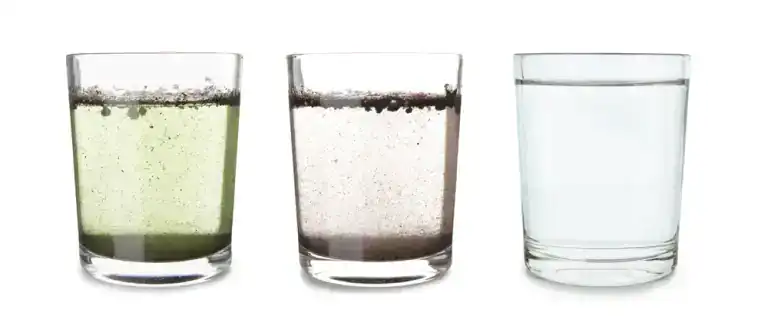
Start with water testing. What’s in your water determines what you need to remove.
If you’re on well water in Moultrie Junction, you’re likely dealing with hard water, iron, and possibly sulfur or bacteria. Municipal water typically has chlorine, sometimes PFAS, and varying levels of hardness depending on the treatment process and distribution system age.
We test for hardness levels, iron, manganese, sulfur, bacteria, nitrates, pH, total dissolved solids, and other contaminants specific to Florida water sources. The results tell us whether you need a softener, iron removal, reverse osmosis, UV purification, or a combination.
A whole house system makes sense if you want every faucet and appliance protected. Under-sink systems work if you mainly want better drinking and cooking water. Most homeowners benefit from both—whole house treatment for hardness and basic filtration, plus a reverse osmosis system at the kitchen sink for drinking water.
A water softener specifically removes hardness minerals—calcium and magnesium. It uses ion exchange to swap those minerals for sodium or potassium. This protects your appliances, stops scale buildup in pipes, and makes soap work properly.
A filtration system removes contaminants—chlorine, chemicals, bacteria, heavy metals, and other substances that affect health or taste. Different filtration technologies handle different contaminants. Activated carbon removes chlorine and chemicals. Reverse osmosis removes dissolved solids and contaminants down to microscopic levels. UV purification kills bacteria and viruses.
Most Florida homes need both. The limestone aquifers that supply much of our water create hardness issues in nearly every home. But hardness isn’t the only problem. Well water often contains iron, manganese, sulfur, and bacteria. Municipal water contains chlorine and treatment chemicals.
A comprehensive system addresses all of these issues. Water softener for hardness. Iron removal if needed. Carbon filtration for taste and odor. Reverse osmosis for drinking water. UV if you’re concerned about bacteria. We design systems based on what your specific water test shows.
Families spending $100 per month on bottled water pay $1,200 annually. Over five years, that’s $6,000—and you’re consuming water with significantly higher microplastic content than filtered tap water.
A whole house water filtration system typically costs between $2,000 and $5,000 depending on what your water needs and which technologies are required. Add a reverse osmosis system for drinking water, and you’re looking at another $400 to $800 for under-sink installation.
Let’s say you invest $3,500 total. Compared to five years of bottled water at $6,000, you’re saving $2,500 while getting better water from every faucet in your home, not just what you drink. Your appliances last longer. Your plumbing stays clearer. Your water heater runs more efficiently.
Maintenance costs run about $100 to $200 annually for filter replacements and salt for the softener. Still far less than bottled water, and you’re not creating plastic waste or hauling heavy cases from the store.
The return on investment shows up in lower energy bills, longer appliance life, less frequent plumbing repairs, and better water quality throughout your entire home.
The system prevents new stains from forming. It doesn’t remove existing stains that are already on your fixtures.
Iron in water oxidizes when it hits air, leaving those reddish-brown stains on toilets, sinks, tubs, and anywhere water sits. Once installed, an iron removal system pulls the iron out before it reaches your fixtures, so new stains stop appearing.
For existing stains, you’ll need to clean them with a product designed for iron removal—something with oxalic acid or a similar compound. Bar Keeper’s Friend works well for most surfaces. For toilets, there are specific iron stain removers that sit in the bowl and break down the deposits.
After the system is installed and you’ve cleaned the existing stains, they won’t come back. Your fixtures stay clean. Your laundry doesn’t come out with rust-colored spots. The metallic taste in your water disappears.
The same applies to black stains from manganese or the crusty white buildup from hard water. The filtration system stops the problem at the source, but you’ll need to clean what’s already there.
Depends on the system type and your water quality, but most homeowners handle basic maintenance themselves with annual professional service.
Water softeners need salt refills every few weeks to months depending on water hardness and household water usage. You pour salt into the brine tank when it runs low. The system regenerates automatically, usually at night.
Carbon filters typically need replacement every six to twelve months. Sediment pre-filters might need changing every three to six months if you have high sediment levels. These are straightforward replacements—twist off the old housing, swap the filter, twist it back on.
Reverse osmosis systems have multiple filters. Sediment and carbon pre-filters change every six to twelve months. The RO membrane itself lasts two to four years. Post-filters change annually. Most systems have indicators showing when filters need replacement.
UV systems need annual bulb replacement. The bulb loses effectiveness over time even though it still produces light. Changing it annually ensures continued bacteria and virus protection.
We recommend professional service annually. We check system performance, test water quality to confirm everything’s working properly, inspect for any wear or potential issues, and handle any maintenance you’d rather not do yourself. Keeps your warranty valid and catches small problems before they become expensive ones.
Please provide your email address so that we can stay in touch and answer any questions you have! We will be reaching back out shortly.
"*" indicates required fields