Reach Out Today
Please provide your email address so that we can stay in touch and answer any questions you have! We will be reaching back out shortly.


Hear from Our Customers
You shouldn’t have to buy bottled water just to feel safe giving your kids a glass at dinner. You shouldn’t notice a chemical smell every time you turn on the shower. And you definitely shouldn’t be replacing appliances years early because your water is slowly destroying them from the inside.
A whole house water filtration system changes all of that. Every faucet, every shower, every appliance gets clean, filtered water. No more scale buildup on your fixtures. No more chlorine smell in your bathroom. No more guessing whether what’s coming out of your tap is actually safe.
Your coffee tastes better. Your skin feels better after a shower. Your washing machine and water heater last longer. And when your kids ask for water, you can say yes without thinking twice.
We’ve been installing water filtration systems in Central Florida since before most national companies existed. That’s over five decades of dealing with the same water issues you’re facing right now—the hard water, the chlorine, the contaminants that make Maitland’s water grade poorly on health standards.
Here’s what matters: we’re A-rated by the Better Business Bureau with a five-star rating and zero complaints. We’re members of the National Water Quality Association. And unlike some of the bigger names that sell you a system and disappear, we actually service what we install.
We’re not the cheapest option in Maitland, and that’s intentional. You’re not paying for a quick fix that breaks down in three years. You’re paying for a system that’s custom-designed based on your actual water test results, professionally installed, and backed by people who’ll still answer the phone when you need service.
First, we test your water. Not a guess based on your zip code—an actual analysis of what’s coming through your pipes. That tells us what contaminants we’re dealing with and what type of filtration you actually need.
Then we design a system for your home. If you have high chlorine and hardness issues, that’s a different setup than someone dealing with lead or bacteria. We look at your family’s water usage, your plumbing setup, and what you’re trying to solve. One size doesn’t fit all, and we don’t pretend it does.
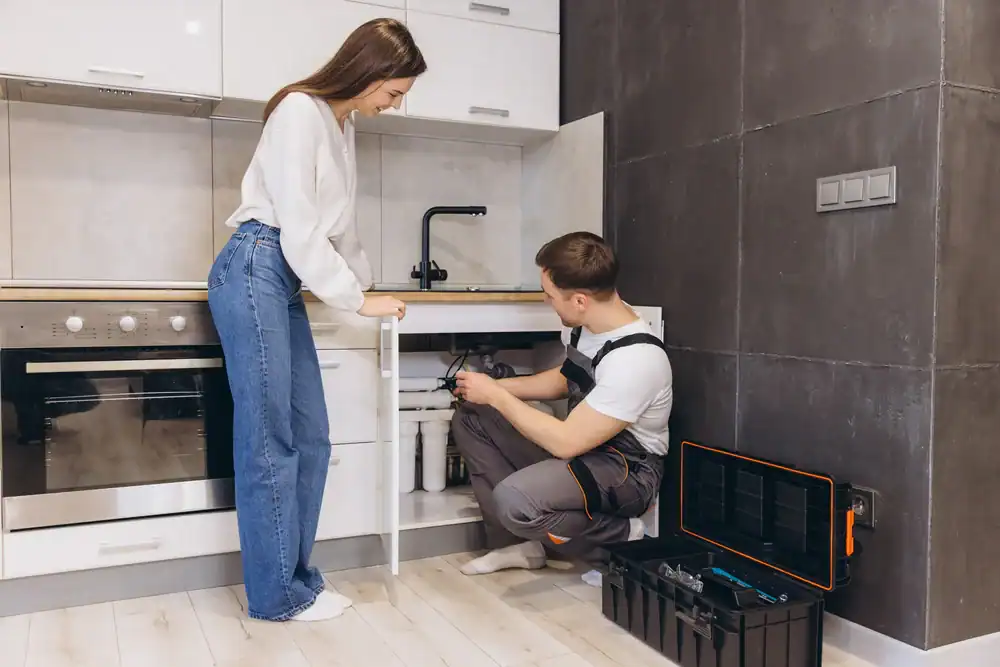
Installation typically takes a day. We’re connecting the system to your main water line so every drop that enters your house gets filtered. That includes your kitchen, bathrooms, laundry, everything. We test it when we’re done to make sure it’s working right.
After that, you’ve got clean water. We’ll show you how the system works, what maintenance looks like, and how to reach us if anything comes up. Most of our systems run for years without major service, but when you need us, we’re here.
Ready to get started?
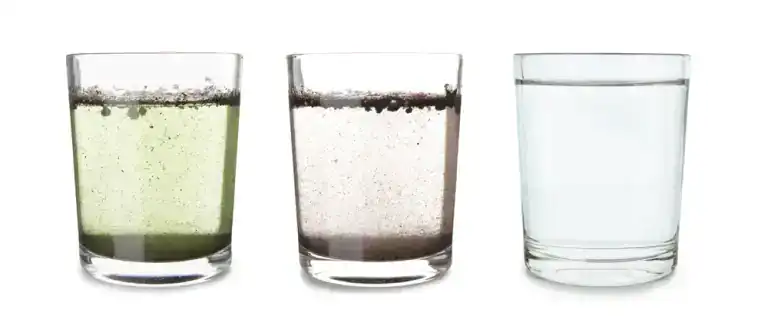
Let’s talk about what’s in the water here. Maitland’s municipal supply has six contaminants above EPA health guidelines—including bromodichloromethane and chloroform, both linked to cancer risk and pregnancy complications. The city’s water quality earned a poor grade, and testing labs specifically recommend filtration systems for homes in this area.
That’s not scare tactics. That’s public record. And it’s why a basic pitcher filter isn’t going to cut it.
Our systems use multi-stage filtration. Activated carbon removes chlorine, chemicals, and the taste and odor issues you’re probably noticing. Reverse osmosis systems take out heavy metals, lead, and dissolved solids that carbon can’t catch. UV purification kills bacteria and waterborne organisms without adding chemicals to your water.
We also install salt-free water conditioning to handle hardness without the environmental impact or ongoing cost of traditional softeners. No salt bags to haul. No wastewater. Just protection for your pipes and appliances.
You’ll get a free water analysis before we recommend anything. You’ll get professional installation by people who’ve done this thousands of times. And you’ll get a system designed around what’s actually in your water—not what some national company assumes is there.
It depends on what’s in your water and what you need the system to do. A basic whole house carbon filter might run a few thousand dollars. A comprehensive system with reverse osmosis, UV purification, and salt-free conditioning is going to cost more—but it’s also solving more problems.
Here’s the better question: what’s it costing you right now? If you’re spending $100 a month on bottled water, that’s $1,200 a year. If your water heater failed early because of scale buildup, that’s another $1,500 to replace. If your dishwasher and washing machine are on borrowed time, add a few thousand more.
A quality filtration system typically pays for itself within a few years just in appliance protection and eliminating bottled water. And it lasts anywhere from 10 to 20 years depending on the type and how well it’s maintained. We’ll give you an honest quote after we test your water and understand what you’re dealing with.
That depends entirely on what type of filtration you’re using. Activated carbon filters are excellent for chlorine, chloramines, volatile organic compounds, and the chemicals that cause bad taste and odor. They also catch some pesticides and herbicides.
Reverse osmosis systems go further. They remove heavy metals like lead and mercury, dissolved solids, fluoride, nitrates, and a lot of the stuff carbon can’t touch. RO systems are what you want if you’re concerned about contamination from aging pipes or industrial runoff.
UV purification is specifically for biological threats—bacteria, viruses, and parasites. It uses ultraviolet light to kill organisms without adding anything to your water. If you’re on well water or you’ve had boil-water notices in your area (which Maitland has experienced due to water plant failures), UV is a smart addition. The key is matching the filtration to what’s actually in your water, which is why we start with testing.
Most whole house systems need a filter change once or twice a year, depending on your water quality and how much water you use. Carbon filters get saturated over time and need replacing. That’s normal and not expensive—usually a couple hundred dollars.
Reverse osmosis systems have multiple filter stages, and those get changed on different schedules. The pre-filters might need changing every six months. The RO membrane itself can last two to five years if the system is maintained properly. UV bulbs typically need replacing once a year to stay effective.
Salt-free conditioners require very little maintenance. There’s no salt to add, no brine tank to clean, and no moving parts to break. You might need to replace the media every few years, but that’s about it. We’ll walk you through the maintenance schedule when we install your system, and we offer service for all makes and models if you’d rather have us handle it.
A properly sized and installed system shouldn’t cause noticeable pressure loss. If it does, something’s wrong with the setup. Either the system is undersized for your home’s flow rate, or there’s an installation issue that needs fixing.
When we design your system, we’re looking at your household size, your peak water usage times, and your existing pressure. A family of five that runs multiple showers and appliances at once needs a different flow rate than a couple living alone. We size the system accordingly so you’re not standing under a weak shower wondering why you paid for filtration.
That said, if your water pressure is already low, a filtration system isn’t going to make it worse—but it’s not going to fix it either. Low pressure usually means an issue with your municipal supply, your pipes, or a pressure regulator. We can identify that during the initial assessment and let you know if it’s something to address before or during installation.
Not necessarily. It depends on what problems you’re trying to solve. Traditional water softeners handle hardness—the calcium and magnesium that cause scale buildup and make it hard to get soap to lather. They don’t filter out chlorine, chemicals, or contaminants. That’s what filtration systems do.
If you have both hard water and contamination issues (which is common in Maitland), you need a system that addresses both. That’s where salt-free water conditioners come in. They prevent scale buildup without using salt or removing minerals, and they work alongside filtration to give you clean, conditioned water throughout your home.
The advantage of going salt-free is no ongoing salt costs, no wastewater from regeneration cycles, and no environmental impact. Traditional softeners can waste thousands of gallons of water per year during the regeneration process. Salt-free systems don’t regenerate, so there’s nothing to waste. We’ll test your water and recommend what actually makes sense for your situation—not just what we happen to sell.
Please provide your email address so that we can stay in touch and answer any questions you have! We will be reaching back out shortly.
"*" indicates required fields