Reach Out Today
Please provide your email address so that we can stay in touch and answer any questions you have! We will be reaching back out shortly.


Hear from Our Customers
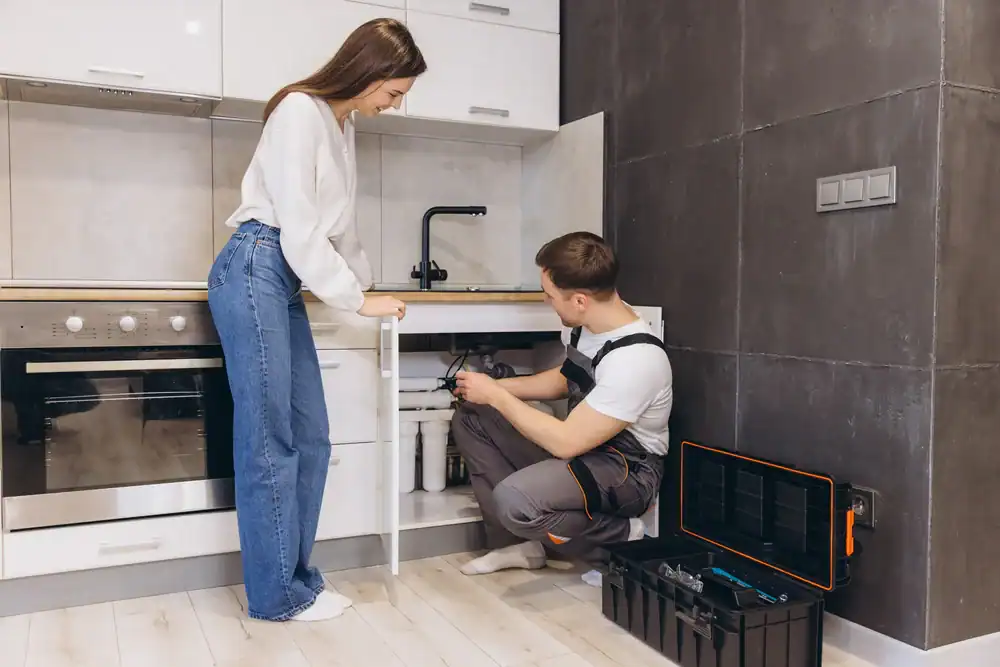
The white buildup around your faucets stops forming. Your dishwasher quits leaving spots on glassware. Soap actually rinses off your skin instead of leaving that filmy residue.
Hard water in Florida isn’t just annoying—it’s expensive. The mineral deposits shorten the life of your water heater, clog your washing machine, and force you to replace appliances years earlier than you should. A whole house water filter handles the problem at the source, before hard water reaches any fixture or appliance in your home.
You’ll also notice the chlorine taste disappears from your drinking water. That’s what activated carbon filtration does—it removes the chemicals that make Florida tap water taste like a swimming pool. If you want even cleaner drinking water, reverse osmosis systems take it further by filtering out contaminants down to the microscopic level.
The right water filtration system isn’t about luxury. It’s about protecting a significant investment in your home and avoiding the constant maintenance costs that hard water creates.
Quality Safe Water of Florida LLC focuses exclusively on water purification, softening, and filtration. We don’t do plumbing. We don’t install water heaters. We solve water quality problems, and that specialization matters when you’re comparing companies.
Our A-rating with the Better Business Bureau comes with a 5-star rating and zero complaints. We’re also members of the National Water Quality Association, which means we follow industry standards that a lot of companies skip. These aren’t just credentials—they’re proof that we show up, do the work right, and service what we sell.
Lincolnville homeowners deal with the same water issues affecting most of Florida: hard water from limestone aquifers, chlorine taste from municipal treatment, and mineral buildup that damages everything water touches. We test your specific water supply first, then design a system based on what’s actually in your water—not a one-size-fits-all setup that might work.
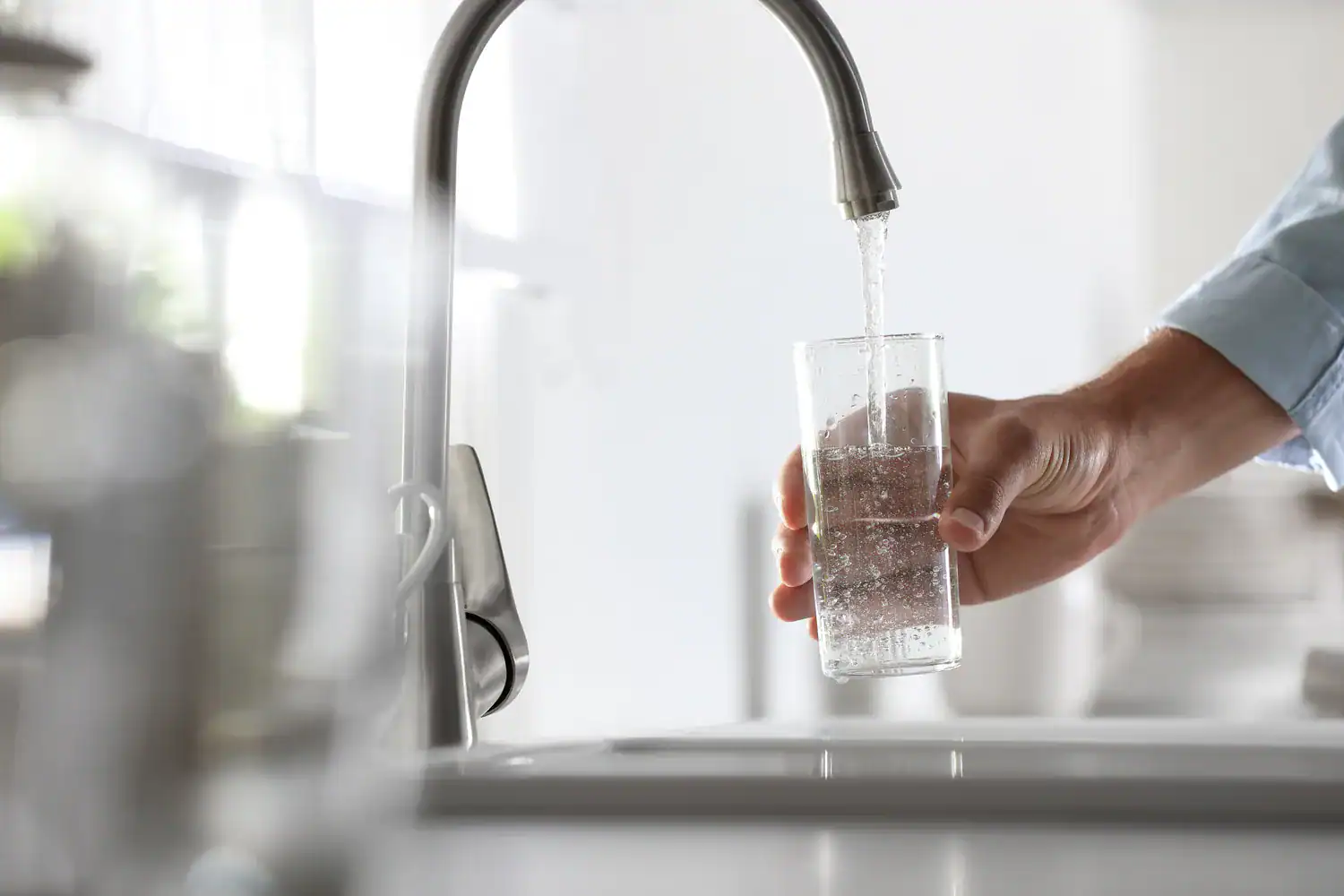
First, we test your water. Not a guess based on your neighborhood—an actual analysis of what’s coming through your pipes. That tells us which contaminants we’re dealing with and what type of filtration you need.
Then we design a system based on your home’s flow rate, plumbing layout, and how much water your household uses. An under-sink filter installation works for some homes. Others need a whole-house system with water softener installation to handle high mineral content throughout the property. Some homeowners add UV water purification for well water or reverse osmosis systems for drinking water quality testing at the tap.
Once you approve the design, we schedule installation. The timeline depends on the system, but most whole house water filter installations finish in a day. We handle the plumbing connections, set up any smart controls that monitor system performance, and test everything before we leave.
After installation, the system does its job. If you ever need service, we handle it—fast. That’s the difference between working with a local water treatment company and buying from a national brand that doesn’t service what they sell.
Ready to get started?
Every system starts with free in-home drinking water quality testing. We’re looking for hard water minerals like calcium and magnesium, metals such as iron and manganese, and chemicals like nitrates, pesticides, and chlorine. Florida’s porous limestone and high water table make contamination common, even when water looks clear.
Based on test results, we recommend the filtration method that actually solves your problem. Activated carbon filtration removes chlorine, pesticides, and chemicals that affect taste and odor. Water softeners eliminate the calcium and magnesium causing buildup and appliance damage. Reverse osmosis systems filter out contaminants at the molecular level for the cleanest possible drinking water. UV water purification kills bacteria and microorganisms without adding chemicals.
Most systems include smart controls that monitor water usage and alert you when maintenance is needed. You get a limited lifetime warranty on the equipment, and we service all makes and models—even if you didn’t buy from us.
If you’re military or a first responder, we offer a $500 discount. It’s our way of saying thanks for what you do for the community.
The goal isn’t to sell you the most expensive system. It’s to install what works for your water, your home, and your budget—then make sure it keeps working.
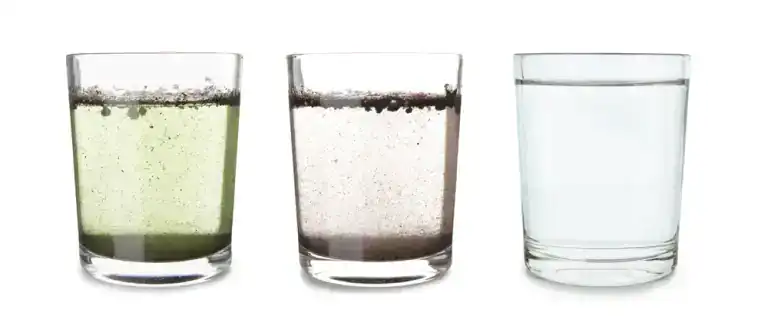
The cost depends entirely on what’s in your water and what type of system you need. A basic water softener installation runs differently than a comprehensive whole-house system with reverse osmosis and UV purification.
Here’s what drives the price: the size of your home, your daily water usage, the specific contaminants in your supply, and whether you need one filtration method or multiple. A household with moderate hard water might only need a softener. A home with well water, high mineral content, and bacteria concerns needs a more robust setup.
Most quality systems pay for themselves within a few years just from the money you save on appliance repairs, soap, and bottled water. Hard water costs Florida homeowners thousands in preventable damage over time—shortened appliance life, clogged pipes, constant cleaning products to fight mineral buildup. A water filtration system stops that cycle.
We give you an exact price after testing your water. No guessing, no pressure to buy something you don’t need.
A water softener removes hard water minerals—specifically calcium and magnesium—that cause buildup, clog pipes, and damage appliances. It uses a process called ion exchange to replace those minerals with sodium or potassium. Softeners solve the spotting, scaling, and appliance wear that hard water creates.
A water filtration system removes contaminants like chlorine, pesticides, heavy metals, bacteria, and chemicals. Depending on the type, it might use activated carbon filtration, reverse osmosis, or UV purification. Filtration improves taste, removes odors, and protects your health by eliminating harmful substances.
Most Florida homes benefit from both. Hard water is nearly universal here because of our limestone aquifers, so you need a softener to protect your plumbing and appliances. But municipal water also contains chlorine and treatment chemicals, and well water can have bacteria or nitrates—that’s where filtration comes in.
The best approach is a whole house water filter that combines softening and filtration. You get comprehensive protection instead of solving only half the problem.
It depends on the system type and how much water you use. Activated carbon filters typically need replacement every six to twelve months. Reverse osmosis systems have multiple filter stages—some change every six months, others last two to three years. UV purification bulbs usually need annual replacement to maintain effectiveness.
Water softeners require salt refills, and the resin bed eventually needs replacement after several years of use. Most modern systems include smart controls that monitor performance and alert you when maintenance is due, so you’re not guessing.
Regular maintenance isn’t optional if you want the system to keep working. A clogged filter stops removing contaminants. An old UV bulb stops killing bacteria. A softener without salt stops softening water. The whole point of installing a system is to have clean, soft water—maintenance is what keeps that happening.
We handle service for all makes and models, not just systems we install. If you bought from someone else and they disappeared or won’t return calls, we’ll take care of it. Fast, dependable service matters more than who sold you the equipment.
Yes, but you need the right type of filtration. Activated carbon filtration is specifically designed to remove chlorine, along with the taste and odor it causes. Carbon filters work through adsorption—chlorine molecules stick to the carbon surface as water passes through, leaving you with water that tastes clean instead of chemical.
If you only want to fix drinking water, an under-sink filter installation with a dedicated faucet handles it. You get filtered water for drinking and cooking without treating the whole house. If you want chlorine removed from every tap—showers, washing machine, kitchen sink—you need a whole house carbon filter at the main water line.
Reverse osmosis systems also remove chlorine, plus they filter out additional contaminants that carbon alone might miss. RO systems are the most thorough option for drinking water quality, but they’re typically installed at one location rather than treating your entire home.
Chlorine isn’t dangerous at the levels used in municipal water treatment, but it tastes terrible and dries out your skin and hair. Removing it makes a noticeable difference in how your water tastes, smells, and feels. Most homeowners who install carbon filtration wonder why they waited so long.
City water meets regulatory safety standards, but that doesn’t mean it’s problem-free. Municipal treatment adds chlorine to kill bacteria—that’s why your water tastes like a pool. The treatment process doesn’t remove hard water minerals, so you still get calcium and magnesium buildup even though the water is technically safe to drink.
Florida’s city water also picks up contaminants as it travels through aging pipes. Depending on your area and your home’s plumbing, you might have trace amounts of lead, copper, or other metals. Municipal water reports show what’s in the supply when it leaves the treatment plant, not what comes out of your specific tap.
Hard water alone justifies a filtration system for most Florida homeowners. The mineral content here is high enough to shorten appliance life, create constant cleaning problems, and waste money on soap that doesn’t rinse clean. Add chlorine taste and the possibility of pipe-related contaminants, and filtration makes sense even on city water.
The only way to know what you’re dealing with is to test your water. We do that for free, and the results tell you exactly whether you need treatment and what kind.
Please provide your email address so that we can stay in touch and answer any questions you have! We will be reaching back out shortly.
"*" indicates required fields