Reach Out Today
Please provide your email address so that we can stay in touch and answer any questions you have! We will be reaching back out shortly.

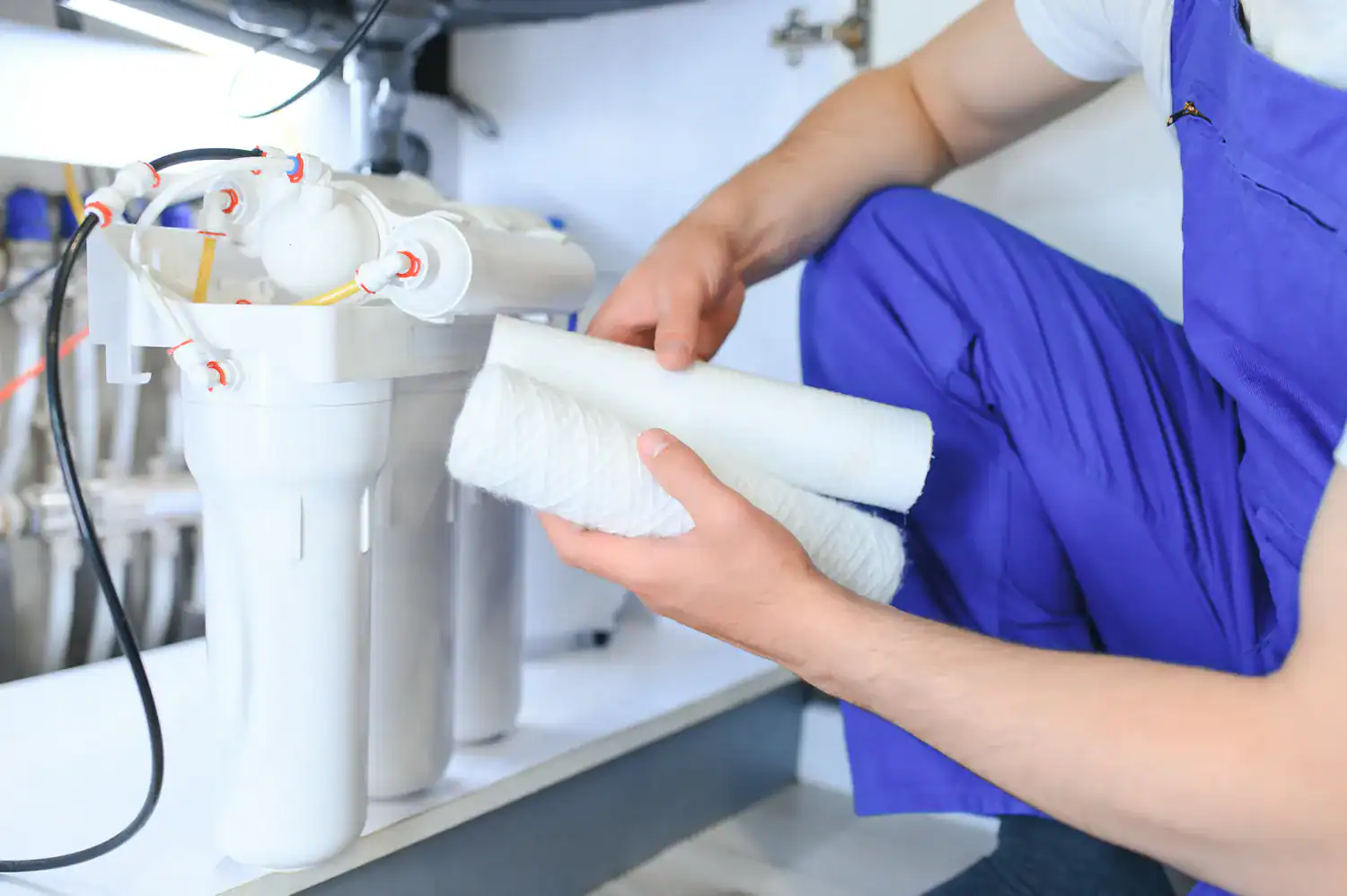
Hear from Our Customers
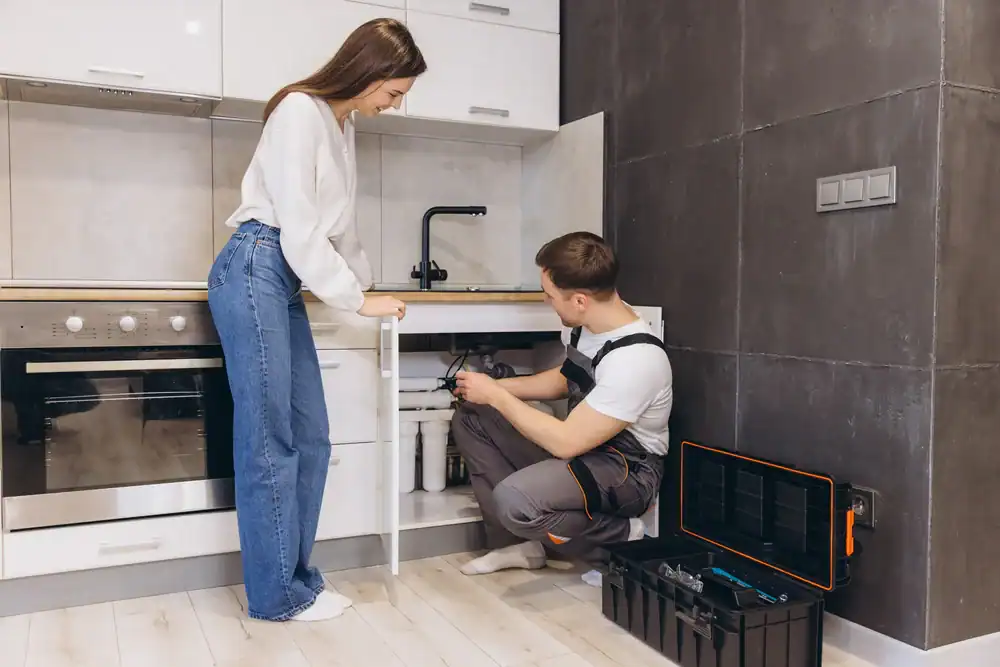
You stop buying bottled water. Your coffee and tea taste better because the chlorine’s gone. Your shower glass stays clearer longer because there’s less mineral buildup.
Your water heater lasts years longer. Your dishwasher stops leaving spots on glasses. Your soap actually lathers instead of fighting against calcium and magnesium in every drop.
Florida’s groundwater picks up minerals as it moves through limestone. That’s why your faucets get crusty, your appliances wear out faster, and your water tastes off. A reverse osmosis water filter handles the taste. Whole-house systems handle everything else. You get water that doesn’t leave a film on your skin, doesn’t stain your sinks, and doesn’t make you second-guess filling a glass from the tap.
We’ve been installing water filtration systems across North Florida for over five decades. We’re BBB A-rated with a 5-star rating and zero complaints. We’re members of the National Water Quality Association, which means we follow industry standards that most companies skip.
We don’t do plumbing or water heaters. We do water treatment, and that’s it. Whole-house purification is what we’re known for in Hastings and the surrounding areas.
We test your water first, design a system around what’s actually in it, then install and service it. Military and first responders get $500 off because we support Tunnels to Towers Foundation and believe in giving back to people who serve.
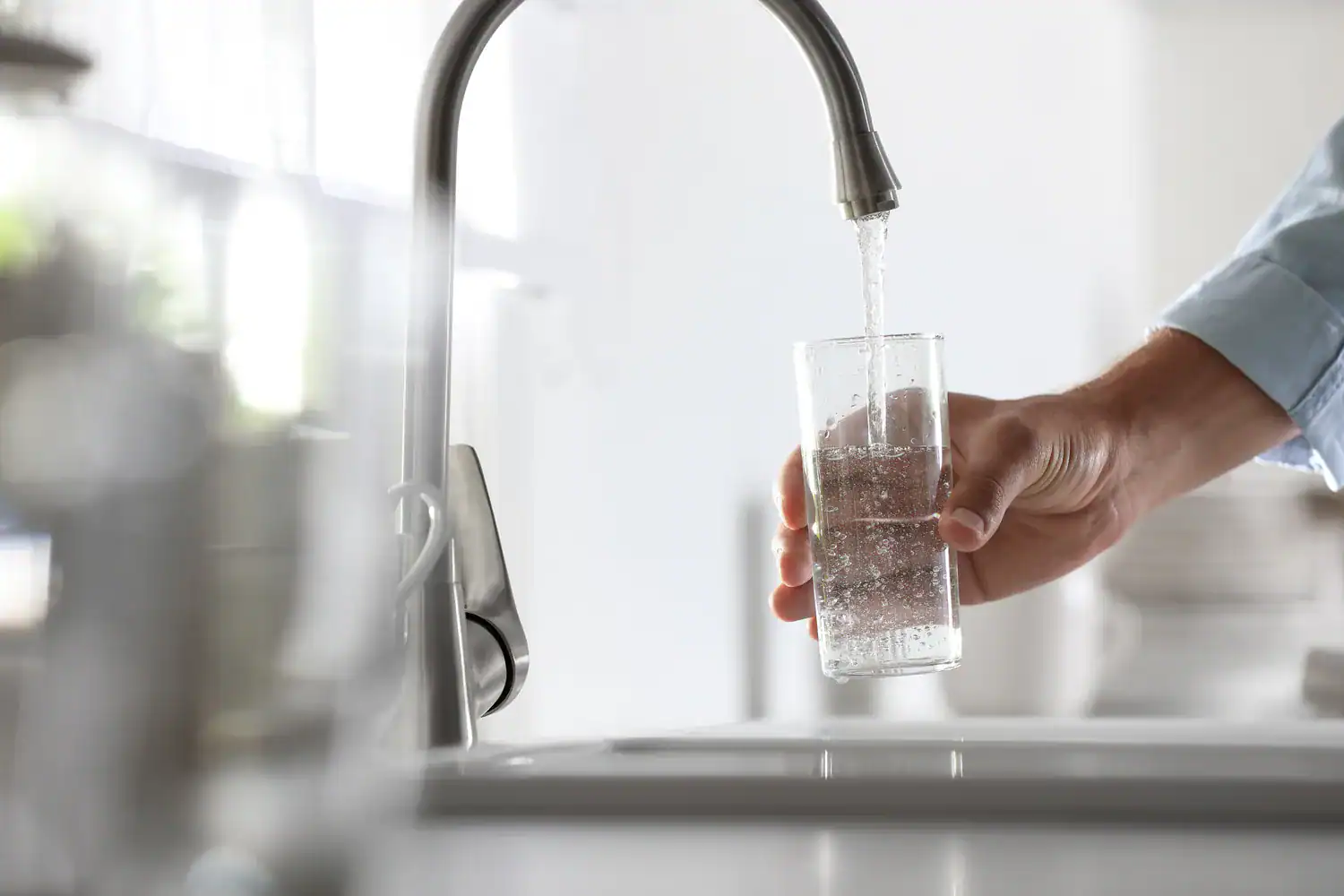
We start with drinking water quality testing. Not a guess, not a generic recommendation. We test your specific water to see what’s in it—minerals, chlorine levels, pH, contaminants.
Then we design a system. If you need whole-house filtration to handle hard water and protect appliances, that’s one setup. If you want an under-sink filter installation for cleaner drinking water at the tap, that’s another. If you need UV water purification because you’re on well water, we build that in. Most homes in Hastings benefit from a combination—activated carbon filtration to remove chlorine and taste issues, plus a water softening system to handle the calcium and magnesium.
Installation takes a few hours depending on the system. We connect it to your main water line for whole-house coverage or under your sink for point-of-use. Then we walk you through how it works and what to expect. You’ll notice the difference immediately—better taste, no more buildup, water that actually feels clean.
Ready to get started?
A complete system handles everything from the moment water enters your home. Activated carbon filtration removes chlorine, which is why Hastings water often has that chemical taste. It also catches sediment and organic compounds that affect smell and clarity.
If you’ve got hard water—and in Hastings, you probably do—you need something that addresses calcium and magnesium. Our eco-friendly systems don’t use salt, chemicals, or electricity. They prevent scale buildup in your pipes and on your fixtures without wasting water or adding sodium to your drinking supply.
UV water purification is an add-on for homes on well water or anyone concerned about bacteria. It uses ultraviolet light to kill waterborne organisms without adding anything to your water. For drinking water specifically, reverse osmosis systems strip out metals, chemicals, and anything else you don’t want in a glass. It’s the same technology bottled water companies use, installed under your sink.
Hastings sits in an area where groundwater flows through limestone, picking up hardness-causing minerals along the way. That’s not a defect in the water supply—it’s geology. But it’s also why whole-house filtration makes sense here. You’re not just improving taste. You’re protecting a significant investment in your home’s plumbing and appliances.
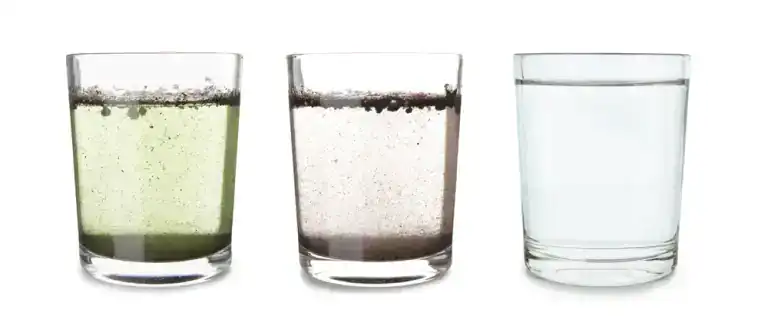
If your water tastes like chlorine, leaves white spots on dishes, or causes buildup around faucets, you’ve got issues a filtration system can fix. Those are the most common signs in Hastings.
Hard water shows up as soap scum in your shower, crusty deposits on fixtures, and appliances that don’t last as long as they should. If your water heater is only lasting six or seven years instead of ten or more, hard water is likely the reason. Chlorine taste is another giveaway—it’s added during treatment, and while it’s safe, it makes water taste like a swimming pool.
We offer free water testing so you’re not guessing. We’ll tell you exactly what’s in your water, what’s causing the problems you’re noticing, and what type of system makes sense for your home. Some people only need an under-sink reverse osmosis filter for drinking water. Others need whole-house treatment to protect their plumbing. Testing tells you which one applies to you.
Reverse osmosis filters drinking water at one tap, usually under your kitchen sink. Whole-house filtration treats every drop of water that enters your home. They solve different problems.
A reverse osmosis water system forces water through a semi-permeable membrane that removes dissolved solids, heavy metals, and chemicals. It’s extremely effective for drinking water, but it’s slow and only practical for a single faucet. You get cleaner water for drinking and cooking, but it doesn’t help with hard water damage to your appliances or buildup in your shower.
Whole-house systems treat water at the point it enters your home. That means every faucet, every shower, every appliance gets filtered water. These systems typically use activated carbon filtration to remove chlorine and sediment, plus a conditioning system to handle hardness. You’re protecting your water heater, dishwasher, washing machine, and plumbing while also improving water quality throughout the house.
Most Hastings homeowners benefit from both—a whole-house system for hardness and chlorine, plus a reverse osmosis system under the sink for the cleanest possible drinking water.
It depends on the system, but most need attention once or twice a year. Carbon filters need replacing. Reverse osmosis membranes eventually wear out. UV bulbs lose effectiveness over time.
For whole-house activated carbon filtration, you’re typically replacing the carbon media every 6-12 months depending on your water usage and what’s in your water. It’s not complicated—we handle it during a service visit. Reverse osmosis systems need new filters annually and a new membrane every 2-3 years. UV systems need bulb replacements about once a year.
Our eco-friendly whole-house systems require less maintenance because they don’t use salt or chemicals. There’s no brine tank to refill, no salt to haul, and no backwashing that wastes water. You’re mostly just checking that everything’s running properly.
We offer ongoing service for every system we install. You’re not figuring this out on your own or hunting down parts. We keep your system running correctly so you keep getting clean water without interruption.
Not if it’s sized and installed correctly. Pressure drop is a real concern with undersized systems, but it’s avoidable with proper design.
Whole-house systems do create some resistance as water moves through the filtration media. But we size the system based on your home’s flow rate and peak demand. That means when you’re running the dishwasher, washing machine, and shower at the same time, you still have adequate pressure at every fixture.
Reverse osmosis systems work differently. They use your home’s water pressure to force water through the membrane, then store filtered water in a small tank under your sink. When you turn on the faucet, you’re drawing from the tank, not waiting for water to filter in real-time. Pressure at that tap feels normal.
Cheap or incorrectly installed systems cause pressure problems. Properly designed systems don’t. We calculate your home’s water demand before recommending a system, so you’re not sacrificing pressure for filtration. You get both.
If you’re spending $30-50 a month on bottled water, a filtration system pays for itself in under two years. After that, you’re saving money every month while also eliminating plastic waste.
A family of four typically goes through 10-15 cases of bottled water per month in Florida. That’s $360-600 per year, every year, forever. A reverse osmosis system installed under your sink costs less than two years of bottled water, and it lasts a decade or more with basic maintenance.
Whole-house systems cost more upfront, but they’re protecting your appliances and plumbing. When your water heater lasts 12 years instead of 6 because it’s not clogged with mineral buildup, that’s $1,500-2,000 you didn’t spend on early replacement. Same with your dishwasher, washing machine, and the rest of your plumbing. Hard water is expensive in ways that don’t show up on your water bill.
You’re also not hauling heavy water bottles from the store, storing them in your pantry, or tossing plastic into the trash every week. Filtration is more convenient and better for your budget long-term.
Please provide your email address so that we can stay in touch and answer any questions you have! We will be reaching back out shortly.
"*" indicates required fields