Reach Out Today
Please provide your email address so that we can stay in touch and answer any questions you have! We will be reaching back out shortly.


Hear from Our Customers

Your appliances stop dying early. Your water heater isn’t fighting mineral buildup that doubles your energy bill and cuts its lifespan in half. Your dishwasher and washing machine actually clean things instead of leaving white film on everything.
The orange stains disappear from your toilets, sinks, and laundry. The rotten egg smell stops making you dread turning on the tap. Your showerhead flows the way it’s supposed to, and your skin doesn’t feel tight and dry after every shower.
You stop replacing faucets and fixtures because hard water isn’t clogging and corroding them anymore. You’re not buying bottled water by the case or second-guessing whether what’s coming out of your tap is safe for your kids to drink. That’s what a properly designed water filtration system does—it fixes the stuff that’s been quietly costing you money and peace of mind for years.
We have an A rating with the Better Business Bureau and a 5-star rating with zero complaints. We’re members of the National Water Quality Association and have been solving Florida water problems for over five decades.
We don’t do plumbing or water heaters. We specialize in whole-house water purification, and that focus matters when you’re dealing with Durbin’s limestone-heavy groundwater that averages 216 PPM hardness—well into the “extremely hard” range. We test your water first, then design a system around what’s actually in it and how much water your household uses.
We also offer a $500 discount to military members and first responders, and we support the Tunnels to Towers Foundation because some things matter more than the bottom line.
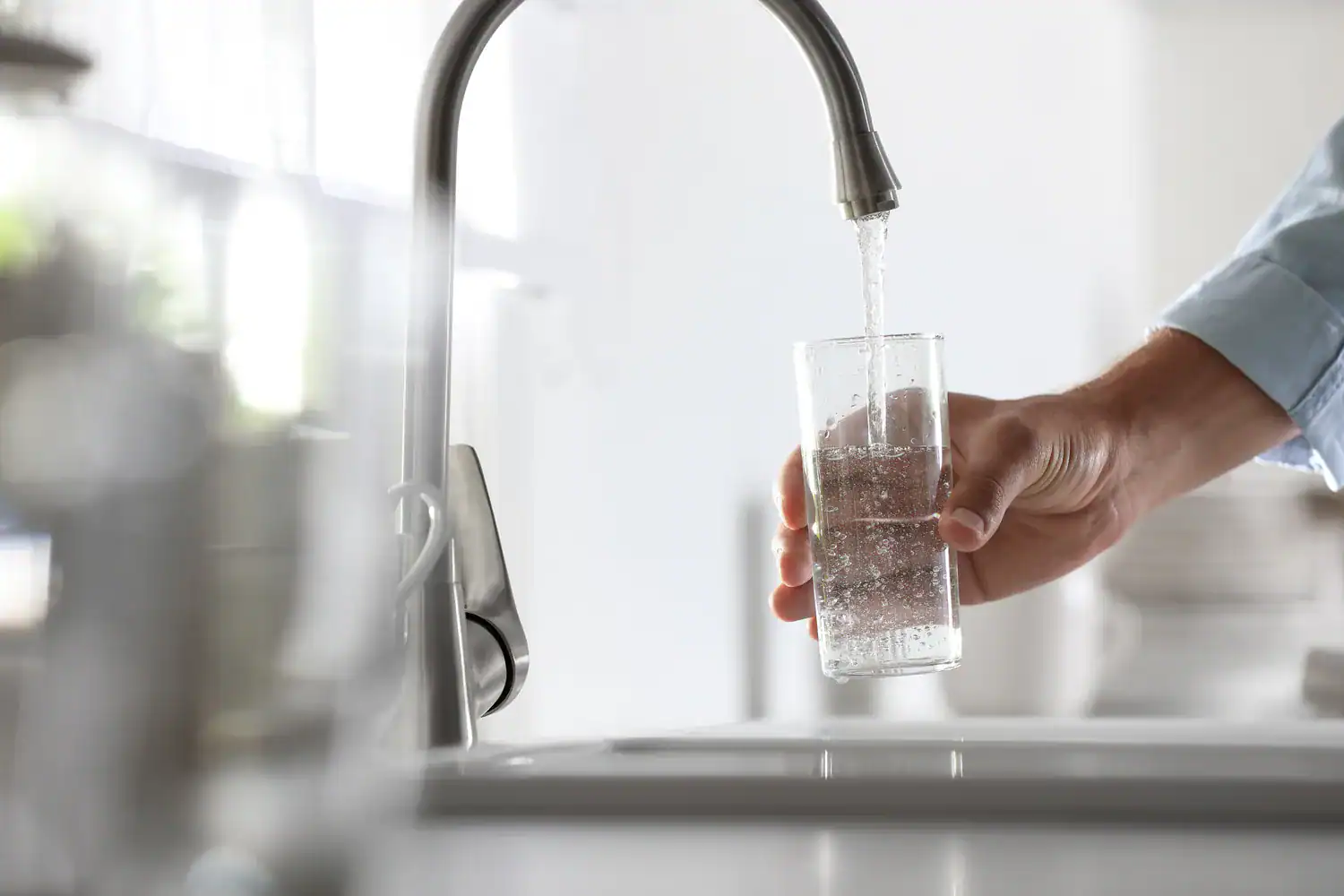
We start with a free water analysis at your home. Not a guess, not a generic recommendation—a real test that shows what’s in your water and at what levels. Iron, hardness, sulfur, chlorine, bacteria—we measure it all.
Then we walk you through what system makes sense for your situation. If you’ve got iron staining, we’re talking about an Iron Clear filtration system. Sulfur smell means a Sulfur Clear filter. Hard water gets handled with a salt-free conditioner or a traditional softener depending on your water usage and preferences. If you’re on well water and worried about bacteria, we’ll discuss UV purification with our Purelight system.
Once you approve the plan, we schedule installation. We handle the whole setup, test everything to make sure it’s working right, and show you how to maintain it. Most salt-free systems last 5 to 20 years depending on your water conditions. You’re not dealing with constant service calls or a system that quits after a year.
Ready to get started?
A whole-house water filtration system treats every drop of water entering your home. That means your kitchen, bathrooms, laundry, and outdoor spigots all get filtered water. We’re not just putting a filter under your kitchen sink and calling it done.
For drinking water quality testing and treatment, reverse osmosis systems remove contaminants down to the molecular level—things like lead, fluoride, nitrates, and pharmaceuticals that standard filters miss. Under-sink filter installation gives you purified drinking and cooking water right at the tap. Activated carbon filtration handles chlorine, chloramines, and organic compounds that affect taste and odor.
If you’re on well water in Durbin, UV water purification is worth the conversation. Our Purelight system uses ultraviolet light to kill bacteria, viruses, and other microorganisms without adding chemicals to your water. It’s a final safeguard that makes sense when you’re not on city water with municipal treatment. And because Durbin sits on karstic limestone geology, your groundwater is pulling minerals as it filters down—which is why so many homes here deal with hardness levels between 100 and 300 PPM. A water filtration system designed for Florida water isn’t optional. It’s the difference between managing your home and letting your water slowly destroy it.
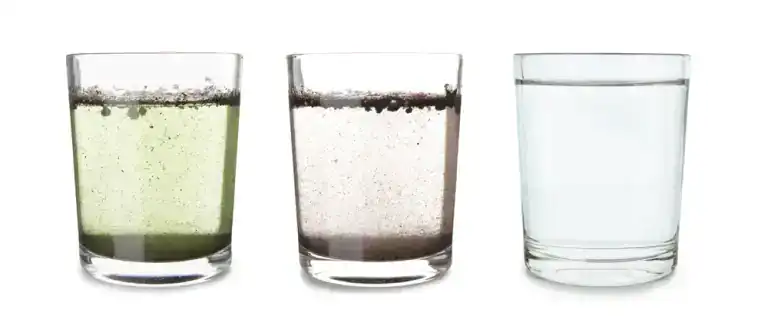
It depends entirely on what’s in your water and what you need filtered out. A basic whole-house carbon filter for chlorine and taste might run a few thousand dollars. A complete system with iron removal, sulfur filtration, water softening, and UV purification can cost significantly more.
Here’s why the range is so wide: if your water test shows high iron, you need an Iron Clear system. If you’ve got sulfur bacteria causing that rotten egg smell, you need a Sulfur Clear filter. If hardness is destroying your appliances, you need a conditioner or softener. If you’re on well water, UV purification protects against bacteria. Each problem requires a specific solution, and most Durbin homes have more than one issue.
We don’t sell you a one-size-fits-all system and hope it works. We test first, then design around your actual water chemistry and household size. That’s how you avoid overpaying for equipment you don’t need or underspending and still having problems six months later.
A water softener specifically targets hardness—the calcium and magnesium that cause scale buildup in your pipes and appliances. It either removes those minerals or conditions the water so they don’t stick to surfaces. A water filtration system is broader. It can address chlorine, iron, sulfur, sediment, bacteria, and other contaminants depending on what filters or treatment stages you include.
Most Durbin homes need both. Your water is hard because of the limestone geology, but it might also have iron staining your fixtures, chlorine from city treatment, or sulfur if you’re on a well. A softener handles the hardness. Filtration handles everything else.
We use salt-free water conditioners when it makes sense because they don’t waste water during regeneration, don’t require electricity, and don’t add sodium to your water. They prevent scale without the maintenance of traditional salt-based softeners. But if your hardness is extreme or you have specific preferences, a conventional softener might be the better fit. It’s not about what we want to sell—it’s about what solves your problem.
If you’re concerned about what’s in your drinking water beyond taste and odor, reverse osmosis makes sense. Standard carbon filters remove chlorine and improve taste, but they don’t catch dissolved solids like lead, arsenic, fluoride, nitrates, or pharmaceutical residues. Reverse osmosis pushes water through a membrane that filters out contaminants at the molecular level.
It’s especially worth considering if you’re on well water in Durbin, because you don’t have a municipal treatment plant monitoring your water quality. Even city water can carry things you’d rather not drink. Reverse osmosis gives you a final barrier for the water you’re putting in your body.
We typically install reverse osmosis systems as under-sink units for drinking and cooking water. You don’t need to run your whole house through RO—that would be overkill and waste a lot of water. But having it at your kitchen tap means you’re not buying bottled water anymore, and you know exactly what you’re drinking. It’s one of those upgrades that pays for itself in peace of mind.
Yes, but only if you install the right type of filter. Iron in your water causes those orange and brown stains on toilets, sinks, tubs, and laundry. It also gives your water a metallic taste and can clog your fixtures over time. A standard carbon filter won’t remove iron. You need a filtration system specifically designed for iron removal.
Our Iron Clear system filters out both dissolved iron and bacterial iron, which is the slimy, rust-colored buildup you sometimes see in toilet tanks. It also kills other bacteria like E. coli if they’re present. Once the system is installed and running, new stains stop forming. The existing stains you’ll need to scrub out, but they won’t come back.
If you’ve been dealing with iron staining for a while, you know how frustrating it is. It makes your house look dirty no matter how much you clean, and it’s hard on your appliances. Fixing it isn’t complicated—you just need a system that actually addresses iron instead of pretending a basic filter will handle it. We test your iron levels during the water analysis and size the system accordingly.
It depends on the type of system you have and your water conditions. Salt-free water conditioners typically need minimal maintenance and can last 5 to 20 years depending on your water hardness and usage. Traditional salt-based softeners need salt refills regularly and may require service every 8 to 12 years.
Carbon filters need replacement based on your water volume and contamination levels—usually every 6 to 12 months for whole-house units. Iron and sulfur filters have media that eventually needs changing, but we’re talking years, not months. UV systems need an annual bulb replacement to maintain disinfection effectiveness. Reverse osmosis systems have multiple filter stages that get swapped on different schedules.
Here’s what matters: we set you up with a maintenance plan that’s realistic for your system. We’re not selling you something that requires constant service calls or dies after a year like some of the national companies operating around here. Our customers tell us they’ve had other companies out multiple times with no results, or they’ve been pointed to contract clauses that eliminate responsibility. That’s not how we operate. You get a system that works, and we make sure you know what to expect for upkeep.
Please provide your email address so that we can stay in touch and answer any questions you have! We will be reaching back out shortly.
"*" indicates required fields