Reach Out Today
Please provide your email address so that we can stay in touch and answer any questions you have! We will be reaching back out shortly.


Hear from Our Customers

Your water heater stops building scale. That alone adds years to its life and cuts your energy bill because it’s not fighting through mineral buildup to heat water.
Your skin stops feeling tight after showers. The chlorine that was stripping your natural oils is gone. Same with your hair—it actually feels clean instead of coated.
You stop buying bottled water. A reverse osmosis system or activated carbon filtration setup gives you better-tasting water straight from the tap. No more plastic jugs taking up counter space or trunk space or landfill space.
Your dishwasher and washing machine last longer. Hard water is rough on anything that heats or moves water. Softer, filtered water means fewer repairs and fewer replacements. The upfront cost of a whole house water filter pays itself back in appliance life alone.
And if you’ve got kids or anyone with sensitive skin, the difference is immediate. No more itching after baths. No more mystery rashes that doctors can’t explain. Sometimes it really is just the water.
We have an A+ Better Business Bureau rating and a 5-star rating with zero complaints. That’s not common in this industry, especially compared to the national companies operating in Delaney Park that sell systems and disappear when something breaks.
We’re members of the National Water Quality Association. We install systems in hospitals and health clinics across Florida. We don’t subcontract installs—our techs are employees, and they know what they’re doing.
Delaney Park pulls water from Florida’s limestone aquifers, which means calcium, magnesium, and sometimes sulfur or iron. Every neighborhood is a little different. We test your water for free before recommending anything, because treating what you haven’t identified is just guessing.
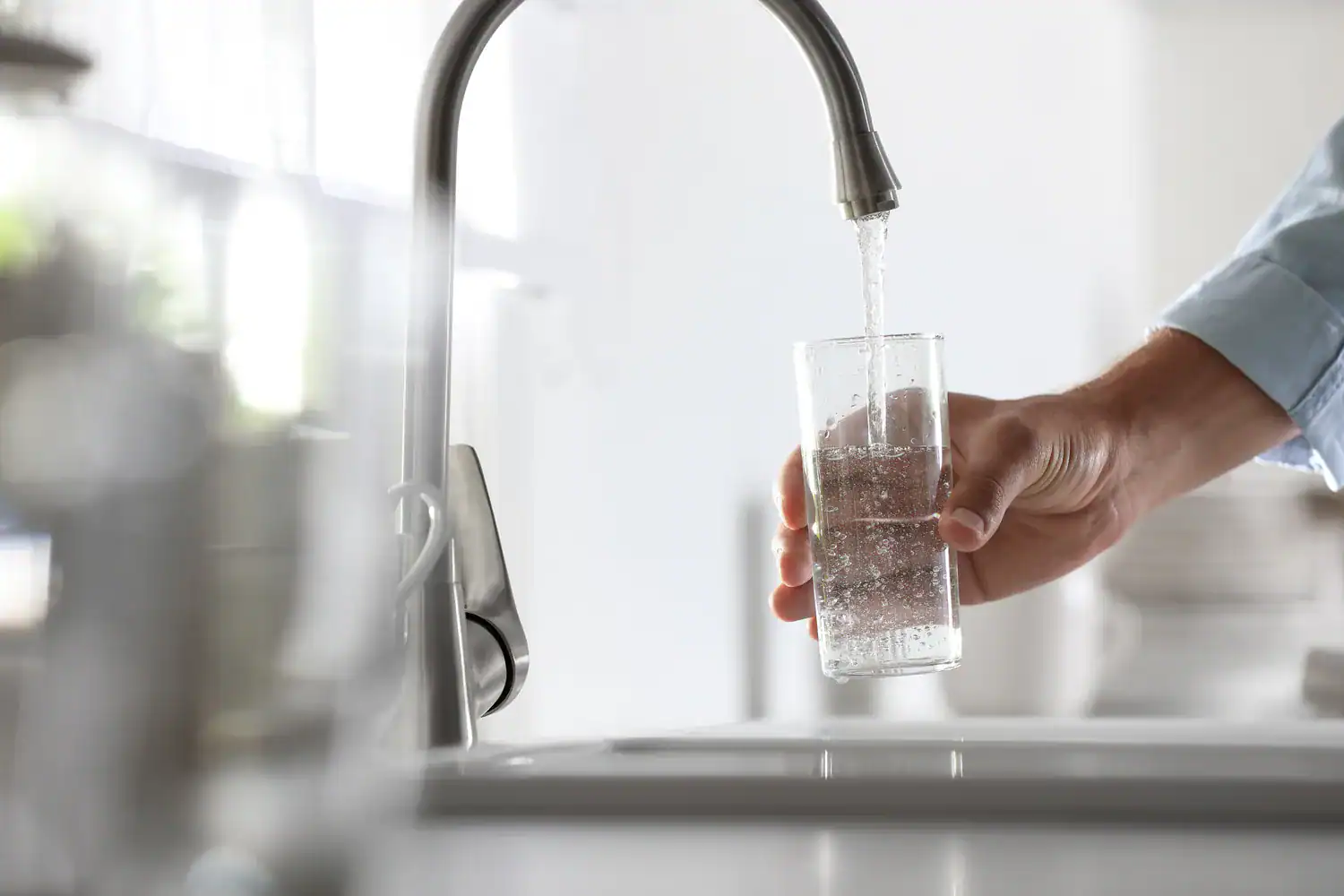
We start with drinking water quality testing. You can’t fix what you don’t measure, and Florida water changes street to street. We test for hardness, chlorine, iron, sulfur, bacteria, nitrates—the stuff that actually shows up in Delaney Park wells and city lines.
Once we know what’s in your water, we recommend a system. That might be a whole house water filter if you want everything filtered. It might be reverse osmosis systems under the sink if you just want perfect drinking water. It might be a softener plus UV water purification if you’re on a well. We don’t sell one-size-fits-all because water doesn’t work that way.
Installation happens in a day for most homes. We’re not tearing up walls. Under-sink filter installation takes a couple hours. Whole house systems tie into your main line, usually in the garage or outside. Our guys clean up after themselves.
After install, we walk you through how it works. How to check it. When to change filters. What to listen for. Then we’re available if something seems off, because a system that isn’t serviced is a system that stops working.

Ready to get started?
A whole house water filter treats everything—showers, sinks, appliances, hose bibs. You’re filtering out chlorine, sediment, and depending on the media, iron and sulfur. This is the move if your water smells, stains, or leaves residue on everything.
Reverse osmosis systems go under your kitchen sink and give you the cleanest drinking water possible. We’re talking removal of fluoride, lead, nitrates, PFAS—the stuff you can’t see or taste but don’t want in your body. It’s a multi-stage process: sediment filter, carbon block, RO membrane, and sometimes a remineralization stage so the water doesn’t taste flat.
Activated carbon filtration handles chlorine and organic compounds. It improves taste and smell. If Delaney Park’s city water tastes like a pool, carbon fixes that.
UV water purification kills bacteria and viruses without chemicals. If you’re on a well or worried about contamination from Florida’s porous limestone and heavy rainfall, UV is a smart layer of protection. It doesn’t remove minerals, so you’d pair it with a softener if hardness is also an issue.
Water softeners handle calcium and magnesium—the minerals that create scale in your pipes and appliances. Delaney Park water is hard. A softener extends the life of anything that uses water and cuts down on soap scum and spotting.
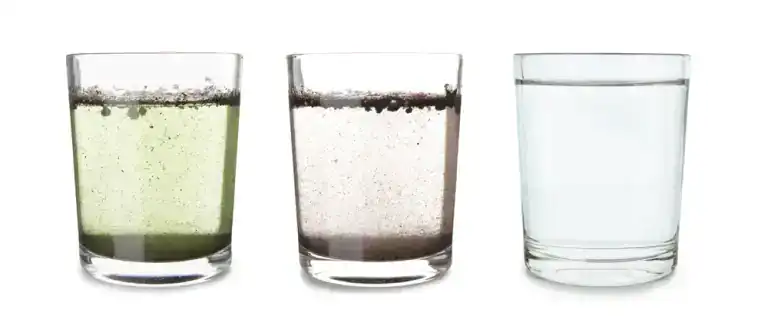
Test your water. We do it for free, and it takes the guessing out of the equation.
If you’re seeing white buildup on faucets or in your kettle, that’s hardness. If your water smells like rotten eggs, that’s hydrogen sulfide. If it tastes like chlorine, that’s chlorine. If your skin itches after every shower, that’s likely high chlorine or hard water stripping your natural oils.
Florida’s aquifers are porous. Contaminants like nitrates from fertilizer, bacteria from septic systems, and metals like lead or iron can get into your water without any visible warning. The water looks clear, smells fine, and still carries stuff you don’t want to drink. Testing tells you what’s actually there so you’re not treating blind or ignoring a real problem.
A whole house water filter treats every drop of water entering your home. Showers, toilets, washing machine, kitchen sink, outside spigots—all of it. You’re filtering out sediment, chlorine, and depending on the system, iron, sulfur, and other contaminants. This makes sense if your water quality issue affects more than just drinking water.
An under-sink filter installation, usually reverse osmosis, treats only the water at that specific tap. It’s a more intensive filtration process—multiple stages that remove dissolved solids, heavy metals, nitrates, fluoride, and other contaminants that whole house filters might miss. The water quality is higher, but the volume is lower. You’re not running your shower through an RO membrane.
Most people who want the cleanest drinking water possible go with under-sink reverse osmosis. Most people who want to protect their appliances and improve water throughout the house go with a whole house setup. Some do both.
Yes, but not immediately. The savings show up over time in three places: appliances, cleaning products, and bottled water.
Hard water kills water heaters, dishwashers, and washing machines faster than anything else. Scale builds up inside the heating elements and pumps. A water heater that should last 12 years dies in 7. A dishwasher stops cleaning well because the spray arms clog with mineral deposits. Replacing a water heater costs $1,200 to $2,000. Replacing a dishwasher is another $600 to $1,200. A water softener or whole house filter prevents that damage.
You’ll use less soap, less detergent, less shampoo. Soft water lathers better and rinses cleaner. You’re not fighting mineral buildup on everything you wash.
If you’re buying bottled water or gallon jugs because your tap water tastes bad, a reverse osmosis system ends that expense. Families spending $40 to $80 a month on bottled water break even on an RO system in two to three years, and the system lasts 10 to 15 years with basic maintenance.
Depends on the system, but most filters need changing every 6 to 12 months. Reverse osmosis systems have multiple stages—sediment and carbon filters get swapped annually, and the RO membrane lasts 2 to 3 years if you’re keeping up with pre-filters.
Whole house filters vary. Some use cartridges you replace. Others use media tanks that get serviced every few years. If you’ve got a water softener, you’re adding salt every month or two depending on your water usage and hardness level.
UV water purification bulbs need replacing once a year. The bulb loses effectiveness over time even if it still looks like it’s working.
We set up a maintenance schedule during installation so you’re not guessing. Most people forget until their water starts tasting off again or they notice pressure drop. Staying on top of filter changes keeps the system running right and prevents damage to the more expensive components downstream.
Delaney Park’s water comes from Florida’s aquifer system, which is limestone-based and porous. That means calcium and magnesium—hard water minerals—are almost guaranteed. You’ll see that as white scale on faucets, in your kettle, and inside your water heater.
Chlorine is added by the city to disinfect water. It does its job, but it also dries out your skin and hair and makes water taste like a swimming pool. Activated carbon filtration removes it.
Nitrates show up from fertilizer runoff, which is common in Florida because of agriculture and lawn care. Nitrates are tasteless and colorless, but they’re a health risk, especially for infants. Reverse osmosis removes them.
If you’re on a well, bacteria and coliform are possible, especially after heavy rain. Florida’s high water table and porous soil make wells vulnerable. UV water purification kills bacteria without adding chemicals.
Iron and sulfur appear in some areas. Iron stains everything orange. Sulfur smells like rotten eggs. Both are treatable, but you need to know they’re there first. That’s why we test before recommending anything.
Please provide your email address so that we can stay in touch and answer any questions you have! We will be reaching back out shortly.
"*" indicates required fields