Reach Out Today
Please provide your email address so that we can stay in touch and answer any questions you have! We will be reaching back out shortly.

Hear from Our Customers
Your water heater stops building up scale. Your dishwasher quits leaving spots on glasses. Soap actually rinses off your skin instead of mixing with minerals and sitting there.
The chlorine smell during showers goes away. Your hair feels different—softer, less dried out. You stop buying cases of bottled water because what comes out of your tap tastes clean.
Appliances last longer. Energy bills drop because your water heater isn’t fighting through mineral buildup to do its job. You’re not replacing faucets and showerheads every few years because hard water ate through the finish.
Clear Lake sits on groundwater that measures over 17 grains per gallon in hardness. That’s extremely hard water. It also carries chlorine, trihalomethanes, and trace amounts of arsenic and radium that come naturally from Florida’s aquifer system. A water filtration system handles all of it—not just one problem.
We hold an A+ Better Business Bureau rating with zero complaints. We’re members of the National Water Quality Association, which means our installations meet national standards for water treatment.
We specialize in whole-house purification systems for Clear Lake homes. That means reverse osmosis systems, activated carbon filtration, UV water purification, and water softening—whatever your water test shows you actually need.
We also support the Tunnels to Towers Foundation and offer a $500 discount to military personnel and first responders. If you’ve served, we want to make sure you’re taken care of.
First, we test your water. Not a guess based on your zip code—a real test that shows what’s in your specific water supply. Clear Lake water varies depending on whether you’re on city water or a well, and what part of town you’re in.
Once we know what we’re dealing with, we recommend a system. That might be a whole-house carbon filter if chlorine and taste are your main issues. It might be a water softener plus reverse osmosis if you’ve got hardness and contamination. It might be UV purification if bacteria is a concern.
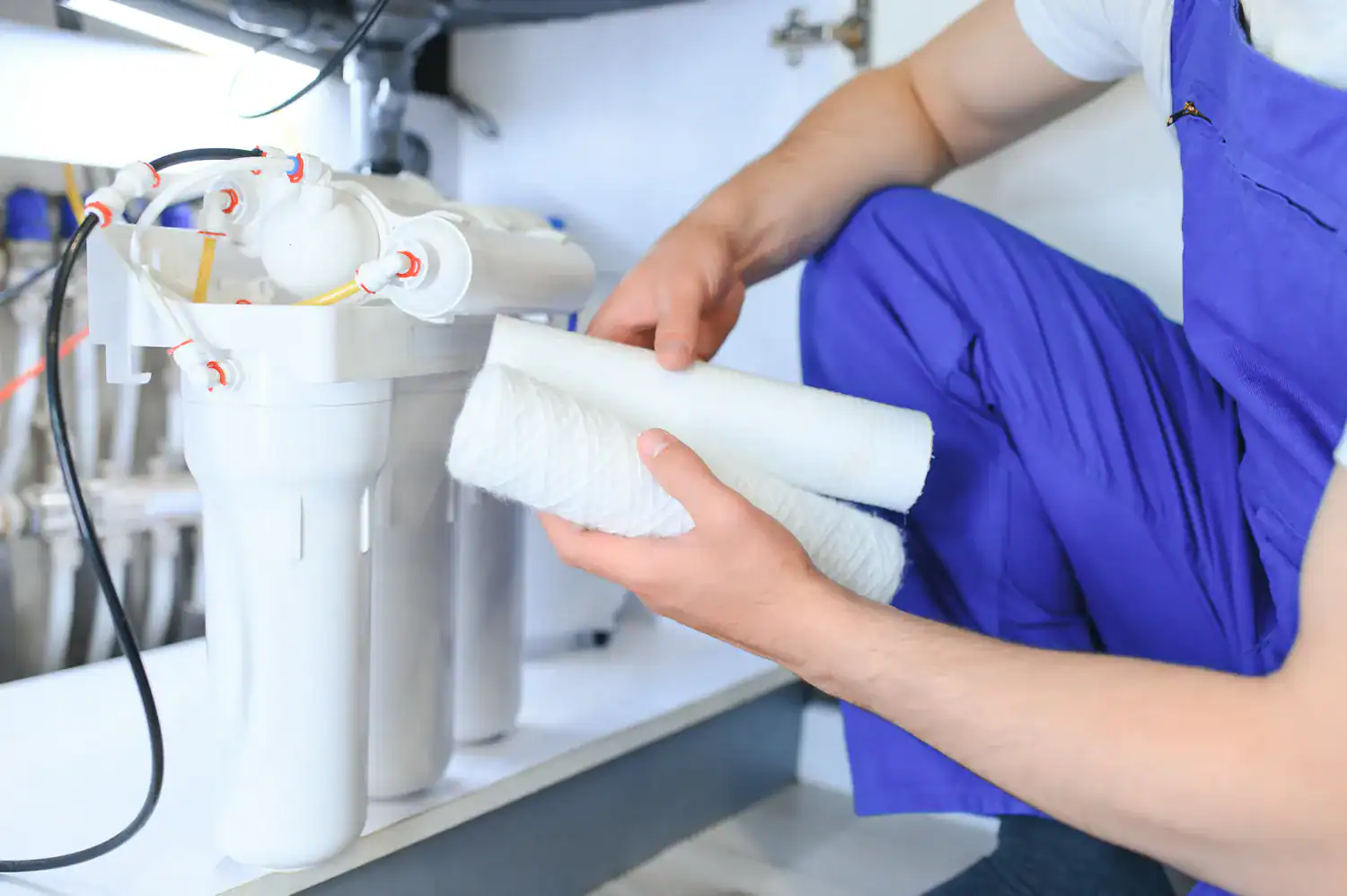
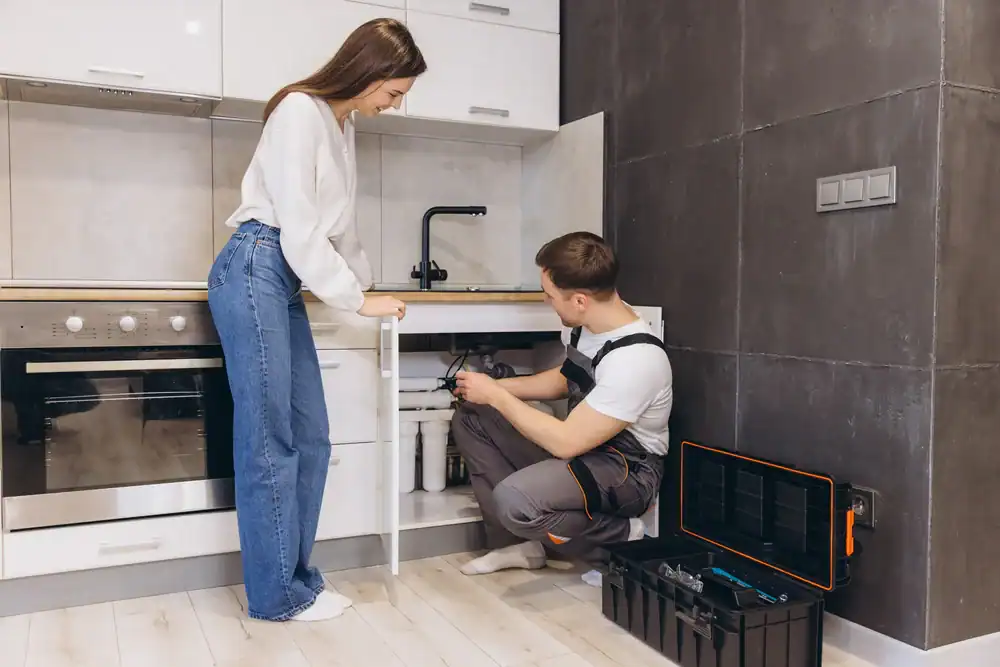
Then we install it. Our techs are factory-trained and WQA-certified. The system gets installed at your main water line so every faucet, shower, and appliance gets filtered water. We walk you through how it works, what maintenance looks like, and how to reach us if anything comes up.
After installation, we’re still here. We handle service calls, filter replacements, and any questions. You’re not calling a 1-800 number and waiting on hold—you’re calling a local team that installed your system and knows your setup.
Ready to get started?
A whole-house water filtration system treats water at the point it enters your home. That means every tap, every shower, every appliance gets filtered water—not just the kitchen sink.
Most Clear Lake homes need a combination approach. A water softener handles the hardness that damages appliances and leaves residue. Activated carbon filtration removes chlorine, bad taste, and organic compounds. Reverse osmosis systems at the kitchen sink take out the smallest contaminants—arsenic, radium, nitrates, and dissolved solids that carbon can’t catch.
If you’re on well water, UV purification kills bacteria and viruses without adding chemicals. If you’ve got specific contamination issues—iron, sulfur, manganese—we add treatment stages that target those.
Florida water is tough on homes. The state’s limestone bedrock means calcium and magnesium levels are high. Coastal areas deal with saltwater intrusion. Agricultural runoff brings nitrates. Older municipal systems still use chlorine for disinfection, and that chlorine reacts with organic matter to form trihalomethanes—a known carcinogen.
You’re not being paranoid if you don’t trust your tap water. You’re paying attention. A good filtration system addresses what’s actually in Clear Lake water, not what a national company assumes is there.
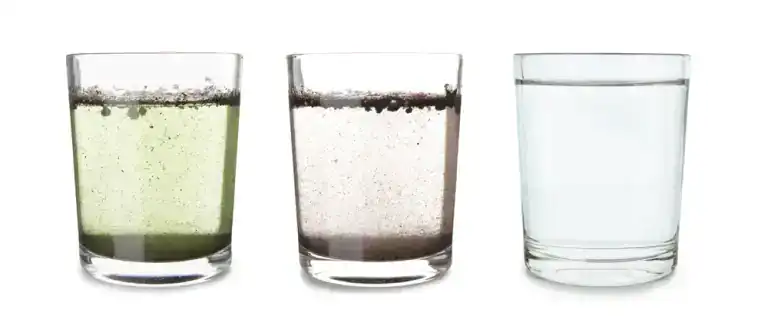
Most whole-house systems for Clear Lake homes run between $2,000 and $6,000 depending on what you need. A basic water softener starts around $2,000. Add reverse osmosis for drinking water and you’re closer to $3,500. Full whole-house purification with softening, carbon filtration, and RO gets into the $5,000-$6,000 range.
That sounds like a lot until you factor in what hard water costs. Florida families spend $1,580 to $2,230 every year on appliance damage, higher energy bills, soap that doesn’t work right, and bottled water. Over ten years, that’s $15,800 to $22,300 in unnecessary expenses.
A filtration system pays for itself in three to four years. After that, you’re saving money while protecting your home and health. We’ll give you an exact quote after testing your water—no pressure, just numbers based on what your home actually needs.
It depends on the system, but a properly designed setup removes most of what’s in Clear Lake water. Activated carbon filtration takes out chlorine, trihalomethanes, pesticides, and herbicides. It also handles taste and odor issues.
Water softeners remove calcium and magnesium—the minerals that cause hardness. They don’t remove chemical contaminants, but they stop scale buildup in pipes and appliances.
Reverse osmosis systems remove up to 98% of dissolved solids. That includes arsenic, radium, nitrates, fluoride, lead, and heavy metals. RO is the most thorough filtration method available for residential use.
UV purification kills bacteria, viruses, and parasites without adding chemicals to your water. If you’re on a well or you’ve had a boil-water notice in your area, UV is worth considering.
Florida’s aquifer system naturally contains low levels of radioactive elements like radium. Municipal treatment doesn’t always remove it. A reverse osmosis system does. If you’ve got kids or you’re pregnant, that matters.
Carbon filters typically need replacement every six to twelve months depending on your water usage and contamination levels. If your water has high chlorine or sediment, you’ll be on the shorter end of that range.
Reverse osmosis membranes last two to three years. Pre-filters and post-filters in an RO system get changed every six to twelve months. We’ll set you up on a maintenance schedule so you’re not guessing.
Water softeners don’t have filters—they use resin beads that regenerate with salt. You just keep the salt tank filled. The resin itself lasts ten to fifteen years before it needs replacement.
UV bulbs lose effectiveness after about a year even though they still look like they’re working. We recommend annual replacement to maintain disinfection.
Filter replacement isn’t complicated. Some homeowners handle it themselves. Others prefer we come out and do it. Either way, we’ll remind you when it’s time and make sure you’ve got the right filters on hand.
A properly sized and installed system won’t cause noticeable pressure loss. If your home has decent pressure to start with—40 to 60 PSI—you won’t feel a difference after installation.
Whole-house carbon filters and water softeners are designed for high flow rates. They don’t restrict water movement enough to affect showers or appliances. Reverse osmosis systems work differently—they use pressure to push water through a membrane—but they’re installed at a single tap, not your whole house, so they don’t impact overall pressure.
If your pressure is already low, we’ll address that before installation. Sometimes it’s a clogged aerator or a partially closed valve. Sometimes it’s an issue with your pressure regulator or the municipal supply. We’ll figure it out during the initial assessment.
Older homes with galvanized pipes sometimes have restricted flow from decades of mineral buildup. A water softener actually helps with that over time by preventing new buildup and gradually breaking down existing scale. Your pressure might improve after installation, not get worse.
Most Clear Lake homes benefit from both because they solve different problems. A water softener removes hardness minerals—calcium and magnesium—that damage appliances and leave residue. It doesn’t remove chlorine, chemicals, or health-related contaminants.
A filtration system removes contaminants but doesn’t address hardness. If you install carbon filtration or reverse osmosis without softening, you’ll still have scale buildup, soap scum, and appliance damage.
The best approach is a water softener for the whole house plus a reverse osmosis system at your kitchen sink for drinking and cooking water. That gives you soft water throughout your home and highly purified water where you need it most.
Some people only want to fix one issue—maybe they’re mostly bothered by chlorine smell or just want to stop buying bottled water. That’s fine. We’ll install what makes sense for your situation and budget. But if you’re dealing with Clear Lake’s hard water, skipping the softener means you’re only solving half the problem.
Please provide your email address so that we can stay in touch and answer any questions you have! We will be reaching back out shortly.
"*" indicates required fields