Reach Out Today
Please provide your email address so that we can stay in touch and answer any questions you have! We will be reaching back out shortly.


Hear from Our Customers
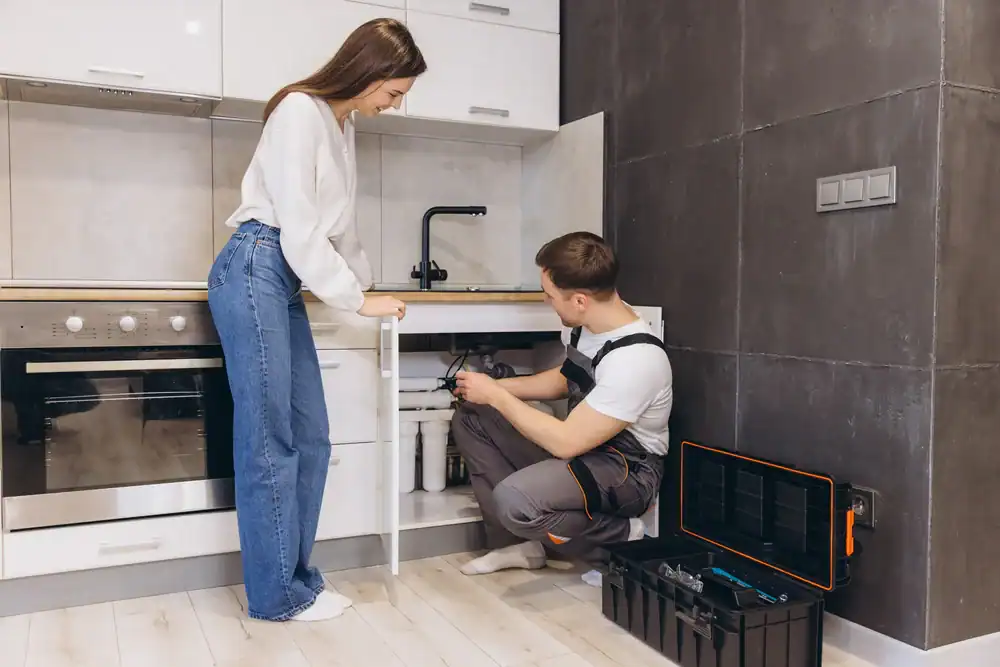
You stop seeing orange stains in your sinks and showers. Your water heater lasts years longer because it’s not clogged with mineral buildup. Your soap actually lathers, your skin stops feeling dry, and your coffee tastes better.
That’s what happens when you install a reverse osmosis system or whole-house filtration setup designed for Florida’s water. Chatmire sits in an area where hard water is the norm, not the exception. The limestone aquifer that supplies your tap water loads it with calcium, magnesium, iron, and sometimes sulfur.
Those minerals don’t just affect taste. They shorten the lifespan of your dishwasher, washing machine, and water heater. They create scale inside your pipes. And if you’re on well water, you’re also dealing with bacteria, nitrates, and contaminants that standard city treatment doesn’t touch.
A properly installed water filtration system removes what shouldn’t be there. Activated carbon filtration handles chlorine and chemicals. UV water purification kills bacteria without adding anything to your water. And a water softener addresses the hardness that causes most of the damage.
We’ve been installing water filtration systems across North and Central Florida for over 50 years. We’re BBB accredited with an A-rating and five stars. Zero complaints. That matters when you’re comparing us to national companies with reputations for overselling and underservicing.
We’re members of the National Water Quality Association, which means our installations meet industry standards you can verify. And if you’re military or a first responder, we knock $500 off your system because we support the people who serve.
Chatmire homeowners deal with the same water issues we see throughout Central Florida: hardness between 120 and 180 ppm, iron staining, occasional sulfur smell, and the vulnerability that comes with shallow aquifers and porous limestone. We’ve handled all of it. You’re not getting a generic pitch from a call center. You’re getting someone who knows your water.
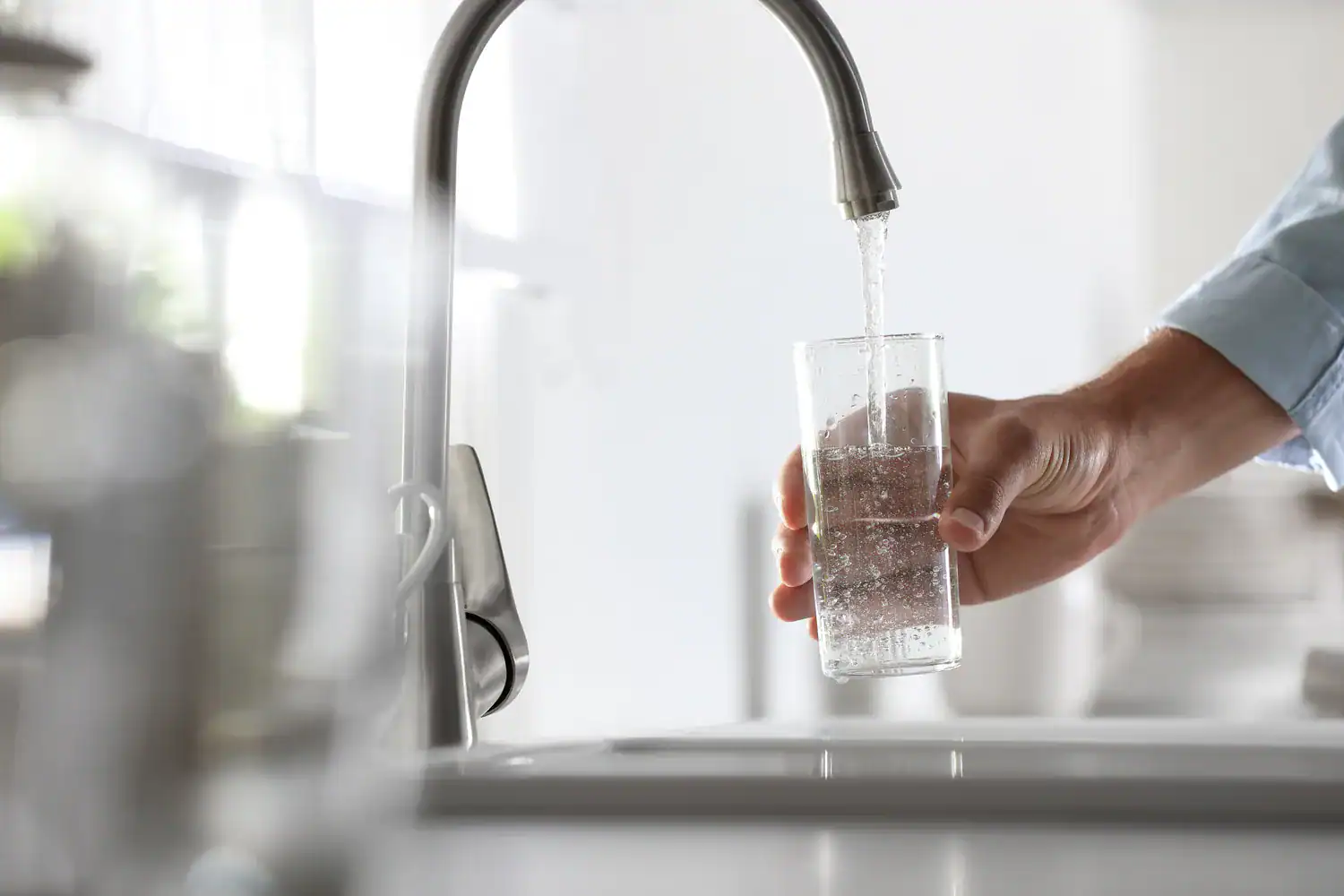
First, we test your water. Not a guess, not a visual inspection—a real analysis that tells us what’s in there and at what levels. That’s how we know whether you need a softener, a reverse osmosis drinking water system, UV purification, or a combination.
Once we know what you’re dealing with, we walk you through your options. Whole-house systems treat every faucet and fixture. Under-sink filter installation gives you purified drinking water without changing the rest of your plumbing. Some homes need both.
Installation usually takes a few hours, depending on the system. We connect it to your main water line for whole-house coverage, or directly to your kitchen sink for point-of-use setups. Everything gets tested before we leave. You’ll know it’s working because you’ll see the difference immediately—clearer water, no odor, no metallic taste.
After that, we’re available for service. Filters need changing. Systems need occasional maintenance. We don’t install and disappear. That’s the difference between working with a local company and dealing with a national brand that doesn’t service what they sell.
Ready to get started?
A whole-house water filtration system typically includes a sediment filter, a carbon filter, and a water softener if hardness is an issue. The sediment filter catches dirt, rust, and particles. The activated carbon filtration removes chlorine, pesticides, and chemicals that affect taste and smell. The softener handles calcium and magnesium so you stop dealing with scale.
If you want purified drinking water, a reverse osmosis system goes under your sink and filters out nearly everything—lead, nitrates, fluoride, and emerging contaminants like PFAS. It’s a separate system from your whole-house setup, but it’s the cleanest water you’ll get from a tap.
For homes on well water in Chatmire, UV water purification is worth adding. It kills bacteria and viruses without chemicals, which matters when your water isn’t treated by a municipal system. Wells are vulnerable here because of Florida’s high water table and porous soil. Contaminants move fast.
Some systems use salt, some don’t. Some need electricity, others are passive. We match the system to your water and your household size. A family of five using 300 gallons a day needs a different setup than a couple using 80. Drinking water quality testing tells us what’s required, and we don’t upsell you on capacity you won’t use.
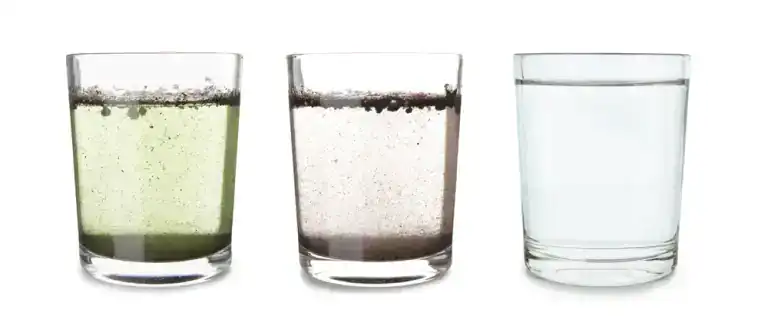
If you’re seeing stains on your sinks, tubs, or toilets, that’s iron or manganese. If your water smells like rotten eggs, that’s hydrogen sulfide from sulfur bacteria. If your soap doesn’t lather and your skin feels filmy after a shower, that’s hard water.
Those are the obvious signs. The less obvious ones are scale buildup inside your appliances, frequent plumbing repairs, and water that just tastes off. Chatmire’s water comes from the Floridan Aquifer, which is loaded with minerals. Hardness levels here typically run between 120 and 180 parts per million—well into the “hard” and “very hard” range.
You can get a free water test to know exactly what you’re dealing with. We test for hardness, iron, pH, bacteria, nitrates, and a few other common contaminants. That gives you a baseline. From there, you’ll know whether you need a softener, a filter, or a more comprehensive system.
A water softener removes hardness—specifically calcium and magnesium. It does that through an ion exchange process that swaps those minerals for sodium or potassium. Softeners prevent scale buildup in your pipes and appliances, and they make your water feel slicker.
A filtration system removes contaminants like chlorine, sediment, iron, bacteria, and chemicals. Some filters use activated carbon, others use reverse osmosis membranes, and some use UV light to kill microorganisms. Filtration improves taste, removes odors, and addresses health concerns.
Most homes in Chatmire need both. Hard water damages your plumbing and appliances. Contaminants affect your health and the taste of your water. A whole-house system can integrate softening and filtration so you’re covered on both fronts. If you only want purified drinking water, an under-sink reverse osmosis system handles that without treating your whole house.
It depends on what your water needs and the size of your home. A basic whole-house carbon filter starts around $1,000 to $1,500 installed. Add a water softener, and you’re looking at $2,500 to $4,000. A full system with softening, filtration, and UV purification can run $4,000 to $7,000.
Reverse osmosis systems for drinking water are separate and typically cost $400 to $1,200 installed, depending on capacity and features. Those go under your sink and only treat the water you drink and cook with.
The upfront cost is real, but so are the savings. You’ll stop buying bottled water. Your appliances will last longer—water heaters, dishwashers, and washing machines all take a beating from hard water and sediment. You’ll use less soap and detergent because soft water lathers better. And you won’t be calling a plumber to clear scale buildup from your pipes every few years. We can give you an exact quote after testing your water and understanding what you need.
Yes, but it’s not complicated. Carbon filters need replacing every six to twelve months depending on your water usage and quality. Sediment filters might need changing every few months if your water is particularly dirty. Reverse osmosis membranes last two to three years.
Water softeners need salt or potassium added regularly—usually a bag every month or two, depending on your hardness level and household size. UV bulbs need replacing once a year to stay effective. The system will keep working without maintenance, but it won’t work well.
We offer service plans that handle all of this. We’ll come out, swap the filters, check the system, and make sure everything’s running right. Or you can do it yourself—most filter changes are straightforward. We’ll show you how during installation. The key is staying on schedule. A clogged filter doesn’t just reduce flow; it stops doing its job.
Yes, but the right system matters. That rotten egg smell is hydrogen sulfide gas, and it’s common in Florida well water. A standard carbon filter will reduce it, but if the concentration is high, you need an oxidizing filter or an aeration system that converts the gas into sulfur particles and then filters them out.
Some homes also have sulfur bacteria in the well itself, which means the problem keeps coming back unless you treat the source. In those cases, we’ll recommend shocking the well with chlorine or installing a continuous chlorination system with a carbon filter to remove the chlorine afterward.
UV purification doesn’t remove sulfur, but it kills the bacteria that produce it. The best approach depends on your water test results. If sulfur is your main issue, we’ll design a system that targets it specifically. You shouldn’t have to smell your water every time you turn on the tap.
Please provide your email address so that we can stay in touch and answer any questions you have! We will be reaching back out shortly.
"*" indicates required fields