Reach Out Today
Please provide your email address so that we can stay in touch and answer any questions you have! We will be reaching back out shortly.

Hear from Our Customers
Your skin stops feeling dry after showers. Your coffee tastes better. Your appliances last longer because they’re not fighting mineral buildup every day.
That’s what happens when you filter at the source instead of just one faucet. A whole-house water filtration system treats everything—showers, sinks, washing machines, ice makers. You’re not just drinking cleaner water. You’re living in it.
Beachwood pulls from Florida’s aquifer system, which means your water travels through porous limestone before it reaches your home. That journey picks up calcium, magnesium, chlorine, and sometimes bacteria. Municipal treatment handles the worst of it, but not the stuff that leaves spots on your glassware or makes your water smell like a pool. That’s where reverse osmosis systems, activated carbon filtration, and UV water purification come in—each one targeting different problems your tap water carries.
Quality Safe Water of Florida LLC focuses on one thing: making sure your water is safe, clean, and reliable. We’re A+ rated with the Better Business Bureau, five stars, zero complaints. We’re members of the National Water Quality Association, which means we follow industry standards that matter.
We don’t do plumbing. We don’t install water heaters. We install water filtration systems for homes in Beachwood and across Central Florida, and we service what we sell. That’s a bigger deal than it sounds—plenty of national companies will install a system and disappear when something breaks.
We also offer a $500 discount for military members and first responders, and we’re proud supporters of the Tunnels to Towers Foundation. If you want to work with a company that shows up and sticks around, that’s us.
First, we test your water. Not a guess—a real analysis that shows what’s in it. Beachwood homes deal with hard water more often than not, but some also have sulfur, high chlorine, or bacterial contamination. The test tells us what you’re dealing with so we’re not guessing at a solution.
Next, we design a system based on those results. That might mean a reverse osmosis system for drinking water, an activated carbon filter to pull out chlorine and odors, or UV water purification to kill bacteria. For whole-house coverage, we often combine methods. It’s not one-size-fits-all.
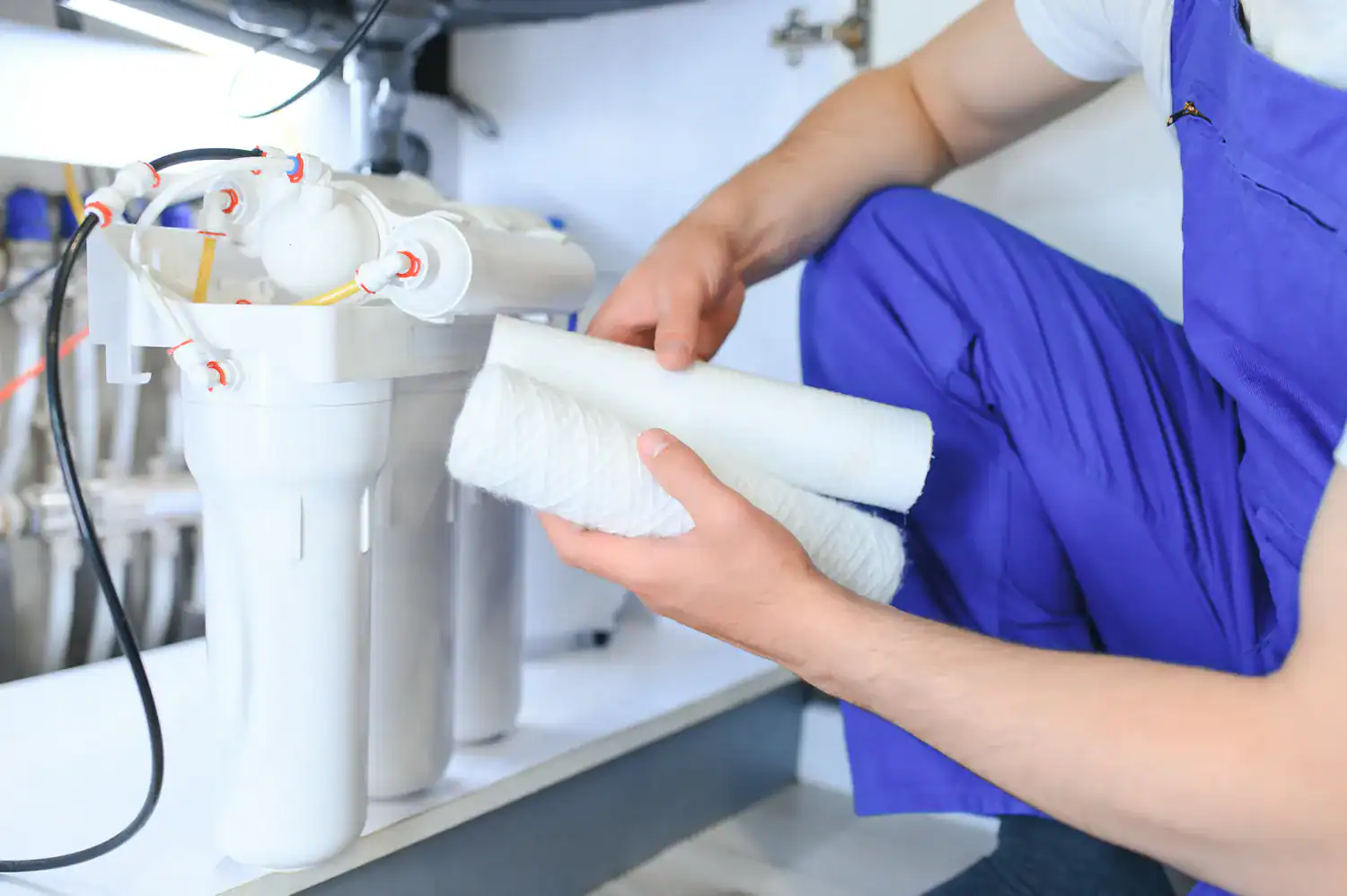
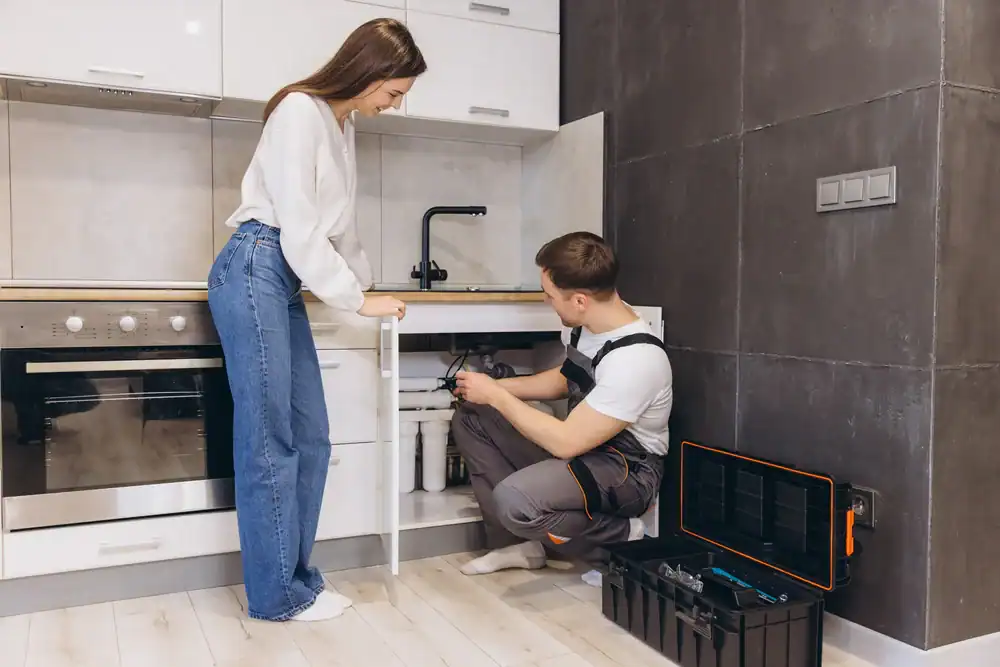
Then we install it. Most under-sink filter installations take a few hours. Whole-house systems take longer but still get done in a day. We walk you through how it works, when filters need changing, and what to expect. After that, it’s just cleaner water—every faucet, every day.
Ready to get started?
Every system we install starts with drinking water quality testing specific to your home in Beachwood, FL. We’re looking at hardness levels, chlorine concentration, pH balance, and contamination markers like bacteria or sulfur. Florida’s aquifer-fed water varies street to street, so testing matters more here than in other states.
From there, you get a custom-designed system. If your water’s loaded with calcium and magnesium—which most of Beachwood is—we’ll recommend a salt-free water conditioner or a traditional softener depending on your goals. If chlorine’s the issue, activated carbon filtration handles that. If you’re on well water or dealing with bacterial contamination, UV water purification is non-negotiable.
You also get a system that doesn’t waste water or electricity unless it has to. Our reverse osmosis systems are efficient. Our UV purification units run only when water flows. And our whole-house filters don’t require constant maintenance—just periodic filter swaps we can handle for you. You’re not buying a science project. You’re buying reliability.
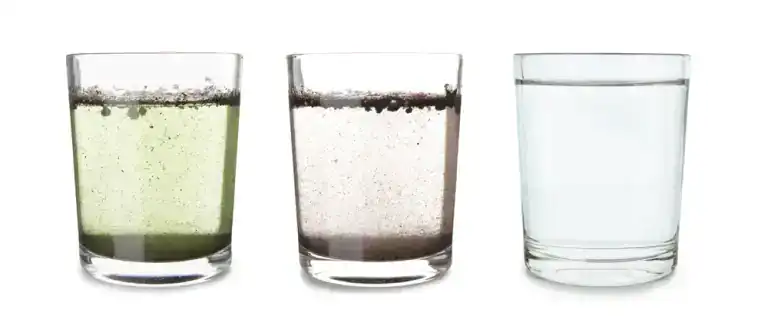
If your water smells like chlorine, leaves white spots on dishes, or makes your skin feel dry and itchy after a shower, you’ve got issues a filtration system can fix. Those are the obvious signs.
The less obvious ones: your appliances break down faster than they should, your water heater has sediment buildup, or you’re spending $100+ a month on bottled water because you don’t trust what comes out of the tap. Beachwood’s water comes from Florida’s aquifer system, which means it picks up minerals and contaminants on the way to your home. Municipal treatment removes the dangerous stuff, but not the things that affect taste, smell, and how your water interacts with your plumbing.
The only way to know for sure is testing. We can test your water and show you exactly what’s in it—hardness levels, chlorine, pH, bacteria, sulfur. Then you decide if it’s worth addressing. Most people who see the results don’t need much convincing.
An under-sink filter treats one faucet—usually your kitchen sink. It’s great for drinking and cooking water, and if that’s all you care about, it’s the most affordable option. Most under-sink systems use reverse osmosis or activated carbon to remove contaminants, and they do a solid job of it.
A whole-house water filtration system treats everything before it splits off to individual faucets. That means your showers, your washing machine, your dishwasher, your ice maker—they all get filtered water. You’re protecting your appliances from scale buildup, your skin from chlorine and hard minerals, and your entire plumbing system from long-term damage.
If your water has high hardness or chlorine levels—which is common in Beachwood—a whole-house system makes more sense. You’ll see the difference in how your skin feels, how your clothes look after washing, and how much longer your water heater lasts. It’s a bigger investment upfront, but it covers a lot more ground.
It depends on the system and how much water you use, but here’s the general breakdown. Under-sink reverse osmosis filters typically need changing every six to twelve months. Whole-house carbon filters last closer to a year, sometimes longer if your water quality is decent to start with.
UV purification bulbs need replacing once a year. They don’t burn out like a regular light bulb—they lose effectiveness over time, so even if it looks fine, it’s not doing the job after 12 months. Sediment pre-filters, which catch larger particles before they reach your main filter, usually need swapping every three to six months depending on how much sediment your water carries.
We don’t leave you guessing. When we install your system, we’ll tell you exactly when each component needs attention and set up reminders if you want them. Some of our systems have indicators that tell you when it’s time. And if you’d rather not deal with it yourself, we offer maintenance plans where we handle the replacements for you.
Yes, but you need the right type of filtration. That rotten egg smell is hydrogen sulfide gas, and it’s more common in Beachwood than most people realize—especially if you’re on well water or live in an area where the aquifer has higher sulfur content.
Activated carbon filters can handle low levels of sulfur and improve the smell significantly. For moderate to heavy sulfur contamination, you’ll need an oxidizing filter or a combination system that converts the hydrogen sulfide into particles your filter can catch. In some cases, we’ll add an air injection system that forces the gas out before the water even reaches your filtration setup.
The good news: it’s fixable, and it doesn’t take some massive industrial system to do it. We test your water first to see how much sulfur you’re dealing with, then recommend the most efficient solution. Once it’s installed, the smell is gone—from every tap, every shower, every load of laundry. You won’t even remember it was an issue.
Most of the time, no—city water in Beachwood is treated and monitored for bacteria. But there are exceptions, and they’re not as rare as you’d think. Older pipes, cross-contamination events, and pressure drops in the municipal system can introduce bacteria after the water leaves the treatment plant.
If you’ve ever gotten a boil water notice, that’s exactly what we’re talking about. UV water purification kills bacteria, viruses, and other microorganisms instantly as water passes through the light. It doesn’t use chemicals, doesn’t change the taste, and doesn’t require much maintenance—just an annual bulb replacement.
We usually recommend UV purification for well water, homes with immunocompromised family members, or anyone who’s had recurring issues with bacterial contamination. It’s also smart if you’re combining it with a whole-house system and want an extra layer of protection. It’s not required for everyone, but when it makes sense, it’s one of the most effective tools available.
Please provide your email address so that we can stay in touch and answer any questions you have! We will be reaching back out shortly.
"*" indicates required fields