Reach Out Today
Please provide your email address so that we can stay in touch and answer any questions you have! We will be reaching back out shortly.


Hear from Our Customers

The white buildup around your faucets disappears. Your shower doors stay clear instead of cloudy. Soap actually lathers the way it’s supposed to, and your skin doesn’t feel tight after you wash.
Your appliances last longer because they’re not fighting scale buildup with every cycle. Water heaters run more efficiently when they’re not insulated by layers of calcium and magnesium deposits. Dishwashers, washing machines, and coffee makers all perform better and need fewer repairs.
You’ll notice the difference in your laundry too. Clothes come out softer, colors stay brighter, and you use less detergent to get things clean. The same goes for dishes—no more spots or film, just clean glass and silverware.
Neptune Beach water measures around 260 parts per million for hardness, which puts it in the “extremely hard” category. That level of mineral content doesn’t just create annoyances. It actively shortens the life of everything that uses water in your home.
We focus exclusively on water purification, softening, and filtration. We don’t do plumbing. We don’t install water heaters. We specialize in one thing because doing it right requires real expertise.
We’re A-rated by the Better Business Bureau with a five-star rating and zero complaints. We’re also members of the National Water Quality Association, which means we follow industry standards for installation and service. Those credentials matter when you’re trusting someone to work on your home’s water system.
Neptune Beach homeowners deal with the same hard water issues that affect most of coastal Florida—high calcium and magnesium from the Floridan aquifer. We’ve been handling those conditions long enough to know what works and what doesn’t. You’re not getting a generic solution. You’re getting a system sized and calibrated for the water coming into your specific home.
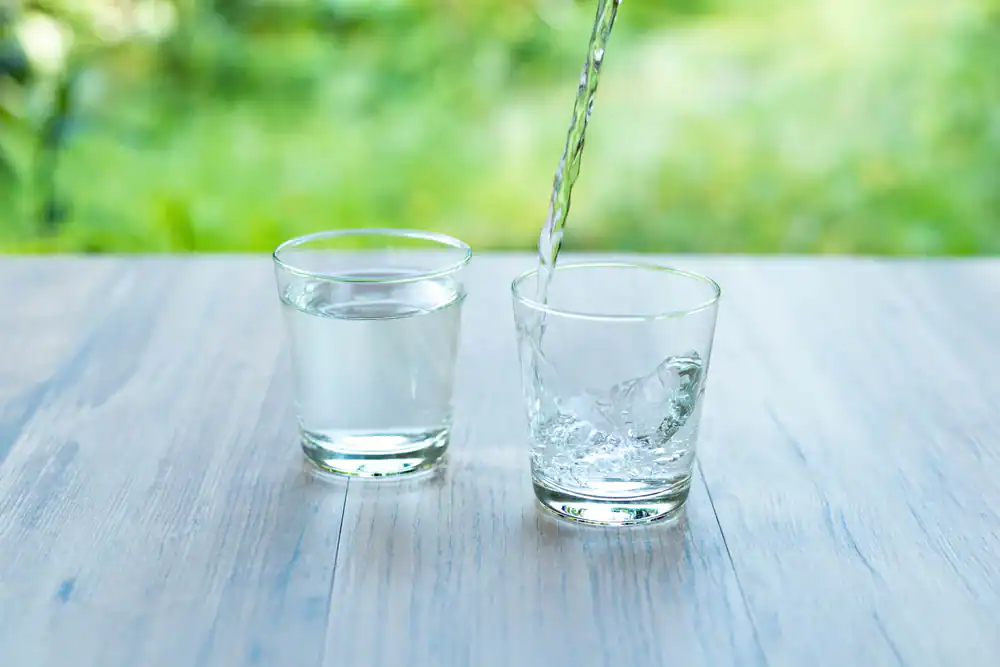
We start with a water test to measure your hardness levels and check for iron or other minerals that affect system selection. That tells us exactly what size and type of water softener system you need based on your household water usage.
Once we’ve sized the system correctly, we schedule the installation. We handle all the plumbing connections, electrical setup if needed, and calibration. The system gets installed at your main water line so every faucet, shower, and appliance in your home gets soft water.
After installation, we walk you through how the system operates. Modern water softeners regenerate automatically based on your actual water usage, not a timer. The only maintenance you’ll handle is adding salt to the brine tank every six to eight weeks for an average household.
We test everything before we leave to make sure the system is removing hardness properly and that water pressure stays where it should be. You’ll have soft water immediately, and you’ll see the difference within the first day or two as existing scale starts to clear out of your fixtures.

Ready to get started?
You get a complete system installation with professional-grade equipment that’s sized specifically for your home. We’re not selling you an off-the-shelf unit and hoping it works. Every installation is customized based on your water test results and daily usage patterns.
The installation includes all plumbing connections, drain line setup, and electrical work if your system requires it. We handle the permits and make sure everything meets Florida plumbing codes. Incorrect installation voids warranties and creates problems down the line, so we do it right the first time.
You also get training on how to operate and maintain your system. We explain how regeneration works, how often you’ll need to add salt, and what to watch for if something seems off. We’re available for service calls and ongoing support throughout the life of your system.
Neptune Beach’s water conditions mean you need a system that can handle high mineral content consistently. The equipment we install uses metered regeneration technology, which reduces salt consumption by up to 35% compared to older timer-based systems. That saves you money on salt and reduces waste, but more importantly, it means you never run out of soft water during high-usage periods.

Most residential installations run between $1,500 and $3,000 depending on system size and your home’s plumbing setup. That price includes the equipment, professional installation, water testing, and calibration.
Cheaper systems exist, but they’re usually undersized or built with components that don’t hold up. When you’re making an investment that should last 15 to 25 years, the quality of the equipment and the installation matters more than saving a few hundred dollars upfront.
You’ll typically see payback within three to five years through lower energy bills and reduced appliance maintenance. Water heaters run more efficiently without scale buildup. Dishwashers and washing machines last longer. You use less soap and detergent because soft water lathers properly. Those savings add up to somewhere between $500 and $1,200 annually for most families.
No, a standard water softener won’t remove hydrogen sulfide, which is what causes that rotten egg smell. Softeners are designed to remove calcium and magnesium—the minerals that cause hardness. Sulfur requires a different type of treatment.
If you’re dealing with both hard water and a sulfur smell, you need a system that addresses both issues. Some whole-house filtration systems can handle hydrogen sulfide along with hardness, or you might need separate treatment stages depending on your water test results.
That’s why we always start with testing. We need to know exactly what’s in your water before recommending equipment. If you’ve got multiple issues—hardness, iron, sulfur, or other contaminants—we’ll design a system that handles all of them instead of just solving one problem and leaving you with another.
The main thing you’ll do is keep salt in the brine tank. For an average household, that means adding a 40-pound bag of salt every six to eight weeks. The system will keep working as long as there’s salt available for the regeneration cycle.
Beyond that, modern systems require very little maintenance. They’re designed to regenerate automatically based on your water usage, so there’s no timer to adjust or settings to change. Most homeowners never need to do anything beyond adding salt.
We recommend having the system checked every few years to make sure the resin bed is still performing well and that the control valve is functioning properly. If you notice a drop in water softness or if the system starts regenerating more frequently than normal, that’s a sign something needs attention. But with proper installation and normal use, these systems are built to run for 15 to 25 years with minimal intervention.
Softened water is safe to drink for most people. The amount of sodium added during the softening process is relatively small—about 8 milligrams per 8-ounce glass for water with moderate hardness levels. That’s less sodium than you’d find in a slice of bread.
If you’re on a strict low-sodium diet for medical reasons, you might want to talk to your doctor. But for most households, the sodium content in softened water isn’t a concern. You’re getting far more sodium from food than you would from drinking soft water throughout the day.
Some homeowners choose to install a separate tap for drinking water that bypasses the softener, or they add a reverse osmosis system at the kitchen sink for drinking and cooking water. That gives you the benefits of soft water throughout your home while providing sodium-free water where you want it. We can set up either option depending on your preferences.
System size depends on two things: your water hardness level and your daily water usage. A family of four typically uses between 200 and 400 gallons per day. With Neptune Beach water measuring around 260 ppm hardness, you’d need a system that can handle roughly 52,000 to 104,000 grains of hardness between regeneration cycles.
That’s why we don’t recommend systems based on square footage or number of bathrooms. Those are rough estimates that often lead to undersized equipment. We test your water and calculate your actual usage to size the system correctly.
An undersized system regenerates too frequently, which wastes salt and water. It might also run out of soft water during high-usage periods like mornings when everyone’s showering. An oversized system costs more upfront and can have issues with channeling in the resin bed if it’s not regenerating often enough. Proper sizing means the system runs efficiently and provides consistent soft water without unnecessary waste.
Please provide your email address so that we can stay in touch and answer any questions you have! We will be reaching back out shortly.
"*" indicates required fields