Reach Out Today
Please provide your email address so that we can stay in touch and answer any questions you have! We will be reaching back out shortly.

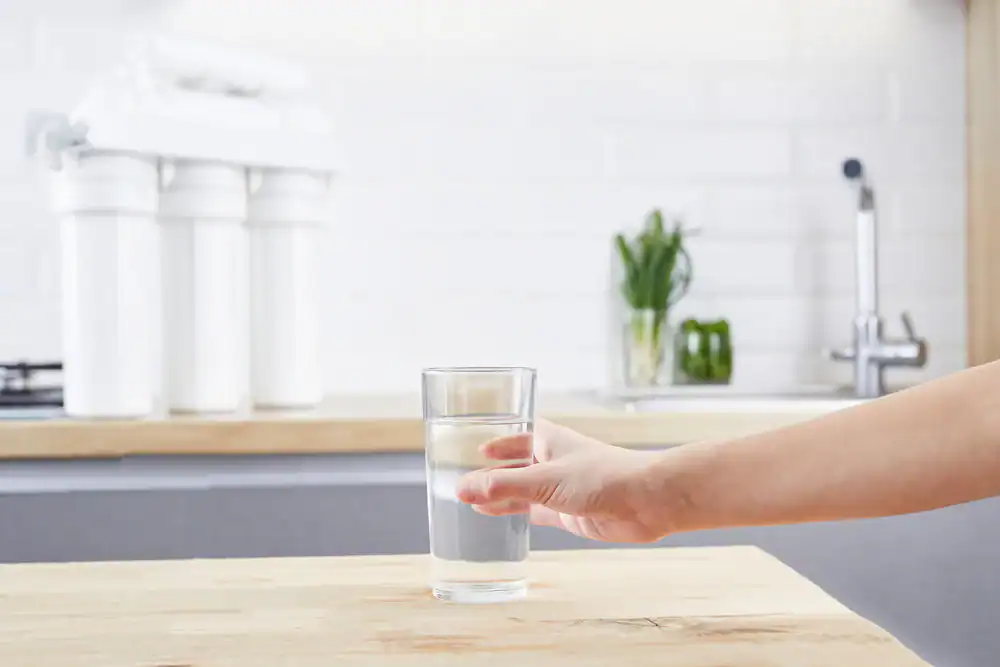
Hear from Our Customers
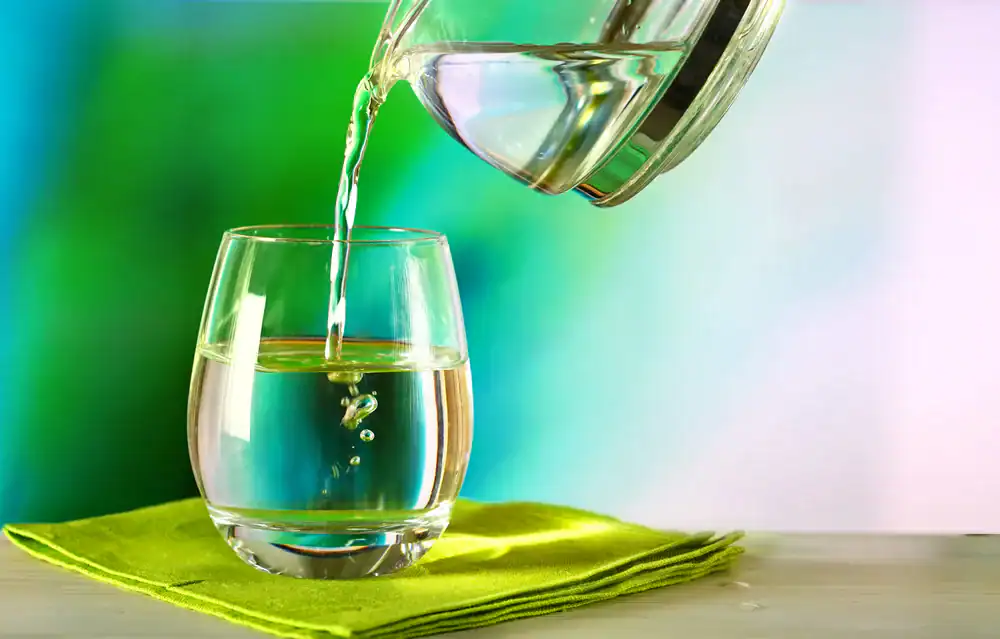
Your water heater stops working as hard. Scale quits building up inside the tank, on the heating elements, in your pipes. That means lower energy bills and appliances that actually last as long as they’re supposed to.
Your skin feels different after a shower. No more dryness or that tight, filmy feeling. Your hair rinses clean. Soap works the way it should.
Dishes come out of the dishwasher without spots. Your shower doors stay clearer longer. Laundry feels softer without adding extra products. These aren’t small things when you’re dealing with them every single day.
Hard water in Dallas, FL isn’t just an annoyance. It’s costing you money in ways that add up quietly—higher utility bills, shorter appliance lifespan, more cleaning supplies, more repairs. A water softening system stops that cycle.
We’ve been installing water treatment systems across the state for over five decades. We’re members of the National Water Quality Association and hold an A+ rating with the Better Business Bureau—with zero complaints.
That matters because this industry has plenty of companies that sell systems and disappear when something breaks. We’re still here. We service what we sell.
Dallas and the surrounding areas deal with some of the hardest water in Florida. We’ve tested thousands of wells and city water sources in this region. We know what you’re dealing with because we’ve seen it in your neighbors’ homes, and we’ve designed systems to handle it. Every system we install starts with a free water analysis—because guessing doesn’t work when minerals vary this much from one street to the next.

We start with a water test at your home. Not a generic test—a full analysis that shows us exactly what’s in your water and how much of it. Hardness levels, iron content, sulfur, bacteria if it’s present. You can’t fix what you haven’t measured.
Then we look at your household size and water usage patterns. A family of five uses water differently than a couple. Your system needs to regenerate at the right intervals and handle peak demand without running out of soft water halfway through the morning.
From there, we design a system specific to your results. Sometimes that’s a salt-based softener. Sometimes it’s a salt-free conditioner if that fits your situation better. If you’ve got iron staining your fixtures, we address that separately—it requires different media. Same with sulfur or bacterial issues.
Installation happens in one day for most homes. Our technicians are certified, and they’ve done this enough times to know how to route lines without tearing up your house. After it’s in, we walk you through how it works, what to watch for, and how to maintain it. Then we stay available if something comes up.

Ready to get started?
A complete water softening system handles everything coming into your home. That includes the water heater, all your faucets, your washing machine, dishwasher, and any appliance connected to your plumbing.
In Dallas, FL, most homes are dealing with hardness levels well above 200 parts per million. That’s considered very hard. At that level, you’ll see scale forming inside your water heater within months. Your soap stops lathering. Your fixtures get coated in white buildup that doesn’t wipe off easily.
Our systems remove those hard minerals before they reach your pipes. If your water has iron—which is common in well water around here—we add an iron filter. Rust stains on your sinks and toilets disappear. If there’s a sulfur smell, we filter that out with a separate media tank.
We also offer salt-free options for people who want to prevent scale without adding sodium to their water. These systems condition the minerals so they don’t stick to surfaces. They won’t make your water feel slippery like a traditional softener does, but they protect your plumbing and appliances just as well. It depends on what you’re trying to solve and what matters most to you.

If you’re seeing white buildup on your faucets, your dishes have spots after washing, or your skin feels dry and tight after a shower, you’ve got hard water. Those are the visible signs.
The less obvious signs cost more. Your water heater works harder and uses more energy when scale builds up on the heating elements. Your washing machine and dishwasher wear out faster. Soap and detergent don’t work as well, so you use more of it.
We can test your water for free and show you exactly what’s in it. Most homes in Dallas are pulling water with hardness levels between 200 and 300 ppm. Anything over 180 ppm is considered very hard. At that level, a water softening system pays for itself in appliance lifespan and energy savings within a few years.
A salt-based system removes hard minerals from your water through ion exchange. It swaps calcium and magnesium ions for sodium ions. Your water comes out soft—no scale, no buildup, and soap lathers easily. You’ll need to add salt to the brine tank periodically, and the system uses a small amount of water during regeneration.
A salt-free system doesn’t remove minerals. It changes their structure so they don’t stick to surfaces. You won’t get that slippery feel in the shower, and your water will still technically be hard. But it prevents scale from forming in your pipes and on your appliances.
Which one makes sense depends on what you’re trying to fix. If you want truly soft water and you’re dealing with skin irritation or heavy soap scum, go salt-based. If your main concern is protecting your plumbing and you don’t want to deal with salt, a conditioner works. We’ll test your water and talk through both options so you’re making a decision based on your actual situation—not a sales pitch.
Salt-based systems need salt added to the brine tank every few weeks, depending on your water usage and hardness level. That’s something you do yourself—it takes five minutes. You pour a bag of salt into the tank when it runs low.
Once a year, it’s smart to have someone check the system. We clean out the brine tank, inspect the resin bed, and make sure the control valve is regenerating on schedule. If something’s wearing out, we catch it before it stops working.
Salt-free systems need even less. The media inside the tank lasts several years before it needs replacing. There’s no salt to add and no regeneration cycle. You might need to change a pre-filter every six months if your system has one, but that’s about it. These systems don’t use electricity or waste water, so there’s less that can go wrong. We’ll set up a maintenance schedule based on what you have installed and what your water test showed.
A standard water softener can handle small amounts of dissolved iron—usually up to 3 or 4 ppm. If you’ve got more than that, or if you’re seeing rust stains on your fixtures, you need a dedicated iron filter before the softener.
Iron comes in different forms. Clear water iron dissolves in your water and turns orange when it hits the air. That’s what leaves rust stains in your sinks and toilets. A softener won’t remove it effectively. You need an oxidizing filter or a media tank designed specifically for iron removal.
Sulfur is a separate issue. If your water smells like rotten eggs, that’s hydrogen sulfide gas. A water softener won’t touch it. You need an air injection system or a catalytic carbon filter to get rid of the smell. We see this a lot in well water around Dallas. The good news is these systems can be installed alongside a softener as part of a whole-house treatment setup. We test for all of this upfront so you’re not surprised later.
It depends on what your water test shows and what size system your household needs. A basic salt-based softener for a typical home usually starts around a few thousand dollars, installed. If you need additional filtration for iron, sulfur, or bacteria, that adds to the cost.
Salt-free systems tend to run a bit higher upfront because the media is more expensive, but you save money over time since there’s no salt to buy and no water wasted during regeneration.
We don’t give quotes over the phone because every home is different. Your water chemistry, your household size, your plumbing setup—it all affects what you need. We’d rather test your water, look at your space, and give you an accurate number than throw out a range that doesn’t mean anything. We also offer a $500 discount for military members and first responders. The free water analysis doesn’t obligate you to anything. You’ll know what’s in your water and what it’ll take to fix it before you spend a dollar.
Please provide your email address so that we can stay in touch and answer any questions you have! We will be reaching back out shortly.
"*" indicates required fields