Summary:
Understanding Whitney FL Well Water Problems
Whitney’s well water issues stem from Florida’s unique geological makeup, where hard water is the most common problem, containing high concentrations of minerals like calcium and magnesium. Iron and manganese are often found in groundwater and can cause the water to have a cloudy appearance. Since 90% of Florida’s drinking water comes from aquifers – huge underground rocks made of porous limestone – the water is easily contaminated because of Florida’s unique soil layer, high water table, porous limestone, and large quantities of rainfall.
According to the Florida Department of Health, the most common contaminants in well water in Florida are bacteria and nitrates. But that’s just the beginning of what Whitney homeowners typically encounter.
Iron and Rust Stains: The Orange Problem
Iron and manganese are often found in groundwater and can cause the water to have a cloudy appearance. A metallic taste and rust-colored stains may accompany the cloudy appearance, and residents may notice these stains on the plumbing, cookware and laundry. If you’ve noticed orange or reddish-brown stains on your sinks, toilets, or white clothing, you’re dealing with iron in your well water.
This isn’t just a cosmetic issue. Iron buildup can clog your pipes, reduce water pressure, and significantly shorten the life of your water heater, dishwasher, and washing machine. The stains become increasingly difficult to remove over time, and they’ll keep coming back until you address the source.
Iron filtration systems, like whole house manganese greensand units that use potassium permanganate, can remove both ferrous and ferric iron, manganese, and low hydrogen sulfide. The key is choosing a system designed specifically for your iron levels and water usage.
For Whitney homeowners, iron levels can vary significantly even within the same neighborhood. That’s why professional water testing is essential before selecting any filtration system. Some wells might have iron levels that require simple sediment filtration, while others need specialized oxidation systems to convert dissolved iron into particles that can be filtered out.
Sulfur Smell: Eliminating the Rotten Egg Odor
If you have well water, you’re bound to be very familiar with sulfur. Sulfur is the common “rotten egg” smell that many homeowners face on a daily basis. Sulfur, which is a common problem in Florida, can leave residue and stains on appliances, fixtures, and even clothing.
The sulfur smell isn’t just unpleasant – it’s embarrassing when you have guests over, and it can make your entire home feel unwelcoming. Aeration water treatment systems can eliminate approximately 99.9% of heavy sulfur, known as the “rotten egg smell,” and also eliminate black stains and corrosive action in well water.
Sulfur problems in Whitney wells often come from hydrogen sulfide gas, which forms naturally when organic matter decomposes in groundwater. The smell is most noticeable when you first turn on hot water because heat releases the gas more readily. Some homeowners try to mask the odor with air fresheners or avoid using certain taps, but these are temporary fixes that don’t address the underlying issue.
Modern sulfur removal systems work by oxidizing the hydrogen sulfide, converting it into sulfur particles that can be filtered out. Advanced systems like the Iron-Sulfur Eliminator Filter are chemical-free and nearly maintenance-free, providing a long-term solution without ongoing chemical costs. The right system not only eliminates the smell but also prevents the black stains and corrosion that sulfur causes throughout your plumbing system.
Choosing the Right Well Water Filtration System
Well water filtration systems typically consist of multiple components, including sediment filters, chemical-free filters, and water softeners. The key to success isn’t just buying a system – it’s getting the right combination of treatments for your specific water problems.
Filtration systems are designed to address specific water quality concerns as well as other contaminants like bacteria, sediment, high levels of minerals such as manganese, and even harmful chemicals such as PFAS. By targeting the unique chemistry of each well, these systems provide safe, clean drinking water, improve taste and odor, and make water more palatable for everyday use.
Whole House vs Point-of-Use Systems
For houses with well water, the most complete water filtration system treats the entire home. Four filters in one can remove all types of sediment from your water. But the choice between whole house and point-of-use systems depends on your specific needs, budget, and water problems.
Whole house systems filter all the water entering your home, protecting every faucet, shower, and appliance. This comprehensive approach makes sense for Whitney homeowners dealing with hard water, iron, or sulfur because these problems affect your entire water supply. You’ll see benefits in your laundry, dishes won’t have spots, and your skin and hair will feel softer after showering.
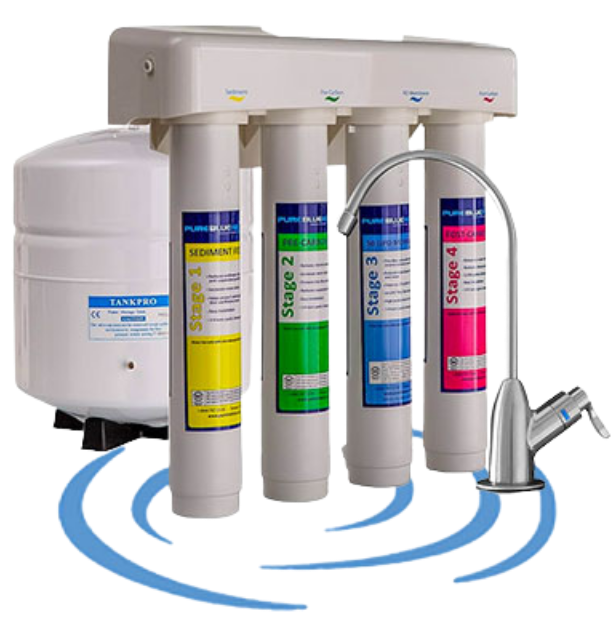
Point-of-use systems, like under-sink filters, focus on specific locations – typically your kitchen sink for drinking and cooking water. Under sink filters typically cost between $100 and $500, are great for filtering water at a specific location, and provide clean drinking water at a specific sink. These make sense if your main concern is drinking water quality and you’re dealing with issues like bacteria or chemical contaminants that primarily affect consumption.
The decision often comes down to scope and budget. Whole house water filter pricing in Florida can range broadly, with most systems falling somewhere between $800 and $3,000 or more, depending on your home’s needs and the level of filtration required. However, when you factor in the protection of your appliances, plumbing, and the convenience of filtered water throughout your home, whole house systems often provide better long-term value for Whitney homeowners with well water.
Professional Installation vs DIY: What You Need to Know
Installation typically ranges from $500 – $1,500, depending on complexity. While some homeowners consider DIY installation to save money, well water filtration systems require specific knowledge about water chemistry, plumbing codes, and system sizing that most homeowners don’t possess.
Professional installation ensures your system is properly sized for your home’s water usage and specific contamination issues. In Florida, installation costs for water filtration systems vary by home type, location, and labor, with Florida homeowners expecting labor to represent a significant portion of the overall cost, particularly for complex installations or retrofits.
Whitney’s well water systems often require multiple stages of treatment, and the order of installation matters significantly. The order in which water flows through components plays a critical role in ensuring effectiveness and efficiency. Typically, the first component to be installed is a sediment pre-filter, followed by other components such as activated carbon filters, water softeners, and UV disinfection systems based on the specific needs of the well water.
Professional installers understand Florida’s plumbing codes and permit requirements. Some municipalities may require a permit for larger installations. Systems placed outdoors may need weather protection or anchoring. If your current plumbing is outdated or poorly configured, additional work may be needed. We also provide warranties on our work and can troubleshoot issues that arise during installation.
Perhaps most importantly, professional installation includes proper system commissioning – testing the system to ensure it’s removing contaminants as designed and adjusting settings for optimal performance. This step is often overlooked in DIY installations but is crucial for getting the results you expect from your investment.
Making the Right Choice for Your Whitney Home
A reliable well water filtration system not only protects your family’s health but also prevents damage to appliances and plumbing from sediment buildup and mineral deposits. The investment you make in the right filtration system pays dividends in appliance longevity, reduced maintenance costs, and most importantly, peace of mind about your family’s water quality.
Every Whitney home’s water is unique, which is why professional water testing and customized system design are essential. The combination and configuration of filtration stages are customized to match the water chemistry results obtained during the initial assessment, ensuring tailored solutions for the best results.
When you’re ready to solve your well water problems once and for all, we can provide the expertise and systems you need. With our A+ Better Business Bureau rating, National Water Quality Association membership, and focus on whole-house solutions designed specifically for Florida’s water challenges, we understand what Whitney homeowners face and have the solutions that work.