Summary:
Average Water Filtration System Costs in Lake County, FL
Whole house water filtration systems in Lake County typically range from $850 to $3,000, with most homeowners paying between $1,129 and $3,539 depending on the system type and installation requirements. Quality systems with professional installation generally cost $1,000 to $3,000 in the first year.
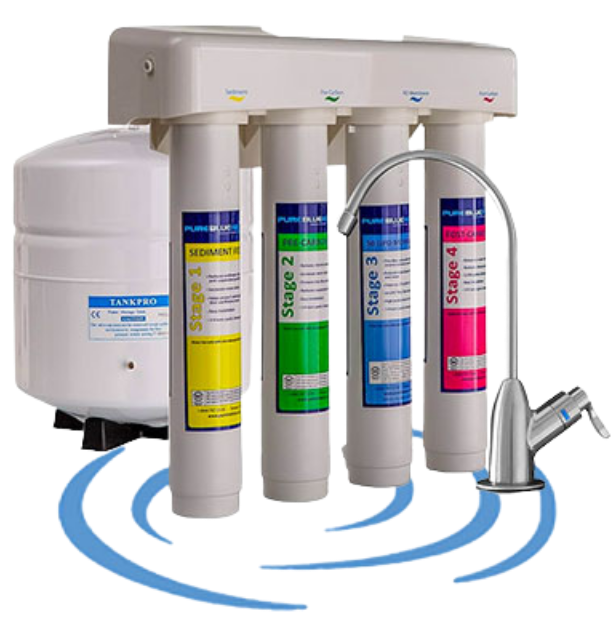
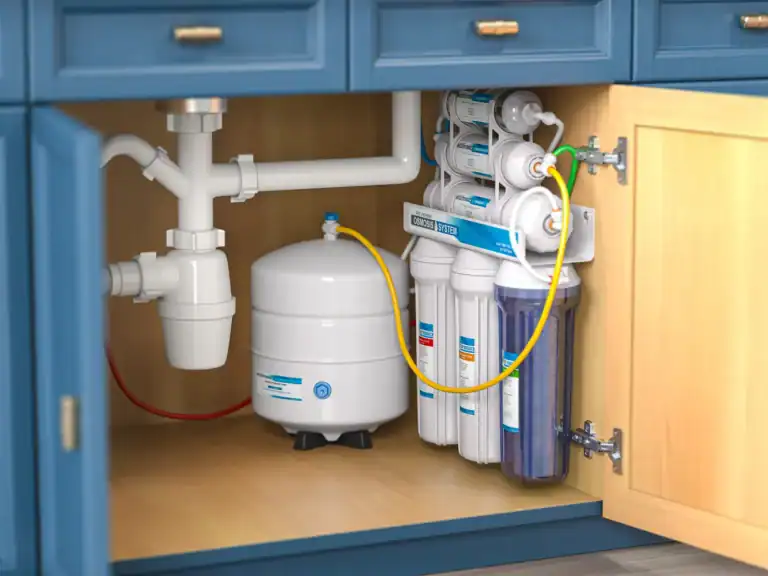
Under-sink filtration systems offer a more budget-friendly option, with installation costs ranging from $170 to $580. These point-of-use systems work well if you’re primarily concerned about drinking and cooking water quality.
The wide price range reflects the variety of technologies available and the complexity of Lake County’s water challenges. Your specific costs depend on factors we’ll explore in detail.
What Drives Installation Costs Higher in Lake County
Lake County’s water quality varies significantly by neighborhood, with many homes facing hard water problems from elevated calcium and magnesium levels, plus sulfates that create “rotten egg” odors. These local conditions directly impact your system requirements and costs.
Water testing and customization based on your specific contaminants may require additional filtration stages or specialized filters, increasing equipment costs. Recent detection of PFAS compounds in trace amounts has many homeowners choosing more comprehensive systems like reverse osmosis for added protection.
Installation complexity varies significantly based on your home’s plumbing accessibility, age of pipes, and whether you need electrical outlets installed within 10-15 feet of the system. Homes with limited access to main water lines or those requiring extensive plumbing modifications will see higher labor costs.
Professional installation typically adds $300 to $500 to your project cost, though this can increase for larger or more complex systems. The investment in professional installation ensures proper performance and protects your warranty coverage.
Your home’s size also matters. Larger homes typically require higher flow rate systems measured in gallons per minute, which increases equipment costs. A family of four needs different capacity than a couple, and multi-bathroom homes require systems that maintain pressure during simultaneous use.
Ongoing Maintenance and Replacement Costs
Annual maintenance costs typically range from $50 to $300 for filter replacements, while advanced systems like reverse osmosis may require higher upkeep. Most filters need replacement every 6-12 months depending on your system type and water usage.
Cartridge-based systems in whole house applications typically last 80,000 gallons or about one year, which is significantly better than smaller point-of-use systems that need changes every six months. Long-lasting carbon systems can filter 600,000 to 1,000,000 gallons over approximately five years.
The key to managing ongoing costs is choosing a system that matches your water usage patterns. Homes drawing from wells may need more robust systems with additional filters for sediment and bacteria, while city water users typically focus on reducing chlorine and chemicals.
High water usage households will change filters more often, especially with cartridge-based systems. Understanding your family’s water consumption helps predict annual maintenance expenses. Some manufacturers offer auto-ship programs that deliver replacement filters annually at discounted prices.
Consider the total cost of ownership, not just the upfront price. While systems cost significant money initially, you’ll save money long-term through reduced bottled water purchases and lower energy bills from more efficient appliances. Water softening systems increase appliance lifespan by removing hard water effects, making repairs and maintenance less frequent.
Choosing the Right System Type for Your Budget
Most water filter products use carbon filtration, reverse osmosis, or a combination of both technologies, with activated carbon being the most common commercial option. Your choice between these technologies significantly affects both upfront and ongoing costs.
Carbon block filters cost more than granular activated carbon but are generally more effective at removing a broader range of chemicals due to increased surface area and slower filtration rates. However, they may need replacement more frequently.
Whole house systems range from $850 to $5,400 on average, while well water filtration costs $800 to $4,000 installed due to typically requiring more purification than city water.
Whole House vs Point-of-Use System Costs
Whole house water filter systems, also known as point of entry (POE) systems, are designed to filter all incoming water in your home for cooking, bathing, washing dishes and clothes, and drinking. Most whole house systems in Florida fall between $800 and $3,000, with basic sediment or carbon filters on the lower end designed to remove chlorine, dirt, and odor.
Mid-range water softener and filtration combinations address hardness along with chemical contaminants, while advanced reverse osmosis or multi-stage systems on the higher end address a wider variety of impurities and are often fully customized.
Point-of-use reverse osmosis systems cost $300 to $950 for under-sink models, while whole house reverse osmosis installations cost $4,800 to $8,000 total. Whole house reverse osmosis systems range from $4,000 to $25,000, with most Florida homeowners spending $8,000 to $15,000 for systems handling the state’s challenging water conditions.
Whole house systems are expensive compared to point-of-use filtration and usually aren’t necessary except when water contains high levels of radiologicals or iron that may damage home appliances. Since whole house systems remove chlorine, they may introduce additional risk of harmful bacterial growth in plumbing.
For most Lake County homeowners, a targeted approach works better. Florida’s complex water quality issues often require multiple treatment approaches, with many homeowners combining water softening, carbon filtration, and reverse osmosis to address different water quality problems. While this comprehensive approach costs more upfront, it often provides better results than trying to solve everything with a single system type.
Professional Installation vs DIY Considerations
Professional installation ensures efficiency and longevity, with installation typically ranging from $500 to $1,500 depending on complexity. While DIY kits exist, professional installation ensures efficiency, compliance with plumbing codes, and system longevity.
Installation costs in Florida typically range from $200 for basic under-sink systems to $2,000 or more for complex whole house installations, with variation coming from plumbing accessibility, electrical requirements, and whether installers need to run new lines through finished walls.
Under-sink water filters may require plumbing modifications and drilling holes in your sink deck for the water dispenser, potentially requiring professional installation that adds about $150 to project costs. Labor to install whole house systems ranges from $200 to $600, while under-sink filtration installation ranges from $120 to $300.
Additional costs include electrical outlets that must be placed within 10-15 feet of whole house systems ($150-$350), plumbing permits ($30-$500 depending on location), and drywall repair for holes made during installation ($100-$400). Pipe connections over 25 feet cost $150 to $850 additional.
The complexity of your installation affects whether DIY makes sense. Simple under-sink carbon filters might be manageable for handy homeowners, but whole house systems require knowledge of local plumbing codes, proper bypass installation, and pressure testing. Some systems feature DIY-friendly installation and maintenance, making them easier to set up and maintain.
Professional installation protects your warranty and ensures optimal performance. Hiring a professional helps guarantee proper installation and optimal performance. Most manufacturers require professional installation to maintain warranty coverage on higher-end systems.
Making Your Water Filtration Investment Decision
Homeowners can expect to spend between $500 and $5,000 for water filtration systems, and while it’s an investment, the benefits of clean, safe, and great-tasting water make it well worth it. While the initial investment may seem substantial, a high-quality whole house water filter provides clean, safe water throughout your home for years and is an investment in your family’s health, your home’s plumbing system, and potentially the environment.
The key is matching your system to Lake County’s specific water challenges and your family’s needs. Start with professional water testing to determine what’s in your drinking water, from common impurities like chlorine and iron to harder-to-detect contaminants like PFAS and lead, with local water experts helping you understand which tests you need.
Your investment in water filtration pays dividends through improved health, better-tasting water, longer-lasting appliances, and increased home value. For personalized guidance on the right system for your Lake County home, we offer comprehensive consultations that take the guesswork out of this important decision.