Reach Out Today
Please provide your email address so that we can stay in touch and answer any questions you have! We will be reaching back out shortly.


Hear from Our Customers
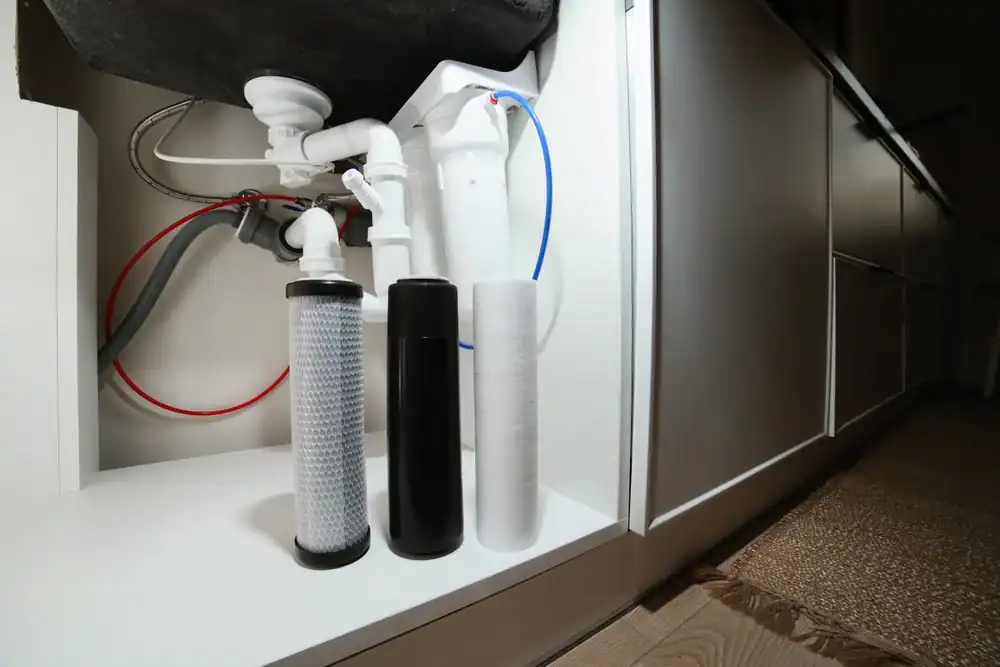
The Floridan Aquifer runs directly beneath Orange Blossom Gardens, and it’s loaded with iron, manganese, hydrogen sulfide, and dissolved minerals. This is just limestone geology doing what it does. The result shows up in your toilet bowl, on your fixtures, in your laundry, and in the smell that hits you the moment hot water runs.
For residents in the original Orange Blossom homes — many of which were built as manufactured homes in the ’70s and ’80s — older plumbing infrastructure makes this worse. Hard water and iron-rich water accelerate scale buildup inside pipes, shorten the life of water heaters and appliances, and compound over years into real repair costs. A properly designed whole-house system stops that damage at the source.
Once it’s installed, the difference is immediate. Water runs clear. The rotten egg smell is gone. Your fixtures stop staining. Your appliances last longer. And every tap in the house — not just the kitchen sink — delivers the same clean result. That’s what a system built around your actual water chemistry does, and it’s what a free water test makes possible before a single dollar is spent.
Quality Safe Water has been treating Florida well water for over 50 years. That’s longer than The Villages has carried its name. We’ve been working with Floridan Aquifer water — the same source that supplies Orange Blossom Gardens and the surrounding Lady Lake area — long enough to know exactly what’s in it and exactly what removes it.
The credentials matter here. An A+ BBB rating with zero complaints, a five-star rating across review platforms, and active membership in the National Water Quality Association — which requires passing a formal exam and committing to a written code of ethics — sets a bar that most water treatment companies in this market simply don’t clear. The Florida Attorney General has prosecuted companies in this industry for fraudulent health claims and high-pressure sales. Our record is the opposite of that.
We already serve Lady Lake directly. This isn’t a company discovering Orange Blossom for the first time — we know this area’s water, we’ve treated it, and we have customers here.
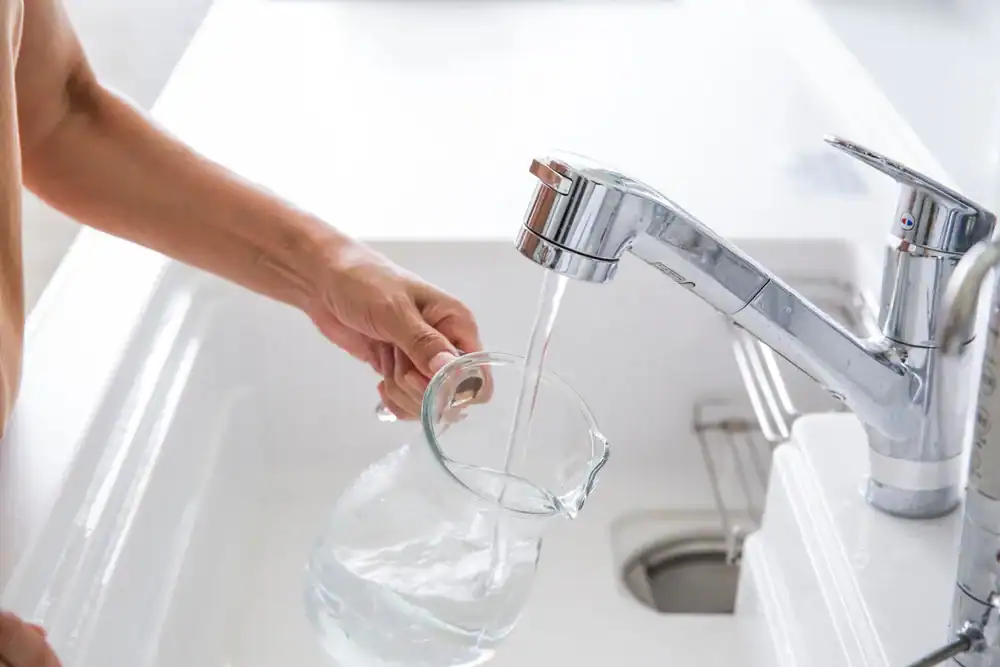
It starts with a free water analysis — a real one, not the theatrical dye-drop demo that high-pressure companies use to sell you a system before you know what’s actually in your water. We test for specific contaminants at their actual concentrations: iron in parts per million, hydrogen sulfide levels, bacterial presence, hardness in grains per gallon, manganese. Everything that matters gets measured.
From there, we design a system around those numbers. Not around a sales quota — around your water. If iron and sulfur are the issue, that typically means an air injection oxidation system or hydrogen peroxide injection for heavier sulfur loads. If bacteria is a concern — which is worth checking in Lake County’s warmer months, when well water temperatures rise and bacterial growth accelerates — we add UV disinfection. If hardness is compounding the problem, water softening gets incorporated. The system is sized for your household’s water usage and your well’s specific chemistry.
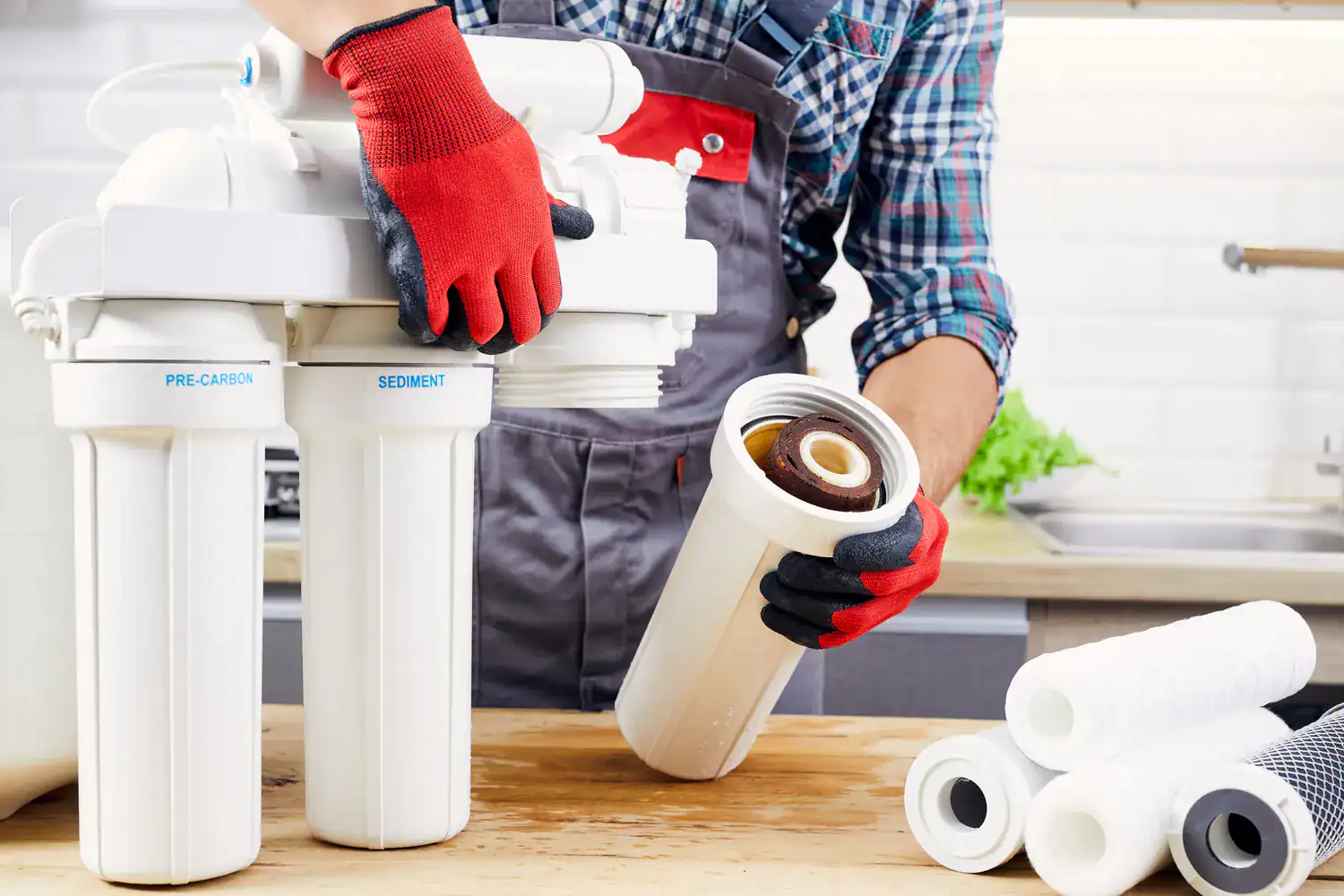
Installation happens in one day. Our technician arrives, installs the system at the point of entry to your home, and walks you through how it works before leaving. By the time they’re gone, every tap in the house runs clean water. There’s no multi-day disruption, no scheduling multiple contractors, and no wondering whether one treatment is going to interfere with another.
Ready to get started?
The most common mistake Lake County well water owners make is buying a single-purpose system — a softener without iron treatment, or an iron filter without addressing sulfur. Running high sulfur levels through a standard water softener will foul the resin beads and destroy the machine. That’s an expensive lesson. A properly designed multi-stage system handles iron, sulfur, bacteria, hardness, and manganese together, because in Floridan Aquifer water, they rarely show up alone.
Every system we install starts with what your water test actually shows. For properties on private wells in unincorporated Lake County near Lady Lake, that often means elevated iron, measurable hydrogen sulfide, and hardness levels that visibly affect appliances and fixtures within months. For residents on VCSA municipal water within Orange Blossom Gardens, the source water comes from the same aquifer — treated before it reaches you, but still carrying mineral loads that a point-of-entry system can address at the home level.
If you’re a veteran or active-duty military, or a first responder, there’s a $500 discount applied directly to your system. Orange Blossom has one of the highest concentrations of veterans in the state — that discount is here because it belongs here. Our involvement with the Tunnels to Towers Foundation reflects the same commitment, not a marketing line.

Most of Orange Blossom Gardens is served by the Village Center Service Area, which provides municipal water drawn from the Floridan Aquifer and treated before distribution. So technically, many residents are on city water — not a private well. That said, the source is still the same limestone aquifer that loads water with iron, manganese, calcium, and hydrogen sulfide before it ever reaches a treatment plant. Even after municipal treatment, those minerals are present in the water delivered to your taps, which is why hard water damage and mineral staining are common throughout the community.
There are also properties in unincorporated Lake County adjacent to Orange Blossom that rely on private wells with no intermediate treatment at all. If you’re on a private well, your water goes straight from the aquifer to your tap — which means iron staining, sulfur odor, and bacterial risk are entirely your responsibility to manage. A free water test will tell you exactly what you’re dealing with, regardless of whether you’re on municipal supply or a private well.
That smell is hydrogen sulfide — a gas that forms naturally in the Floridan Aquifer as sulfur compounds break down in the limestone. It’s extremely common in Lake County and throughout Central Florida, and it’s more noticeable when hot water runs because heat releases the gas faster. The concentration varies from well to well, but once it’s present, it doesn’t go away on its own.
The fix depends on how much hydrogen sulfide is actually in your water. Moderate levels respond well to an air injection oxidation system, which introduces air into the water to oxidize and filter out the sulfide before it reaches your taps. Higher concentrations typically require hydrogen peroxide injection for complete removal. This is exactly why a real water test matters before any system gets recommended — the wrong treatment for your concentration level either won’t work or will create new problems downstream.
Yes — when it’s designed correctly from the start. A multi-stage whole-house system can address iron, hydrogen sulfide, bacterial contamination, and hardness in a single installation. The key is sequencing the treatment stages properly so each one does its job without interfering with the others. Running sulfur-laden water through a softener before treating the sulfide, for example, will destroy the resin bed and leave you with a failed system and a repair bill.
In Lake County, where private well water commonly carries iron, sulfur, and hardness together, a combined system isn’t an upsell — it’s the practical solution. Adding UV disinfection to the system is worth discussing as well, particularly for properties that have older well casings or that experienced any flooding or heavy rainfall recently. Florida’s wet season and occasional tropical systems can introduce surface contaminants into wells through pressure changes or compromised casings, making bacterial testing a smart step before finalizing any system design.
A whole-house well water filtration system in the Lady Lake and Orange Blossom area typically runs between $5,000 and $10,000 installed, depending on the number of contaminants being addressed and the size of your home. A system that handles iron and hardness only will land toward the lower end. A multi-stage system that adds sulfur treatment, UV disinfection, and manganese reduction will be higher — because it’s doing more, and doing it at every tap in the house simultaneously.
The more useful frame for this investment is what it replaces: bottled water costs, appliance repairs and early replacement, fixture restaining, and plumbing damage that compounds quietly over years. For residents in Orange Blossom’s original manufactured homes — where plumbing infrastructure is already decades old — the cost of not treating the water tends to show up in ways that are more expensive than the system itself. A free water test is the right starting point, because it tells you exactly what’s in your water and what level of treatment actually makes sense for your situation.
Heavy rainfall and tropical weather events can compromise private well water quality in ways that aren’t always obvious. When water tables rise rapidly, surface contaminants — bacteria, sediment, agricultural runoff — can enter a well through a cracked or aging casing, or through pressure changes that draw surface water downward. Lake County is inland but not immune to the flooding that comes with Florida’s wet season and hurricane activity, and the effects on well water can linger long after the storm passes.
If your well is older or hasn’t been inspected recently, post-storm testing is a smart move. Coliform bacteria and E. coli are the primary concerns after flooding events, and they’re not detectable by sight, smell, or taste — you won’t know they’re there without a test. UV disinfection, when incorporated into a whole-house system, provides continuous protection against bacterial contamination regardless of what happens above ground. It’s one of the most practical additions for any Lake County well owner, especially heading into or coming out of hurricane season.
Please provide your email address so that we can stay in touch and answer any questions you have! We will be reaching back out shortly.
"*" indicates required fields