Reach Out Today
Please provide your email address so that we can stay in touch and answer any questions you have! We will be reaching back out shortly.

Hear from Our Customers
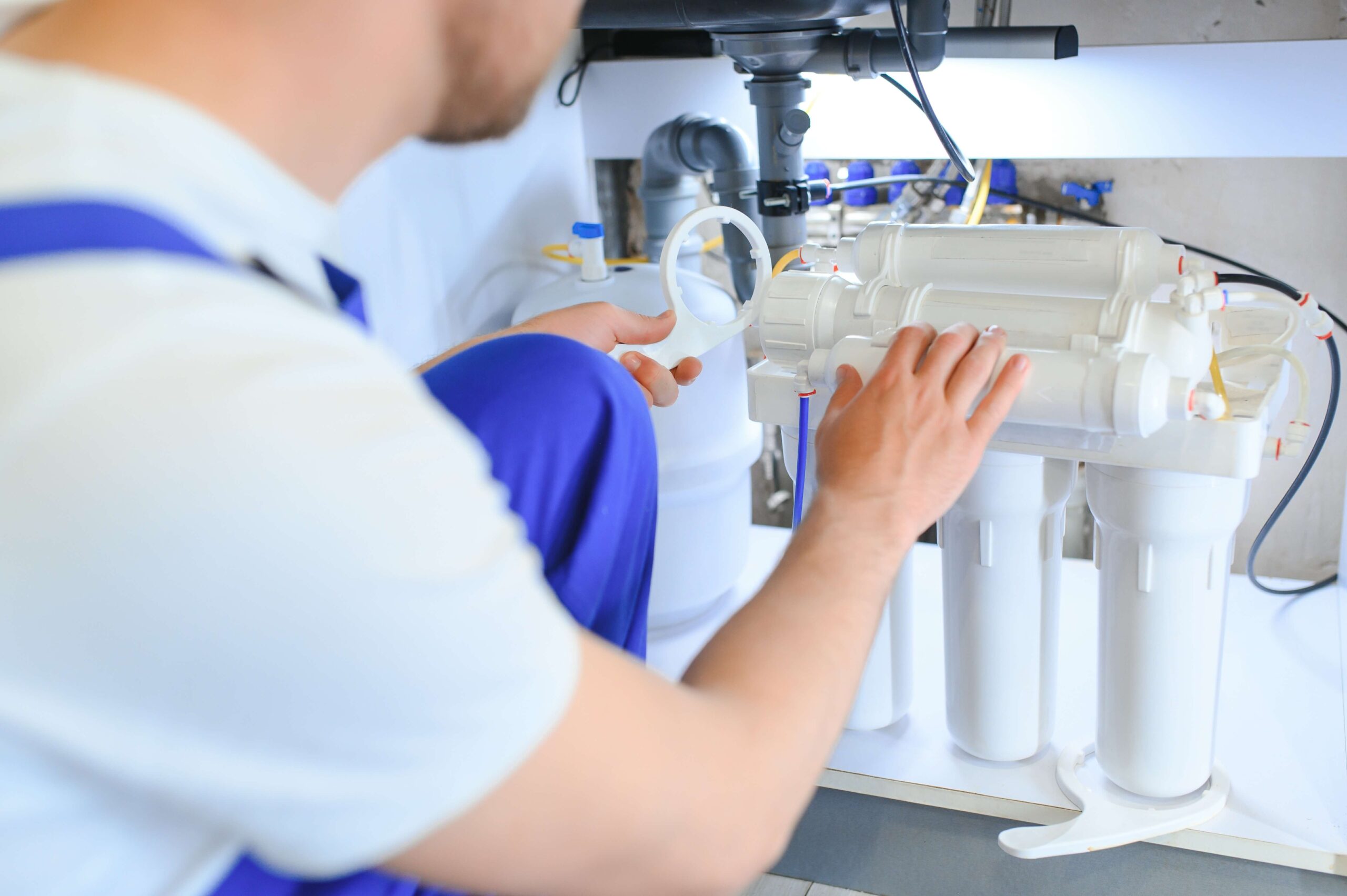
If you’ve been on well water in eastern Lake County for any length of time, you already know the signs. The orange ring around the toilet bowl. The rotten egg smell that hits you the second you turn on the tap. The white crust building up on your showerhead and around your faucets.
That’s not just inconvenient it’s the Floridan Aquifer doing what it does, pushing calcium, magnesium, iron, and hydrogen sulfide through your pipes every single day.
A reverse osmosis system removes what your well is delivering before it ever reaches your glass. We’re talking about a 0.0001-micron membrane that stops dissolved minerals, iron, sulfur compounds, nitrates, and PFAS the kind of contaminants a standard carbon filter won’t touch. After installation, your drinking water is clear, clean, and genuinely good. No aftertaste. No odor. No second-guessing whether you should just grab a bottle instead.
There’s also a longer-term argument here. Hard water from the Floridan Aquifer quietly destroys water heaters, corrodes fixtures, and cuts the lifespan of appliances. If your home is on a private well in the Wekiva watershed area near Seminole Springs, you’re dealing with mineral loads that can run 100 to 300 parts per million. Treating that water isn’t just about taste it’s about protecting what you’ve built here.
We’re based in Leesburg same county as Seminole Springs. That matters more than it sounds. When you call us, you’re not reaching a national call center routing a technician from three counties over. You’re calling a Lake County water treatment company staffed by people who know what comes out of a private well in the Wekiva watershed, and who will still answer the phone when your membrane needs replacing in year four.
We hold an A-rating with the Better Business Bureau, a 5-star rating, and zero complaints on file. You can look that up at bbb.org right now we’d encourage it. We’re also members of the National Water Quality Association, which means our technicians are trained specifically in water chemistry, not just plumbing. Water treatment is all we do. No HVAC, no drain calls, no side work. Just water.
If you’re active military, a veteran, or a first responder, we offer $500 off your installation. Rural Lake County communities like Seminole Springs have strong ties to that service, and we don’t take that lightly.
The first thing we do is test your water. Not a quick hardness strip to justify a sale an actual lab-grade analysis that tells us what’s in your specific well. Iron levels, sulfur content, pH, hardness, tannins, and emerging contaminants like PFAS.
Two homes a half mile apart in eastern Lake County can have meaningfully different water profiles depending on well depth, casing age, and proximity to the Wekiva River corridor. We find out what you’re actually dealing with before we say anything about a system.
Once we have your results, we walk you through them in plain language. No upsell pressure, no manufactured urgency. If a whole-house system is what your water needs, we’ll tell you why. If an under-sink reverse osmosis unit at your kitchen tap solves the core problem, we’ll tell you that too. The recommendation comes from your water test, not from a commission structure.
Installation is handled by our own technicians not subcontractors. For homes in unincorporated Lake County around Seminole Springs, we’re familiar with the county’s requirements around plumbing modifications and well-connected systems, and we handle that process cleanly. After installation, we show you exactly how the system works, what to watch for, and when your pre-filters will need a change.
Annual filter maintenance and membrane replacement every two to five years is typically all it takes to keep the system running for fifteen to twenty years.
Ready to get started?
Most homes in the Seminole Springs area are on private wells drawing from the Floridan Aquifer which means there’s no municipal treatment plant standing between the ground and your glass. What comes out of your tap is entirely up to you.
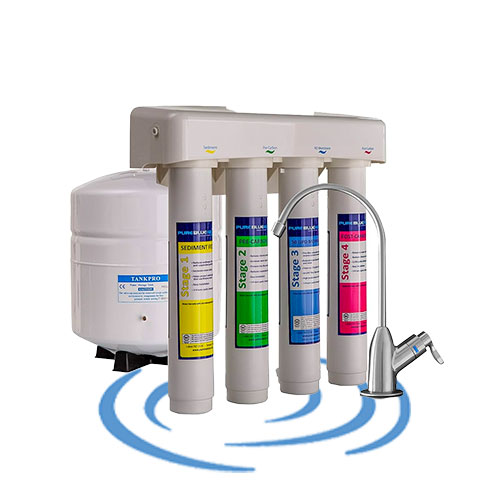
The reverse osmosis systems we install are sized and configured based on your actual water test results, not a generic package pulled off a shelf. For homes primarily concerned with drinking water quality, an under-sink reverse osmosis system is often the right starting point. It mounts beneath your kitchen sink, connects to a dedicated faucet, and delivers purified water on demand.
These systems handle iron, sulfur, dissolved minerals, nitrates, chlorine, and PFAS the full range of what private wells in this area commonly produce. For homeowners dealing with severe hardness or iron staining throughout the house, we’ll talk through whether a whole-house reverse osmosis setup or a combination softener-and-RO approach makes more sense for your situation.
Every system we install uses NSF-certified components and is manufactured to handle Florida’s specific water chemistry. We don’t do one-size-fits-all. If you’ve been spending $60, $80, or more every month on bottled water because you don’t trust your tap, that expense disappears after installation and the water you get from your RO system is cleaner than what’s in most of those bottles anyway.
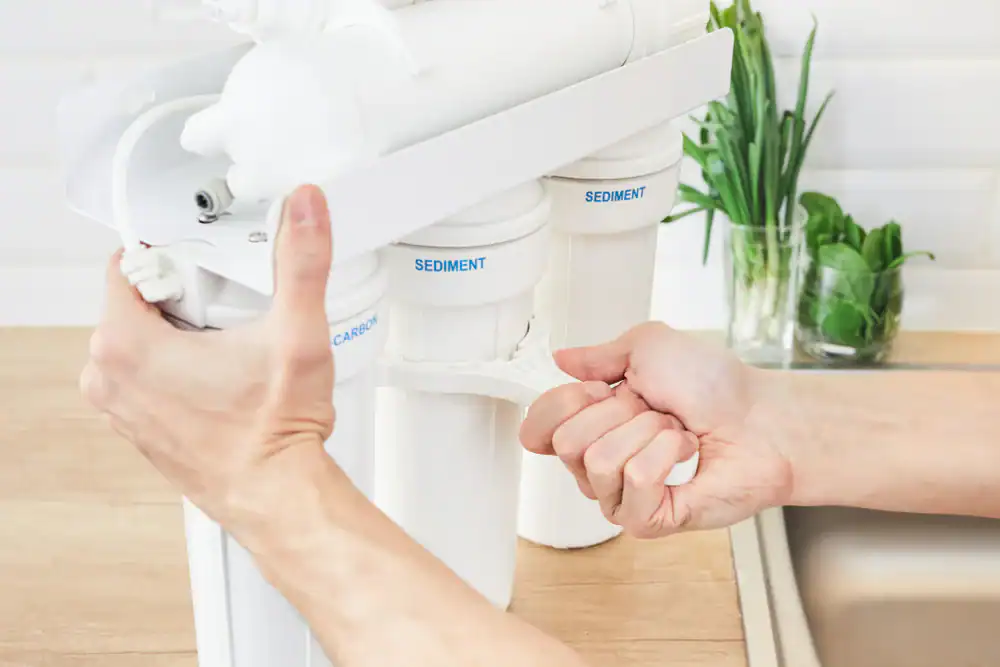
Yes and in many ways, well water is exactly what reverse osmosis technology was designed for. Municipal water systems pre-treat what comes out of your tap. Private wells in eastern Lake County don’t have that buffer.
What the Floridan Aquifer delivers to your well is what you get, and in this area that typically means elevated hardness, iron, hydrogen sulfide, and sometimes tannins from the organic-rich soils around the Wekiva watershed. A properly configured reverse osmosis system pushes your water through a semi-permeable membrane at 0.0001 microns small enough to block dissolved minerals, iron compounds, sulfur, nitrates, bacteria, and PFAS.
The result at your tap is water that has been stripped of the contaminants your well is carrying. That said, the system needs to be sized correctly for your specific water chemistry. A well with very high iron, for example, may need pre-filtration ahead of the RO membrane to protect it and extend its life. That’s exactly why we test your water before recommending anything.
The smell is hydrogen sulfide a gas produced by sulfur-reducing bacteria that live naturally in the Floridan Aquifer. It’s one of the most common complaints from well water users across Lake County and throughout Central Florida, and it’s detectable at very low concentrations. Even a small amount makes water unpleasant to drink, cook with, or use for anything that involves your nose being nearby.
Reverse osmosis does remove hydrogen sulfide, though the approach depends on how much is present in your water. At lower concentrations, the RO membrane handles it effectively. At higher concentrations, a pre-treatment stage typically an aeration or carbon pre-filter is added ahead of the membrane to protect it and improve overall efficiency. Our water test tells us which scenario you’re in. Either way, the sulfur smell is a solvable problem, and you shouldn’t have to live with it because you chose a home in a rural area.
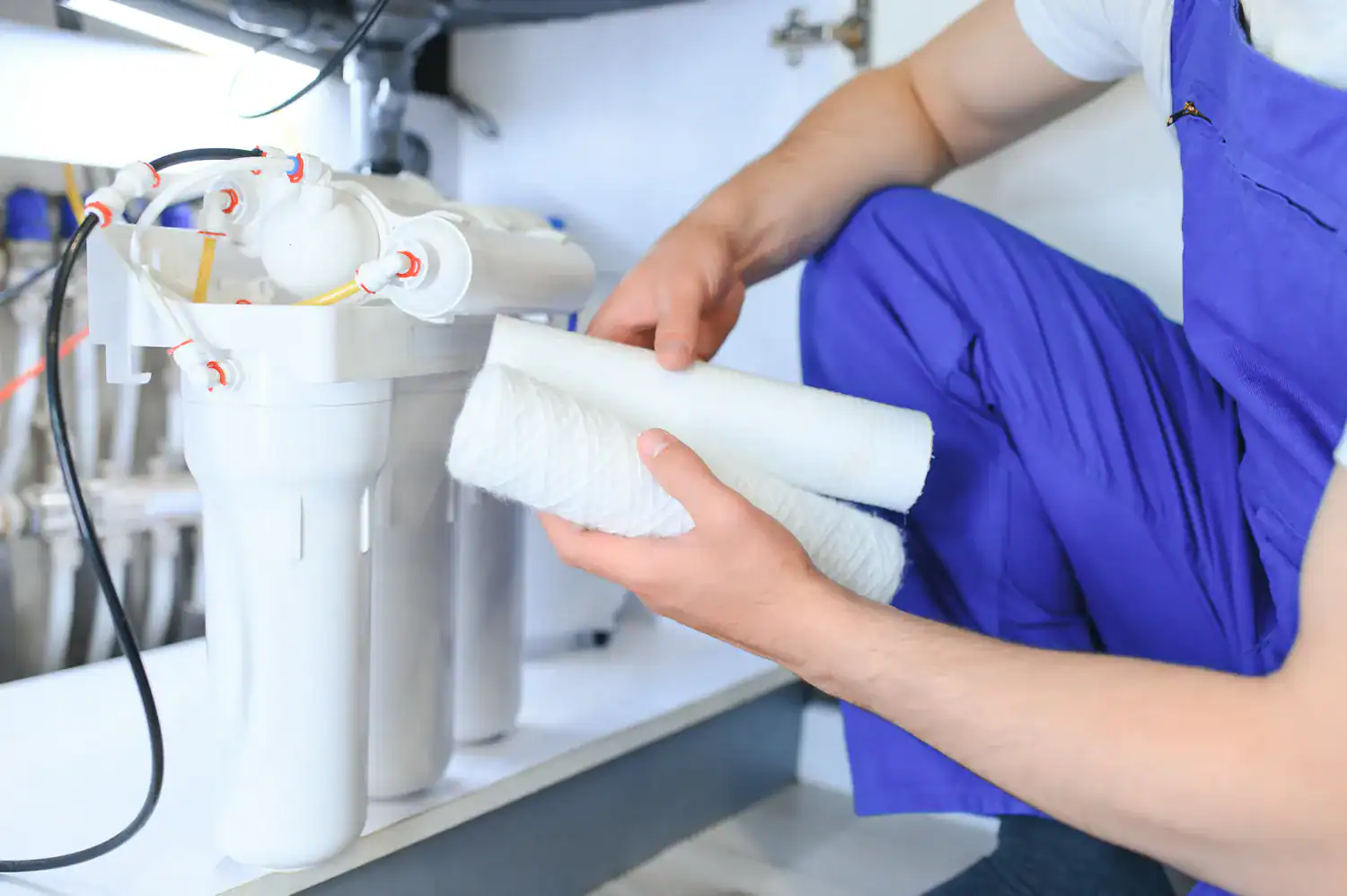
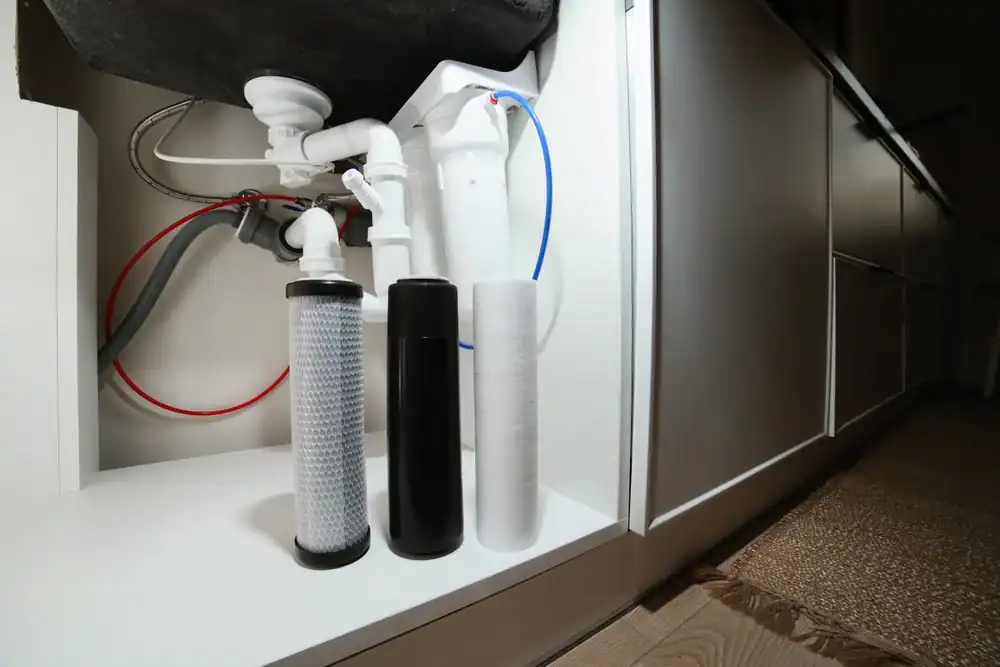
It’s straightforward. Most reverse osmosis systems have two or three pre-filters sediment and carbon that need to be replaced once a year. The RO membrane itself typically lasts two to five years depending on your water quality and household usage. If your well water has higher-than-average mineral content, which is common in the Seminole Springs area, your membrane may land closer to the two-to-three-year range.
We’ll give you a realistic expectation based on your actual water test results, not a generic timeline. We remind our customers when service is due. You don’t need to track it yourself or wonder if something is wrong. The system will show a noticeable drop in flow rate or water quality when a filter is past its useful life that’s your signal. Annual maintenance visits are quick, and the parts are not expensive. The ongoing cost of maintaining an RO system is a fraction of what most Seminole Springs households spend on bottled water each year.
Standard carbon or sediment filters improve taste and remove some particulates, but they have limits. They won’t reliably remove dissolved minerals like calcium and magnesium, they won’t eliminate nitrates, and they have no meaningful effect on PFAS the class of synthetic chemicals that has been showing up in Florida’s groundwater with increasing frequency.
PFAS don’t break down naturally, which is why they’ve earned the name “forever chemicals,” and they’ve been documented in aquifer systems across the state, including areas served by the Floridan Aquifer. Reverse osmosis removes all of that. The membrane is fine enough to block dissolved salts, heavy metals, fluoride, nitrates, arsenic, and PFAS compounds that pass right through a carbon block.
For homeowners on private wells in unincorporated Lake County where there’s no municipal treatment system catching any of this upstream RO is the most comprehensive drinking water solution available at the residential level. It’s not overkill. It’s the appropriate response to what your well is actually carrying.
It depends on what you’re trying to solve. An under-sink reverse osmosis system addresses your drinking and cooking water the water you actually consume. For most households, that’s the highest priority, and an under-sink unit handles it very effectively at a lower upfront cost. If your main concern is taste, odor, and safety at the kitchen tap, that’s where to start.
A whole-house system makes more sense when the water quality issues extend beyond drinking water. Severe iron staining in showers and laundry, scale buildup inside your water heater, and damage to appliances from high mineral content are problems that an under-sink unit won’t touch because it only treats one point of use. Homes in eastern Lake County on older wells or with particularly high hardness and iron readings often benefit from a whole-house approach, sometimes combined with a water softener for the mineral side of the problem. We’ll tell you honestly which one your situation calls for after we see your water test not before.
Please provide your email address so that we can stay in touch and answer any questions you have! We will be reaching back out shortly.
"*" indicates required fields