Reach Out Today
Please provide your email address so that we can stay in touch and answer any questions you have! We will be reaching back out shortly.

Hear from Our Customers
You stop buying cases of bottled water. You stop tasting the chlorine in your morning coffee. You stop wondering what exactly is in the water your kids are drinking every day.
JEA pulls Jacksonville’s water from the Floridan Aquifer, and while it meets federal legal standards, the Environmental Working Group has documented contaminants in the JEA grid including disinfection byproducts, arsenic, radium, and strontium at levels that exceed their health guidelines. Your water passes the legal test. That doesn’t mean it’s passing yours.
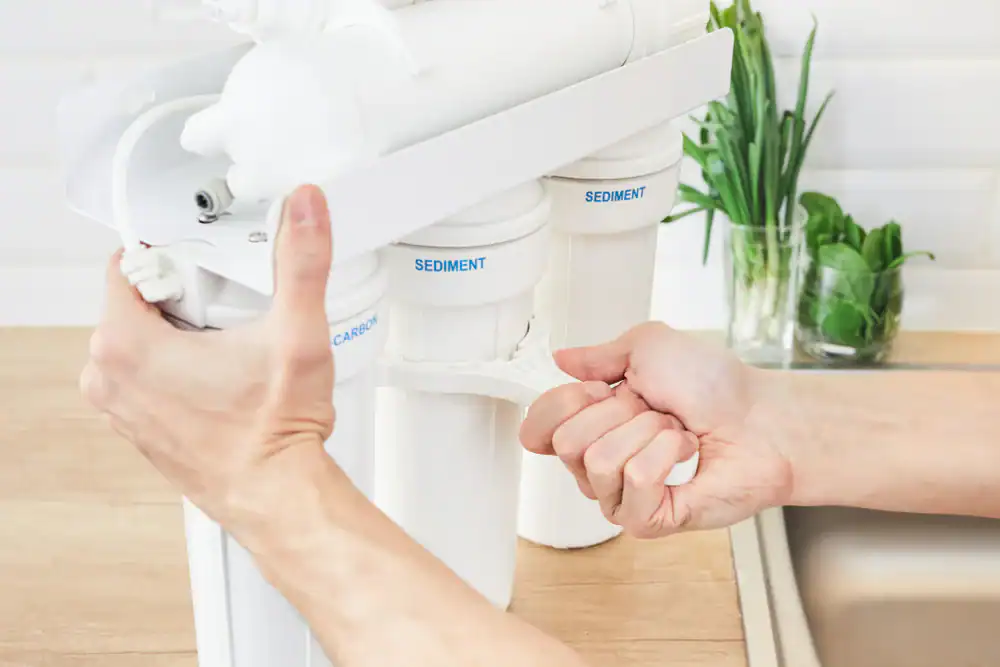
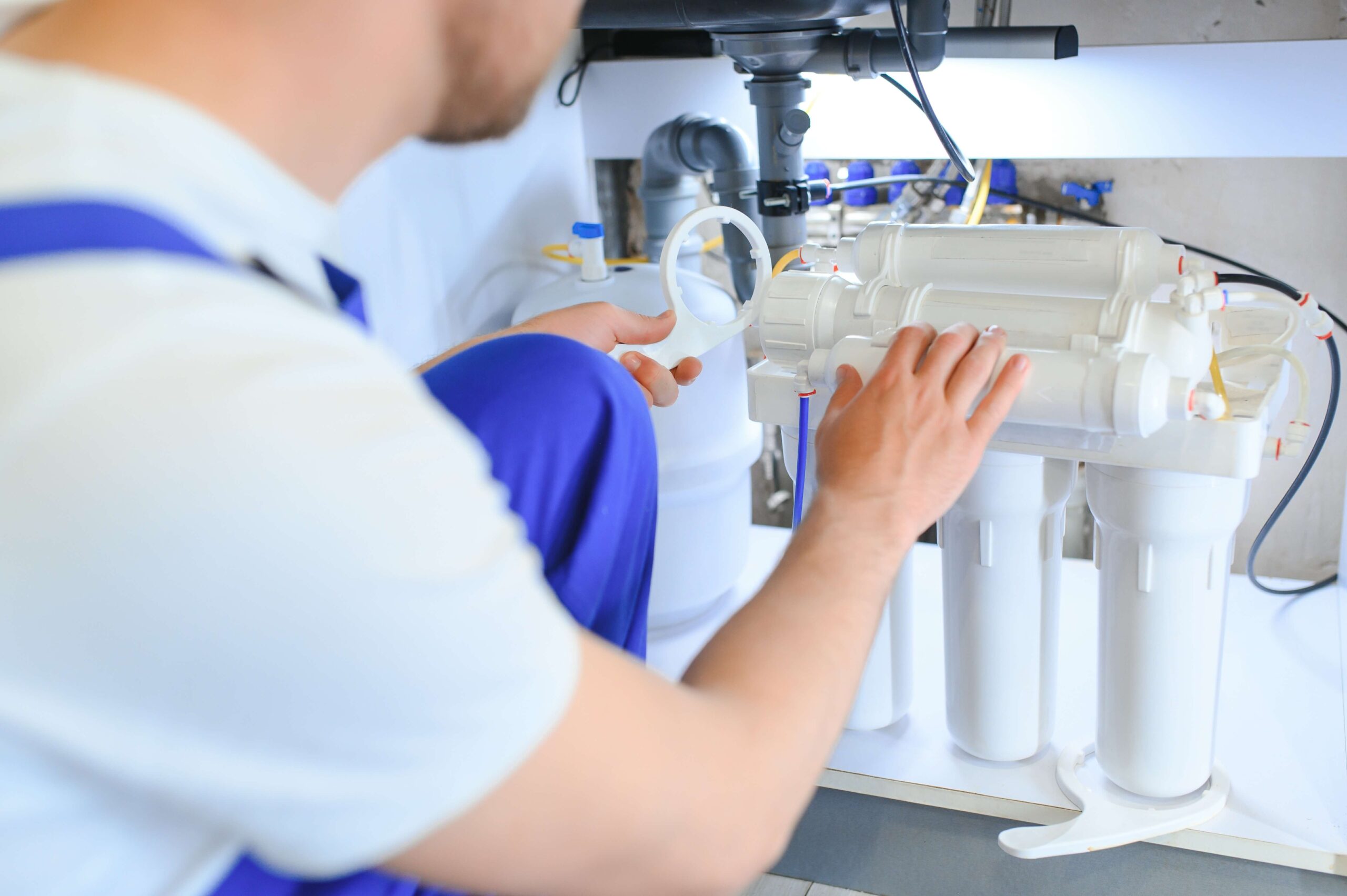
Panama Park adds another layer to this problem. Homes here were largely built between 1940 and 1969, and some go back further. JEA treats the water before it leaves the plant. But once it enters the plumbing inside a 1952 brick bungalow on the Northside, it’s traveling through whatever those pipes have become over the last 70 years. An under-sink reverse osmosis system filters at the point of use right before the water reaches your glass which means it catches what the distribution system and your internal plumbing add on the way in.
We don’t install water heaters or fix leaky faucets. Water treatment is our entire business not a side service tacked onto a plumbing call. That focus means every recommendation comes from someone who actually knows water chemistry, not someone who also ran three HVAC calls that morning.
We hold an A-rating with the Better Business Bureau, a 5-star rating, and zero complaints on file. That’s a public record you can pull up yourself at bbb.org. We’re also a member of the National Water Quality Association, which means ongoing professional training and accountability to an industry standard that most local competitors don’t bother with.
We serve Panama Park and the surrounding Duval County neighborhoods including Brentwood and the areas near the Trout River. We know JEA’s water system, the Floridan Aquifer’s mineral profile, and what that combination does inside the walls of an older Panama Park home. If you’ve noticed scaling on your fixtures or a taste issue coming from the tap, we start with answers before we start selling anything.
We start with a real water test not a quick hardness check designed to justify a sale, but a lab-grade analysis of your actual tap water. For Panama Park homeowners, this matters more than most people realize. The contaminant profile of a home built in 1945 near the Trout River can look different from a home two miles away, depending on the age of the service line, the condition of internal plumbing, and what’s happening in that stretch of JEA’s distribution infrastructure. You get a picture of your specific water, not a generic Jacksonville report.
From there, we build the recommendation around what your water actually needs. If an under-sink RO system handles it, that’s what we recommend. If your whole house has hard water issues layered on top of filtration concerns, a whole-house reverse osmosis or combined softener-and-RO setup might make more sense. Nothing gets proposed until the test tells the story.
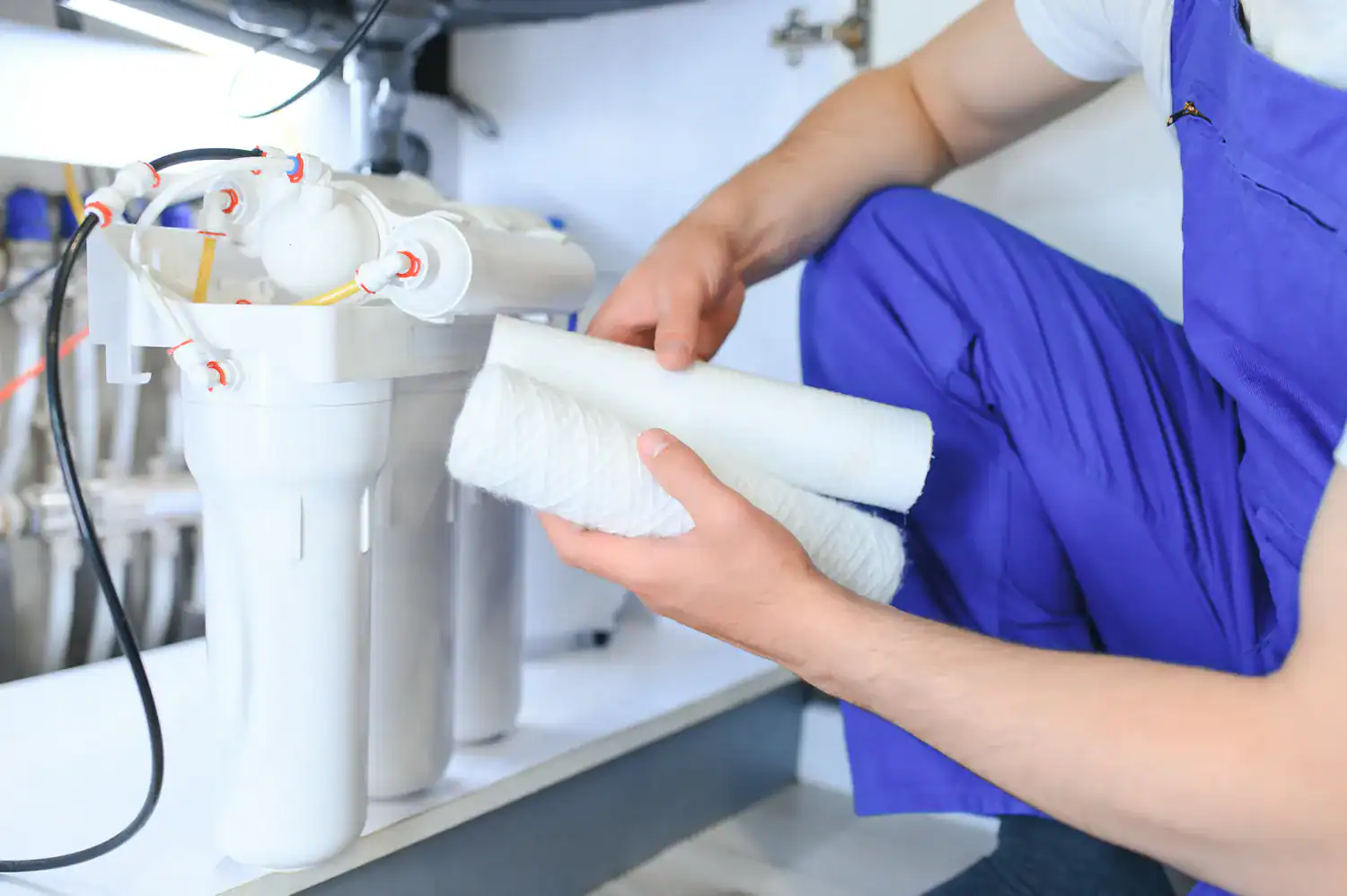
Installation is handled by our water treatment specialists not plumbers running a side job. Under-sink RO systems typically don’t require permits in Duval County, and the installation itself is clean, efficient, and done right the first time. After installation, we service what we sell. Annual filter replacement runs roughly $100–$200. When your membrane needs replacing in a few years, you call the same company that installed it not a 1-800 number routing to a call center in another state.
Ready to get started?
A properly sized reverse osmosis system removes 95–99% of dissolved contaminants including the total trihalomethanes (TTHMs) that JEA’s own 2023 Water Quality Report flagged at elevated levels in some Duval County locations, along with arsenic, radium, chlorate, and heavy metals that pass through municipal treatment untouched. What comes out of your tap after installation is water that’s been filtered through multiple stages, including a semi-permeable membrane that blocks what standard filtration misses entirely.
For Panama Park homeowners dealing with the reality of aging plumbing galvanized pipes, older copper lines, service infrastructure that predates most of the appliances in your home the under-sink RO system is the most direct solution. It filters at the point of use, which means it works regardless of what the pipes upstream have added to the water on its way to your glass. If scale buildup on your fixtures, appliances, or water heater is the bigger issue, a whole-house system that combines softening with filtration addresses both problems at the source.
We also offer a $500 discount for active military, veterans, and first responders. Jacksonville is home to Naval Air Station Jacksonville one of the largest naval air stations in the United States and a significant portion of Panama Park and the surrounding Northside community has ties to that base. The discount reflects that reality in a concrete way. Systems are built to last 15–20 years with proper maintenance, using components manufactured in the USA.
JEA’s water meets every federal legal standard, and Jacksonville’s source the Floridan Aquifer is considered one of the higher-quality groundwater sources in the country. But “meets legal standards” and “completely clean” aren’t the same thing. The Environmental Working Group’s Tap Water Database has documented multiple contaminants in JEA’s Major Grid at levels that exceed their health guidelines, including total trihalomethanes, arsenic, radium, and strontium. The EPA’s legal limits were set by balancing toxicity against removal costs not purely by health science.
For Panama Park specifically, there’s an additional factor. Many homes here were built between 1940 and 1969, and some predate that. JEA treats the water before it leaves the plant, but once it enters the plumbing inside an older Panama Park home, it travels through whatever those pipes have become over the decades. A water test on your specific tap not a general Jacksonville report is the only way to know what you’re actually drinking.
The range varies depending on whether you’re installing an under-sink system or a whole-house setup. Under-sink reverse osmosis systems which filter drinking and cooking water at a single point of use typically run in the range of a few hundred dollars on the low end to around $1,000–$1,500 installed for a quality system with professional installation. Whole-house reverse osmosis systems, which treat all the water entering your home, are a larger investment and are sized based on your household’s water usage and the specific contaminant load in your water.
For Panama Park homeowners, the most important thing to know is that system cost is only part of the math. If your family is currently spending $30–$50 a week on bottled water, that’s $1,500–$2,600 a year and that cost doesn’t stop. A properly installed RO system lasts 15–20 years with annual filter maintenance running roughly $100–$200. Over time, the system pays for itself. The free water test we provide before any recommendation is the right starting point it tells you what you actually need, which keeps the cost appropriate to the problem.
Yes reverse osmosis is one of the most effective methods available for removing total trihalomethanes (TTHMs) and other disinfection byproducts. TTHMs form when chlorine which JEA uses to disinfect the water reacts with naturally occurring organic matter in the source water. JEA’s 2023 Water Quality Report acknowledged that while annual average results stayed below the federal Maximum Contaminant Level, individual location samples in the distribution system exceeded 80 ppb. Long-term exposure to TTHMs is associated with increased cancer risk.
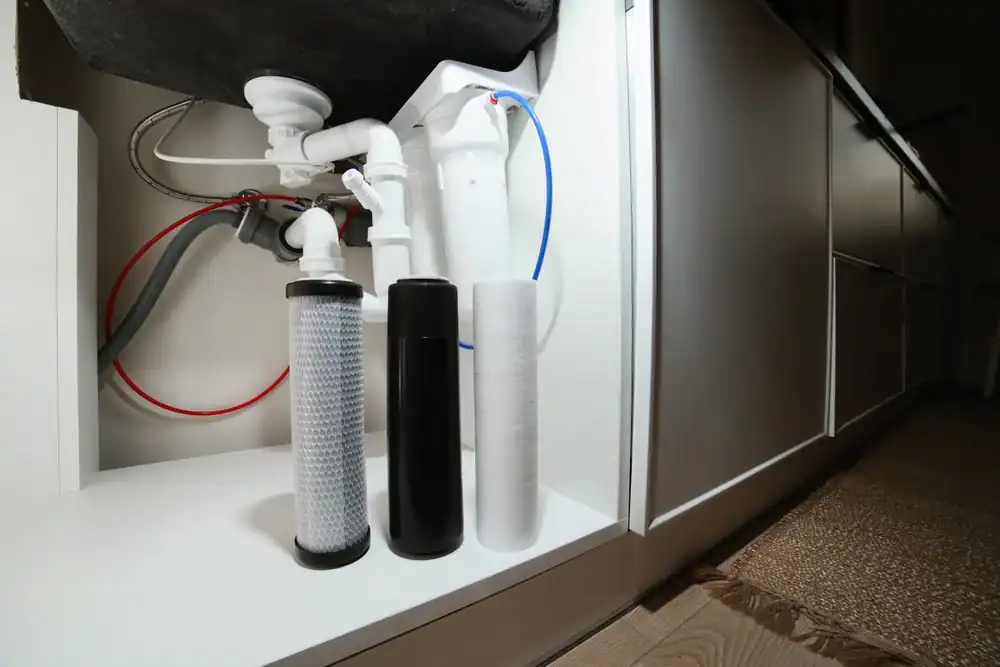
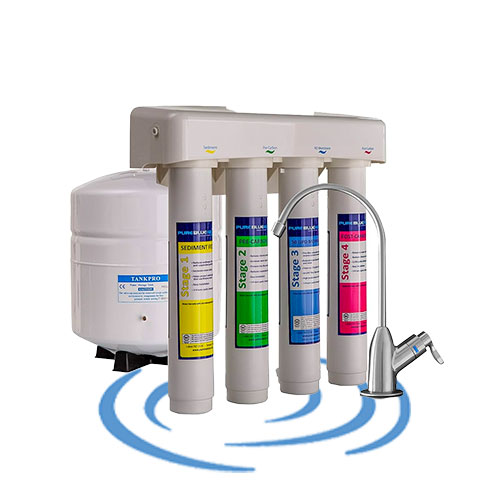
A multi-stage reverse osmosis system typically includes a carbon pre-filter that reduces chlorine and organic compounds before the water reaches the RO membrane, and the membrane itself blocks the dissolved byproducts that carbon alone can’t catch. For Panama Park residents who’ve noticed a chlorine smell coming from the tap especially during warmer months when Jacksonville’s heat makes it more pronounced an RO system addresses that at the source rather than masking it.
It absolutely can. Homes built before 1986 may have copper pipes with lead solder joints lead solder wasn’t banned in residential plumbing until that year. Homes built even earlier may have original galvanized steel pipes, which corrode from the inside out over time, releasing rust, iron, and sediment directly into the water. JEA treats water to a solid standard at the plant, but what happens inside your Panama Park home’s plumbing between the meter and your kitchen faucet is a separate issue that municipal treatment cannot address.
This is the core argument for point-of-use filtration in an older neighborhood like Panama Park. An under-sink reverse osmosis system filters the water after it has traveled through your entire internal plumbing system it’s the last line of defense before the water reaches your glass. If you’ve noticed discolored water, a metallic taste, or sediment in your fixtures, those are signs that your pipes may be contributing to the problem. A water test will tell you exactly what’s present and at what levels.
They solve different problems, and in Jacksonville, you often need both. A water softener addresses hardness the calcium and magnesium that dissolve into the water as it moves through the Floridan Aquifer’s limestone geology. Hard water doesn’t pose a direct health risk, but it causes real damage over time: scale buildup in water heaters, clogged fixtures, shortened appliance life, and white mineral deposits on everything it touches. JEA publishes water hardness data by ZIP code at jea.com/hardness, and Jacksonville’s numbers are high enough that scale buildup is a common complaint across the Northside.
A reverse osmosis system is a filtration technology, not a softening technology. It removes dissolved contaminants disinfection byproducts, arsenic, heavy metals, nitrates, and more through a semi-permeable membrane. It produces cleaner, better-tasting drinking water. Many Panama Park homeowners end up with a combination: a whole-house softener to protect the plumbing and appliances, and an under-sink RO system for drinking and cooking water. We test your water first and recommend based on what it actually shows not a package deal that fits every house the same way.
Please provide your email address so that we can stay in touch and answer any questions you have! We will be reaching back out shortly.
"*" indicates required fields