Reach Out Today
Please provide your email address so that we can stay in touch and answer any questions you have! We will be reaching back out shortly.

Hear from Our Customers
If you’ve noticed scale building up on your fixtures, a flat or chemical taste in your water, or you’ve been quietly buying bottled water for years your instincts are right. The City of St. Augustine’s water system, which serves Old City South, has detected total trihalomethanes, radium, cadmium, and strontium at levels that exceed health advocacy guidelines, even when the water technically meets EPA minimums.
That gap between “legal” and “clean” is exactly what a reverse osmosis water filtration system is designed to close.
For homeowners in Old City South specifically, the stakes are higher than they are in a newer subdivision. The homes along Palm Row, on Aviles Street, and throughout this neighborhood are irreplaceable. Hard water from the Floridan Aquifer deposits calcium and magnesium scale on everything it touches original tile, antique fixtures, cast-iron plumbing.
Over time, that damage compounds. A properly installed RO system removes the dissolved minerals and contaminants before they reach those surfaces, protecting the character of your home the same way you protect everything else about it.
Living a block from the Matanzas River also means salt air is part of your daily environment. That combination of hard water scale and coastal humidity accelerates corrosion on older plumbing infrastructure in ways that simply don’t apply to a 2018-built home in a county subdivision. Clean, treated water running through your pipes is not a luxury here it’s maintenance.
Quality Safe Water of Florida LLC is not a plumbing company that happens to sell filters. Water treatment is the only thing we do no water heaters, no drain work, no general contracting.
That focus means when one of our technicians walks into your home near King Street or off Cordova, they’ve seen every variation of Florida water chemistry, every type of older home installation, and every contaminant profile that shows up in North and Central Florida municipal systems.
We hold an A-rating with the Better Business Bureau, a 5-star score, and zero complaints on record. That’s not a line it’s a public record you can look up at bbb.org before you call anyone. We’re also members of the National Water Quality Association, which means our technicians are trained to standards most competitors in this market don’t hold themselves to.
We service what we sell. When your filters need replacing or your membrane reaches the end of its life, we show up. That’s why our complaint record is what it is and it’s the standard we intend to keep.
It starts with a real water analysis. Not a quick hardness strip and a sales pitch an actual lab-grade test of what’s coming out of your tap at your specific address.
Homes in Old City South vary widely: some have been renovated multiple times with different plumbing materials, some have older branch connections from the city main, and some sit closer to the Matanzas River waterfront where conditions differ from properties further inland. Your water profile is specific to your home, and that’s how we treat it.
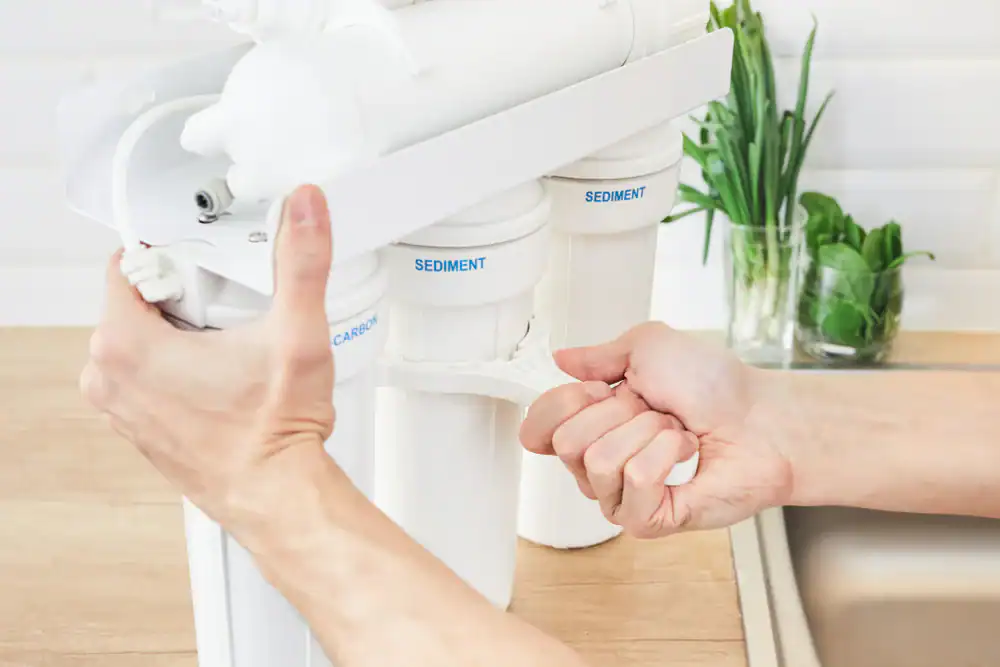
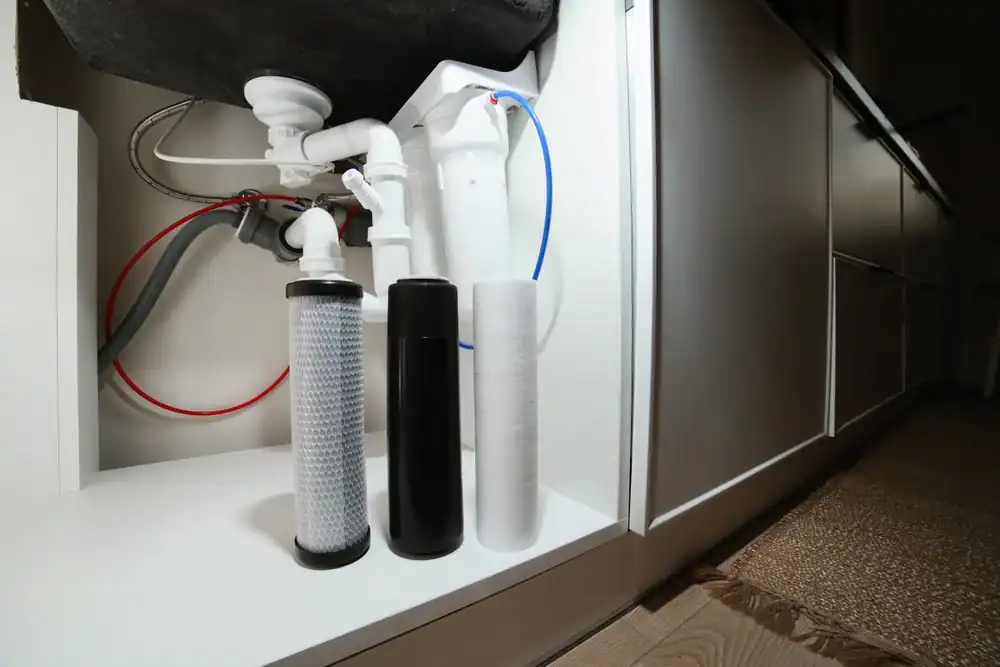
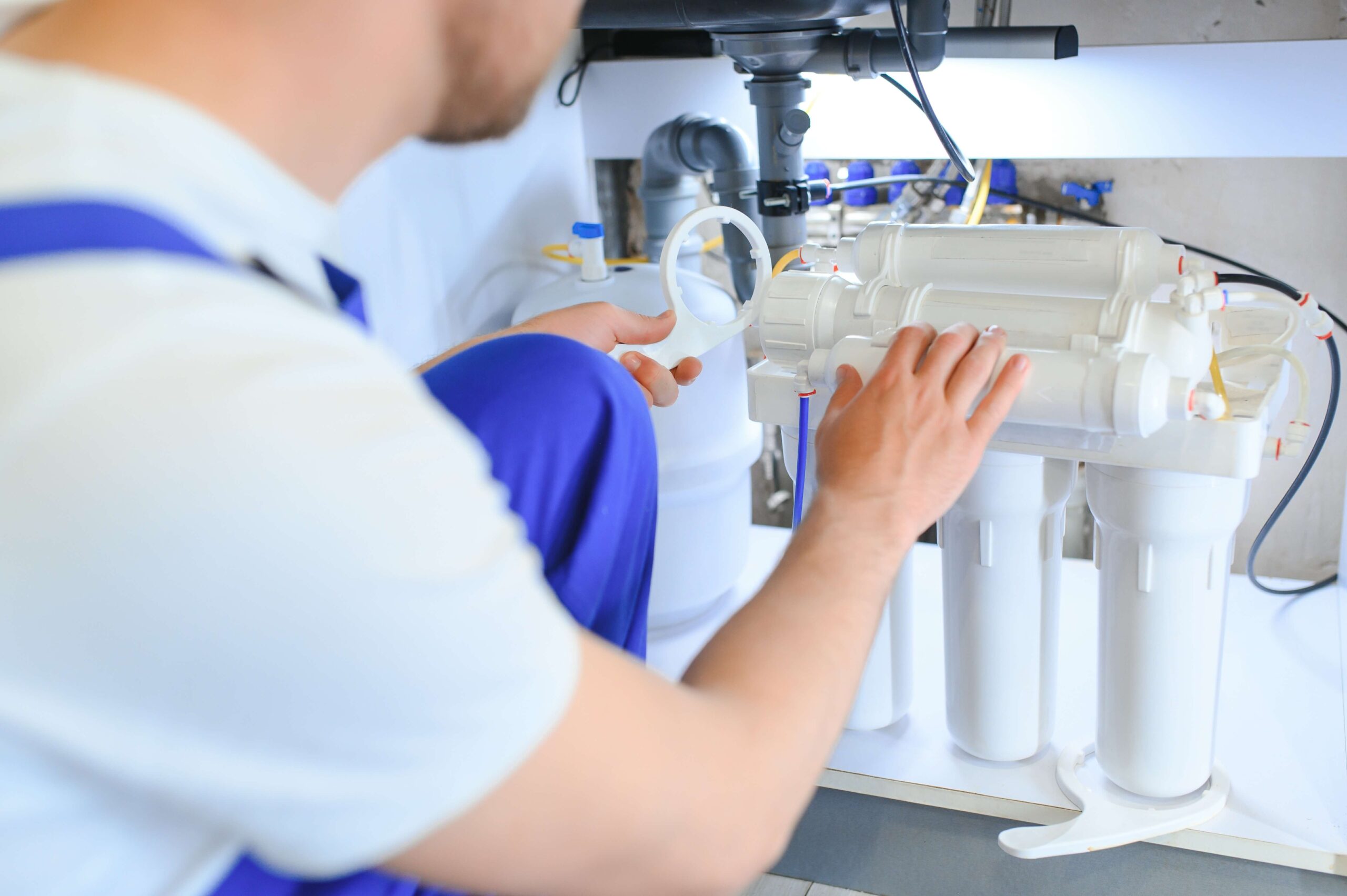
Once we know what you’re dealing with, we recommend the right system sized correctly for your household, matched to your water chemistry, and designed to fit your home’s existing plumbing without unnecessary disruption. For most Old City South homes, an under-sink reverse osmosis system installs cleanly beneath the kitchen sink with a dedicated faucet, a connection to your existing supply line, and a drain line no structural modification, no historic preservation review triggered under HP-1 zoning.
The install itself is typically completed in a few hours.
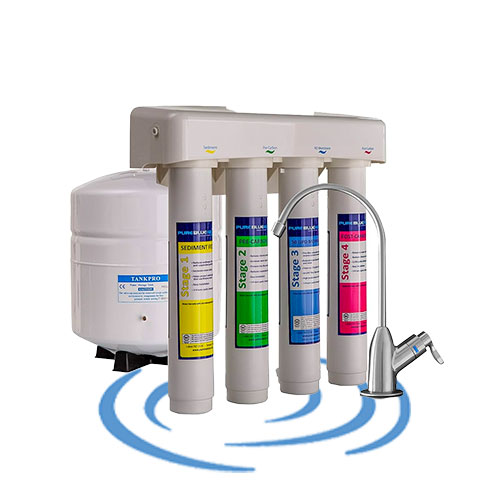
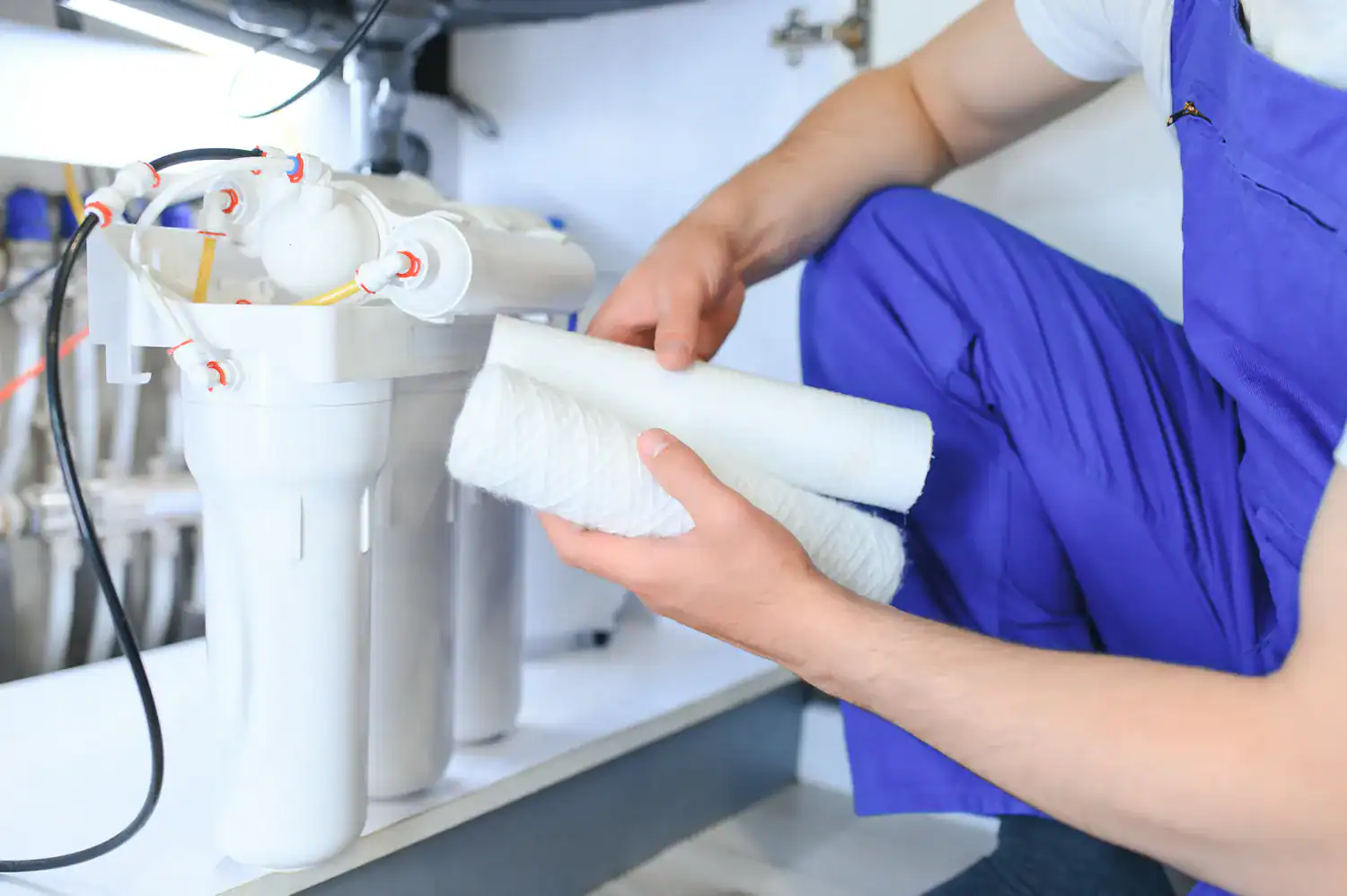
After installation, we walk you through the system what each stage does, when filters need replacing, and how to know it’s working. Pre-filters typically need attention every six months. The RO membrane lasts two to three years under normal use. We track that for you and reach out when it’s time. You don’t have to manage it that’s our job.
Ready to get started?
The reverse osmosis systems we install are NSF/ANSI 58 certified meaning independent testing has verified our contaminant reduction claims, not just the manufacturer’s marketing. That matters in a city where the water supply has documented levels of TTHMs, radium-226, radium-228, cadmium, and chlorate.
A system that isn’t certified to that standard is a guess. Ours aren’t guesses.
For most homeowners in Old City South, the under-sink reverse osmosis option is the right fit it handles your drinking and cooking water at the point of use, installs without disturbing your home’s structure, and produces water that’s measurably cleaner than what comes out of the municipal line.
If you’re managing a short-term rental or bed and breakfast in the Old Town section of the neighborhood, a whole-house configuration may make more sense to protect your plumbing and give guests water they’ll actually notice. We’ll tell you which one fits your situation after we’ve seen your water test results and your home not before.
Every system we install is built to last 15 to 20 years with proper maintenance, using components manufactured in the USA. If you’re active military, a veteran, or a first responder, we offer a $500 discount on your installation no complicated paperwork, no fine print.
St. Augustine has a long and genuine connection to military service, and that discount reflects it directly.
Yes and the data is publicly available. The City of St. Augustine Water Treatment Plant, which serves Old City South and the broader historic district, has detected multiple contaminants at levels that exceed health advocacy guidelines even when the water meets EPA legal minimums.
These include total trihalomethanes (TTHMs), which are disinfection byproducts linked to increased cancer risk; radium-226 and radium-228, which are naturally occurring radioactive elements that enter the water through the Floridan Aquifer’s limestone geology; and cadmium, a heavy metal that is toxic to the kidneys at elevated exposure levels.
The city’s water is not illegal to drink it meets federal and state compliance standards. But “meets the legal limit” and “clean” are not the same thing. Health advocacy organizations set their own guidelines based on long-term exposure risk, and St. Augustine’s water has been flagged on multiple contaminants by those standards.
A reverse osmosis system removes 95 to 99 percent of dissolved contaminants at the molecular level, including TTHMs and radium. That’s the difference between water that passes a legal test and water you can actually feel good about drinking every day in Old City South.
Yes, and it’s more straightforward than most homeowners expect. An under-sink reverse osmosis system connects to your existing cold water supply line and drain it doesn’t require new plumbing runs, structural modifications, or anything that would trigger a review under Old City South’s HP-1 Historic Preservation zoning overlay.
Interior installations like water treatment systems fall outside the scope of historic preservation review entirely. The system itself sits beneath your kitchen sink and uses a dedicated faucet that mounts through a small hole in the countertop or sink deck.
The one thing worth paying attention to in older homes is the condition of the existing supply lines and shut-off valves under the sink. In homes built in the early 1900s like many of the properties on Palm Row or along St. Francis Street those valves can be corroded or difficult to operate if they haven’t been touched in years.
A qualified technician will assess that during installation and address it before connecting anything. That’s part of doing the job correctly, and it’s the kind of detail a generalist plumber who treats water treatment as a side service might overlook.
They solve different problems. A water softener addresses hardness the calcium and magnesium that come from the Floridan Aquifer and cause scale buildup on your fixtures, in your pipes, and in your water heater. Hard water is a real and widespread issue throughout St. Augustine and St. Johns County, and it’s particularly damaging in older homes with historic tile, original fixtures, and plumbing infrastructure that can’t simply be swapped out at a hardware store.
A reverse osmosis system goes further. It removes dissolved contaminants TTHMs, radium, cadmium, nitrates, heavy metals, and more that a water softener doesn’t touch. RO works at the molecular level, pushing water through a semipermeable membrane that blocks contaminants too small for most filters to catch.
Many homeowners in Old City South benefit from both: a whole-house softener to protect plumbing and appliances from mineral scale, and an under-sink RO system for the water you actually drink and cook with. Whether you need one or both depends on what your water test shows. We won’t recommend a system until we’ve seen your actual results.
There are two main maintenance items. Pre-filters which catch sediment and chlorine before water reaches the membrane typically need replacing every six months. The RO membrane itself lasts two to three years under normal household use.
If your St. Augustine water is running through the system heavily, or if you have a larger household, that timeline may be slightly shorter. A post-filter, which gives the water a final polish before it reaches your faucet, also gets replaced annually in most cases.
Quality Safe Water of Florida tracks your system’s maintenance schedule and reaches out when it’s time. You don’t have to remember filter change intervals or source the right parts we handle that. This is one of the reasons our BBB complaint record is what it is: we stay involved after the sale.
That matters in a market where some national competitors are difficult to reach once the installation is done. For homeowners who have invested in a historic property and expect long-term accountability from the companies they work with, that follow-through is not optional it’s the baseline.
The dedicated RO faucet will have a slightly slower flow rate than a standard kitchen faucet that’s normal and expected. RO systems work by pushing water through a membrane under pressure, and the filtered water is stored in a small tank beneath the sink.
When you open the dedicated faucet, you’re drawing from that tank, not directly from the line. For drinking and cooking, the flow rate is more than adequate filling a glass takes a few seconds, filling a pot takes a minute or two.
Your main kitchen faucet is unaffected. The RO system connects to a separate dedicated faucet, so your regular tap operates exactly as it always has.
One thing worth noting for older homes in Old City South: if your home has lower incoming water pressure which can happen in properties with aging supply lines or older city connections we’ll assess that during your water analysis visit. Adequate incoming pressure is important for the membrane to work efficiently, and if there’s a pressure issue, we’ll identify it before installation rather than after.
Please provide your email address so that we can stay in touch and answer any questions you have! We will be reaching back out shortly.
"*" indicates required fields