Reach Out Today
Please provide your email address so that we can stay in touch and answer any questions you have! We will be reaching back out shortly.

Hear from Our Customers
Most Lacota homeowners on private wells have been drinking the same groundwater for years sometimes decades without ever having it professionally tested. That’s not a knock on anyone. It’s just how rural well ownership works. There’s no utility company sending you a report, no government agency monitoring your tap.
What you don’t know about your water is exactly what a reverse osmosis system is designed to handle.
Highlands County sits on the Lake Wales Ridge, and the Floridan Aquifer running beneath it moves through porous limestone before it reaches your well. That geology is what makes the aquifer so productive and what loads your water with dissolved calcium and magnesium. The hard water that results leaves scale on fixtures, wears out water heaters early, and makes everything from your morning coffee to your evening shower feel a little off.
A reverse osmosis system removes those dissolved minerals at the filtration level, not after the damage is already done.
Then there’s the agricultural reality. Citrus groves and cattle operations surround rural communities like Lacota, and the same porous limestone that produces hard water also allows fertilizer runoff, nitrates, and pesticide residue to infiltrate the aquifer. These contaminants are colorless and odorless you won’t taste them, and a standard pitcher filter won’t remove them.
An RO membrane filters at 0.0001 microns, which is the level where agricultural chemicals, nitrates, and heavy metals actually get rejected. For a homeowner whose well sits in the middle of working agricultural land, that’s not a luxury upgrade. It’s the appropriate response to what’s actually in the ground.
Quality Safe Water of Florida LLC does one thing water treatment. Not plumbing. Not HVAC. Not water heaters on the side. We’ve spent years working with the exact aquifer conditions that affect Lacota and Highlands County homes, and our entire company is built around understanding what’s in Florida’s groundwater and fixing it the right way.
We hold an A-rating with the Better Business Bureau with a 5-star score and zero complaints on file a record you can verify yourself at bbb.org before you ever pick up the phone. In an industry where the most common complaint is a company that installs a system and disappears, that public track record matters.
Our WQA membership backs the technical side: it means our technicians are trained to current industry standards, not guessing at what your Floridan Aquifer water needs. We also carry a $500 discount for active military, veterans, and first responders a meaningful number in a county that’s home to Avon Park Air Force Range and a significant veteran community. If that applies to you or someone in your household, ask about it when you call.
The process starts with a real water test not a quick hardness check designed to justify the most expensive system on the shelf, but a lab-grade analysis of what’s actually in your water. In Highlands County, that matters more than most places. Well depth, proximity to agricultural operations, and local geology all affect water chemistry, and two houses on the same road can have meaningfully different results.
The test is what drives the recommendation, not the other way around.
Once the analysis is complete, we walk you through what we found and what it means. If your water has elevated nitrates from nearby grove operations, we’ll show you that. If you’ve got hard water from limestone-heavy aquifer zones which is the baseline condition for most Lacota wells that’s part of the conversation too. You’ll know exactly what system is being recommended and why before anyone picks up a tool.
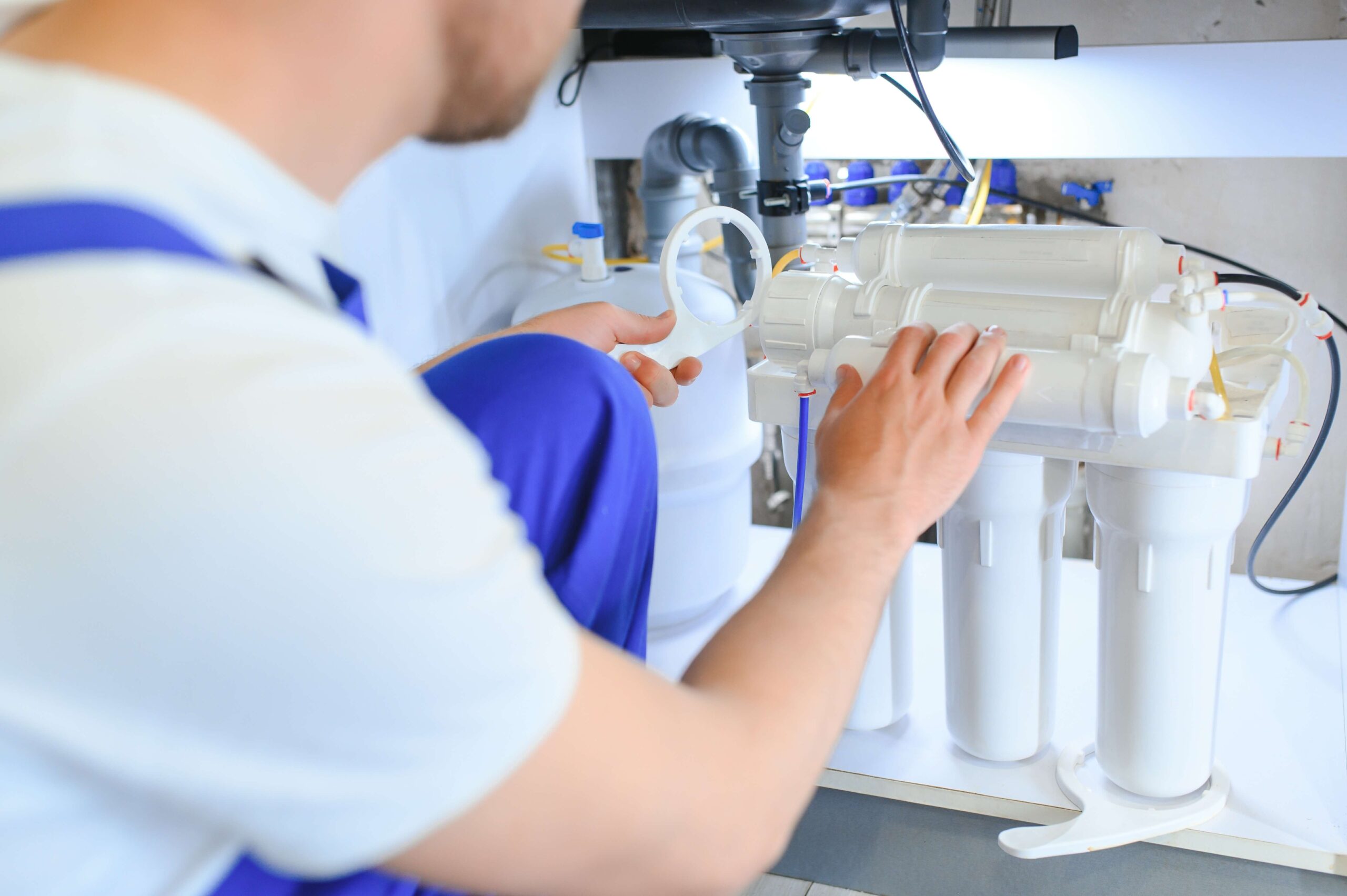
Installation of an under-sink reverse osmosis system typically doesn’t require a permit, and the work is clean and contained. Whole-house systems may involve additional steps depending on scope, and we handle all permitting requirements as part of the job. After installation, we walk you through filter change schedules, what to expect from your water going forward, and how to reach us when maintenance comes due because it will, and we’ll still be around when it does.
Ready to get started?
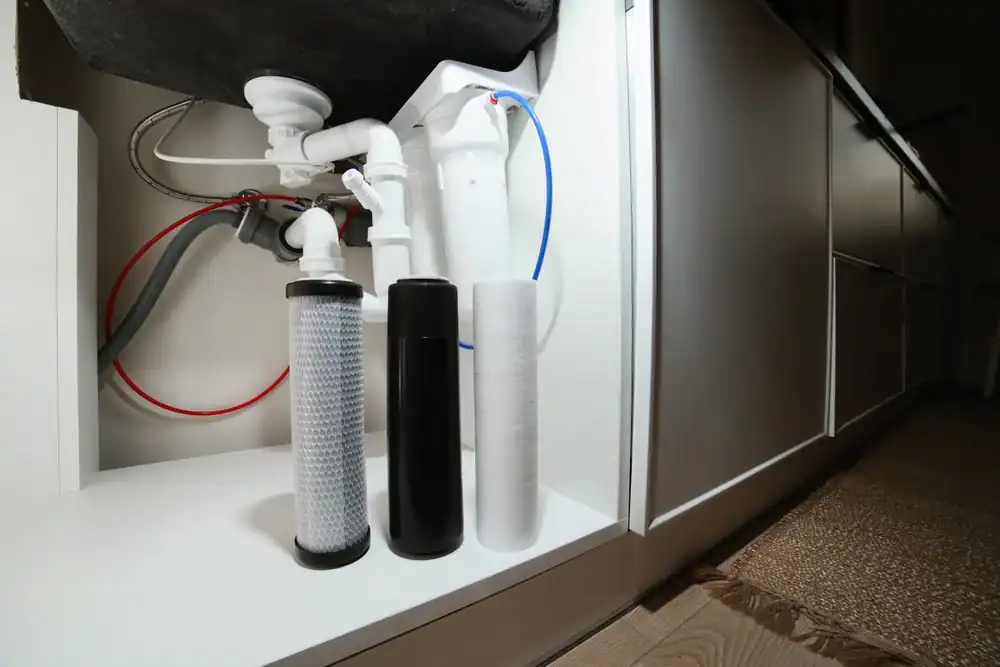
An under-sink reverse osmosis system is the most common starting point for Lacota homeowners who want clean drinking water at the tap without overhauling the entire house. It connects directly to your existing plumbing, fits neatly under the kitchen sink, and delivers filtered water through a dedicated faucet.
For a household that’s been spending $50 to $100 a month on bottled water which is often just municipally treated tap water run through RO at a factory and marked up significantly the math shifts quickly. The system pays for itself, and you stop buying plastic.
For homeowners dealing with whole-house issues scale buildup on every fixture, sulfur odor throughout the home, or well water that affects laundry, appliances, and bathing a whole-house reverse osmosis or comprehensive filtration system addresses the problem at the point of entry rather than just the kitchen tap. Highlands County’s hard water is hard on water heaters, washing machines, and anything else that water runs through regularly. Treating it at the source protects those appliances and extends their lifespan, which is a real dollar figure when a water heater replacement runs $800 to $1,500.
Every system we install is sized to your actual water chemistry and household usage not a generic package pulled off a shelf. Filter replacements run approximately $100 to $200 per year, and with a system lifespan of 15 to 20 years when properly maintained, the long-term cost picture is straightforward. We service what we sell, which in a rural area like Lacota is not a given and it’s worth factoring into how you choose a company.
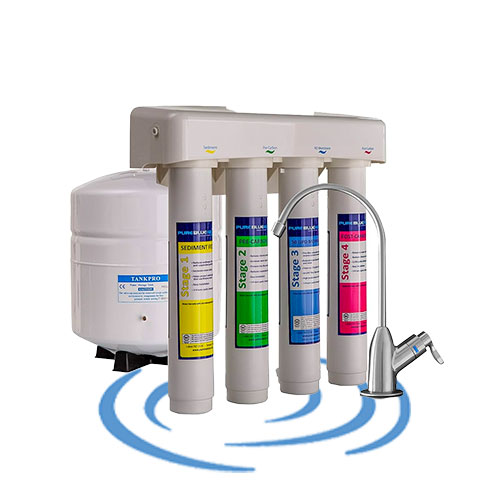
If you’re on a private well in Lacota, the honest answer is: you won’t know until you test it. Highlands County’s agricultural landscape citrus groves, cattle operations, row crops creates documented groundwater contamination risk. Fertilizers and pesticides applied to those fields can infiltrate the Floridan Aquifer through the region’s porous limestone geology, and the contaminants they introduce are colorless and odorless. You can’t detect them by taste, and a standard carbon filter won’t remove them.
The Florida Department of Health recommends testing private wells annually for coliform bacteria, nitrates, and lead but there’s no enforcement mechanism for existing wells, and many Highlands County homeowners go years without a professional analysis. A reverse osmosis system is the most effective point-of-use solution for nitrates, agricultural chemical residue, heavy metals, and dissolved minerals. Whether you need one depends on what’s actually in your water, which is why we start with a real lab-grade test before recommending anything.
The two most consistent issues in Lacota and Highlands County private wells are hard water and agricultural contamination risk. Hard water caused by calcium and magnesium dissolved from the Floridan Aquifer’s limestone geology is essentially the default condition for this region. It shows up as scale on fixtures, white deposits on dishes, shortened appliance lifespans, and water that just doesn’t feel clean even when it technically is.
Agricultural contamination is the less visible concern. Nitrates from fertilizers used in citrus and row crop operations, pesticide and herbicide residue, and biological contamination from cattle operations can all infiltrate the aquifer through Highlands County’s porous geology. Sulfur odor from naturally occurring hydrogen sulfide is also a documented complaint in some deeper wells in this region the rotten egg smell that makes people reluctant to drink their tap water at all. A reverse osmosis system addresses all of these: hard minerals, agricultural chemicals, nitrates, and dissolved gases that contribute to odor.
A water softener addresses hardness specifically, it swaps calcium and magnesium ions for sodium ions, which eliminates scale buildup and protects your appliances. That’s a meaningful benefit in Highlands County, where hard water from the Floridan Aquifer is the norm. But a water softener doesn’t remove nitrates, pesticide residue, heavy metals, bacteria, or the dissolved solids that affect taste and odor. It solves one problem.
A reverse osmosis system filters at 0.0001 microns, which is the level where dissolved agricultural chemicals, nitrates, heavy metals, and most other contaminants actually get rejected from the water. It’s a more comprehensive solution for drinking water quality specifically. Many Lacota homeowners end up with both a whole-house softener to protect appliances and plumbing, and an under-sink RO system for the water they actually drink and cook with. Our water analysis will tell you what your specific well actually has in it, which determines which combination makes sense for your home.
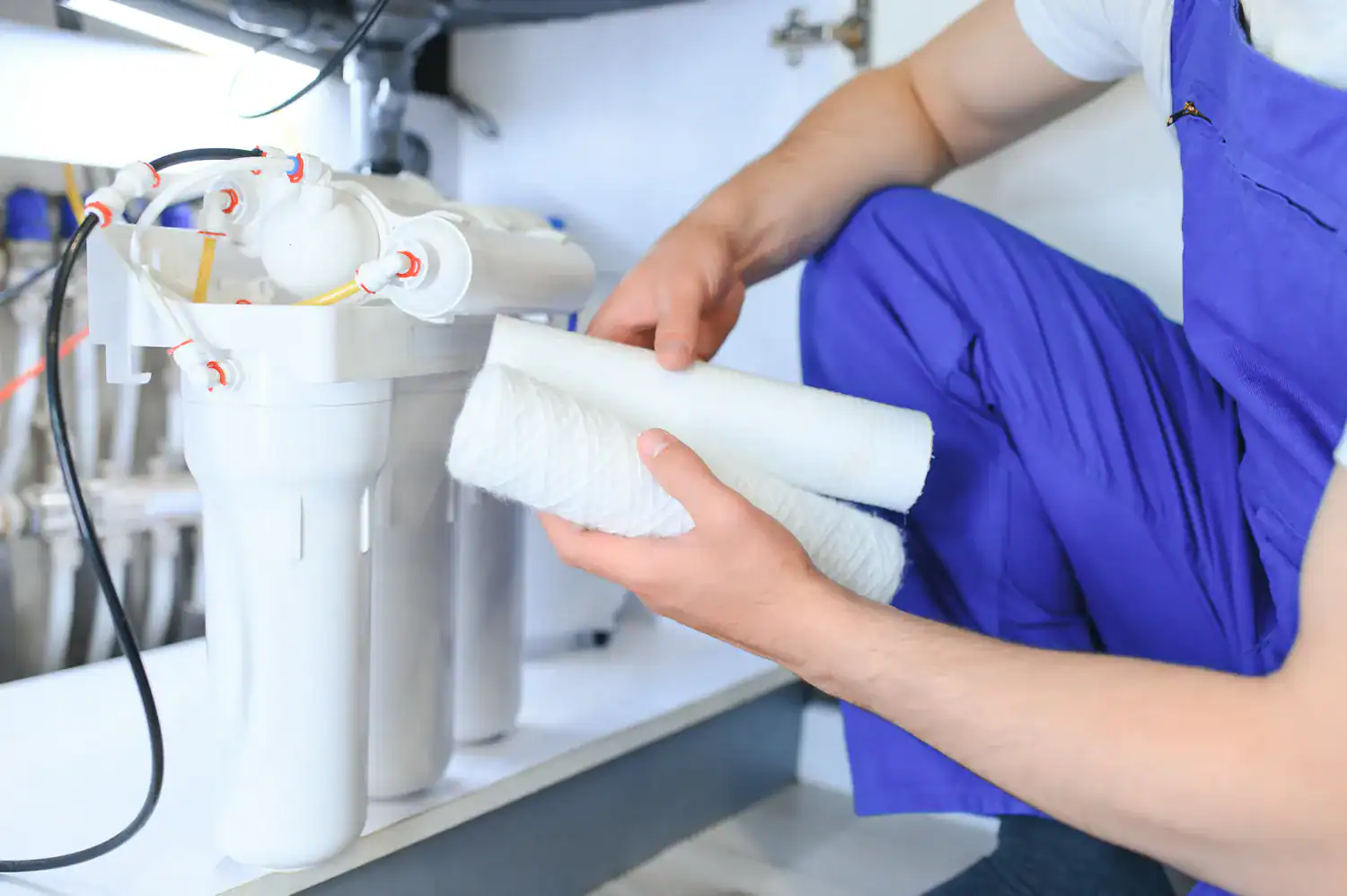
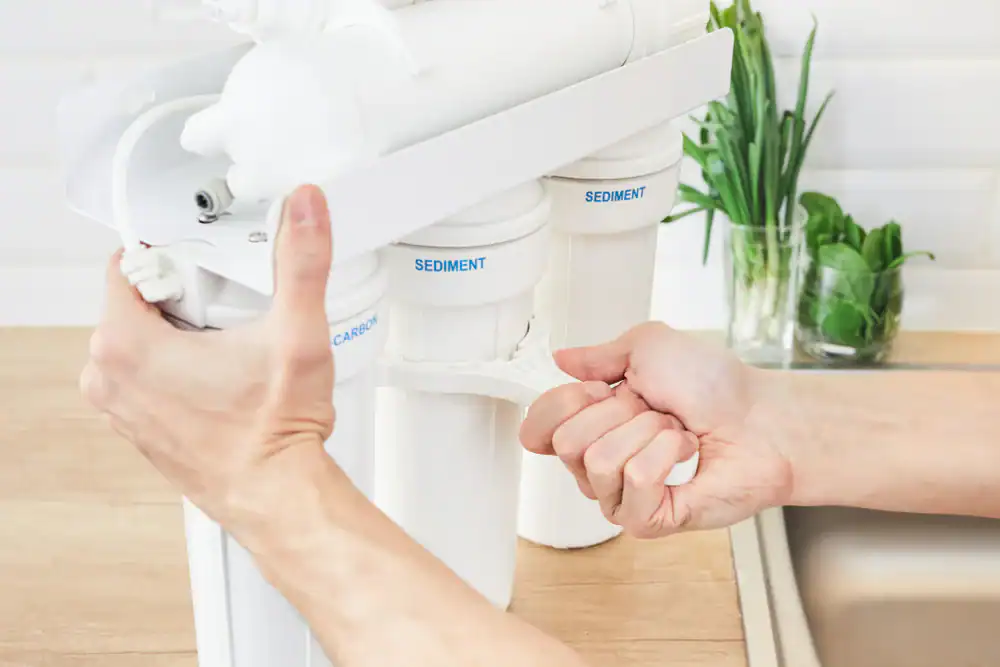
A properly installed reverse osmosis system typically lasts 15 to 20 years. The system itself is durable what requires regular attention are the filters and the membrane. Pre-filters and post-filters generally need replacement every 6 to 12 months depending on your water quality and household usage. In Highlands County, where hard water and potential agricultural contamination put more demand on filtration components, staying on schedule with filter changes matters more than it would in an area with cleaner source water.
The RO membrane the core filtration component typically lasts 2 to 5 years before replacement. Annual maintenance costs run approximately $100 to $200 for most households, which puts the long-term cost of clean water well below what most Lacota families spend on bottled water in a single year. We service every system we install, so when your filter change comes due, you’re calling the same company that put the system in not a national 1-800 number staffed by someone who’s never been to Highlands County.
Yes and sulfur odor is one of the more common complaints from homeowners on deeper wells in Central Florida’s interior, including parts of Highlands County. The smell comes from hydrogen sulfide gas, which occurs naturally in certain Floridan Aquifer zones. It’s not necessarily a health hazard at low concentrations, but it makes the water unpleasant to drink, cook with, and even shower in. People living with it often stop drinking their tap water entirely and default to bottled water as a permanent workaround.
A reverse osmosis system, particularly when combined with the right pre-filtration stage, is effective at removing hydrogen sulfide and the odor it produces. The specific configuration depends on the concentration of sulfide in your water which is one more reason the water test comes first. If sulfur is your primary complaint, that test result will show how much is present and what filtration approach will actually resolve it, rather than just masking the smell temporarily.
Please provide your email address so that we can stay in touch and answer any questions you have! We will be reaching back out shortly.
"*" indicates required fields