Reach Out Today
Please provide your email address so that we can stay in touch and answer any questions you have! We will be reaching back out shortly.

Hear from Our Customers
The bottled water runs out. The coffee maker scales up again. You fill a glass and wonder not for the first time whether you should actually be drinking this. That quiet doubt is more common in Florida Hills than most people realize, and it’s not unfounded.
JEA’s own water quality data shows what’s in your tap. Arsenic at levels up to 12 times the Environmental Working Group’s health guideline. Radium-226 and radium-228 combined radioactive elements that concentrate in bone tissue with no recognized safe exposure level for children. TTHMs total trihalomethanes associated with increased bladder cancer risk and adverse reproductive outcomes with long-term exposure. All of it within federal legal limits. None of it required to be in your drinking water.
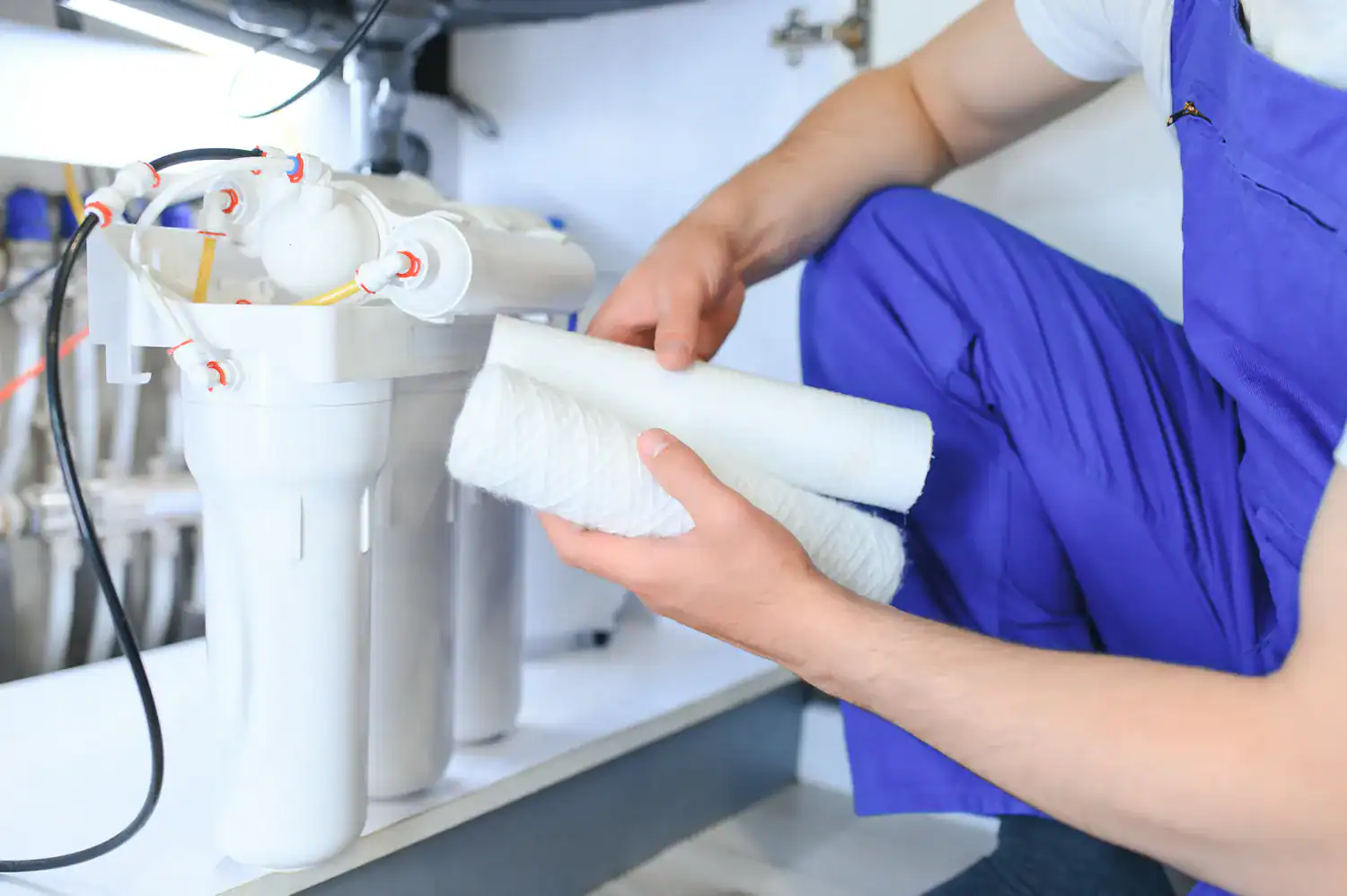
A reverse osmosis system installed under your kitchen sink changes that equation completely. The membrane filters water down to 0.0001 microns smaller than any bacteria, virus, or dissolved chemical. Arsenic, radium, strontium, nitrates, fluoride, PFAS compounds, pharmaceutical traces all of it gets rejected. What reaches your glass is genuinely clean water.
For Florida Hills specifically, the age of the housing stock matters too. Many homes along the Westside were built in the 1950s and 1960s, and the pipes inside those walls have been there just as long. JEA treats the water before it leaves their system. What happens between the main line and your faucet is on your home’s plumbing and a reverse osmosis system at the point of use is the last line of defense.
The bottled water math works out too. Most Florida Hills families spend $50 to $100 a month on bottled water because they don’t trust the tap. That’s $600 to $1,200 every year on something you could produce at your own sink for pennies per gallon. Annual filter maintenance runs about $100 to $200. Most households recover the full system cost within two to four years and then drink better water essentially for free for the next 15 to 20 years.
Quality Safe Water of Florida LLC is a North and Central Florida water treatment specialist. Not plumbing. Not HVAC. Not water heaters. Just water purification, softening, and filtration for homes across Duval County and the surrounding region.
That focus matters more than it sounds. When we do one thing, we get very good at it. We know the Floridan Aquifer, we know JEA’s contaminant profile, and we know what Florida Hills’ proximity to the former NAS Cecil Field site means for PFAS concerns in the area. We don’t guess we test your water first with real lab-grade analysis before recommending anything.
Our reputation backs it up. We hold a BBB A-rating, a 5-star score, and zero complaints on public record a number you can verify yourself at bbb.org right now. We’re also members of the National Water Quality Association, which means ongoing professional training in exactly the kind of water chemistry challenges Florida Hills homeowners face.
If you’re active duty at NAS Jacksonville, a veteran, or a first responder, there’s a $500 discount waiting for you no fine print, no complicated qualifications. It’s a thank-you for service.
We service what we install. Unlike national companies that operate call centers in other states, we’re local. When your filter needs replacing or your system needs service, we answer the phone and show up. This isn’t standard in the industry. It should be.
It starts with a real water test not a quick hardness check designed to justify a pre-selected system, but actual lab-grade analysis of what’s coming out of your tap in Florida Hills. JEA water has a specific profile: arsenic, TTHMs, radium, strontium, and potential PFAS influence tied to the Westside’s history with the former Cecil Field naval air station. The test tells you exactly what you’re dealing with before we recommend anything.
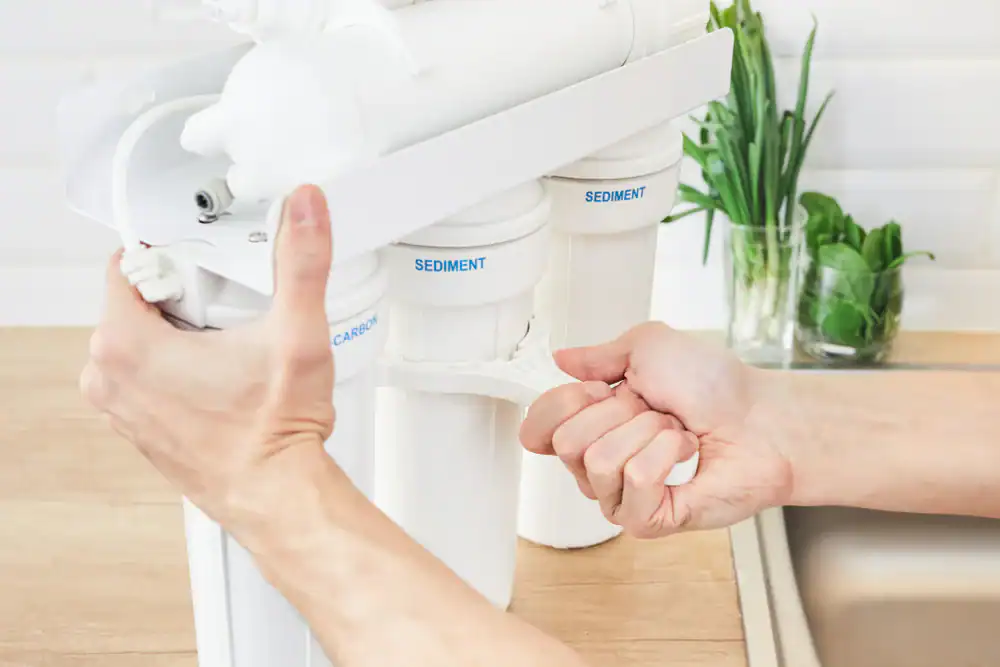
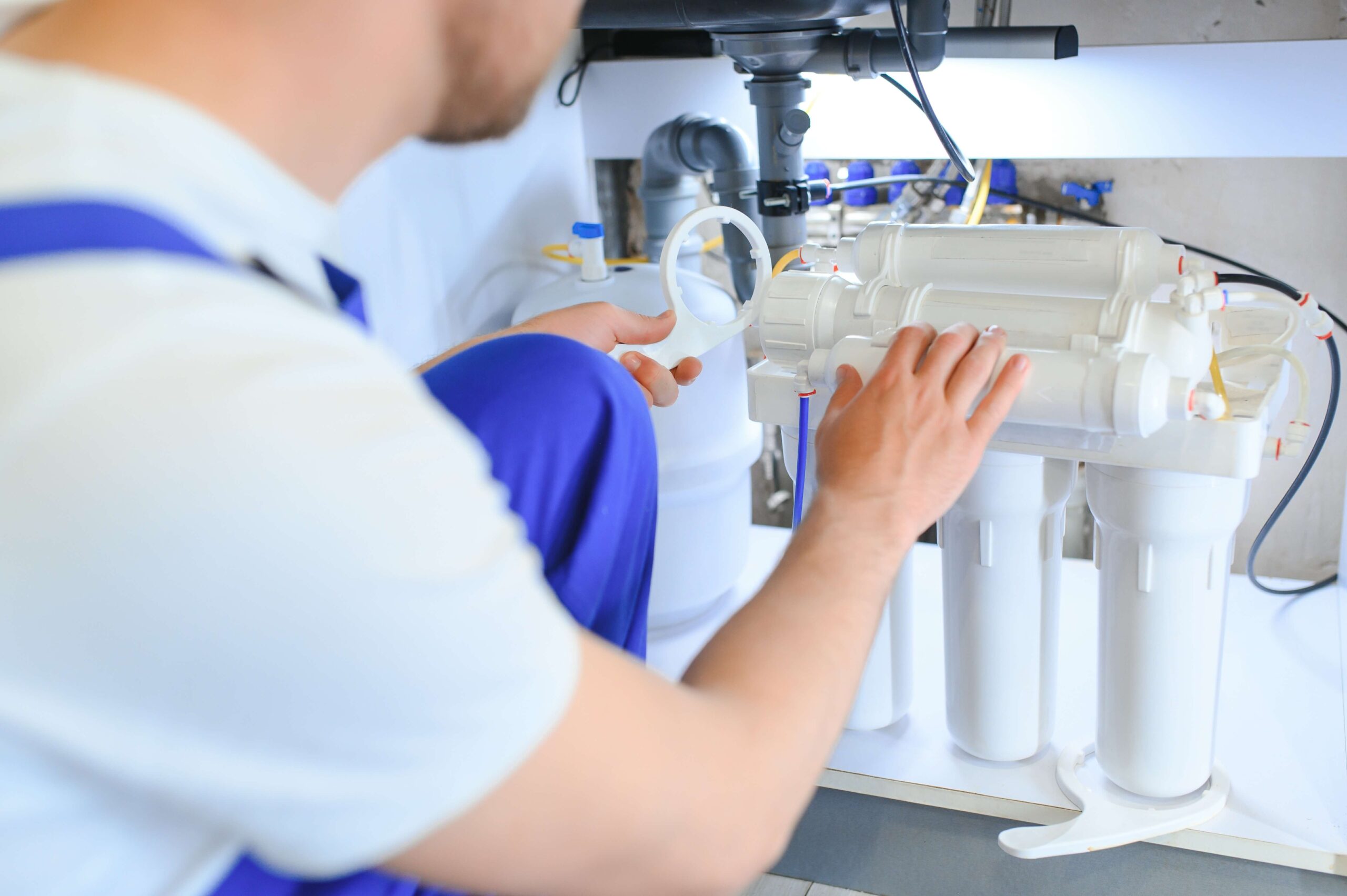
From there, we match a system to your actual water chemistry and your household’s daily demand. Under-sink reverse osmosis systems are the most common installation for Florida Hills homes they connect to your existing cold water supply line, route a drain line to your existing drain, and typically don’t require a permit for standard residential setups.
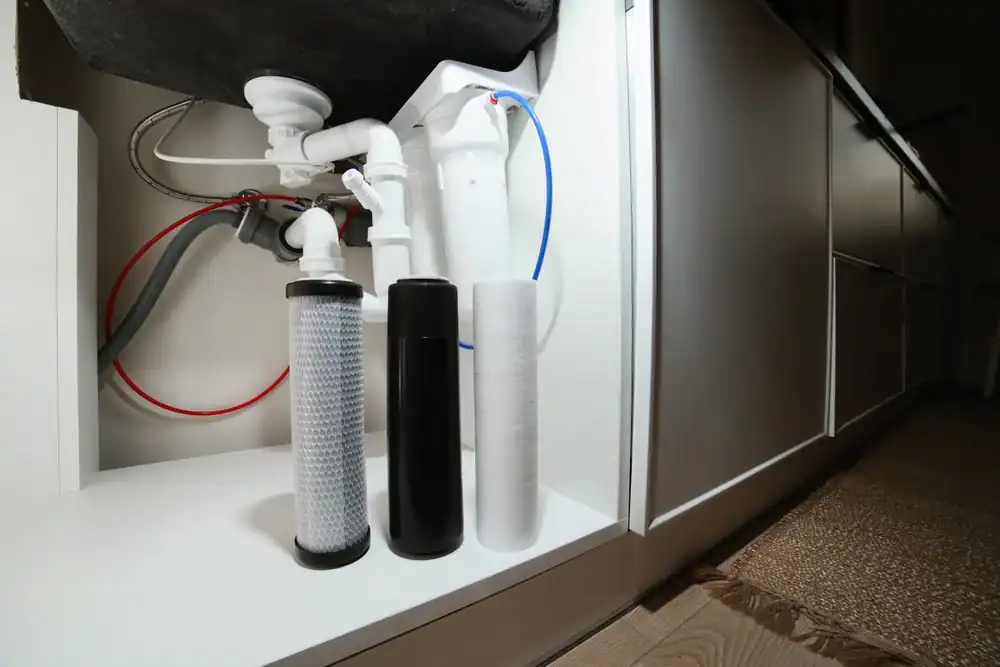
Installation is clean and straightforward. Most under-sink systems are fully operational the same day. After that, the only ongoing maintenance is an annual filter replacement running roughly $100 to $200 per year and a membrane swap every two to five years. The system itself, properly maintained, has a service life of 15 to 20 years.
Ready to get started?
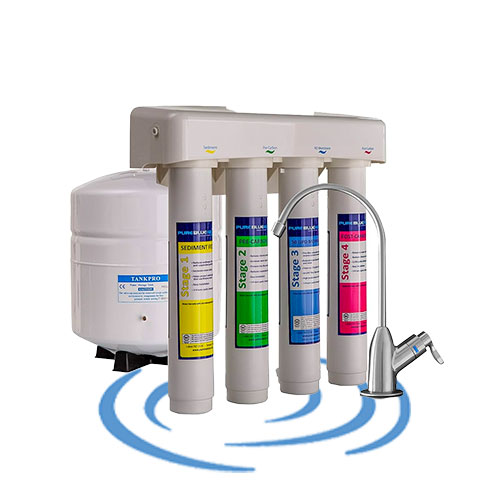
Every reverse osmosis system we install is NSF/ANSI 58-certified the independent standard that confirms a system actually removes what it claims to remove. That certification isn’t just a sticker. It means the membrane, the pre-filters, and the post-filters have been tested against the specific contaminants that matter for JEA water: arsenic, TTHMs, radium, nitrates, PFAS, and dissolved minerals from the Floridan Aquifer’s limestone and phosphate geology.
For Florida Hills homeowners, the under-sink reverse osmosis system is the most practical and most popular choice. It fits in the cabinet beneath your kitchen sink, connects to your existing plumbing without major modification, and delivers filtered water through a dedicated faucet at your sink. If you have a refrigerator with a water and ice dispenser, that line can typically be tied in as well.
Whole-house reverse osmosis is also available for homeowners who want comprehensive coverage at every tap a stronger consideration for older Westside homes where aging pipes are a real factor throughout the house, not just at the kitchen sink.
Our components are manufactured in the USA. Systems are sized to your household’s actual water demand, not a default package. And because water treatment is all we do, the technician who installs your system is the same kind of specialist you’d want diagnosing a problem two years from now not a generalist who handles drains and ductwork between water calls.
JEA meets all federal legal standards, and their water comes from the Floridan Aquifer generally one of the cleaner groundwater sources in the country. But meeting legal standards and delivering the cleanest possible water aren’t the same thing.
The Environmental Working Group analyzed JEA’s water quality data and found five contaminants detected above their health-based guidelines: arsenic at levels up to 12 times the EWG’s recommended limit, chlorate, radium-226 and radium-228 combined, strontium, and total trihalomethanes which are disinfection byproducts that form when chlorine reacts with naturally occurring organic matter in the water.
Radium is a radioactive element that occurs naturally in Florida’s phosphate-rich limestone geology. It concentrates in bone tissue, and there’s no recognized safe exposure level for children. TTHMs are associated with increased bladder cancer risk and adverse reproductive outcomes with long-term exposure. A reverse osmosis system removes all of them at the point of use.
It’s a legitimate question for anyone living on Jacksonville’s Westside. The former Naval Air Station Cecil Field located in the western Westside area has been identified as a source of PFAS contamination in the surrounding groundwater. Independent testing detected PFOS, one of the most studied PFAS compounds, in the drinking water at Cecil Field and at significantly elevated levels in the surrounding groundwater.
PFAS compounds are sometimes called “forever chemicals” because they don’t break down in the environment or in the human body, and they’ve been linked to a range of health concerns including certain cancers, immune system effects, and developmental issues in children.
JEA draws from a wide network of wells across Duval County, and dilution across that system affects measured levels. But Florida Hills residents are geographically close to the contamination source. Reverse osmosis is one of the few residential filtration methods proven to remove PFAS at the point of use.
For a standard under-sink residential reverse osmosis system professionally installed in a Florida Hills home, you’re typically looking at a range that varies based on your specific water chemistry and configuration. Installation brings the total cost into a range where most households recover the full system cost within two to four years through bottled water savings alone.
If you’re spending $50 to $100 a month on bottled water because you don’t trust the tap and many Florida Hills households are you’re spending $600 to $1,200 every year on something you could produce at your own sink for pennies per gallon. Annual filter maintenance runs about $100 to $200.
Whole-house reverse osmosis systems are a stronger consideration for older Westside homes with aging plumbing throughout these run higher depending on system capacity and installation complexity.
If you’re active duty at NAS Jacksonville, a veteran, or a first responder, the $500 military and first responder discount changes that timeline considerably. We’ll walk you through exact pricing during your free water analysis.
For a standard under-sink reverse osmosis installation where the system connects to an existing cold water supply line and routes a drain line to the existing drain a separate building permit is typically not required in Jacksonville under Duval County’s residential plumbing guidelines. This covers the vast majority of point-of-use RO installations in Florida Hills homes, and it means most jobs can be completed in a single visit without any waiting period for permit approval.
Where permits do come into play is with whole-house reverse osmosis systems that require modifications to the main water supply line, new dedicated drain connections, or any structural penetration. We review the scope of every installation before the work begins and handle that conversation with you upfront there are no surprises on permit requirements after the fact.
They solve different problems, and for many Florida Hills homeowners, the right answer is actually both. A water softener addresses hardness specifically calcium and magnesium ions that cause scale buildup on fixtures, in appliances, and inside your water heater. Jacksonville’s water from the Floridan Aquifer carries a meaningful mineral load from the limestone and phosphate geology it passes through.
A reverse osmosis system works at a much finer level. It filters water down to 0.0001 microns, removing not just hardness minerals but dissolved contaminants that a softener doesn’t touch: arsenic, TTHMs, radium, nitrates, PFAS, fluoride, and pharmaceutical traces.
A softener makes your water easier to live with throughout the house. A reverse osmosis system makes your drinking water genuinely clean at the molecular level. For a Florida Hills home especially one built in the 1950s or 1960s with older pipes a whole-house softener paired with an under-sink RO for drinking and cooking is often the most complete approach. We assess both needs during the initial water test and recommend based on what your water actually shows, not a default package.
Please provide your email address so that we can stay in touch and answer any questions you have! We will be reaching back out shortly.
"*" indicates required fields