Reach Out Today
Please provide your email address so that we can stay in touch and answer any questions you have! We will be reaching back out shortly.

Hear from Our Customers
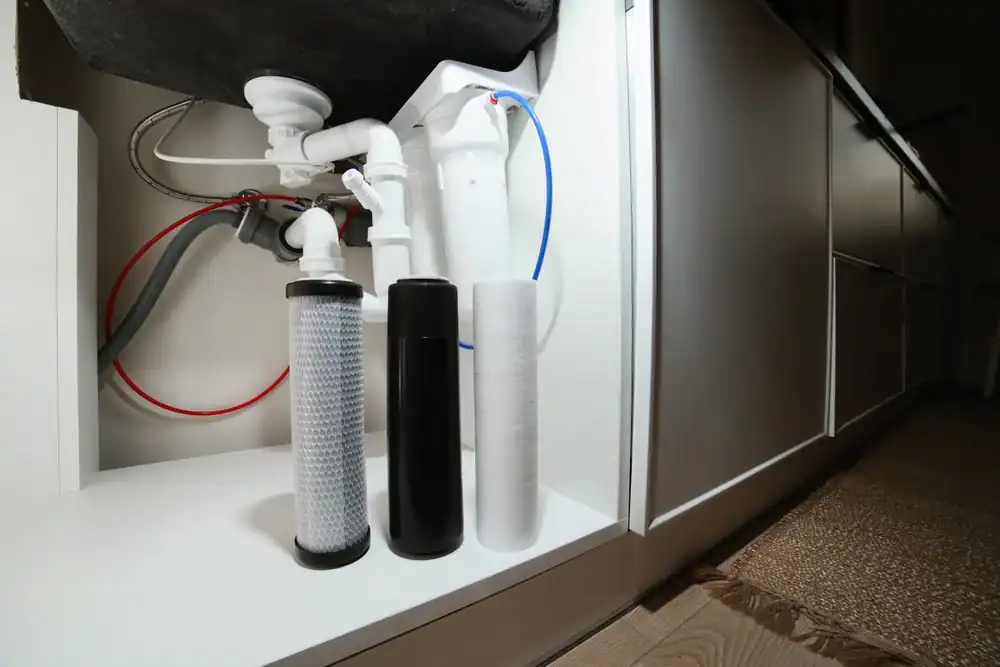
The orange ring in your toilet bowl isn’t cosmetic it’s iron slowly working through your plumbing, your appliances, and your fixtures. The sulfur smell that hits you when you run the tap isn’t a quirk of rural living in Ethel. These are documented characteristics of well water drawn from the Floridan Aquifer in eastern Lake County, and they don’t go away on their own.
A reverse osmosis system removes what your water softener can’t touch. Softeners handle hardness calcium and magnesium but they don’t remove nitrates, PFAS, dissolved solids, or the taste and odor compounds that make well water unpleasant to drink. In the Wekiva River watershed, where the St. Johns River Water Management District has documented elevated nitrogen loading from septic systems and agricultural runoff, nitrate removal isn’t a bonus feature. It’s the point.
The practical difference shows up fast. Water that actually tastes clean. No more buying cases of bottled water every week. No more white scale building up inside your water heater and cutting its lifespan in half. If you’ve been living with this water for years in Ethel, you already know what the problem costs you. The right RO system sized for your home and your specific water chemistry is what finally ends it.
Quality Safe Water of Florida LLC is a water treatment company not a plumber offering filtration on the side. Every job starts with a professional water analysis. Not a quick hardness check used to justify selling the most expensive system on the truck. Actual lab-grade testing that tells you what’s in your water, at what levels, before we recommend a solution.
We hold an A-rating with the Better Business Bureau, a 5-star rating, and zero complaints on record a combination you can verify yourself at bbb.org before you ever pick up the phone. That kind of record means something in a rural community like Ethel, where neighbors talk and a bad experience doesn’t stay quiet for long.
We’re also a member of the National Water Quality Association, which means our team is trained specifically in Florida’s water chemistry including the Floridan Aquifer geology that defines what comes out of private wells throughout Lake and Orange counties. We install USA-manufactured systems, we service what we sell, and we’ll still answer the phone years after installation when your membrane needs replacing.
It starts with a water analysis. For homeowners in Ethel drawing from a private well, this step isn’t optional it’s the only way to know what you’re actually dealing with. Iron levels, nitrate concentrations, hardness, sulfur, pH all of it gets measured before any system is discussed. That’s how the right recommendation gets made. Not the most expensive one. The right one.
Once the analysis is complete, we build the recommendation around your specific water chemistry and your home’s size and usage. In eastern Lake County, where older rural homes may have aging plumbing and newer acreage properties may have wells that haven’t been tested since the day they were drilled, the pre-treatment picture matters. If iron levels are high enough to damage an RO membrane without pre-filtration, that gets addressed first. The system gets sized correctly from the start so it performs the way it should for years, not months.
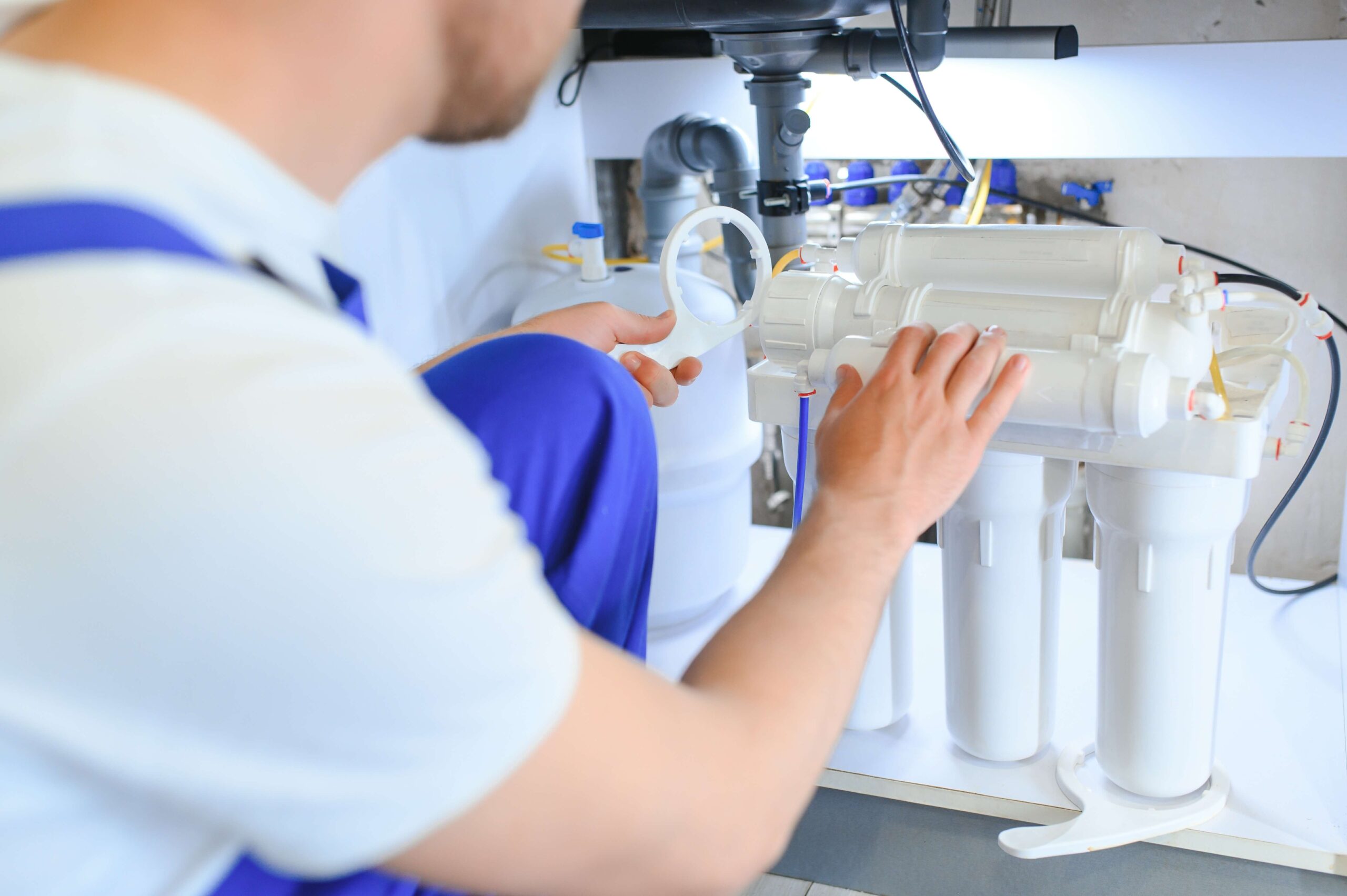
Installation is clean, professional, and typically completed in a single visit. Under-sink RO systems are the most common setup for drinking water, and whole-house configurations are available for properties with more complex treatment needs. After installation, you get a walkthrough of how the system works, what maintenance looks like, and when to expect your first filter change. No disappearing act after the job is done.
Ready to get started?
A reverse osmosis system installed in an Ethel or Mount Plymouth home isn’t the same conversation as one installed in a subdivision with city water. Private well owners in this area are dealing with a specific combination of challenges high mineral load from limestone geology, iron and hydrogen sulfide from the aquifer, and documented nitrate concerns in the Wekiva River springshed. The system has to be matched to all of that, not just one piece of it.
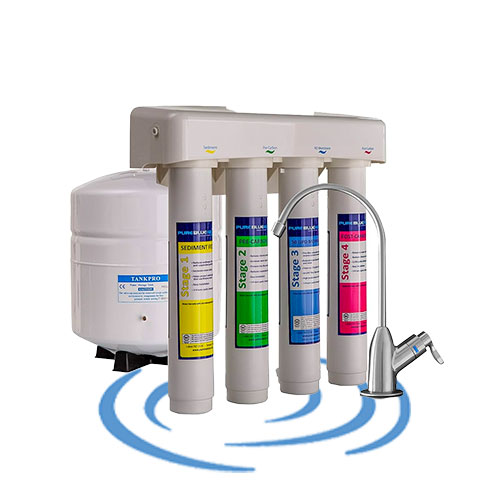
We install multi-stage RO systems using USA-manufactured components, sized after a professional water analysis specific to your property. For well water homes in Ethel and the surrounding area, that often means a pre-filtration stage to handle iron before it reaches the RO membrane because iron at high enough concentrations will foul a membrane quickly and shorten the system’s life. Getting that right upfront is the difference between a system that lasts 15 to 20 years and one that needs to be replaced in five.
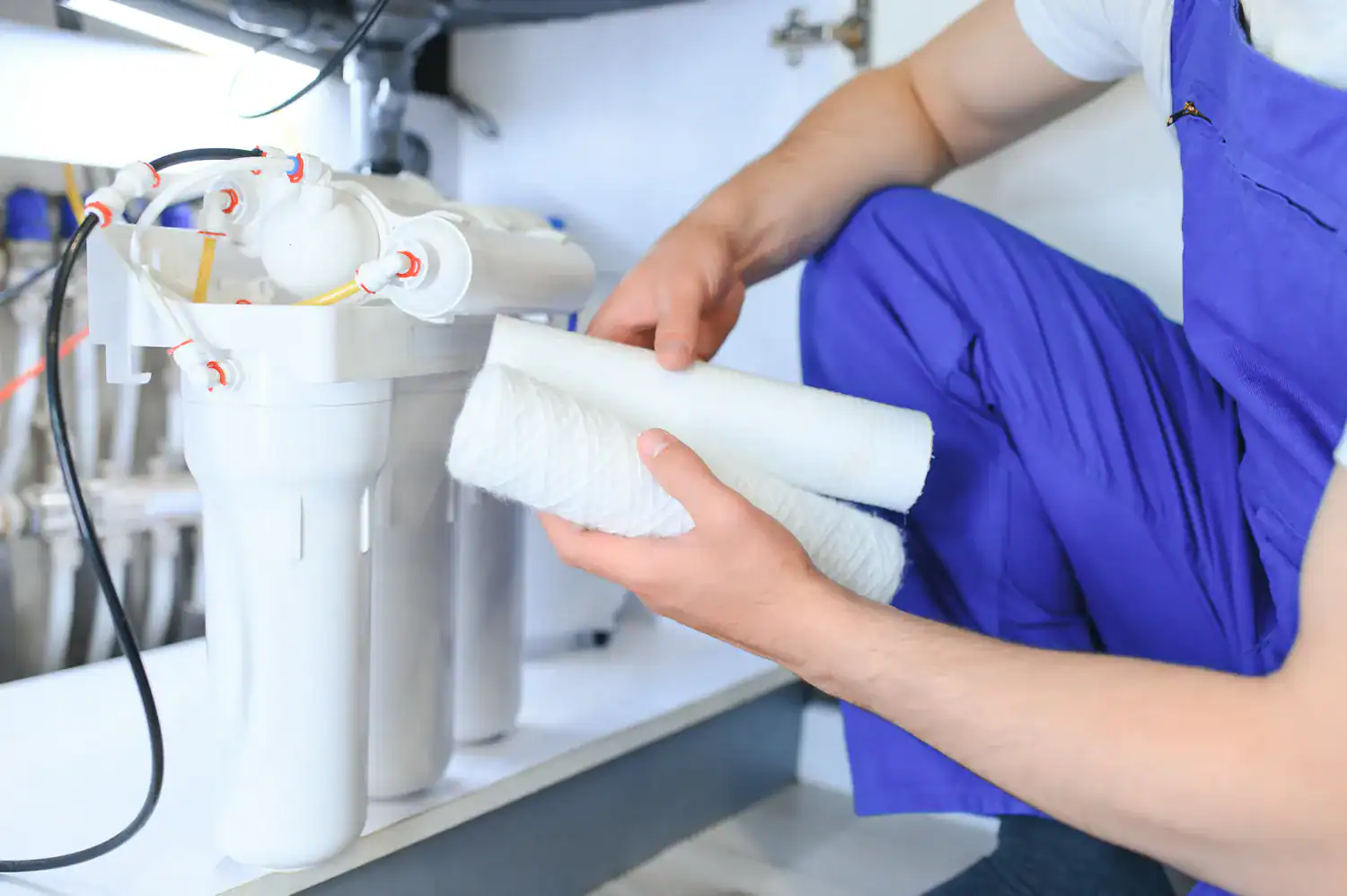
Maintenance is straightforward. Pre-filters typically need replacing once a year. The RO membrane itself lasts two to five years depending on your water quality and household usage. We handle both so you’re not left searching for compatible parts or figuring out the process yourself. If you’re a veteran or active first responder, a $500 discount applies to your installation. No complicated qualifications. It applies to you.
Yes and in this area, that matters more than most people realize. The USGS and Florida Department of Environmental Protection have both documented elevated nitrogen loading in the Rock Springs and Wekiva River springshed, which covers the eastern Lake County and northwestern Orange County area surrounding Ethel. The primary sources are septic systems, agricultural runoff, and lawn fertilizers all common in this rural watershed. Nitrates don’t affect the taste or smell of your water, which means you can’t detect them without testing.
Reverse osmosis is one of the most effective residential methods for nitrate removal. The membrane filters at 0.0001 microns, which is small enough to block nitrate molecules along with dissolved solids, PFAS, arsenic, and most other contaminants that pass straight through a standard carbon filter or water softener. If your well hasn’t been tested recently or if your last test was the basic bacterial screen done at home purchase a professional water analysis is the only way to know your current nitrate levels and whether your existing setup is addressing them.
They do different things, and for most well water homes in Ethel and the Mount Plymouth area, you actually need both. A water softener addresses hardness it removes calcium and magnesium through an ion exchange process, which reduces scale buildup in pipes and appliances and makes soap lather the way it should. That’s genuinely useful in a limestone aquifer environment where hardness levels commonly run 10 to 20-plus grains per gallon.
But a softener doesn’t remove nitrates, PFAS, arsenic, dissolved solids, or the taste and odor compounds that make well water unpleasant to drink. That’s where reverse osmosis comes in. An under-sink RO system works at the point of use typically at your kitchen sink and filters your drinking and cooking water down to the molecular level. The two systems work together rather than competing. The softener protects your plumbing and appliances throughout the house; the RO system gives you clean, great-tasting water at the tap. For a rural property on a private well in Ethel, that combination covers the full picture.
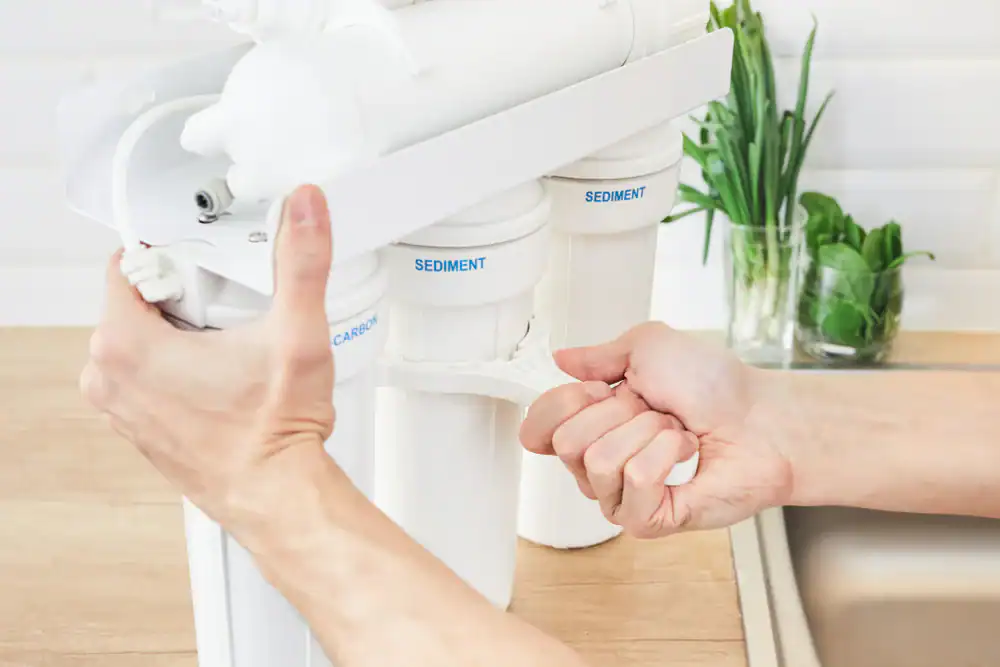
The maintenance schedule for an RO system is straightforward, but it does depend on your water quality which is another reason the initial water analysis matters. For most well water homes in Lake County, pre-filters need to be replaced once a year. These are the sediment and carbon stages that protect the RO membrane from iron, chlorine, and particulates. If your iron levels are high, you may need to check them more frequently in the first year to see how fast they’re loading up.
The RO membrane itself typically lasts two to five years. Higher mineral loads and higher daily usage will shorten that range; lower usage and cleaner source water will extend it. A membrane replacement generally runs $50 to $150 for the part, depending on the system. We handle both pre-filter changes and membrane replacements so you’re not left trying to match parts to a system you barely remember installing. Annual service visits also give you a chance to retest your water and confirm the system is still performing correctly, which is worth doing in a watershed where source water conditions can shift over time.
It can, but the setup matters. Reverse osmosis membranes are effective at removing dissolved iron and reducing sulfur-related taste and odor compounds, but they have limits. If your iron concentration is high enough and in eastern Lake County around Ethel, it often is iron can foul the membrane faster than it can filter it, which shortens the system’s life significantly and drives up maintenance costs. The right approach in this area is pre-treatment before the RO membrane: typically an iron filter or oxidizing filter stage that handles the bulk of the iron load before the water ever reaches the membrane.
Hydrogen sulfide the compound responsible for the rotten egg smell is addressed through a combination of oxidation and carbon filtration, also upstream of the RO stage. This is exactly why the water analysis comes first. Without knowing your actual iron and sulfur levels, any recommendation is a guess. Once those numbers are on the table, we design the system to handle your specific conditions rather than a generic Florida well water profile. Done correctly, the result is water that smells clean, tastes clean, and doesn’t slowly destroy the equipment treating it.
A properly installed, properly maintained RO system should last 15 to 20 years. The key word is properly which means sized correctly for your household usage, matched to your actual water chemistry, and maintained on a consistent schedule. Systems that fail early almost always do so for one of three reasons: they were undersized for the home, they weren’t matched to the source water conditions, or the pre-filters were neglected long enough that the membrane got damaged.
For rural homeowners in Ethel and the Mount Plymouth area who are already managing a well pump, a pressure tank, and possibly a softener, adding an RO system to the maintenance list is a real consideration. The honest answer is that it’s not complicated one pre-filter change per year and a membrane replacement every two to five years but it does need to happen on schedule. We service what we install, so when those intervals come around, you’re calling the same people who put the system in. That continuity matters for a piece of equipment you’re counting on for the next decade and a half.
Please provide your email address so that we can stay in touch and answer any questions you have! We will be reaching back out shortly.
"*" indicates required fields