Reach Out Today
Please provide your email address so that we can stay in touch and answer any questions you have! We will be reaching back out shortly.

Hear from Our Customers

When you’re on a private well in Citra, the water coming out of the ground is whatever the Floridan Aquifer decides to send up that day. And in Marion County, that usually means calcium, magnesium, iron, hydrogen sulfide, and in agricultural zones like this one potentially nitrates from decades of citrus farming and fertilizer use.
A properly installed reverse osmosis system removes the vast majority of those dissolved contaminants before they ever reach your glass, your coffee maker, or your kid’s cup. The visible stuff goes away first. The orange staining in your toilet bowl. The white film on your dishes after the dishwasher runs. The rotten-egg smell that hits you in the morning when the pump kicks on.
Those aren’t cosmetic annoyances they’re signs of what’s been running through your pipes and into your appliances. Hard, mineral-loaded water from an untreated Citra well can cut a water heater’s lifespan nearly in half, and that’s a repair bill most people don’t see coming until it’s too late.
Beyond the visible, there’s the stuff you can’t see or smell. Nitrates don’t announce themselves. Neither do pesticide residues or PFAS. The Floridan Aquifer runs beneath some of the most historically farmed land in North Central Florida, and Citra sits right in the middle of it. An RO system with a quality semi-permeable membrane addresses all of it not just the taste and odor, but the dissolved contaminants that don’t show up until you test for them.
Quality Safe Water of Florida is a North and Central Florida water treatment specialist not a plumbing company that installs filters on the side. Water treatment is the only thing we do, which means when you call us about a well water problem in Citra, you’re talking to someone who actually knows the Floridan Aquifer, knows Marion County’s water chemistry, and has seen the same iron staining, sulfur odor, and hardness issues in homes all across this region.
We hold an A-rating with the Better Business Bureau, a 5-star rating, and zero complaints on file. That last part is worth sitting with for a second zero. In an industry where the standard move is to install a system and disappear, we’re the company that picks up the phone when you need a filter changed or something isn’t right.
We’re also a member of the Water Quality Association, which means our training is current and our standards are real. Whether you’re in Citra Highlands, out near Orange Lake, or on a few acres off Highway 318, we’ve worked with homeowners across this part of Marion County. We know what’s in the ground here, and we know how to fix it.
It starts with a free water analysis. Not a sales pitch dressed up as a test an actual assessment of what’s in your water. For Citra homeowners on private wells, this step matters more than most people realize.
Unlike municipal customers who get annual water quality reports from their utility, you have no automatic way of knowing what’s coming out of your well. Hardness, iron levels, sulfur, pH, nitrates all of it varies from property to property, even on the same road. We test first so the system we recommend is based on your water, not a generic assumption.
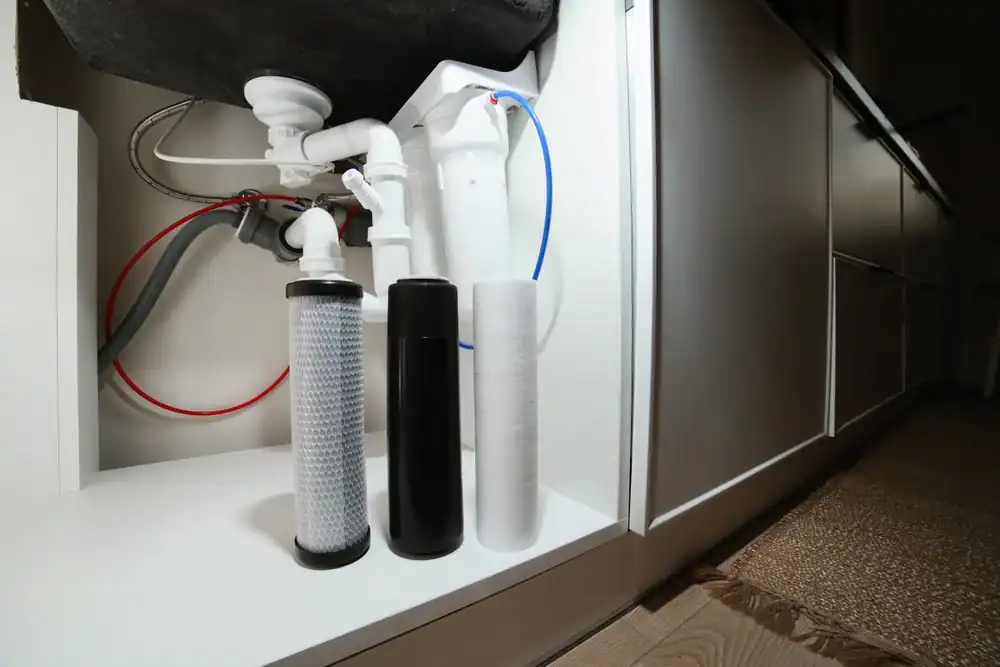
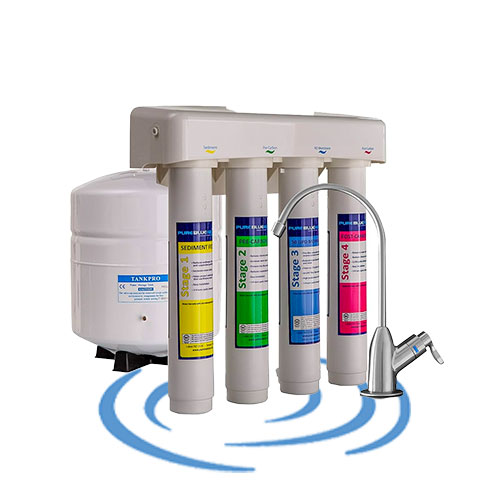
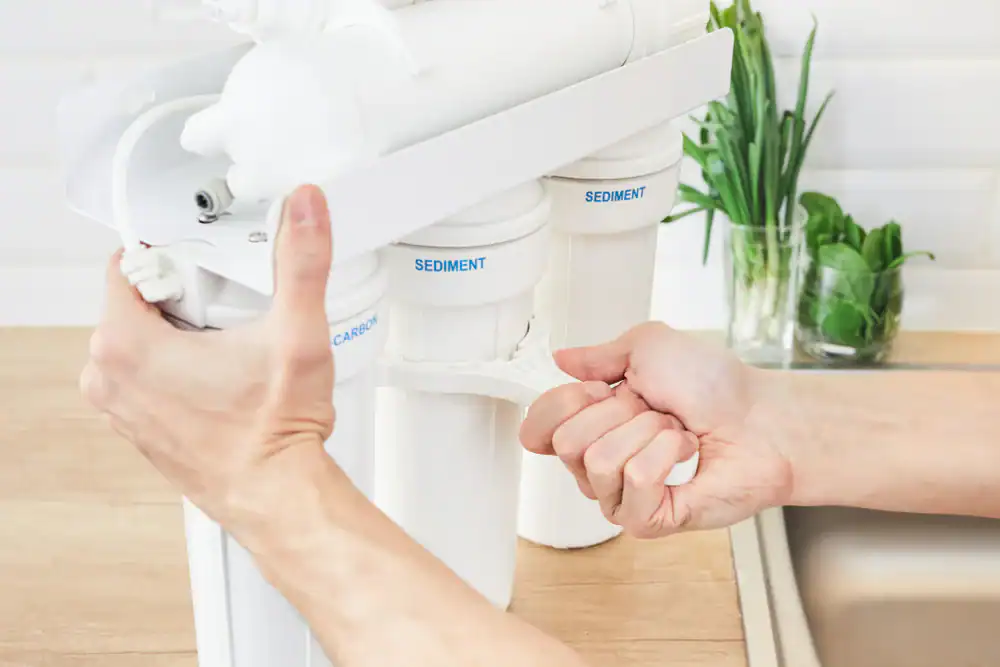
Once we know what you’re dealing with, we design a system around it. For most Citra well water situations, that means a multi-stage reverse osmosis setup typically a sediment pre-filter to catch particulates, a carbon stage to address organic compounds, the RO membrane itself to remove dissolved contaminants, and a post-filter for final polishing before the water reaches your tap.
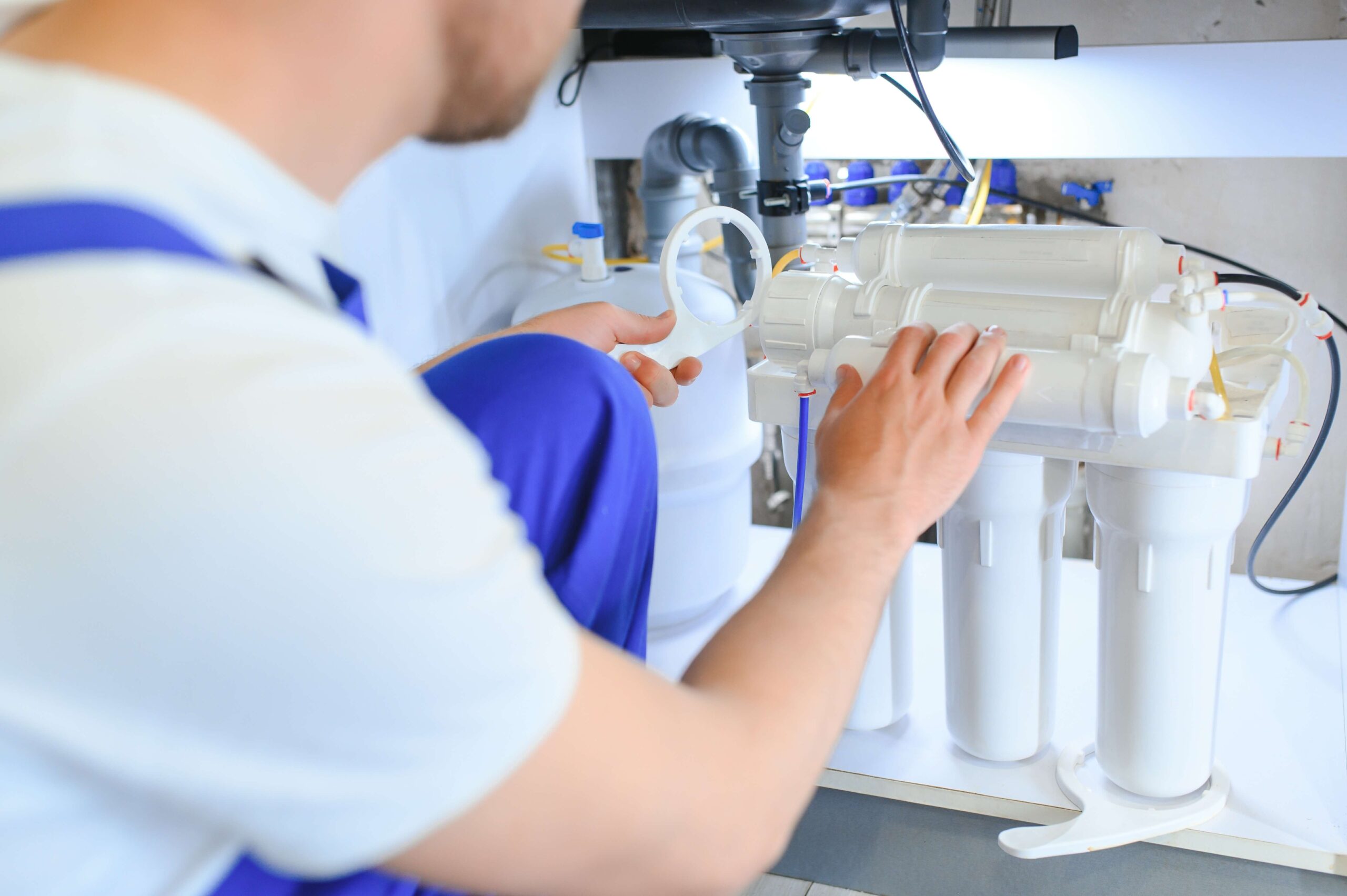
If your iron or sulfur levels are high enough to warrant whole-house pre-treatment upstream of the RO unit, we’ll tell you that clearly and explain why. Installation is clean, professional, and done right the first time. After installation, we walk you through how the system works, what maintenance looks like, and when to expect your first filter change. Then we’re still reachable because that’s the part most companies skip.
Ready to get started?
Most reverse osmosis systems you’ll find marketed online are designed with municipal water in mind light chlorine, moderate hardness, nothing too aggressive. Citra well water is a different conversation. The Floridan Aquifer in this part of Marion County is a limestone system, and limestone water is hard, mineral-rich, and in agricultural corridors like this one, potentially carrying nitrates and legacy pesticide residues from generations of citrus and crop farming.
The system that works here needs to be matched to that reality. Every RO system we install uses NSF/ANSI-certified components that’s an independent third-party certification that the equipment actually performs as claimed. We don’t move generic product off a shelf. We look at your water test results, look at your household size and usage, and put together a system that’s sized and configured for your specific well.
If your water needs pre-treatment for iron or hydrogen sulfide before it hits the RO membrane which is common out here we include that in the conversation upfront, not as an add-on surprise after the fact. For military veterans, active service members, and first responders in the Citra area, we offer a $500 discount on installation. Marion County and the surrounding North Central Florida region have a strong tradition of military and first responder service, and that discount is a straightforward acknowledgment of it.
The systems we install are built to last 15 to 20 years with routine maintenance annual filter changes and a membrane swap every two to five years. Clean water every day for the next two decades is what you’re actually buying.
Yes and it’s one of the most effective options available for the specific water chemistry found in Marion County wells. The Floridan Aquifer, which supplies virtually every private well in Citra, is a limestone-based system that naturally loads water with dissolved calcium, magnesium, iron, and hydrogen sulfide. A properly configured reverse osmosis system uses a semi-permeable membrane that filters out the vast majority of those dissolved solids typically removing 95 to 99 percent of contaminants including nitrates, heavy metals, pesticide residues, and PFAS.
The key word there is “properly configured.” An RO system designed for light municipal water won’t hold up well against high-iron or high-sulfur well water without the right pre-filtration in place. That’s why we start with a water test rather than a product recommendation. Once we know what your Citra well is actually producing, we can build a system around it not a generic one pulled off a shelf and installed without looking at your water first.
You don’t not without testing. That’s the honest answer. Nitrates are colorless, odorless, and tasteless. You can’t detect them by looking at your water, smelling it, or running it through a basic home test strip. The same is true for PFAS, certain pesticide residues, and other dissolved agricultural contaminants that may be present in groundwater beneath historically farmed land like the Citra area.
Unlike homeowners connected to a municipal utility, Citra residents on private wells don’t receive annual water quality reports. The Marion County Health Department oversees well construction permitting, but ongoing water quality monitoring is the homeowner’s responsibility. The UF/IFAS research facility on Highway 318 has conducted published studies on nutrient leaching and groundwater contamination in this exact agricultural corridor the concern is real and documented. A free water analysis is the only way to know what you’re actually dealing with, and it’s where every conversation with us starts.
It depends on the concentration of hydrogen sulfide in your water. At low to moderate levels, yes a multi-stage RO system with a quality carbon pre-filter will significantly reduce or eliminate sulfur odor at the drinking water tap. The carbon stage oxidizes and adsorbs hydrogen sulfide before the water reaches the membrane, and the result is water that tastes and smells clean.
At higher concentrations which do occur in certain parts of Marion County the sulfur load can overwhelm a standard under-sink RO system and shorten membrane life significantly. In those cases, whole-house sulfur pre-treatment upstream of the RO unit is the smarter move. We see this situation regularly in North Central Florida wells, and it’s one of the reasons we test your water before recommending anything. If your sulfur levels are high enough to need whole-house treatment, we’ll tell you upfront rather than sell you a system that won’t hold up.
For a standard under-sink reverse osmosis drinking water system in a Citra home, you’re typically looking at a range that depends on the number of stages, the brand and quality of the components, and whether any pre-filtration is needed upstream of the unit. If your well water has elevated iron or sulfur that requires whole-house pre-treatment before the RO system, that adds to the overall project cost but it also means your RO membrane lasts significantly longer, which affects the total cost of ownership over time.
We’re transparent about pricing from the start. After your water analysis, we give you a clear recommendation with the reasoning behind it not a menu of upsells. For active military, veterans, and first responders serving the Citra and Marion County area, the $500 discount applies directly to the installation cost. And when you factor in what most Citra families spend on bottled water annually easily $600 to $1,200 a year for a household that doesn’t trust their tap the system typically pays for itself within a few years.
More frequently than on city water, and that’s worth being upfront about. Well water especially the hard, iron-bearing water common in Marion County works the pre-filters harder than treated municipal water does. As a general rule, sediment and carbon pre-filters on a well water RO system should be changed every six to twelve months depending on your water quality and household usage. The RO membrane itself typically lasts two to five years, again depending on what your well is putting out.
The good news is that maintenance is straightforward and not expensive annual filter changes run roughly $100 to $200 for most systems. The bigger issue is skipping maintenance, which shortens membrane life and lets contaminant levels creep back up without you noticing. We set up a maintenance schedule with every customer we install for and follow through on it. If your filters are due, we reach out you don’t have to track it yourself or wonder when the last service was.
Please provide your email address so that we can stay in touch and answer any questions you have! We will be reaching back out shortly.
"*" indicates required fields