Reach Out Today
Please provide your email address so that we can stay in touch and answer any questions you have! We will be reaching back out shortly.

Hear from Our Customers
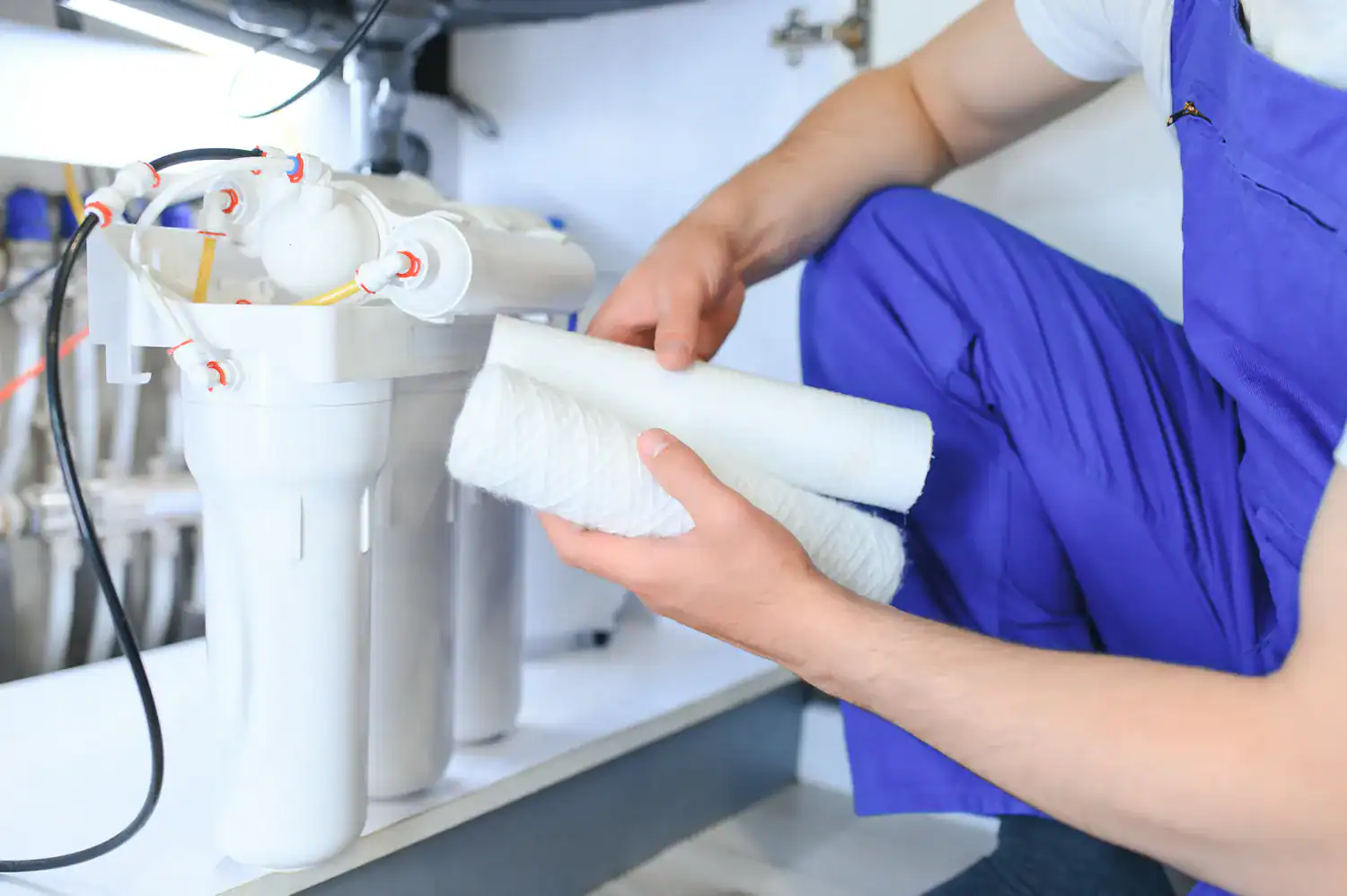
The water coming out of your tap in Bryn Mawr travels through the Floridan Aquifer before it ever reaches Orange County’s treatment plant. That aquifer is limestone and limestone dissolves into water. By the time it gets to your kitchen, you’re looking at radium, arsenic, hard mineral content sitting around 9.73 grains per gallon, and disinfection byproducts created during treatment itself.
That’s before it moves through your home’s plumbing. If your Bryn Mawr house was built around 1981 like most in this area it may still have lead-containing solder in the pipe connections.
A reverse osmosis system removes 95–99% of dissolved contaminants at the point of use. That means the water you cook with, drink, and give your kids comes out clean not just treated. You stop buying cases of bottled water every week. Your coffee tastes different. The ice from your freezer doesn’t have that faint mineral smell.
If you’ve got hard water scale building up in your water heater or dishwasher, that’s a separate but related problem. At roughly 9.73 GPG, Bryn Mawr water is hard enough to shorten appliance lifespans and leave white deposits on everything it touches. Whole-house treatment addresses that at the source. Under-sink RO addresses what you’re actually putting in your body. Both are worth the conversation.
Quality Safe Water of Florida LLC does one thing: water treatment. No plumbing, no water heaters, no side services. Just water which means every technician, every recommendation, and every system we install reflects someone who has spent their career on this specific problem.
We hold a BBB A-rating with a 5-star score and zero complaints on file. That’s a public record you can pull up at bbb.org before you ever call. In a market where national competitors have built a reputation for selling systems and disappearing, zero complaints is the most honest thing a company can say about itself. We’re also members of the National Water Quality Association, which means ongoing training, NSF-certified standards, and access to the latest water treatment science.
We serve Bryn Mawr and the broader Orange County area and we know the local water. We know what Orange County Utilities pulls from the Floridan Aquifer, what the treatment process adds to it, and what a 1981-era home’s plumbing does to it before it hits your glass. That local knowledge is what separates a real recommendation from a sales pitch.
It starts with a real water test not a quick hardness check designed to justify a sale, but an actual lab-grade analysis of what’s in your specific water. For a Bryn Mawr home served by Orange County Utilities, that means testing for hardness, chloramine levels, TDS, pH, lead, and any contaminants of concern. The results drive the recommendation. If you don’t need a whole-house system, we won’t sell you one.
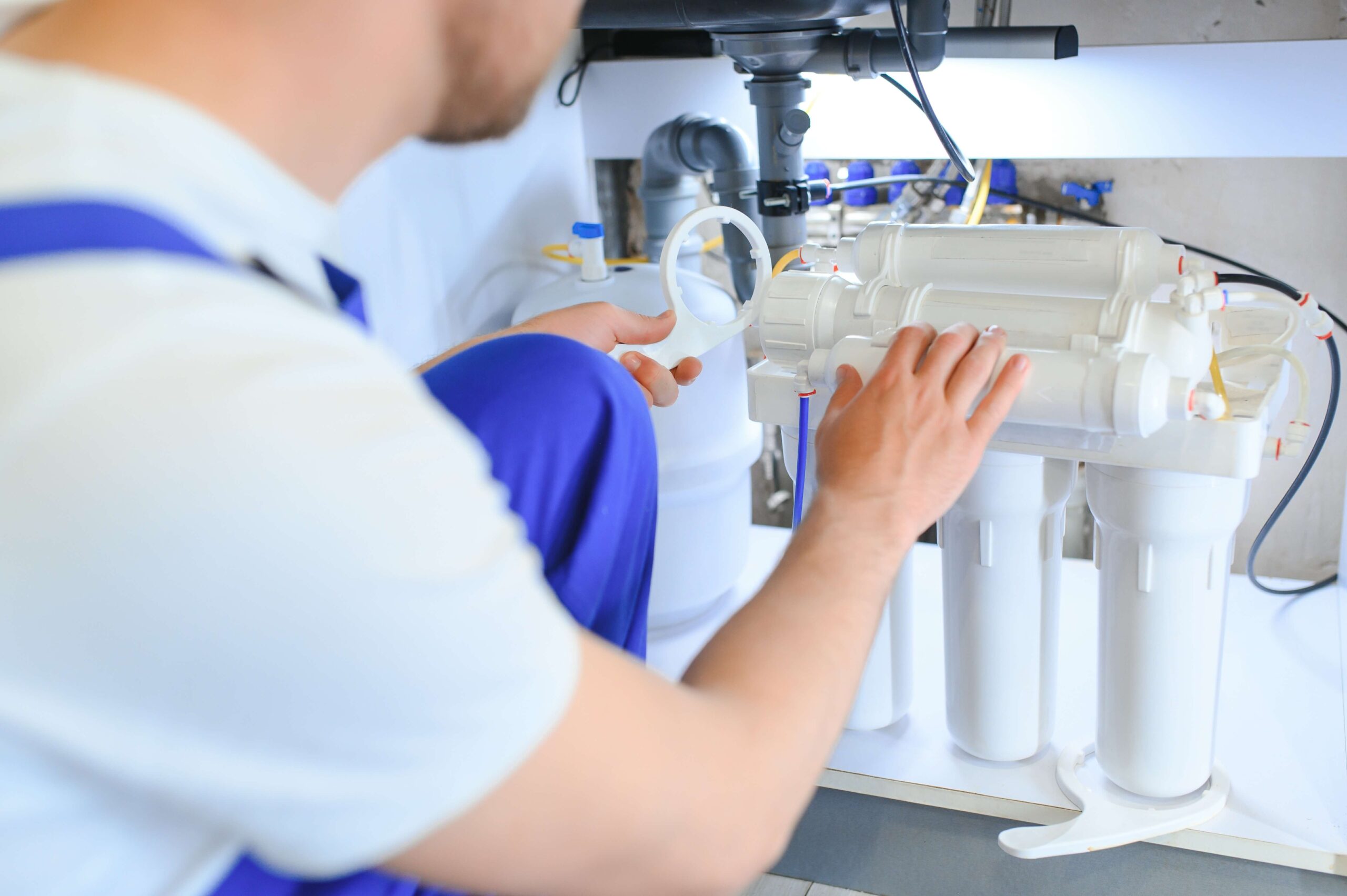
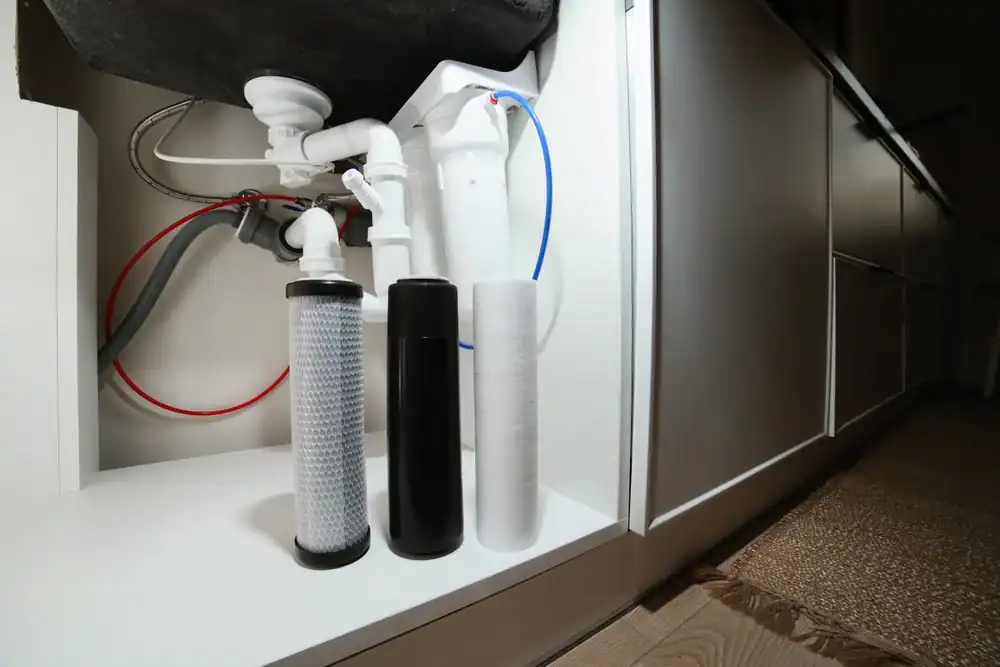
Once the test results are in and you’ve decided on a system, installation is scheduled at your convenience. Under-sink reverse osmosis systems are typically installed in a few hours with no major disruption a dedicated faucet goes on your sink, the unit sits in the cabinet below, and a line connects to your refrigerator if needed.
For whole-house systems, the scope is larger and may involve additional equipment like pressure-regulating components, but the process is clean, professional, and explained to you as it happens.
After installation, you’ll know how the system works, what the maintenance schedule looks like, and exactly who to call when it’s time for a filter change. Annual filter replacements typically run $100–$200. Membrane replacement happens every two to five years. That’s the full ongoing cost no surprises, no contracts.
Ready to get started?
Orange County Utilities is currently testing for 29 PFAS compounds under the EPA’s UCMR 5 monitoring program. That testing is ongoing which means the question of whether PFAS is in your Bryn Mawr water hasn’t been fully answered yet. Reverse osmosis is the most effective residential technology for removing PFAS from drinking water. Installing a system now isn’t an overreaction. It’s a decision you make before you’re forced to.
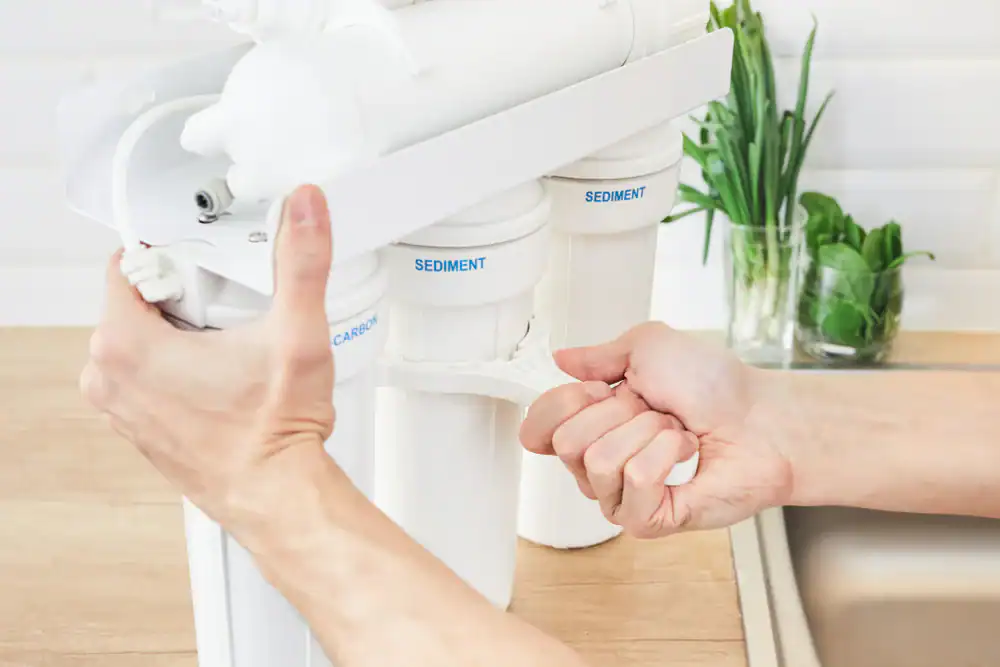
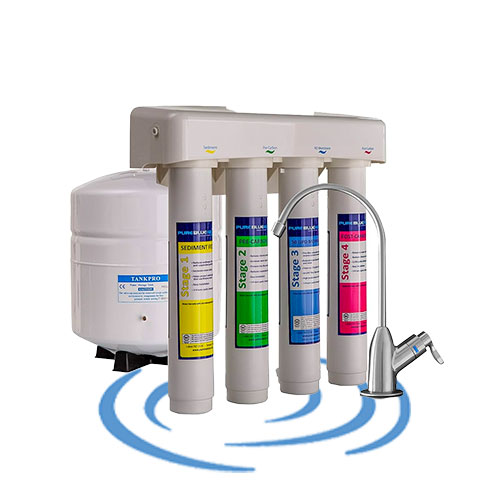
For under-sink RO, you get a multi-stage filtration system installed directly at your kitchen tap sediment pre-filter, carbon block, RO membrane, and a post-filter polish stage before water reaches your glass. It handles lead, arsenic, radium, chloramines, haloacetic acids, trihalomethanes, and PFAS. Everything that Orange County’s treatment process either introduces or doesn’t fully remove.
The dedicated faucet sits cleanly on your sink, and the unit stores filtered water so you’re not waiting for it to process on demand.
For whole-house reverse osmosis, every faucet, shower, and appliance in your home gets treated water. For a Bryn Mawr home built around 1981 with aging pipes and hard water running through them daily, that level of protection makes a real difference in appliance lifespan, plumbing longevity, and daily comfort. We’ll walk you through which option fits your home, your water test results, and your budget without pushing you toward the most expensive option on the list.
Orange County Utilities draws from the Floridan Aquifer, a deep limestone formation that naturally dissolves minerals and radioactive elements including radium-226 and radium-228 into the groundwater. By the time it’s treated and delivered to your tap in Bryn Mawr, the water has also picked up disinfection byproducts from the treatment process itself: haloacetic acids and trihalomethanes are the two most common. Independent analysts have identified arsenic and lead as additional contaminants of concern, and Orange County is currently in active PFAS testing under the EPA’s UCMR 5 program.
The important distinction is between what’s legal and what’s clean. Orange County’s water meets federal legal minimums but third-party analysts have given it a C+ overall quality score, with specific contaminants exceeding health guidelines even while staying within legal limits. A reverse osmosis system removes the gap between “legal” and “clean” at the point of use.
Yes reverse osmosis is one of the few residential technologies with documented effectiveness against PFAS compounds. The RO membrane’s filtration level is fine enough to block PFAS molecules, which is why it’s the recommended technology by environmental health researchers and the EPA for point-of-use PFAS removal.
This is especially relevant for Bryn Mawr residents right now. Orange County Utilities is currently participating in the EPA’s UCMR 5 program, actively testing for 29 PFAS compounds across its water supply facilities. That testing hasn’t concluded. Installing an RO system while those results are still pending isn’t alarmist it’s the practical move. You’re not waiting to find out whether there’s a problem before you do something about it.
It’s worth taking seriously. Homes built in the late 1970s and through the 1980s which describes most of the housing stock in the Bryn Mawr area, where the median build year is 1981 routinely used lead-containing solder in copper pipe connections. Some also used galvanized steel pipes that corrode over time and introduce iron and sediment into the water.
Here’s the part that matters: even if Orange County’s water leaves the treatment plant meeting federal lead standards, it can pick up lead from your home’s own service lines and interior plumbing before it reaches your tap. Municipal treatment can’t fix what happens inside your walls. An under-sink reverse osmosis system is installed at the point of use meaning it filters the water after it’s traveled through your plumbing, right before it reaches your glass. That’s the most direct solution available for lead exposure risk in an older Bryn Mawr home.
Under-sink RO systems for a single point of use your kitchen tap and refrigerator line typically range from a few hundred dollars on the low end to $500–$900 installed for a quality system with professional installation. Whole-house reverse osmosis systems, which treat every faucet and appliance in your home, are a more significant investment and generally range from $1,500 to $4,000 or more depending on home size, water quality results, and the equipment specified.
The more useful way to think about cost is over time. A family spending $30–$50 per week on bottled water is spending $1,560–$2,600 per year on water that’s often just municipal tap water run through reverse osmosis at a bottling facility. The same result, under your sink, with annual maintenance costs of roughly $100–$200 for filter replacements. The system pays for itself. If you’re active military, a veteran, or a first responder, Quality Safe Water of Florida LLC offers a $500 discount that applies directly to your installation.
They solve different problems, and in a place like Bryn Mawr where Orange County water sits around 9.73 grains per gallon you may benefit from understanding both. A water softener addresses hardness specifically: it removes calcium and magnesium ions through an ion exchange process, which prevents scale buildup in your water heater, dishwasher, and pipes. It protects your appliances and plumbing, extends their lifespan, and makes your soap and shampoo lather properly. What it doesn’t do is remove lead, arsenic, PFAS, radium, or disinfection byproducts from your drinking water.
A reverse osmosis system is a drinking water solution. It removes a much broader range of dissolved contaminants at the point of use everything listed above but it’s typically installed under the sink rather than treating your whole house. Many homeowners in the Bryn Mawr area use both: a softener to protect the home’s plumbing and appliances, and an under-sink RO for drinking and cooking water. We’ll help you figure out which combination makes sense based on your actual water test results, not a generic recommendation.
Please provide your email address so that we can stay in touch and answer any questions you have! We will be reaching back out shortly.
"*" indicates required fields