Summary:
You’ve noticed the signs. Scale on your showerhead. Stains in the toilet. Water that smells off or tastes metallic. Maybe your skin feels dry after every shower, or your water heater died years earlier than it should have.
So you start looking into water treatment systems. And that’s when it gets confusing. Softeners, filters, conditioners, reverse osmosis, salt-free, salt-based—everyone’s selling something different, and most of them sound the same.
Here’s what actually matters: the system that works for your neighbor might do nothing for you. Because water problems aren’t universal. What you need depends entirely on what’s in your water and how your household uses it. Let’s start with the basics.
What Are the Main Categories of Water Treatment Systems?
Water treatment systems fall into a few broad categories, and each one targets different problems. Filtration systems remove particles and contaminants. Softening systems address hardness minerals. Conditioning systems prevent scale without removing minerals. And combination systems tackle multiple issues at once.
The confusion happens because companies use these terms interchangeably. A “whole house water filter” might just remove chlorine and sediment—or it might also soften your water. You won’t know unless you ask what it actually removes.
In Marion County, most homes deal with hard water, some level of iron or sulfur, and chlorine from municipal treatment. That means a single-purpose system rarely cuts it. You’re usually looking at either a multi-stage filter or a combination of technologies working together.
Filtration Systems: What Do They Actually Remove?
Filtration systems use physical barriers—carbon filters, sediment filters, or specialized media—to trap and remove contaminants as water flows through. They’re great for chlorine, taste and odor issues, sediment, and some chemicals. They do not soften water.
Carbon filtration is the most common type you’ll see in whole-house systems. Activated carbon pulls chlorine, volatile organic compounds, and some pesticides out of the water. It improves taste and smell. It protects your skin and hair from drying chlorine exposure in the shower.
Sediment filters catch the bigger stuff—sand, silt, rust particles. These usually work as a pre-filter before water hits your carbon or softening media. If you’ve got visible particles in your water or you’re on a well, sediment filtration is step one.
Specialty filters target specific problems. Iron filters use oxidation to convert dissolved iron into particles you can trap. Sulfur filters do the same for hydrogen sulfide gas, which causes that rotten egg smell. If you’ve got orange stains or water that smells like swamp, these are the filters you’re looking for.
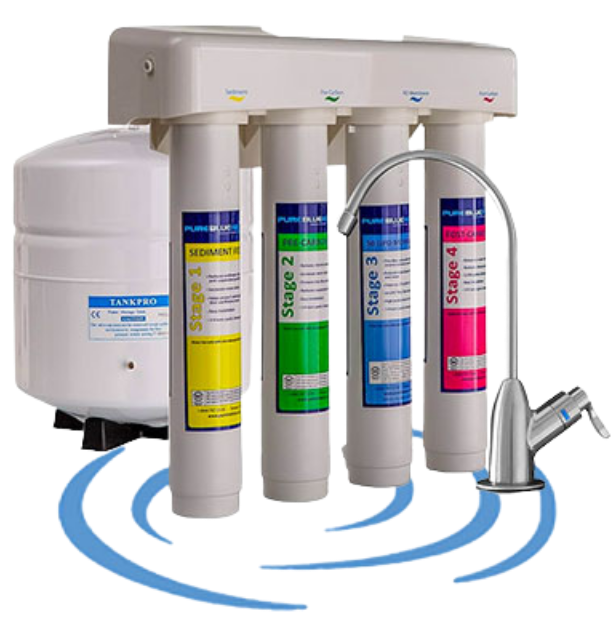
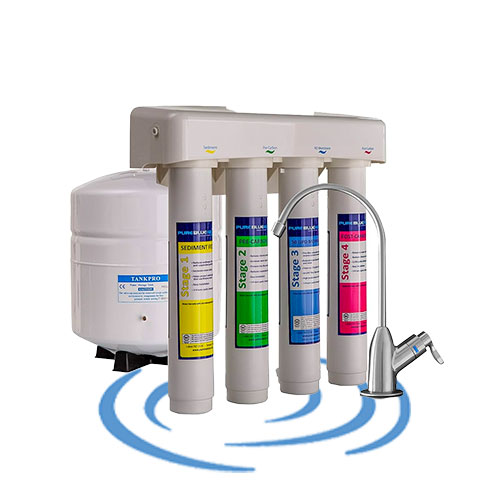
Reverse osmosis is filtration on a different level. It pushes water through a membrane so fine that only water molecules get through. Everything else—minerals, metals, chemicals—gets flushed away. RO systems are typically installed under the sink for drinking water, not whole-house, because they’re slower and waste some water in the process.
Here’s the key thing to understand: filtration removes or reduces contaminants, but it doesn’t change the mineral content that causes hardness. If your water is hard, a filter alone won’t stop scale buildup. You need softening or conditioning for that.
Water Softening vs. Water Conditioning: What's the Difference?
This is where people get tripped up. Softening and conditioning both address hard water, but they work in completely different ways.
Water softeners use a process called ion exchange. Hard water flows through a resin bed, and the resin swaps calcium and magnesium ions for sodium or potassium ions. The minerals that cause scale are physically removed from the water. That’s why softened water feels slick—it actually is softer.
The benefits are real. Soap lathers better. Shampoo rinses clean. Dishes don’t have spots. Your water heater, dishwasher, and washing machine last longer because they’re not fighting scale buildup. If you’ve got hard water above 10 grains per gallon—which Marion County does—a softener makes a measurable difference.
The tradeoff is maintenance. Salt-based softeners need regular salt refills. They use water during the regeneration cycle. And they add a small amount of sodium to your water, which matters if you’re on a sodium-restricted diet.
Water conditioners, sometimes called salt-free softeners, don’t remove hardness. Instead, they alter the structure of the minerals so they don’t stick to surfaces as easily. The water is still technically hard, but you get fewer scale deposits on your fixtures and inside your pipes.
Conditioners appeal to people who want low maintenance and no salt. They work well for moderate hardness and for preventing scale in appliances. But they don’t give you that soft-water feel, and they don’t help soap lather the way a traditional softener does.
So which one do you need? If your water is very hard, if you’re dealing with stubborn scale, or if you want the full soft-water experience, go with a softener. If your hardness is moderate and you just want to protect your plumbing without adding salt, conditioning might be enough.
But here’s the reality for most Marion County homes: hardness isn’t your only problem. You’ve also got chlorine, maybe some iron, possibly sulfur. That’s why combination systems exist.
House Filter Water System: Do You Need Whole-House or Point-of-Use?
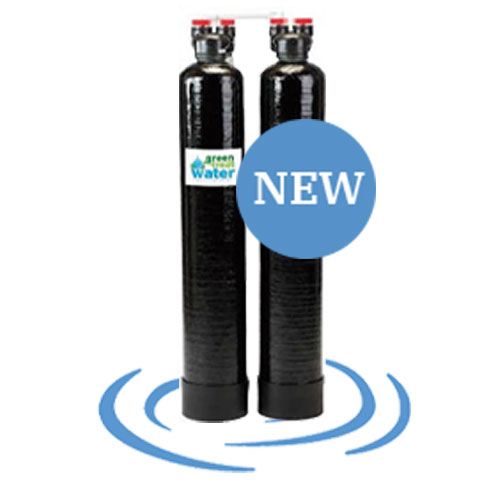
A house filter water system treats water at the point where it enters your home, before it splits off to different faucets and appliances. That’s different from a point-of-use filter, which only treats water at one location—like under your kitchen sink or on your showerhead.
Whole-house systems make sense when your water issues affect everything. If your water is hard, it’s hard everywhere. If it has chlorine, every shower is exposing your skin to it. A whole-house system solves the problem once, for every tap.
Point-of-use systems make sense when you only care about drinking water quality, or when you want an extra layer of filtration for consumption. A lot of people pair a whole-house softener or filter with an under-sink reverse osmosis system for the kitchen. That gives you soft, filtered water throughout the house, plus ultra-pure drinking water where it matters most.
What Problems Does a Whole House Water Filtration System Actually Solve?
A a href=”https://qualitysafewater.com/premium-water-treatment-solutions/whole-house-water-filter/”>whole house water filtration system is designed to handle contaminants that affect your entire water supply. Chlorine and chloramines from municipal treatment. Sediment and rust from aging pipes. Iron and sulfur from well water or aquifer sources. Organic compounds and chemicals that affect taste and smell.
The advantage is consistency. Every faucet, every shower, every appliance gets treated water. You’re not just protecting what you drink—you’re protecting what you wash with, what you cook with, and what runs through your water heater and dishwasher.
For Florida homeowners, that matters. Chlorine dries out your skin and hair. Iron stains your fixtures and laundry. Sulfur makes your water smell like rotten eggs. Sediment clogs aerators and shortens the life of your appliances. A properly designed whole-house system addresses all of that at the source.
The key phrase there is “properly designed.” A basic carbon filter might help with chlorine and taste, but it won’t touch hardness or iron. A softener handles hardness but does nothing for chlorine or sediment. If you’ve got multiple issues—and most Marion County homes do—you need a multi-stage system or a combination setup.
That’s where water analysis comes in. You can’t design the right system without knowing what’s actually in your water. Hardness level, iron content, pH, chlorine, sulfur—these aren’t things you can guess at. Testing tells you what you’re dealing with, and that tells you which technologies you actually need.
Too many homeowners get sold a one-size-fits-all system because a sales rep showed up with a pitch. Then they’re surprised when it doesn’t solve the problem. Or worse, it solves one problem but creates another—like a softener that doesn’t address the sulfur smell, or a filter that doesn’t stop scale buildup.
We build systems around your water analysis and your household’s usage. That means the right size tank for your family. The right media for your specific contaminants. The right flow rate so you don’t lose pressure. It’s not about selling you the most expensive system—it’s about selling you the one that actually works.
How Do You Know Which Water Treatment System You Actually Need?
Start with testing. Not a free test from a company trying to sell you something that day—a real analysis that shows hardness, iron, pH, total dissolved solids, and any specific contaminants you’re concerned about. If you’re on well water, test for bacteria and sulfur too.
Once you know what’s in your water, match the problem to the technology. High hardness? You need a softener. Chlorine and chemical taste? Carbon filtration. Iron staining? Oxidation and filtration. Sulfur smell? Aeration or specialized sulfur filters. Multiple issues? A combination system that layers these technologies in the right order.
Then factor in your household size and usage. A family of two doesn’t need the same capacity as a family of six. If you’ve got high water usage—lots of laundry, frequent showers, irrigation—you need a system that can keep up without losing flow rate or pressure.
And don’t ignore the service side. Water treatment systems need maintenance. Filters need changing. Softeners need salt. Resin beds eventually need replacing. The company you choose should be there for the long haul, not just for the install.
That’s one of the biggest differences between a local company like us and the national brands. When something goes wrong, you’re calling someone who knows your system, knows your water, and can get to you fast. You’re not navigating a call center or waiting weeks for a part.
We also service all brands—Culligan, Kinetico, Leaf, and others. So even if you bought your system somewhere else and the original installer disappeared, you’ve got a backup. That kind of service reputation doesn’t happen by accident. It’s built over 50 years of doing the work right and standing behind it.
Florida water is different. Marion County water is different. Your water is different from your neighbor’s. The system that works is the one designed for your specific situation—not the one that worked for someone else, and not the one that’s on sale this month.

Choosing the Right Water Treatment System for Your Home
There’s no universal best water treatment system. There’s only the best system for your water, your home, and your family’s needs. That starts with understanding what’s actually in your water and what problems you’re trying to solve.
Filtration handles contaminants and improves taste. Softening removes hardness minerals and prevents scale. Conditioning offers a salt-free alternative for moderate hardness. And combination systems address multiple issues at once, which is what most Marion County homes actually need.
The difference between a system that works and one that wastes your money comes down to proper analysis, correct sizing, and professional installation. We’ve spent 50 years doing exactly that—testing water, designing custom systems, and backing it all up with WQA-certified expertise and an A-rated BBB record with zero complaints. If you’re ready to stop guessing and start solving your water problems for good, that’s where the conversation begins.