Summary:
You’ve noticed the signs. White scale on your faucets. Stiff laundry. Water that doesn’t quite taste right. Maybe you’re tired of buying bottled water or dealing with spotty dishes no matter how many times you run the dishwasher.
Installing a water treatment system seems like the obvious solution. And it is—when it’s done right.
But here’s what most homeowners don’t realize until it’s too late: the installation process matters just as much as the system you choose. Get it wrong, and you’re looking at leaks, poor water pressure, systems that don’t actually solve your problem, or equipment that fails years before it should.
This isn’t about scaring you away from better water. It’s about making sure you get it right the first time. Let’s walk through what actually matters when installing a water treatment system in your home.
Understanding Residential Water Systems Before Installation
Before you can install the right system, you need to understand what you’re actually treating. Not all water problems are the same, and not all systems solve the same issues.
In Marion County, most homeowners deal with hard water from the Floridan aquifer. As groundwater moves through limestone, it picks up calcium and magnesium. You’ll see the evidence on your shower doors, your dishes, and eventually inside your pipes and appliances.
But hardness isn’t the only concern. Depending on whether you’re on a private well or limited-use public system, you might also be dealing with iron, sulfur, chlorine, sediment, or emerging contaminants. Each one requires a different treatment approach. That’s why professional water testing comes first—always.
In Home Water Treatment Systems: Point of Use vs Point of Entry
When people talk about in home water treatment systems, they’re usually referring to one of two approaches: point of use or point of entry.
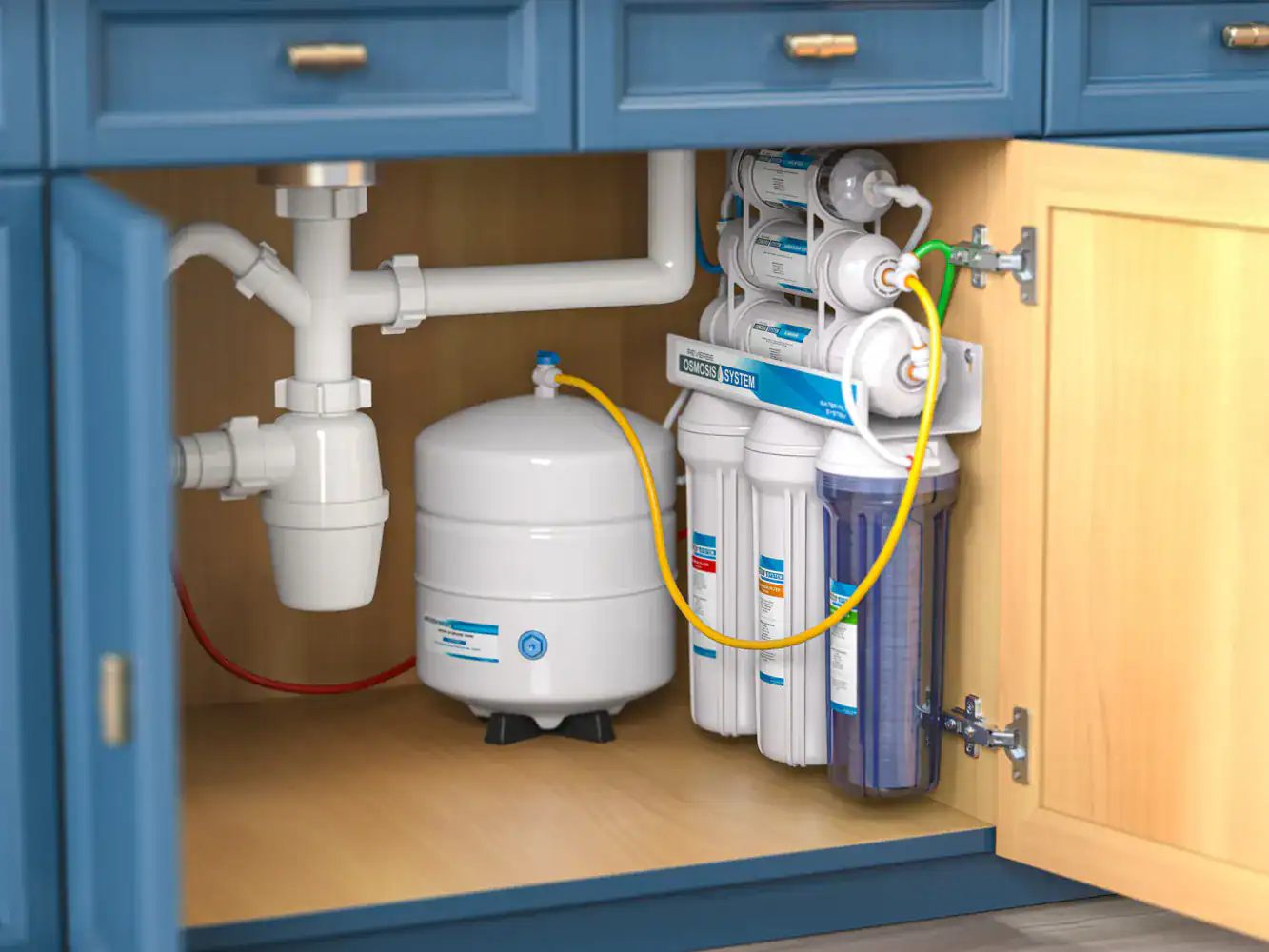
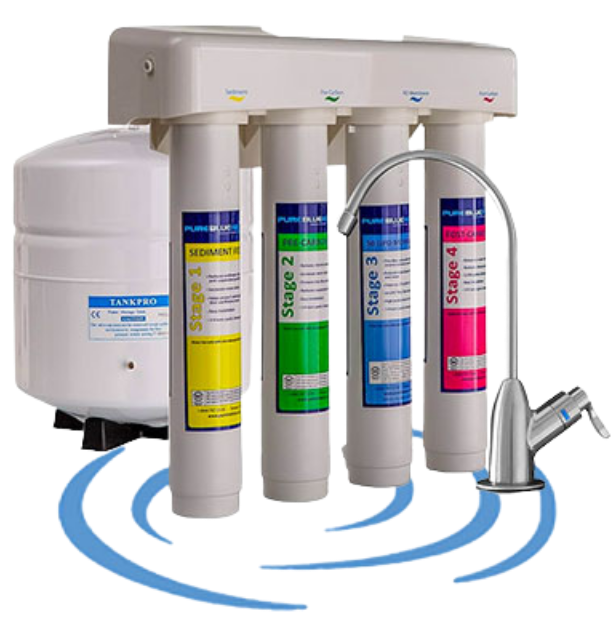
Point of use systems treat water at a single location—typically under your kitchen sink. These are great for drinking and cooking water, especially reverse osmosis systems that remove a wide range of contaminants. They’re smaller, less expensive, and easier to install. But they don’t protect your appliances, your shower water, or the rest of your home.
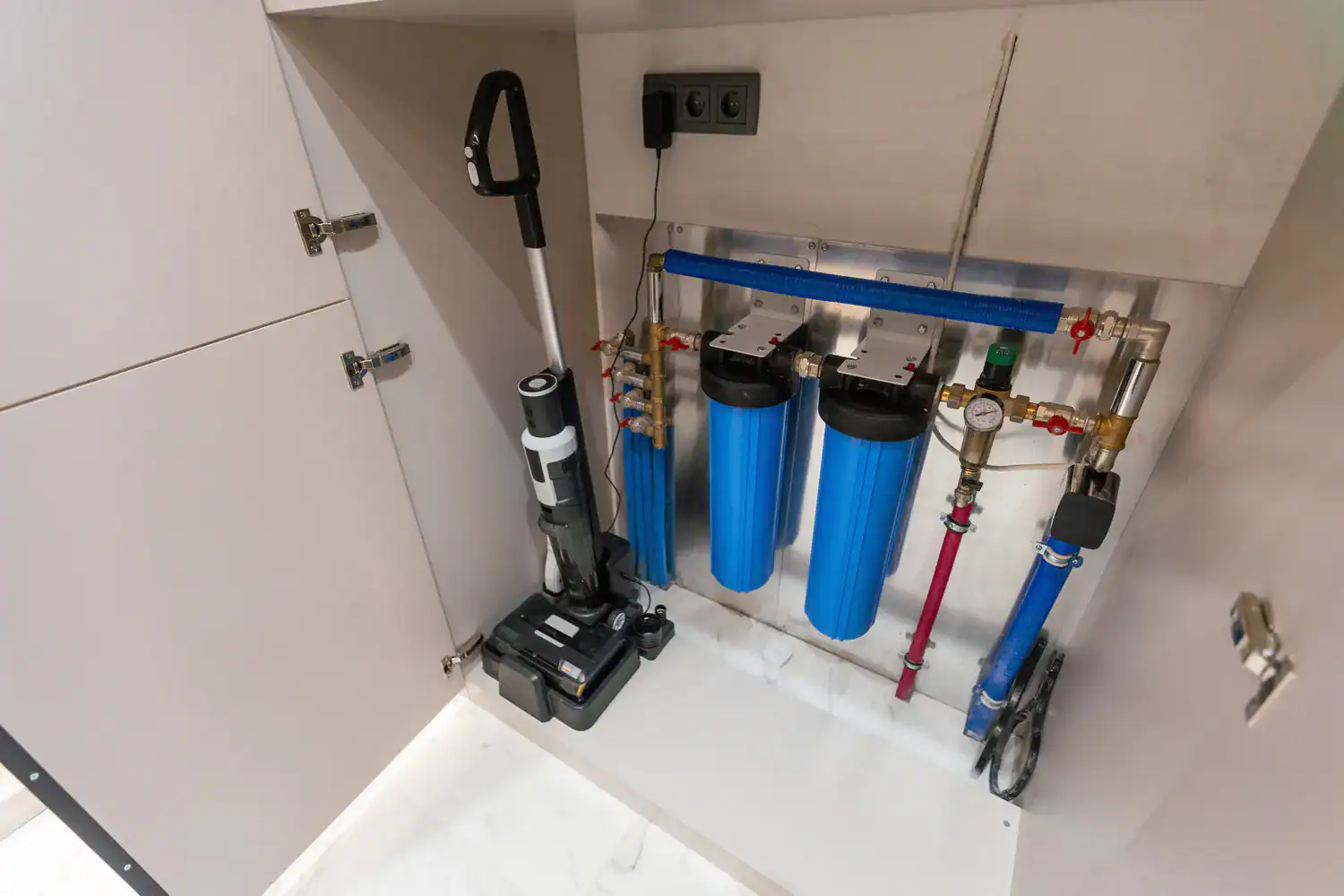
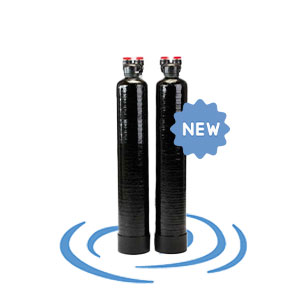
Point of entry systems, also called whole house systems, treat all the water entering your home. They install on your main water line, right after the shut-off valve and before your water heater. Every tap, every shower, every appliance gets treated water. This is what protects your plumbing from scale buildup, extends the life of your water heater, and gives you soft water throughout the house.
For most Marion County homeowners dealing with hard water, a point of entry system makes the most sense. It’s a bigger investment upfront, but it protects your entire home and saves money long-term through reduced soap use, fewer appliance repairs, and lower energy bills.
The system type you choose determines everything else about your installation—from where it’s located to how it’s sized to what kind of drainage and electrical connections you’ll need. A certified installer can walk you through which approach fits your water test results, your household size, and your specific goals. That conversation happens before any equipment gets ordered, because getting the wrong system is one of the most expensive mistakes you can make.
How Water Testing Determines Your Installation Needs
You can’t treat what you don’t measure. That’s not just a saying—it’s the difference between a system that solves your problem and one that wastes your money.
Professional water testing identifies exactly what’s in your water and at what levels. Hardness, iron, manganese, pH, sulfur, chlorine, bacteria, nitrates, and dozens of other potential contaminants. Each one shows up differently in your home, and each one requires specific treatment.
Here’s why this matters for installation: if your water test shows high iron along with hardness, you can’t just install a standard water softener and call it done. The iron will foul the resin bed, and your softener will fail prematurely. You need a treatment sequence—maybe an iron filter or oxidation system first, then the softener. That changes your installation completely: different equipment, different sizing, different space requirements, different plumbing connections.
Or consider this: if you’re on a private well and your test shows bacteria, you need a UV system or chlorination. But UV systems require specific flow rates and pressure levels to work effectively. If your installer doesn’t account for that when sizing your system, you end up with treated water that’s still unsafe to drink.
The testing also determines system capacity. A family of two with moderately hard water needs a different setup than a family of five with very hard water and high iron. Flow rate, grain capacity, regeneration frequency—all of this gets calculated based on your actual water chemistry and usage patterns.
In Marion County, where most residents rely on private wells or limited-use public systems, water quality varies dramatically from house to house. Your neighbor’s system might work perfectly for them and be completely wrong for you. That’s why we start every installation with comprehensive testing. It’s not an upsell—it’s the foundation that everything else builds on.

Water System Maintenance and Professional Installation Requirements
Installation isn’t just about connecting pipes. It’s about creating a system that’s accessible for maintenance, sized correctly for your flow rate, positioned to protect your entire home, and installed to code.
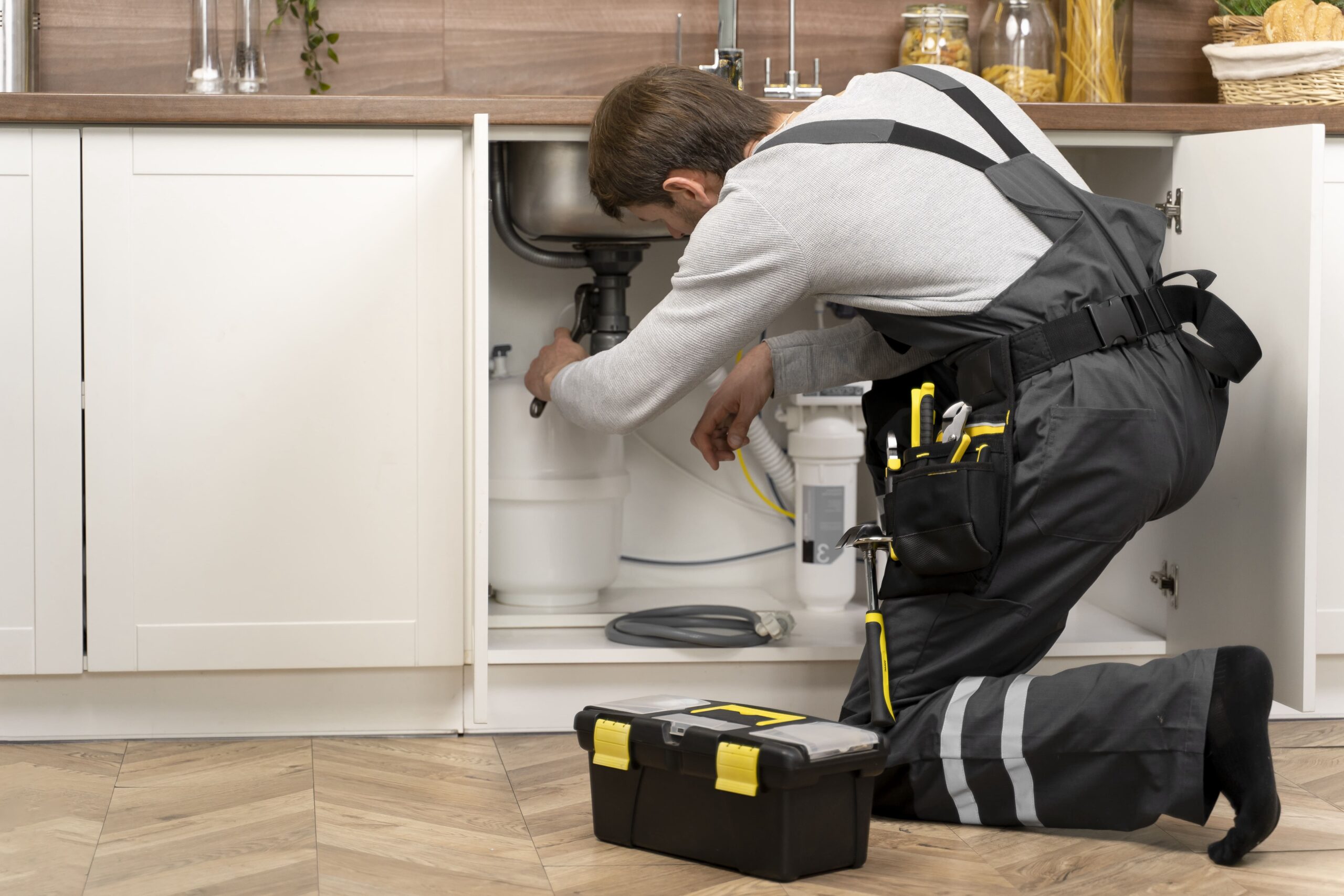
Professional installers know where systems fail. We’ve seen the DIY jobs with backward connections, undersized equipment, and no bypass valves. We’ve repaired the leaks that started because someone over-tightened a plastic fitting or used the wrong pipe material.
More importantly, we know how to set up your system so it’s actually maintainable. Filters need changing. Tanks need servicing. Brine tanks need refilling. If your installer doesn’t leave proper access and clearance, simple maintenance becomes a major project.
Common Installation Mistakes That Compromise System Performance
The biggest installation mistakes happen before anyone touches a wrench. They happen when homeowners skip water testing and guess at what system they need. Or when they size equipment based on square footage instead of actual flow rate and grain capacity.
But even with the right equipment, installation errors can ruin performance. Installing your system in the wrong location is surprisingly common. It needs to go after your main shut-off valve so you can isolate it for service, but before your water heater so both hot and cold lines get treated. Install it in the wrong spot, and parts of your home stay unprotected.
Flow direction matters too. Every filter and treatment tank has an “in” port and an “out” port, clearly marked with arrows. Reverse them, and water bypasses the treatment media or damages the unit. It sounds obvious, but it’s one of the most frequent DIY mistakes.
Then there’s the issue of connections. Over-tighten a plastic housing and you’ll crack it. Under-tighten and you’ll have leaks. Use the wrong type of fitting for your pipe material—copper, PEX, or CPVC—and you’re creating a failure point. Professional installers know the correct torque specs and use the right materials for each connection type.
Bypass valves get skipped entirely in many DIY installations. These valves let you route water around your treatment system during maintenance without shutting off your entire house. Without them, changing a filter means no water to any tap until you’re done. It’s inconvenient at best, and it discourages regular maintenance that keeps your system working properly.
Drainage is another critical piece that gets overlooked. Softeners and many filtration systems need to regenerate or backwash, sending waste water to a drain. That drain line needs proper sizing, slope, and an air gap to prevent backflow. Get it wrong and you risk contaminating your water supply—exactly what you installed the system to prevent.
Pressure requirements matter more than most people realize. Reverse osmosis systems need 40 to 80 PSI to function. Too low and production slows to a trickle. Too high and you damage membranes and fittings. A professional installation includes pressure testing and, if needed, adding a booster pump or pressure regulator.
Why Professional Installation Protects Your Investment
Professional installation costs more upfront than DIY. For a whole house system in Marion County, you’re typically looking at $200 to $600 in labor on top of equipment costs. That brings total investment to around $1,500 to $4,000 depending on your system complexity.
But here’s what that investment actually buys you: proper sizing based on your flow rate and peak demand, code-compliant installation that won’t cause issues when you sell your home, warranty protection that DIY installation often voids, and a system that works correctly from day one.
Consider the alternative. DIY installation might save you $500 in labor, but improper sizing can increase your salt consumption by 20 to 40 percent. That’s an extra $50 to $100 per year, every year. Add in the cost of premature filter replacements from incorrect flow rates, potential leak damage from faulty connections, and the time you’ll spend troubleshooting problems, and the savings evaporate quickly.
WQA-certified installers bring more than tools. We bring experience with local water conditions, knowledge of Marion County’s specific challenges with hard water and well systems, and familiarity with code requirements that vary by location. We know that Florida’s limestone geology creates unique scaling issues, that drought conditions affect well water differently than municipal supplies, and how to size systems for homes that rely on irrigation during dry periods.
We also handle the details that homeowners don’t think about until they become problems. Electrical connections for UV systems or electronic control heads. Proper venting for air injection systems. Winterization considerations if your system is in an unheated space. Coordination with your existing plumbing layout to minimize pressure drop.
Our 50-plus years of experience means we’ve installed systems in every type of Marion County home—from newer construction with PEX plumbing to older homes with galvanized pipes that need special considerations. We’ve worked with every water condition the region presents and know which solutions actually work long-term versus which ones look good on paper but fail in practice.
And here’s something most homeowners don’t consider: we service what we sell. Some companies have developed reputations for abandoning customers after installation. You’re left with a broken system and no support. We service all brands—including systems we didn’t install—because our business model is built on long-term relationships, not one-time sales.
Making the Right Choice for Your Home's Water Treatment
Water treatment installation is more than a home improvement project. It’s a decision that affects your family’s health, your home’s value, and your daily quality of life for years to come.
The homeowners who get it right start with professional water testing, choose systems based on actual data rather than guesswork, and work with certified installers who understand both the equipment and the local water conditions. They ask questions about maintenance requirements, understand what their warranty covers, and plan for the long-term relationship with their water treatment provider.
The ones who struggle usually took shortcuts—skipped testing, bought based on price alone, attempted DIY installation without the right knowledge, or chose a provider based on marketing rather than reputation and service commitment.
If you’re dealing with hard water, staining, odors, or concerns about what’s in your Marion County water, Quality Safe Water of Florida LLC can help. Our WQA-certified professionals start with comprehensive testing, recommend systems sized specifically for your home, and handle installation with the attention to detail that comes from decades of experience. We service all major brands, maintain an A-rated BBB status with zero complaints, and back our work with the kind of customer satisfaction guarantee that only comes from a business built on reputation rather than sales volume.